
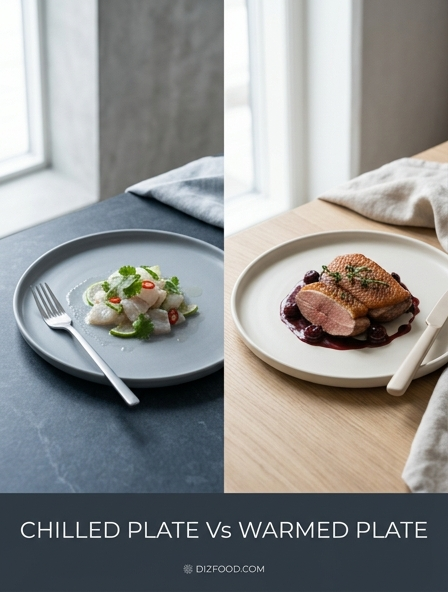
Ever wonder why a five-star steak stays succulent until the last bite, while a gourmet salad feels revitalizingly crisp? The secret lies in the thermal preparation of your dishware. Matching your plate's temperature to its contents-whether it's a pre-warmed ceramic for a hearty osso buco or a chilled marble slab for delicate sashimi-prevents "thermal shock," which can instantly dull flavors and alter textures. By mastering the art of heat retention and cold preservation, you don't just serve a meal; you lock in the chef's intended sensory experience, ensuring every mouthful maintains its peak temperature, ideal viscosity, and intended aromatic profile from the first bite to the last.
| Feature | Warmed Plate | Chilled Plate |
|---|---|---|
| Best For | Roasts, pasta, stews, and sauces. | Salads, tartare, sushi, and cold desserts. |
| Ideal Temp | 120°F - 140°F (49°C - 60°C). | 35°F - 45°F (1°C - 7°C). |
| Culinary Impact | Prevents fat congealing and starch thickening. | Preserves enzyme structure and cellular "crunch." |
| Best Materials | Stoneware, porcelain, or cast iron. | Glass, marble, or stainless steel. |
| Prep Method | Low oven (150°F) or warming drawer. | Freezer (20 mins) or refrigerator (2 hours). |
| Flavor Profile | Amplifies richness and volatile aromas. | Sharpens acidity and emphasizes freshness. |
The Science of Plate Temperature Control
The fundamental principle behind plate temperature control lies in thermodynamics and the laws of heat transfer. When food is placed on a surface, thermal energy moves from the warmer object to the cooler one until equilibrium is reached. In a kitchen environment, a room-temperature plate acts as a significant heat sink. Because ceramic and porcelain possess relatively high thermal mass, they can rapidly absorb the heat from a hot steak or the chill from a delicate sorbet, drastically altering the food's internal temperature within minutes of plating.
To master this, chefs must understand the specific heat capacity of their dinnerware. Materials like bone china, stoneware, and glass all react differently to temperature changes. For instance, thicker stoneware retains heat longer but takes more time to prime, whereas thin porcelain reaches the desired temperature quickly but loses it just as fast. The goal of temperature control is to minimize the "thermal shock" experienced by the food upon contact with the plate surface.
- Conduction: Direct transfer of heat between the food and the plate surface.
- Thermal Mass: The ability of the plate material to store and release thermal energy.
- Ambient Influence: How the surrounding kitchen or dining room temperature affects the plate over time.
- Surface Area: The amount of contact between the food and the plate, which dictates the rate of cooling or warming.
By pre-regulating the temperature of the vessel, the chef ensures that the intended thermal profile of the dish remains stable from the moment it leaves the pass until the final bite is consumed by the guest.
Benefits of Serving on Chilled Plates
Serving certain dishes on chilled plates is far more than a stylistic choice; it is a functional necessity for maintaining the integrity of cold preparations. When a salad, beef carpaccio, or seafood cocktail is placed on a room-temperature plate, the base of the food begins to warm instantly. This can lead to wilted greens, sweating proteins, and a loss of that crisp, refreshing mouthfeel that defines cold appetizers. Chilling the plate to approximately 35°F to 40°F (1°C to 4°C) provides a thermal buffer that preserves the food's crispness.
Furthermore, chilled plates are essential for food safety and structural stability in desserts. Frozen elements like ice cream, granita, or mousse will begin to liquefy at the point of contact if the plate is warm. A cold surface slows down the melting process, allowing the diner more time to appreciate the visual presentation and texture. In high-volume environments, this also gives the service staff a larger window to deliver the dish before it degrades.
- Preservation of Texture: Keeps raw vegetables and seafood firm and snappy.
- Delayed Melting: Extends the life of frozen desserts and stabilized creams.
- Enhanced Refreshment: Heightens the sensory perception of "cold" in summer dishes.
- Condensation Control: When managed correctly, it keeps the dish looking vibrant and moist without becoming watery.
Ultimately, the use of chilled dinnerware demonstrates a high level of attention to detail, ensuring that the final temperature of the dish aligns perfectly with its culinary intent.
Why Warm Plates Are Essential for Hot Meals
The transition from a 160°F pan to a 70°F plate is one of the most common ways a professional-grade meal is ruined. When hot food hits a cold or room-temperature surface, the bottom layer of the food loses heat almost instantly. This rapid cooling can cause fats to congeal, sauces to break or thicken into an unappealing film, and starches to become gummy. A warmed plate, typically heated to between 120°F and 140°F, ensures that the meal stays within the "goldilocks zone" of palatability for the duration of the dining experience.
In addition to flavor preservation, warmed plates play a psychological role in the guest's perception of quality. A hot meal served on a cold plate feels neglected, whereas a warm plate radiates a sense of freshness and care. This is particularly important for dishes with high surface-area-to-volume ratios, such as sliced roasted meats or thin pastas, which lose their heat far faster than dense stews or whole roasts.
| Food Type | Ideal Plate Temp | Reasoning |
|---|---|---|
| Grilled Proteins | 130°F - 140°F | Prevents fat solidification and maintains juice flow. |
| Pasta & Risotto | 125°F - 135°F | Keeps sauces emulsified and prevents starch clumping. |
| Creamy Soups | 140°F+ | Maintains viscosity and prevents a skin from forming. |
By investing the time to warm dinnerware, a kitchen ensures that the complex flavors and textures developed during the cooking process are not neutralized by a cold ceramic surface.
Impact of Surface Temperature on Food Flavor
The temperature of the plate significantly influences the diner's perception of flavor through both physiological and chemical pathways. Our taste buds are highly sensitive to temperature; for instance, the TRPM5 protein channel in our taste cells reacts more strongly to warm temperatures, making sweet and savory flavors seem more intense when food is hot. Conversely, extreme cold can mute certain flavors, which is why a chilled plate is often used to balance the richness of raw fatty fish or to highlight the acidity in a tartare.
Aromatics also play a massive role in flavor. Heat facilitates the release of volatile organic compounds. When a hot sauce is placed on a warmed plate, the steam continues to carry those aromas to the diner's nose. If the plate is cold, the sauce cools, the molecules become less active, and the "bouquet" of the dish effectively disappears. This is why complexly spiced dishes often feel "flat" when they are served at sub-optimal temperatures.
- Sweetness: More pronounced at warmer temperatures.
- Bitterness: Often more noticeable as food cools down.
- Saltiness: Perception can shift based on the heat of the carrier.
- Umami: Enhanced by warmth, as the amino acids are more volatile.
Therefore, selecting the plate temperature is a direct manipulation of the dish's flavor profile. A chef may choose a slightly cooler plate to tone down an overly spicy dish or a very hot plate to emphasize the earthy aromatics of a truffle-based sauce.
Best Dishes to Serve on Cold Dinnerware
Not every dish benefits from heat; in fact, many culinary highlights require a chilled environment to be successful. The primary candidates for cold dinnerware are items that rely on their structural crispness or items that are served raw. In these cases, a chilled plate acts as an extension of the refrigerator, maintaining a safe and appealing environment for the ingredients. The goal is to provide a sharp contrast to the ambient temperature of the dining room.
- Seafood Carpaccio and Sashimi: These delicate proteins can become unpleasantly soft or even begin to "cook" if placed on a warm plate. A chilled surface keeps them firm.
- Crisp Garden Salads: Leafy greens like arugula or butter lettuce wilt within minutes of contact with warmth. A cold plate preserves the cell structure of the leaves.
- Chilled Soups: Gazpacho or Vichyssoise lose their refreshing quality if the bowl is room temperature, as the liquid will quickly warm to the touch.
- Raw Bar Items: Oysters and clams served on the half-shell need a bed of ice, but a chilled plate provides an extra layer of thermal protection.
- Dairy-Based Desserts: Cheesecakes, panna cottas, and whipped mousses maintain their shape and "snap" much better on cold porcelain.
When serving these dishes, it is important to ensure the plate is dry. Removing a plate from a freezer can sometimes cause frost or condensation to form, which can dilute sauces or make the presentation look messy if not wiped before plating.
Heat Retention Tips for Professional Plating
In a professional kitchen, the "pass" is the critical bridge between the stove and the table. Maintaining heat during the plating process is one of the greatest challenges for a chef. Even if a plate starts warm, the time spent meticulously arranging garnishes with tweezers can sap the heat from the main component. To combat this, professional kitchens use several layers of temperature defense to ensure the guest receives a hot meal.
The most effective method is the use of overhead infrared heat lamps combined with a heated staging surface. However, the chef must be careful not to "cook" the food further or dry out delicate garnishes while under these lamps. Speed is the ultimate tool; a well-organized mise en place allows for rapid plating, minimizing the time the food spends exposed to the air. Additionally, using heavy-gauge dinnerware helps, as these plates have the thermal mass required to hold onto heat despite the cooling effects of the kitchen's ventilation system.
- Staggered Plating: Warm the plates in batches so the last plate is just as hot as the first.
- Lidding: Use plate covers (cloches) to trap steam and heat during transport to the table.
- Sauce Temperature: Serve sauces at a slightly higher temperature than the main protein to act as a thermal jacket.
- Pre-heated Tools: Some high-end kitchens even warm the spoons and plating tools.
Consistency is key. If the first plate at a table of four is hot but the last one is lukewarm, the dining experience is compromised. Integrated warming solutions are essential for high-level service.
How Plate Temperature Affects Food Texture
Texture is perhaps the most immediate victim of poor plate temperature management. This is most evident in the behavior of fats and starches. When a hot emulsion, such as a hollandaise or a butter-based beurre blanc, is placed on a cold plate, the lipids begin to crystallize and solidify. This turns a silky, flowing sauce into a thick, greasy coating. Similarly, starches in pasta or potatoes undergo a process called retrogradation when they cool rapidly, leading to a firm, rubbery, or grainy mouthfeel.
Conversely, for cold items, plate temperature maintains the "crunch." The crispness of a cucumber or the snap of a radish is a result of turgor pressure within the plant cells. Heat weakens these cell walls. By using a chilled plate, you ensure that the moisture stays inside the cells rather than leaking out, which would otherwise result in a soggy salad. The table below illustrates common textural shifts based on plate temperature.
| Ingredient | On Cold Plate | On Warm Plate |
|---|---|---|
| Animal Fats | Waxy and solid | Liquid and mouth-coating |
| Sugar Glass/Tuiles | Brittle and snappy | Soft and tacky |
| Vegetable Fibers | Firm and crunchy | Limp and soft |
| Starchy Sauces | Gel-like and thick | Smooth and fluid |
Understanding these transitions allows a chef to use plate temperature as a tool to manipulate the final sensory experience of the texture.
Choosing Between Chilled and Warmed Service
The decision to chill or warm a plate isn't always binary; it depends on the complexity of the dish and the intended contrast. The general rule of thumb is "hot food on hot plates, cold food on cold plates," but modern gastronomy often plays with these boundaries. For instance, a dish that features a hot seared scallop on top of a cold pea purée presents a thermal challenge. In this scenario, a room-temperature or slightly warmed plate is often the best compromise to avoid shocking the purée while keeping the scallop from cooling too fast.
Environmental factors also dictate the choice. In a sweltering summer outdoor setting, even "room temperature" dishes like bread or certain cheeses might benefit from a slightly chilled plate to prevent them from becoming oily. In contrast, during winter, a warmed plate for bread service can provide a comforting start to a meal. Chefs must also consider the "dwell time"-the time the food sits before being eaten. Small tapas-style plates lose heat faster than large bowls of pasta, necessitating higher initial plate temperatures.
- Temperature Contrast: If the dish relies on a mix of temperatures, choose the plate temperature based on the primary or largest component.
- Material Choice: Glass is excellent for chilling; thick ceramic is better for warming.
- Course Sequence: Transitioning from cold to hot plates during a multi-course meal helps reset the palate.
Ultimately, the goal is to enhance the specific characteristics of the dish. When in doubt, lean toward the temperature that preserves the most volatile or fragile component of the recipe.
Temperature Optimization for Fine Dining
In the world of fine dining, temperature precision is a hallmark of technical excellence. It is no longer enough for a plate to just be "warm"; it must be optimized to a specific degree that complements the chef's vision. Many Michelin-starred restaurants use dedicated plate warming cabinets set to specific humidities to ensure plates are hot but not bone-dry, which can sometimes affect the moisture of the food. The temperature of the dinnerware is treated with the same level of scrutiny as the internal temperature of a sous-vide protein.
Luxury service also considers the comfort of the guest. A plate that is too hot to touch (over 150°F) is a liability and can be distracting. The "sweet spot" in fine dining is usually a plate that feels substantially warm through the base but is safe for the server to carry and the guest to adjust. This requires high-quality porcelain with consistent heat distribution properties. Furthermore, the timing of the "drop" is synchronized so that the plate temperature is at its peak exactly when the guest begins to eat.
- Precision Equipment: Using CVap ovens or calibrated plate heaters.
- Material Science: Utilizing bone china for its ability to hold heat without excessive weight.
- Service Rituals: Warming the guest's silverware to prevent the "heat-sink" effect of a cold fork.
- Aromatics: Using the heat of the plate to activate dry garnishes or oils poured tableside.
This level of optimization ensures that the culinary artistry is preserved in its ideal state from the kitchen pass to the table.
Practical Steps for Preheating and Chilling Plates
Implementing a plate temperature strategy does not require expensive industrial equipment; it can be achieved in any kitchen with a few practical steps. For warming, the most common home method is using a low-temperature oven setting (around 150°F) for ten minutes. Professional kitchens often use a dedicated "plate warmer" or a stack of plates placed near the oven's exhaust. If space is an issue, a quick soak in hot water followed by a thorough drying can suffice, though this is less efficient for long-term heat retention.
Chilling plates is even simpler but requires foresight. Placing plates in the refrigerator for 30 minutes is usually sufficient for salads, but for frozen desserts, the freezer is preferred. To prevent the plates from cracking due to thermal shock, avoid moving them directly from a hot dishwasher into a freezer. Allow them to air-cool to room temperature first. This also prevents the formation of excessive condensation, which can ruin the presentation of the food.
- The Oven Method: Place heat-safe plates in a 140°F-150°F oven for 10-15 minutes.
- The Microwave Method: For a quick fix, stack slightly damp plates and microwave for 30-60 seconds (ensure plates are microwave-safe).
- The Dishwasher Cycle: Use the "heated dry" cycle and pull plates out just before plating.
- The Refrigerator Method: Store a small stack of salad plates in the fridge at all times for spontaneous use.
- Thermal Buffering: Use a folded napkin between a hot plate and a cold table to prevent heat loss and protect the furniture.
Consistency in these habits ensures that the quality of the cooking is always matched by the quality of the service.

Comments