
Design Characteristics of the Salad Fork
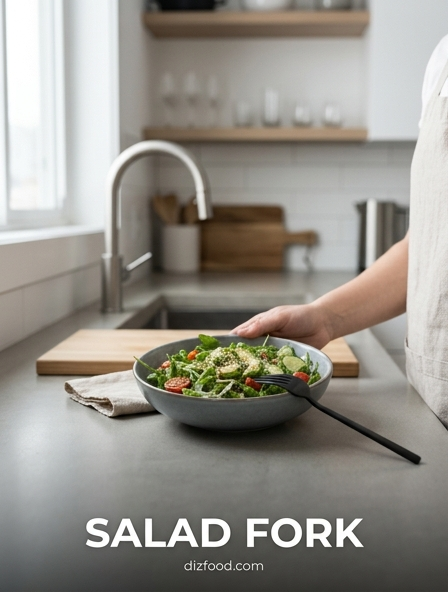
The salad fork is a specialized piece of flatware designed specifically for the consumption of leafy greens and appetizers. Measuring approximately six inches in length, it is notably shorter than the standard dinner fork. Its most defining characteristic is its four-tine arrangement, where the tines are often wider and flatter than those found on other forks. This width provides a larger surface area for lifting delicate greens and preventing them from sliding off. High-quality salad forks are typically forged from 18/10 stainless steel or sterling silver, ensuring durability and a balanced weight in the hand.
The left-most tine frequently features a subtle notch or a reinforced edge, which aids in cutting through larger leaves or firm vegetables like cucumbers. This design evolution reflects a focus on functionality, allowing the diner to navigate complex textures with minimal effort. The aesthetic of the salad fork often mirrors the rest of the flatware set, featuring intricate handle patterns or sleek, minimalist lines depending on the specific pattern chosen for the kitchen service.
Standard Table Placement and Positioning
In formal table settings, the placement of the salad fork is dictated by the sequence of the meal. Traditionally, it is positioned to the left of the dinner plate. Following the "outside-in" rule of etiquette, the salad fork is placed furthest to the left if the salad is served as the first course. If the salad follows the main course, as is common in European traditions, it is placed closer to the plate. The fork should be aligned with the base of the other utensils, maintaining a precise one-inch distance from the edge of the table. Proper spacing between each piece of flatware ensures a clean, organized appearance that facilitates ease of movement for the diner.
| Placement Order | Course Order | Position Relative to Plate |
|---|---|---|
| Outer Left | First Course | Furthest from plate |
| Inner Left | After Main Course | Between dinner fork and plate |
Identifying the Salad Fork by Tine Width
One of the most reliable methods for identifying a salad fork in a complete flatware set is observing the width and shape of the tines. Unlike the narrow, elongated tines of a dinner fork, the salad fork features a broader tine structure. This geometry is intentional, as it creates a sturdy platform for scooping up smaller components like cherry tomatoes, croutons, or diced peppers. The outer tines are often thicker than the inner ones, providing structural integrity when pressing down on crisp lettuce. This extra width is particularly useful for dressings that have a thicker consistency, as the wider surface area helps capture the flavor alongside the greens.
- Four-tine configuration for maximum stability.
- Flattened tine surface to support loose ingredients.
- Broad base for easier scooping of small toppings.
- Slightly curved profile to cradle round vegetables.
Proper Grip and Hand Technique
Mastering the proper grip of a salad fork is essential for elegant dining. There are two primary techniques recognized in international etiquette: the American style and the Continental style. In the American style, the fork is held like a pencil for cutting and then switched to the right hand for eating, with the tines facing upward. This method emphasizes a relaxed, rhythmic pace during the meal. Conversely, the Continental style involves holding the fork in the left hand throughout the course, with the tines facing downward. The index finger should rest along the back of the handle, providing leverage when piercing firm vegetables.
Regardless of the style chosen, the grip should be firm yet light, avoiding a clenched fist. The handle should rest comfortably against the palm, allowing the wrist to remain flexible. Maintaining a consistent technique prevents spills and ensures that the diner can engage in conversation without distraction. Proper hand positioning not only demonstrates social grace but also enhances the mechanical efficiency of the utensil when dealing with varied salad textures.
Sequence of Use in Multi Course Dining
In a multi-course meal, the order of utensil use is a fundamental aspect of dining protocol. The salad fork's position in the sequence depends entirely on the menu structure provided by the host. Diners should always start with the utensil located furthest from the plate and work their way inward toward the center. Following this progression ensures that the correct tool is used for the specific textures and requirements of each dish served in the kitchen.
- Appetizer or Soup (using the outermost spoon or fork)
- Salad course (using the designated salad fork)
- Fish course (using the fish fork)
- Main Entree (using the dinner fork)
- Dessert (using utensils located above the plate)
Understanding this sequence allows the diner to navigate even the most complex table settings with confidence. For instance, using the salad fork for the main course would result in difficulty cutting meats, while using a dinner fork for salad can feel clumsy and oversized for delicate leaves.
Navigating Salad Greens with Precision
Navigating large, leafy greens requires a specific technique to avoid messy or awkward bites. Rather than attempting to cut through soft leaves with the side of the fork, which often results in tearing, diners should use the fork to fold or "spear and wrap" the greens. The goal is to create a manageable, bite-sized bundle that can be lifted cleanly to the mouth. For large leaves of Romaine or Bibb lettuce, the fork can be used to gently tuck the edges inward before piercing the center. This prevents long pieces of lettuce from hanging off the utensil.
If the salad contains smaller components like grains, legumes, or shredded carrots, the broad tines of the salad fork act as a miniature shovel to gather these items against the side of the bowl or plate. It is considered impolite to overfill the fork; instead, one should aim for a balanced combination of greens and toppings in each bite. This methodical approach ensures a tidy dining experience and allows for better appreciation of the dressing and flavor profiles intended by the chef.
Resting and Finished Plate Positions
Communicating with service staff through utensil placement is a key component of formal dining. When a diner takes a break from eating, the salad fork should be placed in the "resting" position. This signals to the waiter that the course is not yet finished. In the American style, the fork is placed at the top right of the plate with tines up. Once the salad course is completed, the fork is moved to the "finished" position. This involves placing the fork vertically on the plate with the tines facing upward or downward depending on the regional style.
| Position | Meaning | Visual Cue |
|---|---|---|
| Resting | Taking a break | Fork at 4 o'clock or inverted V |
| Finished | Course complete | Fork and knife parallel at 10:20 |
| Placement | Service signal | Handles at the bottom or right |
Differences Between Salad and Dinner Forks
While they may appear similar at first glance, the salad fork and the dinner fork serve distinct roles and possess different physical attributes. The primary difference lies in their size; the dinner fork is the largest fork in the set, designed to handle heavy proteins and large portions. In contrast, the salad fork is smaller and more agile, suited for the lighter textures of vegetables and fruit. Choosing the correct fork is not merely a matter of tradition but of practical utility within the kitchen environment.
- Length: Dinner forks are usually 7-8 inches; salad forks are 6 inches.
- Tine Shape: Salad forks have wider, flatter tines for support.
- Strength: The left tine of a salad fork is often reinforced for cutting.
- Usage: Dinner forks are for the entree; salad forks are for greens.
The smaller scale of the salad fork provides better control over slippery greens, while the dinner fork provides the leverage needed for main-course items. These subtle differences ensure that the diner has the most efficient tool for each specific part of the meal.
The Role of the Notched Outer Tine
A distinctive feature found on many traditional salad forks is the notched outer tine, usually located on the left side. This design element serves a specific historical and functional purpose. In the past, salads were often served with large, un-cut leaves or firm, molded components. The notch creates a sharper, more defined edge, allowing the diner to use the side of the fork as a makeshift blade. This was particularly useful before it became standard practice for kitchens to tear lettuce into bite-sized pieces.
The reinforced tine provides the necessary pressure to shear through fibrous stems or crisp vegetables without the need for a separate salad knife. In some high-end silver patterns, this notch is highly pronounced, while in modern stainless steel sets, it may be represented by a subtle widening of the tine. This design innovation highlights the fork's dual role as both a piercing and a cutting tool, specifically tailored to the unique physical properties of salad ingredients. It remains a hallmark of specialized flatware design today.
Modern Etiquette for Formal Salad Service
Modern etiquette regarding salad service has evolved to accommodate contemporary dining habits while maintaining core principles of respect and decorum. One significant change is the acceptance of using a knife to cut large lettuce leaves if a salad fork alone proves insufficient. While traditionalists might prefer the "fold and pierce" method, modern rules prioritize ease and clean eating. When dressing is served on the side, one should use the salad fork to lightly dip the greens into the ramekin rather than pouring the entire contents over the plate.
- Never use a salad fork for the main course if a dinner fork is available.
- Avoid scraping the plate with the tines, which creates unpleasant noise.
- Wait for the host to begin before picking up the salad fork.
- Place the fork on the plate, never on the tablecloth, once used.
Additionally, if a salad contains pits or seeds, etiquette dictates using the salad fork to discreetly move the item from the mouth back to the plate. These modern standards ensure that the dining experience remains sophisticated and efficient.



Comments