
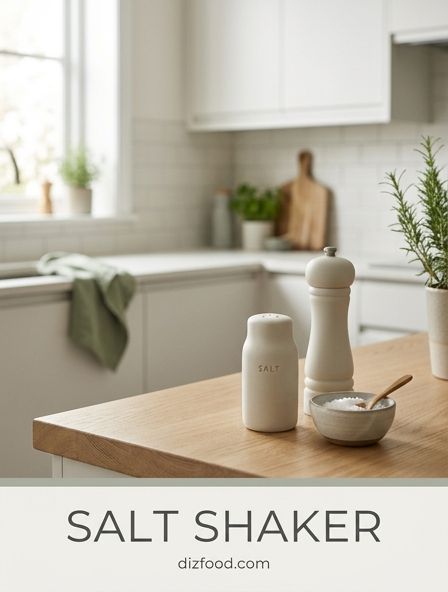
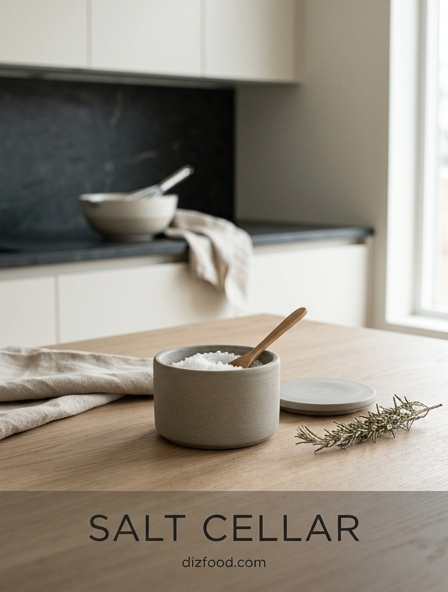
Finding the perfect salt shaker for your dining table is about balancing elegant aesthetics with everyday functionality. When browsing for the best option, consider the material; stainless steel and glass are durable choices that complement most modern decor, while ceramic adds a touch of cozy, rustic charm. You should also pay attention to the hole size and distribution, as finer grains require smaller openings to prevent over-seasoning your favorite dishes. Whether you host formal dinner parties or enjoy casual family meals, the right shaker enhances your dining experience and keeps flavor within easy reach. If you are torn between traditional containers, it is worth comparing the benefits of a salt cellar vs salt shaker to see which suits your culinary habits best.
Material Selection for Longevity
Choosing the right material for a salt shaker is critical because salt is a naturally corrosive mineral that can degrade certain substances over time. When selecting for longevity, high-quality stainless steel, particularly the 304 or 316 grades, is often the gold standard. These materials resist the oxidation and pitting that frequently occurs when salt is exposed to humidity. Glass is another excellent choice for durability, as it is non-reactive and does not leach chemicals or absorb odors, ensuring the salt remains pure for years.
While plastic shakers are lightweight and affordable, they are prone to scratching and may become cloudy or brittle after repeated washing. For those seeking a balance of aesthetics and endurance, consider the following material properties:
- Stainless Steel: High impact resistance and rust-proof capabilities.
- Borosilicate Glass: Thermal shock resistance and complete chemical neutrality.
- Acrylic: Shatter-resistant and provides the clarity of glass with less weight.
- Ceramic: Durable if glazed properly, though susceptible to chipping if mishandled.
Ultimately, the longevity of the shaker depends on how the material interacts with the environment. In coastal areas with high salt air, non-metallic options like heavy-duty glass or specialized resins often outperform even treated metals.
Flow Control and Hole Patterns
The functionality of a salt shaker is primarily defined by its hole pattern, which dictates the volume and speed of the pour. Effective flow control prevents over-seasoning, a common culinary mistake that is difficult to reverse. Most shakers utilize a standard multi-hole top, but the diameter of these holes must be calibrated to the specific grain size of the salt being used. Table salt requires smaller apertures, while kosher or sea salt needs larger openings to prevent clogging.
| Hole Type | Salt Compatibility | Flow Rate |
|---|---|---|
| Fine Micro-holes | Standard Table Salt | Controlled/Slow |
| Single Large Hole | Coarse Sea Salt | Rapid/Heavy |
| Adjustable Dial | Universal Grains | Variable |
A well-designed hole pattern often features a "S" or "P" configuration to help users distinguish between salt and pepper at a glance. Beyond aesthetics, the distribution of the holes matters; a centered cluster provides a concentrated pour, while a wider distribution allows for a more even dusting across the surface of the food.
Aesthetic Styles for Table Settings
The visual appeal of a salt shaker can significantly influence the atmosphere of a dining experience. In modern, minimalist settings, sleek cylindrical shakers made of brushed nickel or matte black silicone offer a clean, unobtrusive look. These designs prioritize form and function, often featuring hidden refill points to maintain a seamless silhouette. Conversely, traditional or rustic table settings benefit from vintage-inspired glass jars or hand-painted ceramic figurines that add a sense of warmth and nostalgia to the kitchen or dining room.
For formal occasions, crystal shakers with polished silver caps provide a touch of elegance, reflecting light and complementing fine china. The choice of style should reflect the overall interior design language of the home. Mid-century modern enthusiasts might opt for sculptural wooden shakers with organic curves, while industrial kitchens may favor heavy-duty ribbed glass and galvanized steel. Because salt shakers are one of the few items that remain on the table throughout the entire meal, they serve as a permanent decorative element that bridges the gap between utility and artistry.
Ease of Refilling and Maintenance
A salt shaker that is difficult to refill often results in wasted seasoning and frustration. To ensure a seamless experience, look for designs that prioritize accessibility without compromising the seal. The most common methods for refilling include removable bottom stoppers or screw-off top lids. While bottom-fill models offer a cleaner exterior appearance, they can be prone to leaking if the stopper becomes loose over time. Top-fill models are generally more reliable and easier to monitor during the pouring process.
Maintaining a shaker involves more than just refilling; periodic cleaning is essential to remove salt crust and bacteria. Follow these steps for optimal maintenance:
- Empty any remaining salt and disassemble all removable parts.
- Soak the components in warm, soapy water to dissolve stubborn salt deposits.
- Use a small brush to clear any obstructions from the dispensing holes.
- Rinse thoroughly and ensure every piece is completely dry before reassembling.
Moisture is the enemy of maintenance, as even a small amount of residual water can cause salt to clump and clog the mechanism immediately after refilling.
Glass Versus Ceramic and Wood
The choice between glass, ceramic, and wood involves balancing visibility with environmental protection. Glass is favored by many because it allows the user to see exactly how much salt remains, preventing the surprise of an empty shaker during a meal. It is also non-porous, meaning it provides a sterile environment for the salt. However, glass can be fragile and may break if dropped on a stone countertop or tile floor.
Ceramic and wood offer different benefits, primarily related to moisture management and tactile feel:
- Ceramic: Often heavier and more stable, glazed ceramic provides an opaque barrier that protects salt from light degradation, though salt itself is relatively shelf-stable.
- Wood: Naturally porous, wood can help absorb microscopic amounts of ambient moisture, potentially keeping the salt drier. It provides a warm, ergonomic grip that feels premium.
While wood is aesthetically pleasing, it requires more care, as it cannot be soaked in water and may require occasional oiling to prevent the grain from cracking. Ceramic offers a middle ground, providing the weight and opacity of wood with the easier cleaning profile of glass.
Ideal Capacity and Dimensions
The size of a salt shaker should be determined by the frequency of use and the available space on the dining table. A shaker that is too small requires constant refilling, while one that is excessively large can be cumbersome to handle and may allow the salt to sit for too long, increasing the risk of clumping in humid environments. Most residential shakers range from 2 to 4 ounces in capacity, which is sufficient for several weeks of typical family use.
| Size Category | Height (Approx) | Best Use Case |
|---|---|---|
| Miniature/Travel | 1.5 - 2 inches | Picnics or individual settings |
| Standard Table | 3.5 - 4.5 inches | Daily family dining |
| Chef's Shaker | 6+ inches | High-volume stovetop cooking |
Dimensions also affect the center of gravity. Shakers with a wider base are less likely to tip over when bumped, which is particularly important in households with children or pets. A height of approximately four inches is generally considered the "sweet spot" for ergonomic comfort and visual proportion on most table settings.
Ergonomic Grip and Handling
The physical interaction between the hand and the shaker is an often-overlooked aspect of kitchen design. A well-designed salt shaker should feel natural in the palm and provide enough friction to prevent slipping, even if the user's hands are slightly damp from cooking. Shapes that taper toward the middle, often called hourglass designs, allow the fingers to find a secure anchor point. Texture also plays a role; fluted glass or matte-finished metals offer a better grip than high-polish surfaces which can become slick.
Weight distribution is equally important for precision. A shaker that is bottom-heavy feels more balanced and allows for a controlled shaking motion. For individuals with limited hand mobility or arthritis, larger diameters or "easy-squeeze" mechanisms are preferable to traditional small-diameter shakers that require a tight pinch. The "snap" of the wrist required to dispense salt is much more effective when the shaker's weight is concentrated near the top, while a bottom-heavy design is better for stability when the object is at rest. Testing the weight and feel before purchasing ensures the tool becomes a helpful extension of the cook's hand.
Moisture Resistance and Sealing
Humidity is the primary cause of salt clumping, which can render a shaker useless. When salt absorbs water from the air, the crystals bind together, creating blockages in the dispensing holes. Effective shakers combat this through superior sealing and moisture-wicking features. Some high-end models incorporate silicone gaskets around the lid to create an airtight environment when the shaker is not in use. This is especially vital in humid climates or for shakers kept near the steam-heavy environment of a stovetop.
To further enhance moisture resistance, many users and manufacturers employ clever internal solutions:
- Rice Grains: Adding a few grains of dry rice to the shaker absorbs excess moisture before the salt can.
- Flip-top Caps: Lids that snap shut over the holes provide a physical barrier against humid air.
- Desiccant Inserts: Some modern designs include a small, food-safe silica packet hidden in the cap.
Choosing a shaker with a non-porous body, such as glass or glazed ceramic, also helps, as these materials do not allow moisture to seep through the walls of the container. Ensuring the shaker is stored in a cool, dry place away from the stove will further prolong the flowability of the salt.
Classic Shaker Versus Manual Grinder
The debate between a classic shaker and a manual salt grinder center on the type of salt being used and the desired flavor profile. A classic shaker is designed for pre-ground table salt, which has a uniform texture and consistent salinity. This is ideal for baking or recipes where precise measurements are required. The shaker provides speed and ease of use, making it the preferred choice for quick seasoning at the table. However, pre-ground salt lacks the textural variety found in artisanal salts.
Manual grinders, or salt mills, offer several distinct advantages:
- They allow for the use of coarse sea salts or Himalayan pink salt, which retain more trace minerals.
- Users can adjust the grind size from fine to coarse, adding a "crunch" factor to dishes like steak or salads.
- The grinding process can help release a fresher, sharper salt flavor.
While grinders are generally more expensive and require two hands to operate, they offer a level of culinary versatility that a simple shaker cannot match. For many kitchens, the best solution is to have a classic shaker for table salt and a grinder for specialized finishing salts.
Coordinating With Your Dinnerware
Integrating salt shakers into your overall table design requires a keen eye for color, texture, and scale. Coordination does not necessarily mean finding a perfect match; rather, it is about creating a cohesive visual narrative. For instance, if your dinnerware features a bold, geometric pattern, a solid-colored shaker in one of the accent hues can ground the look. If you use white porcelain plates, you have the flexibility to use shakers as "jewelry" for the table, opting for metallic finishes like copper or gold to add a luxurious pop of color.
Consider the formality of your dinnerware when making a selection. Casual stoneware pairs beautifully with natural wood or matte ceramic shakers, emphasizing an organic, earthy feel. On the other hand, fine bone china requires something more refined, such as polished silver or delicate crystal. The height of the shaker should also be proportional to your glassware; overly tall shakers can obstruct views and conversation across the table. By treating salt shakers as an integral part of the place setting rather than an afterthought, you create a more polished and intentional dining environment for your guests.


Comments