
The Science of Chilled Plate Temperature
The thermodynamic interaction between a dish and its contents is a critical factor in culinary science. When a plate is chilled, it acts as a thermal heat sink, absorbing ambient energy and preventing the immediate transfer of heat to the food. This process is governed by the laws of conduction, where the ceramic material's high specific heat capacity allows it to maintain a low temperature even when exposed to warmer kitchen environments. By lowering the starting temperature of the vessel, the rate of molecular vibration within the food slows down significantly.
Maintaining a specific thermal equilibrium is essential for raw preparations like carpaccio or sashimi. If the plate is at room temperature, the food begins to equilibrate with the environment, leading to a rapid rise in internal temperature. This temperature shift alters the kinetic energy of the water molecules within the ingredients. A chilled surface ensures that the gradient between the food and its contact point remains minimal, thereby stabilizing the biological matter. This stability is the foundation for all subsequent enzymatic and structural preservation techniques used in high-end culinary applications.
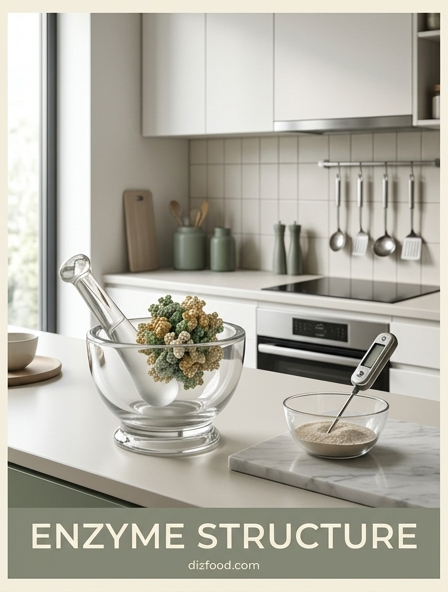
Enzyme Activity and Thermal Regulation
Enzymes are biological catalysts that accelerate chemical reactions within organic matter. Their activity is highly dependent on temperature, often following the Q10 coefficient rule, which suggests that reaction rates double with every ten-degree Celsius increase. By utilizing chilled plates, chefs can effectively "freeze" the kinetic progress of these enzymes without actual crystallization. Thermal regulation ensures that the enzyme-substrate complex forms less frequently, effectively slowing down metabolic pathways that lead to spoilage or unwanted flavor profiles.
- Activation Energy: Cold temperatures increase the energy barrier required for a reaction to occur.
- Protein Conformation: Low heat prevents the subtle unfolding of enzyme structures that could trigger secondary reactions.
- Substrate Affinity: Reduced molecular motion decreases the frequency of collisions between enzymes and their target molecules.
- Metabolic Quenching: Rapid cooling after preparation halts residual cellular respiration in plant tissues.
This regulation is particularly vital for delicate proteins and plant-based acids that are susceptible to rapid degradation when exposed to even moderate heat signatures from unchilled plating surfaces.
Preserving Cellular Structure for Maximum Crunch
The "crunch" associated with fresh vegetables and fruits is a result of turgor pressure within the plant cells. This pressure is maintained by the cell wall, composed of cellulose, hemicellulose, and pectin, surrounding a fluid-filled vacuole. When food is placed on a warm surface, the heat causes the cell membranes to become more permeable, leading to fluid loss and a decrease in internal pressure. Chilled plates prevent this thermal expansion of cellular fluids, keeping the vacuole engorged and the cell wall rigid.
| Component | Effect of Cold | Resulting Texture |
|---|---|---|
| Vacuole | Maintains fluid volume | High Turgidity |
| Cell Wall | Prevents pectin softening | Structural Rigidity |
| Membrane | Reduces permeability | Fluid Retention |
By keeping the temperature low, the mechanical resistance of the tissue is preserved. This ensures that when the consumer bites into the food, the cells rupture simultaneously under pressure, creating the distinct auditory and tactile sensation of crispness that is lost in warmer environments.
How Cold Surfaces Prevent Texture Softening
Texture softening in raw or lightly prepared foods is primarily caused by the enzymatic breakdown of structural carbohydrates. Enzymes such as amylase and various pectinases work to disassemble the complex sugars that provide body to ingredients. On a warm plate, these enzymes operate at peak efficiency, turning firm plant tissues into a mushy consistency within minutes. A chilled surface serves as a preventative barrier against this enzymatic maceration.
Furthermore, cold surfaces influence the state of fats and oils within a dish. In proteins like tartare, cold temperatures keep intramuscular fats in a solid or semi-solid state, which contributes to a cleaner mouthfeel. If the plate is warm, these fats begin to melt and coat the palate, masking the intended texture of the protein. By keeping the ingredients below the melting point of their constituent lipids and the optimal range of degradative enzymes, the chef ensures that the intended architectural integrity of the dish remains intact from the kitchen pass to the guest's final bite.
Inhibiting Enzymatic Browning Through Plating
Enzymatic browning is a common chemical process involving polyphenol oxidase (PPO). When plant tissues are cut, PPO is released and reacts with oxygen and phenolic compounds to produce quinones, which eventually polymerize into dark pigments known as melanin. This reaction is highly sensitive to temperature. Using a chilled plate significantly reduces the catalytic rate of PPO, delaying the onset of discoloration in sensitive ingredients like apples, avocados, and artichokes.
- Contact Cooling: The plate immediately lowers the temperature of the sliced surface area.
- Oxygen Solubility: While cold liquids hold more oxygen, the reduced kinetic energy of the PPO enzyme prevents it from utilizing that oxygen effectively.
- Reaction Deceleration: The chemical pathway from phenols to quinones is slowed by the lack of thermal energy.
- Pigment Stabilization: Cold prevents the rapid polymerization of quinones into dark brown polymers.
This inhibition allows for longer presentation times without the need for excessive acidic treatments, such as lemon juice, which can often overpower the natural flavors of the primary ingredients.
Maintaining Nutrient Integrity on Chilled Dishes
Many essential micronutrients, particularly water-soluble vitamins like Vitamin C and various B vitamins, are sensitive to heat and oxidation. As temperature increases, the rate of oxidative degradation accelerates, leading to a loss of nutritional value. Chilled plates provide a stable environment that protects these delicate molecules. In raw preparations, the absence of heat ensures that the antioxidant capacity of the ingredients remains at its peak, providing the consumer with the full biological benefit of the food.
Phytonutrients, including flavonoids and carotenoids, also benefit from thermal stability. These compounds are responsible for the vibrant colors and health-promoting properties of fresh produce. Thermal stress can lead to the isomerization or breakdown of these pigments. By maintaining a low temperature through ceramic conduction, the molecular bonds within these nutrients remain secure. This scientific approach to plating bridges the gap between culinary aesthetics and nutritional science, ensuring that a dish is as healthful as it is visually appealing through the rigorous application of cold-chain management at the point of service.
The Molecular Link Between Cold and Freshness
Freshness is a sensory perception dictated by the presence of volatile organic compounds (VOCs) and the absence of degradation byproducts. Cold temperatures play a dual role in this perception. First, they slow down the evaporation of aromatic molecules, ensuring that the scent of the dish remains concentrated within the food rather than dissipating into the air too quickly. Second, cold prevents the formation of "off-flavors" caused by lipid oxidation and secondary metabolic pathways.
At a molecular level, cold surfaces keep the vapor pressure of these compounds low. When the food eventually reaches the warmth of the mouth, these volatiles are released in a sudden burst, intensifying the retronasal olfactory experience. This contrast between the cold plate and the warm palate enhances the "brightness" of flavors, a hallmark of high-quality ingredients. Furthermore, the suppression of microbial growth and enzymatic activity on a chilled surface ensures that the chemical profile of the dish remains unchanged during the duration of the meal, preserving the pristine state of the raw ingredients.
Reducing Chemical Degradation in Raw Ingredients
Raw ingredients are chemically volatile systems where proteolysis and lipolysis are constantly occurring. Proteolysis, the breakdown of proteins into peptides and amino acids, can lead to a change in the physical structure of meat and fish, often resulting in a slimy or unappealing surface. Lipolysis involves the breakdown of fats into free fatty acids, which can quickly oxidize and produce rancid flavors. Both processes are significantly inhibited by the low temperatures provided by chilled ceramics.
- Lipid Stability: Cold temperatures prevent the cleavage of triglyceride bonds.
- Protease Inhibition: Enzymes like calpains and cathepsins are rendered less active on cold surfaces.
- Pathogen Control: While not eliminating bacteria, cold surfaces extend the lag phase of microbial growth.
- Sulfur Retention: In aromatics like onions or garlic, cold inhibits the rapid conversion of precursors into pungent sulfurous gases.
By mitigating these chemical shifts, the integrity of the raw product is maintained. The ingredient remains in its "harvest-fresh" state for a longer period, allowing the natural sweetness and clean finish of the proteins to be the primary focus of the dish.
Thermal Control for Long Lasting Crispness
Crispness is often threatened by moisture migration-the movement of water from the interior of an ingredient to its dry exterior. This is driven by vapor pressure gradients which are exacerbated by heat. When a crisp item is placed on a warm plate, the heat increases the energy of internal water molecules, causing them to migrate toward the surface, leading to sogginess. A chilled plate effectively lowers the vapor pressure within the food, keeping the moisture trapped where it belongs.
This is particularly important for multi-component dishes where a wet element (like a purée) sits next to a dry element (like a cracker). Heat would facilitate the rapid transfer of water between these components. Cold temperatures increase the viscosity of liquids and reduce the rate of diffusion. Consequently, the structural boundaries between different textures are preserved for a longer duration. Thermal control through plating thus acts as a physical barrier against the entropy of moisture, ensuring that the contrast between "wet" and "crunchy" is maintained until the very last bite is consumed by the diner.
Optimizing the Eating Experience with Cold Ceramics
The choice of plate material, specifically high-density ceramics, is essential for maintaining a cold environment. Ceramics have high thermal mass and low thermal conductivity compared to metals, meaning they can hold a "charge" of cold for a long time and release it slowly. This creates a consistent microclimate for the food. From a sensory perspective, the tactile coldness of the plate prepares the diner's brain for the refreshing nature of the dish, creating a cohesive psychological and physiological experience.
Physiologically, cold temperatures can slightly numb the tongue, which might seem counterintuitive. However, this effect actually reduces the perception of bitterness and emphasizes acidity and sweetness, which are often the desired notes in chilled appetizers. The interaction between the cold ceramic and the food ensures that the temperature remains below the ambient room temperature for the entire 15 to 20 minutes a guest may take to eat. This rigorous thermal management is the final step in a chain of scientific precision that elevates a simple raw ingredient into a sophisticated culinary masterpiece.

Comments