
Preheating Techniques for Heat Retention
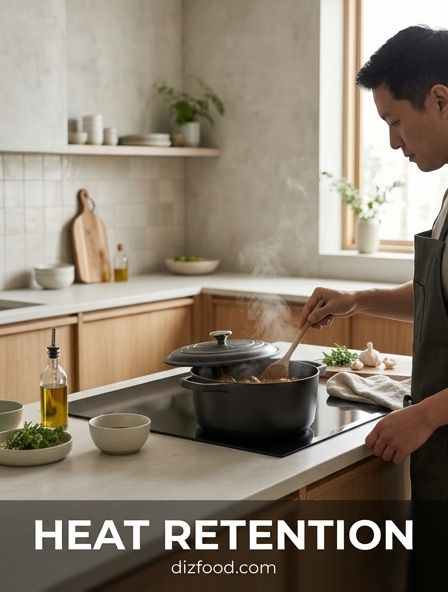
Maintaining the integrity of a dish begins long before the first ingredient touches the porcelain. In professional kitchens, preheating plates is a fundamental step to prevent the immediate thermal shock that occurs when hot food meets a cold surface. When high-temperature proteins or sauces are placed on room-temperature ceramic, the plate acts as a heat sink, rapidly drawing energy away from the food. This leads to premature cooling, which can alter the viscosity of sauces and the mouthfeel of fats.
- Dry Heat Cabinets: Holding plates at a constant 140°F to 160°F ensures a minimal temperature gradient during plating.
- Salamander Warming: Using residual heat from overhead broilers to temper plates just before service.
- Hot Water Baths: Submerging heat-stable vessels in a bain-marie for precise thermal regulation.
- Infrared Lamps: Utilizing localized radiant energy to maintain surface temperatures at the pass.
By narrowing the delta between the food and its vessel, chefs ensure that the kinetic energy of the meal is preserved for the diner, rather than being dissipated into the atmosphere or the plate's substrate.
Thermal Shock Prevention in Ceramics
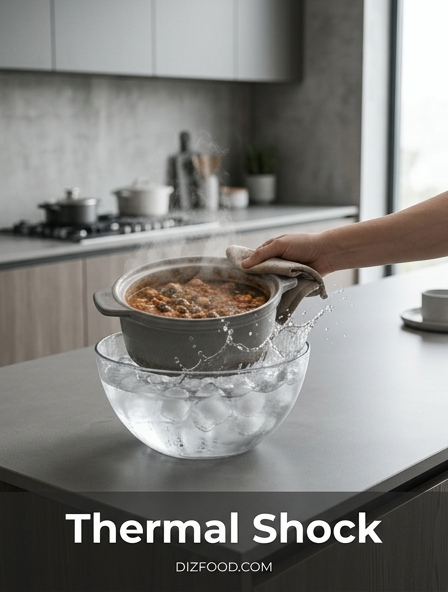
Ceramic dinnerware is susceptible to structural failure when exposed to rapid temperature fluctuations, a phenomenon known as thermal shock. This occurs when uneven expansion or contraction creates internal stress exceeding the material's tensile strength. To prevent cracking or "crazing" of the glaze, kitchen staff must manage the transition between storage, heating, and cleaning environments. Sudden exposure to cold water immediately after a high-heat cycle in a dishwasher or oven is the most common cause of catastrophic failure.
- Avoid moving plates directly from a walk-in refrigerator to a high-heat salamander.
- Allow heated plates to air-cool naturally before introducing them to the sanitation cycle.
- Use vitrified stoneware or reinforced porcelain, which offer better resistance to thermal expansion.
- Check for micro-fissures regularly, as these act as stress concentrators during temperature shifts.
Proper management of these materials not only extends the lifespan of the inventory but also ensures guest safety. A plate under high thermal stress can shatter unexpectedly, turning a refined dining experience into a liability. Understanding the coefficient of thermal expansion for different ceramic bodies allows for better operational choices.
Material Selection for Temperature Control
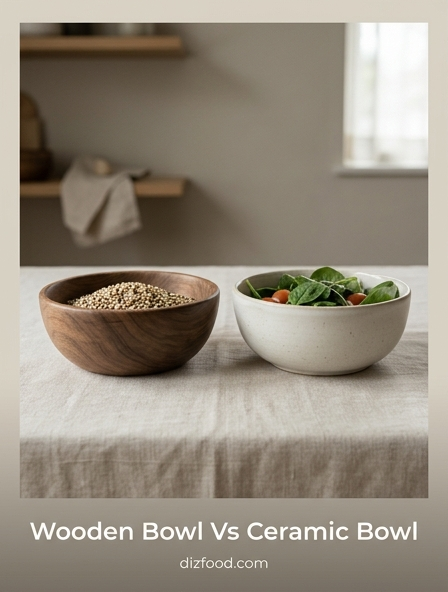
The choice of material for serving vessels dictates how heat is transferred and retained throughout the duration of a meal. Different materials possess varying degrees of thermal conductivity and heat capacity. For instance, metals like copper and aluminum transfer heat quickly but lose it just as fast, whereas materials like cast iron and thick-walled ceramic provide high thermal mass, acting as reservoirs that slowly release energy.
| Material | Thermal Conductivity | Heat Retention | Primary Use |
|---|---|---|---|
| Cast Iron | Medium | Excellent | Sizzling platters, slow roasts |
| Porcelain | Low | Moderate | Standard fine dining plating |
| Copper | Very High | Low | Tableside sauce service |
| Stoneware | Low | High | Rustic, long-form heat retention |
By matching the material to the specific culinary application, chefs can manipulate the rate of cooling. Heavy stoneware is ideal for stews and braises, while thin, delicate bone china is often reserved for courses intended for immediate consumption where heat retention is secondary to aesthetic lightness.
Layering Flavors Through Temperature Contrast
Thermal contrast is a sophisticated culinary technique that utilizes temperature as a structural element of flavor. When a hot component is paired with a cold one, the palate experiences a sensory "shock" that can highlight specific aromatic compounds and textures. However, this requires careful execution to prevent the hot element from melting the cold one prematurely, or the cold element from quenching the heat of the main protein.
- Hot/Cold Interaction: Placing a frozen granita over a warm fruit reduction creates a dynamic mouthfeel.
- Insulation Layers: Using fats or oils to act as a thermal barrier between contrasting temperatures.
- Flash Tempering: Briefly warming cold garnishes so they do not instantly lower the temperature of the primary sauce.
The success of temperature layering depends on the speed of consumption. The chef must anticipate how the dish evolves as it sits on the table. If the thermal shock is too aggressive, the textures may degrade into an unappealing lukewarm state, stripping the dish of its intended vibrancy and clarity of flavor.
Strategic Placement of Sauces and Emulsions
Sauces are the most thermally vulnerable components of a dish due to their high surface-area-to-volume ratio. When a sauce is spread thinly across a cold plate, it loses heat almost instantly, potentially causing emulsions to break or fats to congeal. Strategic placement is essential to maintain the desired viscosity and temperature from the pass to the guest. Utilizing the "thermal mass" of the main protein can help protect the sauce.
- Place sauces underneath the protein to trap heat between the meat and the plate.
- Use deep-welled plates to minimize the exposed surface area of liquid components.
- Apply sauces at the very last moment before the dish leaves the kitchen.
- Ensure the sauce itself is served at a higher temperature than the base to account for heat loss.
Furthermore, emulsions like Hollandaise or Beurre Blanc are particularly sensitive to thermal shock. If the plate is too hot, the emulsion may split; if it is too cold, the sauce will lose its velvet-like consistency. Precision in both vessel temperature and placement is required to keep these delicate liquids stable.
The Physics of Heat Distribution on the Plate
Heat distribution on a plate follows the laws of thermodynamics, specifically conduction and convection. Conduction occurs where the food physically touches the plate, while convection involves the air moving over the food's surface. A flat, wide plate increases the surface area for convection, leading to rapid cooling. Conversely, a bowl or a rimmed dish creates a micro-environment of trapped warm air, significantly slowing the cooling process.
The density of the food also plays a role; a dense piece of steak has more "thermal inertia" than a light pile of microgreens. When plating, chefs must consider the thermal center of the dish. Ingredients placed at the periphery will cool faster than those in the center. By clustering components, chefs can create a collective thermal mass that resists temperature drops. The material of the plate also dictates the rate of radial heat transfer-the movement of heat from the center toward the edges-which can affect the guest's perception of freshness as they work their way through the meal.
Maintaining Service Speed to Preserve Heat
In high-volume kitchens, the "pass" is the most critical area for thermal management. Every second a dish sits under heat lamps or on a stainless-steel counter contributes to the degradation of its thermal profile. While heat lamps prevent the top of the food from cooling, they do nothing to stop the plate from absorbing heat from the bottom of the food, nor do they prevent the drying out of delicate garnishes. Service speed is the ultimate defense against thermal shock.
- Expeditor Coordination: Ensuring runners are ready the moment the final garnish is applied.
- Staggered Plating: Finishing high-surface-area components last to maximize their heat upon arrival.
- Tray Management: Using lined trays to prevent cold metal from siphoning heat from the bottom of the plates.
- Clear Communication: Reducing the "dwell time" in the window through efficient kitchen-to-floor signaling.
When the workflow is optimized, the transition from the controlled environment of the kitchen to the ambient temperature of the dining room is seamless, ensuring the thermal intentions of the chef are realized by the diner.
Impact of Plate Temperature on Aromatics
Aromatics are highly volatile organic compounds that are released more efficiently as temperature increases. The temperature of the plate acts as a catalyst for the "bloom" of a dish's scent profile. When food is placed on a warm plate, the heat stimulates the release of these vapors, allowing them to reach the diner's olfactory receptors before the first bite. If a plate is too cold, these volatiles remain trapped within the fats and liquids of the food, resulting in a muted sensory experience.
This principle is especially important for dishes featuring herbs, spices, or infused oils. A warm plate ensures that the steam rising from the food carries these scents upward. However, there is a threshold; excessive heat can cause delicate aromatics to dissipate too quickly or even turn bitter. The goal is to reach a "thermal equilibrium" where the plate is warm enough to encourage volatility without scorching the ingredients. This balance is what creates the inviting "nose" of a well-prepared meal, setting the stage for the flavors to follow.
Essential Tools for Thermal Plating Precision
Achieving consistent thermal results requires more than just intuition; it requires specialized tools designed to monitor and maintain temperature. In modern gastronomy, precision is the hallmark of quality, and several instruments have become standard in the pursuit of thermal excellence. These tools allow for a scientific approach to plating that minimizes the risk of thermal shock and maximizes food safety.
| Tool | Function | Benefit |
|---|---|---|
| Infrared Thermometer | Non-contact surface reading | Ensures plates are at the ideal temp before plating |
| Induction Warmers | Localized magnetic heating | Maintains sauce temperature without scorching |
| Heated Pass Cabinets | Bulk vessel warming | Provides consistent starting temps for all dinnerware |
| Thermal Imaging Cameras | Heat map visualization | Identifies "cold spots" in plating workflows |
By integrating these tools into the daily routine, a kitchen can move beyond guesswork. Data-driven plating ensures that every guest receives a dish at its peak thermal state, regardless of the complexity of the service or the size of the party.
Maximizing Flavor Profiles Through Plate Science
The final stage of the culinary process is the interaction between the food, the plate, and the human palate. Thermal science dictates that our perception of sweetness, saltiness, and bitterness changes with temperature. For example, warm temperatures tend to enhance the perception of sweetness and umami, while suppressing bitterness. By controlling the plate's temperature, a chef can effectively "tune" the flavor profile of a dish to its most favorable setting.
- Fat Solubility: Warmth keeps animal fats in a liquid state, ensuring they coat the tongue and carry fat-soluble flavors.
- Enzymatic Activity: Certain foods continue to develop flavor as they sit in a warm environment.
- Palate Fatigue: Varying temperatures across different courses prevents the palate from becoming desensitized.
Ultimately, maximizing flavor profiles through plate science is about managing the rate of decay. All food begins to lose its peak qualities the moment it leaves the heat source. By applying the principles of thermal retention and preventing shock, the chef extends the "window of perfection," ensuring that the final bite is as impactful as the first.

Comments