
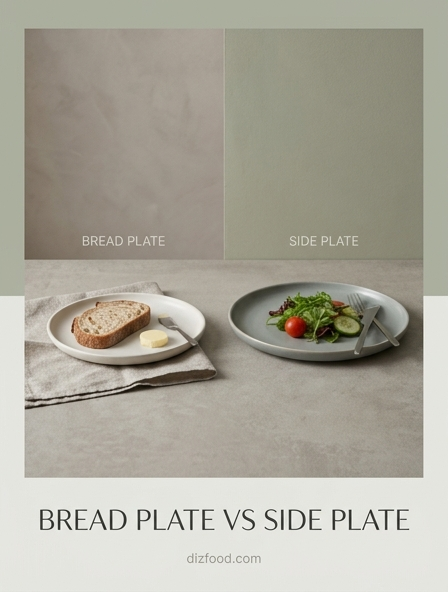
Navigating the nuances of formal dining often begins with a simple question: should you reach for the bread plate or the side plate? While they may appear interchangeable to the untrained eye, these two pieces of dinnerware serve distinct roles in proper table etiquette. A bread plate is a specialized, smaller vessel designed strictly for rolls and butter, traditionally perched to the upper left of the place setting. Conversely, the slightly larger side plate offers greater versatility, acting as a functional stage for salads, appetizers, or even desserts. Choosing the correct option depends on the formality of your meal and the specific courses being served, ensuring your table remains both organized and elegant.
| Feature | Bread Plate | Side Plate |
|---|---|---|
| Standard Diameter | 5 to 6 inches (13-15 cm) | 6 to 7.5 inches (15-19 cm) |
| Primary Placement | Top left, above the forks | Left of forks or centered for courses |
| Core Purpose | Bread, rolls, and butter only | Salads, starters, or side dishes |
| Typical Pairing | Butter spreader (placed diagonally) | Salad fork or appetizer cutlery |
| Dining Formality | Strict formal/fine dining etiquette | Versatile; casual to semi-formal |
| Table Presence | Remains throughout main courses | Often cleared after specific course |
Defining the Bread Plate and Side Plate
In the intricate world of culinary presentation and formal dining, the distinction between a bread plate and a side plate is foundational. A bread plate, often referred to as a butter plate, is specifically designed to hold a single roll or a few slices of bread along with a small portion of butter. It is one of the smallest components of a dinner service, crafted to ensure that crumbs and butter do not interfere with the main course. Its presence is a hallmark of formal dining, signaling a structured approach to the meal where every item has a dedicated vessel.
Conversely, a side plate serves a broader, more versatile role in both domestic and professional kitchens. While it can certainly accommodate bread, its primary identity is as a "catch-all" for supplementary dishes. This might include a small side salad, a selection of appetizers, or even a modest dessert. The side plate is the workhorse of the ceramic set, frequently used in casual settings for snacks or breakfast toast. Unlike the bread plate, which is strictly categorized by its singular purpose, the side plate adapts to the menu of the day, making it an essential item for any household regardless of the level of formality.
Understanding these definitions requires recognizing that while they share a similar silhouette, their intent differs. The bread plate is about precision and etiquette, while the side plate is about utility and flexibility. Both are integral to a complete dinnerware set, ensuring that the table remains organized and the dining experience is elevated through proper organization.
Size Comparison Between Bread and Side Plates
When observing a table set for a multi-course meal, the most immediate physical difference between bread and side plates is their diameter. Size is not merely an aesthetic choice but a functional requirement based on what the plate is expected to hold. Bread plates are intentionally petite, keeping the table from feeling cluttered while providing just enough surface area for a roll. Side plates are noticeably larger, offering the surface area required for varied food items that might include liquids, such as salad dressings or sauces.
| Feature | Bread Plate | Side Plate |
|---|---|---|
| Average Diameter | 5 to 6 inches | 6 to 9 inches |
| Surface Area | Minimal; compact | Moderate; expansive |
| Weight | Lightweight | Medium weight |
| Typical Usage | Formal rolls and butter | Salads, starters, or snacks |
The standard bread plate usually measures between 5 and 6 inches (13 to 15 cm) in diameter. This compact size allows it to fit neatly in the upper left corner of a place setting without encroaching on the glassware or the main dinner plate. In contrast, the side plate typically ranges from 6 to 8 inches, though some modern "oversized" sets may push this to 9 inches. This extra room is crucial for preventing food from spilling over the edges when a guest is enjoying a leafy salad or a piece of quiche. When stacking plates for storage, the size difference is clear, as the bread plate will sit comfortably within the circumference of the side plate.
Proper Table Placement for Bread vs Side Plates
Table geometry is a vital aspect of dining etiquette, and the placement of small plates follows strict traditional rules. For a formal setting, the bread plate has a very specific "home." It is always positioned to the left of the forks, above the napkin. If the table is crowded, it may be placed slightly higher, but its horizontal orientation remains consistent. This placement is part of the "BMW" rule-Bread, Meal, Water-which helps diners remember that their bread is on the left, their meal is in the middle, and their water glass is on the right.
The placement of a side plate can be more flexible depending on the course being served. If the side plate is being used for a salad that is served simultaneously with the main course, it usually sits to the left of the forks, essentially taking the spot of the bread plate. However, if it is used for an appetizer or a starter, it is often placed directly on top of the dinner plate or the charger before the main meal begins. In casual dining, the side plate might simply be placed wherever there is room, but in a structured environment, its location dictates the flow of the meal. If both a bread plate and a side plate are used simultaneously, the bread plate remains in the top left, while the side plate may be positioned slightly lower on the left or used as an accent piece within the center of the setting.
Primary Functions of a Traditional Bread Plate
The traditional bread plate is more than just a surface for carbohydrates; it serves several functional roles that maintain the cleanliness and flow of a formal meal. Its primary purpose is to provide a dedicated space for bread and rolls, ensuring that crumbs do not scatter across the tablecloth or into the diner's lap. By containing these small fragments, the bread plate preserves the pristine appearance of the dining environment throughout multiple courses.
Another critical function is to hold the butter and the butter spreader. In a formal setting, a small pat of butter is often placed on the edge of the bread plate rather than being passed around in a tub. The butter spreader, a small blunt-edged knife, is placed diagonally across the top of the plate. This keeps the butter away from the main course flavors, such as gravy or sauces, which might otherwise contaminate the bread. Furthermore, the bread plate acts as a boundary; it reminds the diner that bread is an accompaniment, not the main event. In many cultures, the presence of this plate also serves a social function, facilitating the communal act of sharing a bread basket while maintaining individual hygiene and portions. Without the bread plate, the structural integrity of a formal table setting would feel incomplete, leading to a disorganized and potentially messy dining experience.
Versatile Uses for Modern Side Plates
In the modern kitchen, the side plate has evolved into one of the most frequently utilized pieces of dinnerware. Its versatility stems from its mid-range size, which makes it suitable for various meal types throughout the day. While its name suggests it should stay to the side, it often takes center stage during informal gatherings or specific meal times where a full dinner plate would be cumbersome.
- Breakfast and Brunch: Ideal for serving toast, bagels, or a small omelet.
- Appetizers and Starters: Perfect for holding hors d'oeuvres, spring rolls, or bruschetta during a cocktail hour.
- Dessert Service: Often used for cakes, pies, or tarts that require more room than a saucer but less than a dinner plate.
- Healthy Portion Control: Frequently used by those looking to manage serving sizes for main meals like pasta or protein.
- Children's Meals: The smaller diameter is easier for children to manage, preventing food from getting lost on a large plate.
Beyond food, modern side plates are often used as "under-plates" for soup bowls or ramekins to catch drips. In contemporary dining, they also serve as shared plates in "tapas-style" meals, where multiple small dishes are placed in the center of the table and guests use side plates to sample different items. Their ability to transition from a morning toast plate to an evening dessert vessel makes them an indispensable asset for any home cook or entertainer.
Etiquette Rules for Using Small Tableware
Mastering the etiquette of small tableware is essential for navigating formal social situations with confidence. The bread plate, in particular, comes with a set of specific "unwritten" rules that dictate how a diner should interact with their food and utensils. These rules are designed to promote grace and minimize mess, ensuring that the dining experience remains pleasant for everyone at the table.
- Breaking the Bread: Never use a knife to cut a roll. Instead, break off a small, bite-sized piece of bread using your fingers.
- Buttering Protocol: Only butter the specific piece you have just broken off. Do not butter the entire roll at once.
- Knife Placement: When not in use, the butter spreader should be placed across the top edge of the plate, with the blade facing inward toward the center.
- Shared Butter: If butter is served in a communal dish, transfer a portion to your plate first before applying it to your bread.
- Crumb Management: Keep all crumbs on the plate; avoid brushing them onto the table or floor.
When using a side plate for a salad or appetizer, the rules shift slightly. You should use the appropriate cutlery-usually the outermost fork-and maintain the plate's position on the left. If the side plate is cleared, your cutlery should be placed on the plate to signal to the server that you have finished. Adhering to these small details demonstrates respect for the host and the culinary tradition, turning a simple meal into a sophisticated event.
Key Differences in Diameter and Dimensions
The technical specifications of bread and side plates are often standardized by manufacturers to ensure consistency within a dinnerware collection. However, these dimensions can vary slightly between different styles, such as rimmed versus coupe plates. A rimmed plate has a distinct outer edge that frames the food, while a coupe plate is flat with a slight curve toward the edge. These design choices can affect the perceived size and the actual usable surface area of the plate.
Standard bread plates usually have a diameter of 15 cm (about 5.9 inches). This specific dimension is calculated to balance with a 27 cm dinner plate. Because the bread plate is meant to hold very little weight, it is often thinner and more delicate than other pieces. Side plates, however, are typically 18 cm to 22 cm (7 to 9 inches). This increase in diameter provides roughly 40% to 60% more surface area than a bread plate. This extra space is vital for "wet" foods like dressed salads or appetizers with dips. Furthermore, the height of the rim on a side plate is often slightly more pronounced to prevent sauces from spilling. When shopping for a set, it is important to measure your storage space and dishwasher clearance, as some modern "lifestyle" side plates are becoming increasingly large, nearly mimicking the lunch plates of previous generations. Understanding these dimensions helps in choosing a set that is both functional for your menu and proportional to your table size.
Can You Use a Side Plate for Bread
One of the most common questions in modern table setting is whether a side plate can be substituted for a bread plate. The short answer is yes, especially in casual or contemporary dining environments. In many homes, owning two separate sets of small plates is seen as redundant. A side plate is perfectly capable of holding a roll and a butter spreader, and for most family dinners, it provides a generous amount of space that guests may actually prefer.
However, there are nuances to consider when making this substitution. In a formal setting, using a side plate for bread can be seen as a minor faux pas because it disrupts the visual balance of the table. A side plate is larger and may look disproportionate when placed in the traditional "top-left" bread position, potentially interfering with the wine glasses or the neighbor's setting. Additionally, if the meal includes a separate salad course, you may find yourself lacking enough plates if you have used your side plates for bread. If you choose to use side plates for bread, it is best to ensure the rest of the table setting is equally relaxed. For example, in a rustic or farmhouse style meal, a larger side plate fits the "hearty" aesthetic perfectly. Ultimately, the choice depends on the level of formality you wish to convey; while the side plate is a versatile substitute, the dedicated bread plate remains the gold standard for traditional elegance.
Formal Table Settings and Plate Layouts
A formal table layout is a geographic map of the meal to come, where the bread plate and side plate play specific roles in the visual harmony. In a traditional five-course service, the layout is designed for efficiency and aesthetics. The dinner plate sits at the center of the setting, acting as the anchor. To its left are the forks, and to its right are the knives and spoons. The bread plate is always placed at the 10 o'clock or 11 o'clock position relative to the dinner plate.
The side plate's role in a formal layout is often temporal. It may not be on the table when guests sit down. Instead, it is brought out for specific courses. For instance, if a salad is served after the appetizer but before the main course, the side plate is placed in front of the guest at that time. In some European traditions, the salad is served after the main course, meaning the side plate appears later in the sequence. It is also common to see a side plate used as a base for a soup bowl or a seafood cocktail glass. This "stacking" method adds height and dimension to the table. The interaction between these plates-the small, permanent bread plate and the transient, multi-functional side plate-creates a dynamic dining environment. Proper alignment ensures that even with multiple pieces of silverware and various plates, the guest never feels cramped or confused about which item belongs to them.
Choosing the Right Plate for Your Dinnerware Set
When investing in a new dinnerware set, deciding between bread plates, side plates, or both depends on your lifestyle and entertaining habits. For those who frequently host formal dinner parties or holiday meals, having a dedicated set of bread plates is highly recommended. They complete the "professional" look of a table and are specifically scaled to fit into complex place settings. However, for those with limited cabinet space or a more casual approach to dining, a high-quality set of side plates may be the more practical investment.
Consider the following factors when making your selection:
- Material: Bone china is elegant and durable for formal bread plates, while stoneware is excellent for versatile, everyday side plates.
- Shape: Round plates are traditional, but square or organic shapes can add a modern flair to your side dishes.
- Frequency of Use: If you eat many small meals or snacks, prioritize a larger number of side plates.
- Storage: Ensure that the diameter of the side plates fits comfortably in your kitchen cupboards and dishwasher racks.
Ultimately, the best choice is one that reflects how you actually eat. Many modern "open-stock" collections allow you to buy exactly what you need. You might choose twelve side plates for their versatility and only six bread plates for those occasions when you want to pull out all the stops for a formal evening. By matching the style and material to your existing dinner plates, you can create a cohesive look that works for everything from a quick Tuesday morning toast to a multi-course Saturday night celebration.

Comments