
Essential Side Plate Dimensions for Versatile Dining
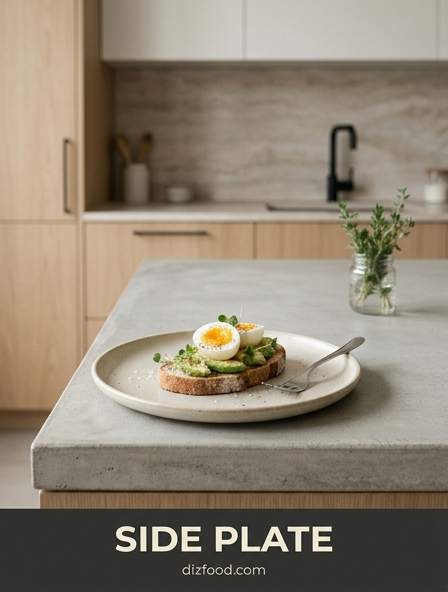
The side plate, often referred to as the salad or dessert plate, is a fundamental component of any comprehensive dinnerware set. Typically measuring between 6 and 8 inches in diameter, these plates are engineered to accommodate supplementary portions without overcrowding the primary dining surface. Selecting the appropriate size depends largely on the intended culinary application and the scale of the existing dinner plates. A 6-inch plate is ideal for bread and butter service, while a slightly larger 7.5-inch plate provides the necessary surface area for complex appetizers or side salads.
| Plate Type | Standard Diameter | Primary Use |
|---|---|---|
| Small Side Plate | 6 - 6.5 inches | Bread and butter, condiments |
| Standard Side Plate | 7 - 7.5 inches | Salads, appetizers, desserts |
| Large Side Plate | 8 inches | Small meals, brunch, tapas |
Understanding these dimensions ensures that the table remains uncluttered while providing guests with sufficient space for their food. When plates are too small, sauces may overflow, whereas overly large plates can make a portion look meager. Achieving the correct balance is essential for both aesthetic appeal and practical functionality during multi-course meals.
Material Matters: Ceramic, Glass, and Wood Options
The choice of material for a side plate dictates not only its visual impact but also its durability and heat retention properties. Ceramic remains the most popular choice due to its versatility and wide range of finishes. Within the ceramic category, bone china offers a delicate, translucent appearance while remaining surprisingly resilient. Stoneware provides a more rustic, artisanal feel and is generally safer for heavy daily use in high-traffic kitchens. Each material brings a unique texture to the table setting, influencing the overall mood of the meal.
- Porcelain: Known for its strength and classic white finish, ideal for formal gatherings.
- Tempered Glass: Offers a modern, clean aesthetic and is highly resistant to thermal shock and chipping.
- Natural Wood: Perfect for serving dry items like bread or cheese, adding warmth and organic texture.
- Melamine: A lightweight, shatterproof option best suited for outdoor dining or casual family settings.
When selecting materials, consider the maintenance requirements. While glass and porcelain are typically dishwasher safe, wooden side plates require hand washing and occasional oiling to prevent cracking. The material should complement the main dinnerware while standing up to the specific demands of the foods being served, such as acidic dressings or high-heat appetizers.
The Art of Plating Small Garden Salads
Plating a garden salad on a side plate requires a keen eye for verticality and color distribution. Because the surface area is limited, building the salad upward rather than outward creates a more sophisticated and appetizing presentation. Start with a base of crisp greens, ensuring they are thoroughly dried to prevent dressing from pooling at the bottom. Use the center of the plate as the focal point, layering vibrant vegetables like julienned carrots, sliced radishes, or cherry tomatoes to create a contrast against the green foliage. This technique ensures that every ingredient is visible and accessible.
Texture also plays a critical role in the success of a side salad. Incorporating seeds, nuts, or microgreens on the top layer adds a finishing touch that elevates the dish from a simple side to a culinary highlight. Be mindful of the plate's rim; keeping a clear margin around the edge of the food frames the salad and prevents the presentation from looking cramped. A light drizzle of vinaigrette should be applied just before serving to maintain the structural integrity of the leaves, ensuring the salad remains vibrant throughout the course.
Strategic Placement in Formal Table Settings
In formal dining etiquette, the placement of the side plate is non-negotiable and serves to streamline the flow of the meal. Traditionally, the side plate-specifically the bread and butter plate-is positioned to the left of the main dinner plate, situated just above the forks. This specific location prevents confusion between guests and ensures that the right side of the setting remains clear for glassware and knives. Adhering to these placement rules creates a symmetrical and organized table that facilitates ease of movement for the diner.
- Position the side plate approximately one inch above the tines of the dinner fork.
- If using a butter spreader, place it diagonally across the top right of the plate.
- Ensure the plate is aligned horizontally with the top edge of the main service plate.
- Maintain consistent spacing between the side plate and the adjacent cutlery to avoid a cluttered look.
For multi-course meals where a salad is served separately, the side plate may be swapped out or positioned centrally on the dinner plate before the main course arrives. Proper alignment not only reflects a high standard of hospitality but also provides the guest with a predictable and comfortable environment for enjoying their meal.
Elevating Appetizer Presentation on Small Surfaces
Side plates are the perfect canvas for showcasing intricate appetizers and hors d'oeuvres. The limited space encourages a minimalist approach, where each component of the dish must be intentionally placed. When serving small bites, such as seared scallops or bruschetta, using negative space effectively can make the food appear more elegant. A single, well-placed garnish or a strategic swipe of sauce can transform a simple appetizer into a gourmet experience. The goal is to highlight the quality of the ingredients through clean lines and balanced proportions.
Consider the shape of the side plate when designing the presentation. Round plates lend themselves to concentric arrangements, while square or rectangular side plates are ideal for linear compositions. For shared appetizers, using a side plate as an individual tasting vessel allows guests to enjoy a variety of flavors without mixing them on a larger plate. This individual focus enhances the perception of flavor and allows for more delicate garnishing techniques that might otherwise be lost on a crowded main dish. By treating the side plate as a primary stage, the initial course sets a high tone for the rest of the meal.
The Functional Role of Bread and Butter Plates
While often overlooked, the bread and butter plate performs a vital functional role in the kitchen and dining room. Its primary purpose is to provide a dedicated space for rolls, sliced bread, and accompanying spreads, which prevents crumbs and oils from contaminating the main course or the tablecloth. This separation of flavors is particularly important when serving breads with strong profiles, such as garlic knots or sourdough, which might otherwise clash with a delicate main entrée. The plate acts as a buffer, maintaining the integrity of each individual component of the meal.
Beyond cleanliness, the bread and butter plate also serves as a station for the butter knife or spreader. By providing a specific rest for these utensils, the table remains orderly and the risk of staining linens is significantly reduced. In casual settings, these plates are often used for small snacks or as a resting place for tea bags and spoons, proving their versatility beyond formal bread service. Their compact size makes them easy to handle and quick to clean, making them one of the most frequently used items in a standard dinnerware collection.
Temperature Considerations for Chilled and Warm Starters
The thermal properties of a side plate can significantly impact the quality of the food served upon it. For chilled starters, such as shrimp cocktail or cold gazpacho, pre-chilling the side plates in the refrigerator for twenty minutes can help maintain the dish's ideal temperature. This prevents the food from warming up too quickly as it sits on the table, preserving the crispness and refreshing nature of the ingredients. Conversely, warm appetizers benefit from plates that have been slightly heated in a warming drawer, ensuring that the first bite is as hot as the last.
| Food Type | Ideal Plate Temp | Benefit |
|---|---|---|
| Cold Salads | 35°F - 40°F | Maintains crispness and freshness |
| Warm Appetizers | 100°F - 110°F | Prevents rapid cooling of fats/sauces |
| Room Temp Bread | 65°F - 75°F | No impact on texture or crust |
When heating plates, it is crucial to ensure they are made of oven-safe materials to avoid cracking or "crazing" of the glaze. Temperature management is a subtle but effective way to enhance the dining experience, showing a high level of attention to detail that guests will appreciate. It ensures that the culinary effort put into the preparation is not lost during the transition from kitchen to table.
Visual Balance Between Main and Side Dishware
Achieving visual harmony between main and side dishware is a key element of successful table design. The side plate should act as a supporting character, complementing the aesthetic of the dinner plate without competing for attention. If the main plates feature bold patterns or vibrant colors, selecting side plates in a neutral or solid tone can ground the setting. Alternatively, using a side plate with a subtle texture or a contrasting rim can add depth to a monochromatic table arrangement. This interplay of design elements creates a cohesive look that feels curated rather than accidental.
Proportion is another critical factor in visual balance. A side plate that is too large can dwarf the main course, while one that is too small may appear insignificant. Designers often recommend maintaining a consistent shape across all pieces-using all round or all square plates-to provide a sense of continuity. However, mixing shapes can be effective if the color palette remains unified. By carefully considering how the side plate interacts with the larger pieces, one can create a sophisticated table landscape that enhances the overall atmosphere of the dining room.
Space Saving Benefits of Stackable Side Plates
In modern kitchens where storage space is often at a premium, the design of side plates plays a crucial role in organization. Stackable side plates are engineered with a uniform base and rim, allowing them to nest securely on top of one another. This vertical storage capability significantly reduces the footprint within cabinets and drawers, making it possible to store a dozen plates in the space typically occupied by only a few. For commercial kitchens or households that entertain frequently, this efficiency is indispensable for maintaining an orderly workspace.
- Reduces the risk of tipping and breakage in high stacks.
- Maximizes shelf height in narrow kitchen cabinets.
- Facilitates easier transport from storage to the dining area.
- Protects the center of the plate from scratches by minimizing contact.
When purchasing new side plates, look for "low-profile" designs that stack tightly without excessive gaps. Some contemporary designs even feature a recessed base that "locks" into the plate below, providing extra stability. This functional focus does not require a sacrifice in style, as many high-end dinnerware brands now prioritize stackability in their premium collections to meet the needs of urban living and minimalist kitchen aesthetics.
Cleaning and Storage Best Practices for Delicate Pieces
Maintaining the pristine condition of side plates, especially those with intricate designs or delicate materials, requires specific care routines. While many modern ceramic plates are dishwasher safe, high-heat cycles and abrasive detergents can dull the glaze over time. For plates featuring gold or silver rims, hand washing with a mild liquid soap is the safest method to prevent the metallic accents from flaking. Using a soft sponge rather than a scouring pad will ensure the surface remains free of fine scratches, preserving the reflective quality of the finish.
Storage is equally important for long-term preservation. When stacking delicate side plates, placing a felt or foam protector between each piece prevents the unglazed "foot" of one plate from scratching the surface of the one below. Avoid over-stacking, as the weight of too many plates can put undue pressure on the bottom pieces, leading to hairline fractures. For rare or heirloom sets, consider storing them in specialized padded containers that provide a dust-free environment and protection against accidental impacts. These simple steps ensure that your side plates remain a beautiful and functional part of your kitchen for years to come.

Comments