
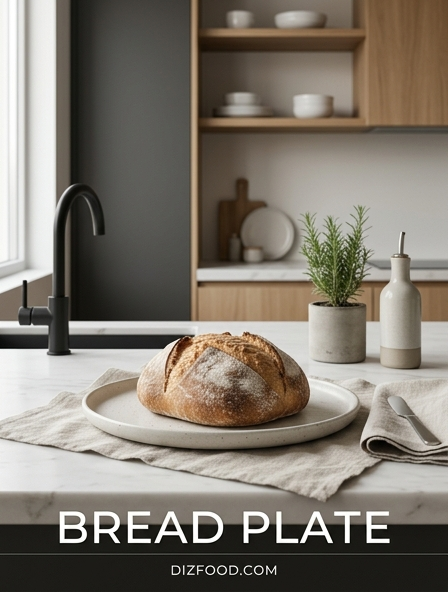
Standard Bread Plate Dimensions
The standard bread plate, often referred to in professional culinary circles as the "B&B" (bread and butter) plate, is characterized by its compact diameter designed to save space while serving a specific function. Typically, these plates measure between 5 and 7 inches in diameter. The variation in size often depends on the formality of the service and the specific design language of the dinnerware collection. In most American households, a 6-inch diameter is the gold standard, providing enough surface area for a single dinner roll and a small portion of butter without crowding the main course. In commercial kitchen settings, consistent dimensions are vital for stacking and storage efficiency. Selecting the right size ensures that the table does not appear cluttered, particularly when multiple wine glasses and various pieces of cutlery are present. Below is a comparison of typical plate dimensions used in standard table settings:
| Plate Type | Standard Diameter | Primary Use |
|---|---|---|
| Bread Plate | 5 - 7 inches | Bread, rolls, and butter |
| Salad Plate | 7 - 8.5 inches | Appetizers and salads |
| Dinner Plate | 10 - 12 inches | Main course entrees |
Formal Left Side Placement
In the architecture of a formal table setting, the placement of the bread plate is strictly governed by tradition and functional flow. The plate must always be situated to the left of the guest's primary setting. Specifically, it is positioned just above the tines of the dinner and salad forks. This placement is not arbitrary; it prevents the diner from inadvertently using their neighbor's bread plate and maintains a clear path for the waitstaff to serve and clear dishes. Proper alignment ensures that the left side of the "cover"-the space occupied by one person-remains organized. When setting a table, one should use the forks as a vertical guide. The bread plate should ideally be centered above the leftmost fork, though slight shifts upward or to the side are permissible depending on the available real estate. Maintaining this standard is essential for the following reasons:
- Prevents confusion between individual bread portions and communal baskets.
- Optimizes the reach for the diner, as bread is typically held with the left hand.
- Creates a visual anchor that balances the glassware located on the upper right side.
- Facilitates a streamlined service flow for multi-course fine dining experiences.
Butter Knife Alignment Guidelines
The butter knife, or spreader, is the essential companion to the bread plate, and its orientation is a subtle but significant detail in formal etiquette. Unlike the primary dinner knife, the spreader is placed directly on the bread plate rather than on the tablecloth. The placement usually follows a specific geometric rule to ensure both aesthetic appeal and ease of use for the guest. The handle should point toward the diner, making it easy to grasp. Most commonly, the knife is laid horizontally across the top third of the plate, with the blade facing downward toward the center of the plate. Alternatively, a diagonal placement is often seen in modern settings. To achieve a professional look, follow these specific alignment steps:
- Place the bread plate approximately one inch above the forks.
- Lay the butter spreader across the upper diameter of the plate.
- Ensure the cutting edge of the blade faces toward the diner or the plate's center.
- Align the handle to the right side if the knife is horizontal, facilitating a right-handed grip.
Coordinating Material and Style
When selecting bread plates for a kitchen or dining room, the material and style must harmonize with the broader aesthetic of the dinnerware. While many choose to purchase a complete set where the bread plate matches the dinner and salad plates exactly, interior designers often suggest using the bread plate as a "style accent." For instance, a textured glass bread plate can provide a sophisticated contrast against matte ceramic dinner plates. The choice of material also dictates the plate's durability and heat retention. Bone china is favored for high-end formal events due to its translucency and strength, whereas stoneware is better suited for rustic or casual environments where a more substantial feel is desired. Beyond the material, the "rim" of the plate plays a role; a wide-rimmed plate looks more traditional, while a "coupe" style-which lacks a flat rim-offers a sleek, contemporary silhouette. Ultimately, the bread plate should feel like a deliberate part of the table's narrative, whether through matching patterns or complementary color palettes that tie the centerpieces and linens together into a cohesive visual experience.
Traditional Sizing for Fine Dining
In the realm of haute cuisine and professional hospitality, the sizing of the bread plate is a precise science. While domestic plates may vary wildly, fine dining establishments typically adhere to a strict 6-inch or 15-centimeter standard. This specific size is preferred because it accommodates a standard artisanal roll or a slice of sourdough without the bread overlapping the edges, which would be considered a presentation flaw. Furthermore, the small footprint of the 6-inch plate allows for the inclusion of multiple stemware pieces-such as water, red wine, and white wine glasses-on the opposite side of the setting without making the table feel cramped. The traditional sizing also serves a portion-control function, ensuring that the bread service remains an accompaniment rather than a filling distraction from the chef's main courses. When auditing a kitchen's inventory for formal events, consistency is key; every plate must be identical in diameter to maintain the visual rhythm of the table. This uniformity is what distinguishes a professional service from a casual gathering, emphasizing the importance of standard measurements in luxury dining contexts.
The Geometry of Table Settings
Table setting is an exercise in applied geometry, where every object acts as a point or line in a larger composition. The bread plate serves as a crucial anchor point in the upper-left quadrant of the diner's personal space. To master this geometry, one must consider the imaginary "base line" of the table setting, which is usually one inch from the edge of the table. While the forks and dinner plate sit on this base line, the bread plate is positioned on a secondary, higher horizontal plane. This creates a tiered effect that is visually pleasing and functionally sound. The distance between the bread plate and the dinner plate should be consistent across all covers to ensure the table looks balanced from a distance. If the table is circular, the bread plates should be angled slightly to follow the curve of the table's perimeter, maintaining a uniform distance from the center. This attention to spatial relationships prevents the setting from looking cluttered or haphazard, instead conveying a sense of order and intentionality that enhances the overall dining atmosphere.
Positioning Relative to Stemware
Understanding the relationship between the bread plate and stemware is vital for achieving a balanced table. In a standard European or American setting, the bread plate sits on the upper left, while the glassware is clustered on the upper right. This diagonal relationship creates a visual "X" across the dinner plate, which anchors the setting. The water goblet is usually placed directly above the dinner knife, and the bread plate should be positioned at a similar height on the opposite side. This creates a horizontal axis that runs through the upper portion of the setting. If the bread plate is placed too high or too low, it disrupts this axis and makes the table appear lopsided. Furthermore, in cramped seating arrangements, the bread plate must be positioned carefully so it does not interfere with the guest to the left. The goal is to create a "cockpit" of service where the guest can access their bread and their wine without having to lean significantly in either direction. This spatial harmony is the hallmark of professional table service and contributes to a comfortable, high-end guest experience.
Bread Plate Etiquette Essentials
Mastering the use of the bread plate is a hallmark of refined dining etiquette. The plate is not merely a storage area for bread; it is a dedicated workspace for preparing small bites throughout the meal. According to traditional rules, bread should never be bitten directly from the whole roll. Instead, it should be broken into small, bite-sized pieces over the bread plate to catch any falling crumbs. Each piece is then buttered individually just before it is consumed. This prevents the messy appearance of a fully buttered roll and keeps the dining process neat. Additionally, the bread plate should remain in its designated spot throughout the meal, even after the bread course is finished, until the table is cleared for dessert. Proper etiquette also dictates how the plate is interacted with during service:
- Never use the bread plate for anything other than bread, butter, or small appetizers like olives.
- Pass the bread basket to the right, but place your own piece on the plate immediately.
- Keep the butter spreader on the plate when not in use, never leaning it against other dishes.
- Wait until everyone is served before breaking your first piece of bread.
Selecting Elegant Bread Services
Selecting the right bread service involves more than just picking a plate; it is about choosing the entire presentation of the bread course. For an elegant kitchen or dining room, one might consider "bread service sets" that include coordinated butter ramekins or small marble slabs for salted butter. The aesthetic of the plate should reflect the level of the meal. For a minimalist, modern look, choose a flat "disc" plate with no rim and a high-gloss finish. For a more traditional or Victorian-inspired table, look for plates with scalloped edges or intricate gold filigree. The weight of the plate also matters; a heavier plate feels more substantial and luxurious, while a very light plate might feel disposable or cheap. When sourcing these items, it is often wise to buy in sets of twelve to ensure you have enough for larger gatherings, as bread plates are the items most likely to be misplaced or chipped during the cleaning process. An elegant selection serves as a quiet testament to the host's attention to detail, elevating a simple pre-dinner snack into a curated culinary event.
Mastering Table Symmetry Standards
Symmetry is the secret ingredient of a beautiful table, and the bread plate plays a vital role in achieving it. When looking down a long banquet table, the bread plates should form a perfectly straight line, mirroring the line created by the glassware on the opposite side. This "linear precision" is what gives high-end events their polished, professional look. To achieve this, some service professionals use a measuring tape or a "template" plate to mark the exact spot for each bread plate. Symmetry is not just about the plates themselves, but also about the orientation of the butter knives. If one knife is diagonal, every knife on the table must be diagonal at the exact same angle. This level of detail might seem excessive, but it creates a subconscious sense of calm and order for the guests. Consider the following elements when checking for symmetry:
- Consistent distance from the forks to the edge of the plate.
- Uniform angle of the butter spreader across all settings.
- Alignment of the plate's pattern (if any) to face the diner directly.
- Parallel positioning relative to the charger or dinner plate.




Comments