
Understanding Charger Plates as a Table Foundation
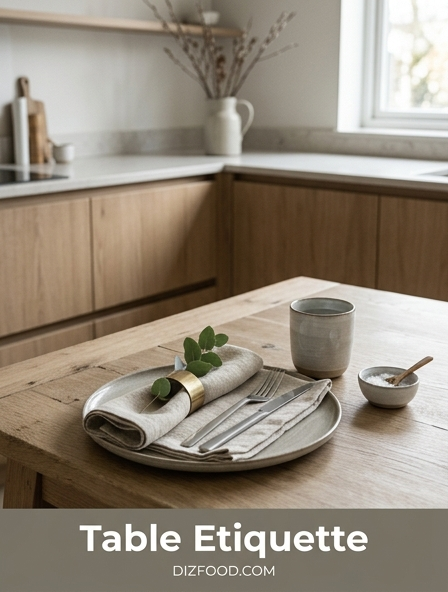
The charger plate, often referred to as a service plate or underplate, serves as the decorative cornerstone of a formal table setting. Measuring approximately 12 to 14 inches in diameter, these oversized plates are not intended for direct food contact. Instead, they act as a visual anchor for the subsequent courses, protecting the tablecloth from heat and accidental spills while adding a layer of sophisticated texture or color to the landscape.
- Chargers remain on the table throughout the appetizer and soup courses.
- They are traditionally removed immediately before the main entree is served.
- Etiquette dictates that food should never be placed directly onto the surface of the charger.
When selecting a charger, the material should complement the overall theme of the event. While metallic finishes like gold or silver are popular for weddings, wooden or woven chargers are better suited for rustic kitchen gatherings. Ensuring a one-inch clearance from the edge of the table helps maintain a balanced look, allowing the guest to feel grounded and comfortable throughout the progression of the meal.
Proper Sizing for Salad and Appetizer Plates
In the hierarchy of kitchenware, salad and appetizer plates occupy a middle ground that requires careful selection based on the menu. While often used interchangeably, subtle differences in diameter can impact the presentation of the first course. A salad plate is typically 7 to 8 inches wide, providing enough surface area for greens to be tossed without spilling over the rim, whereas an appetizer plate may be slightly smaller.
| Plate Type | Standard Diameter | Primary Function |
|---|---|---|
| Appetizer | 6 - 7 inches | Small bites, hors d'oeuvres |
| Salad | 7 - 8.5 inches | Fresh greens, fruit courses |
| Side Dish | 5 - 6 inches | Specialized accompaniments |
Proper etiquette involves placing these plates directly centered on the charger or the dinner plate if the salad is served first. If the salad is served alongside the main course, the plate should be positioned to the left of the forks. Understanding these dimensions ensures that the table does not become overly crowded, maintaining a clean aesthetic for the diners.
Soup Bowls and the Role of Underplates
Serving soup requires more than just a bowl; it necessitates a structured layering approach to prevent heat transfer and dripping. The soup bowl, whether it features handles (a bouillon cup) or a wide rim (a traditional soup plate), should always be accompanied by an underplate. This secondary plate, often a small salad or dessert plate, provides a resting place for the spoon when the guest is finished or taking a pause.
- Place the underplate centered on the charger or directly on the tablecloth.
- Set the soup bowl firmly in the center of the underplate to avoid sliding.
- Position the soup spoon to the far right of the knife set.
When the course is finished, the guest should leave the spoon resting in the bowl or on the underplate, depending on the bowl's depth. The underplate also facilitates the server's job, allowing them to remove the liquid course without touching the heated bowl or risking a spill. This layer adds a level of safety and refinement that is essential in any formal kitchen setting.
Centering the Dinner Plate for the Main Course
The dinner plate is the protagonist of the meal, typically measuring between 10 and 11 inches. Its placement is the most critical aspect of table symmetry. Etiquette guidelines suggest that the dinner plate should be placed exactly one inch from the edge of the table, aligned perfectly with the guest's chair. This standard ensures that the diner has ample room for their hands and cutlery without feeling cramped against the table's edge.
If a charger plate was used for the preliminary courses, it is removed to make way for the dinner plate. The main course plate should be brought to the table pre-warmed if the food is hot, as this preserves the integrity of the chef's work. Centering is not merely about the plate itself; it involves aligning the plate with the mid-point of the silverware on both sides. A perfectly centered plate creates a sense of order and readiness, signaling to the guest that the most substantial part of the dining experience is about to begin. Maintaining this focus reflects the host's attention to detail.
The Strategic Placement of Bread and Butter Plates
Often overlooked, the bread and butter plate plays a vital role in keeping the main dinner plate uncluttered. Following the "BMW" rule (Bread, Meal, Water), the bread plate is always located to the left of the main setting. Specifically, it should be placed above the forks, at approximately the ten o'clock position relative to the dinner plate. This allows the guest to easily access their roll without reaching across their main dish.
- The plate usually measures 5 to 6 inches in diameter.
- A small butter spreader is placed horizontally or diagonally across the top of the plate.
- The blade of the butter knife should always face downward or toward the diner.
This strategic placement prevents crumbs from migrating onto the tablecloth or the main course. When butter is served individually, it is placed on this plate rather than being shared from a communal dish. By adhering to these placement rules, the table remains organized, and the guest's dining movements remain fluid and natural throughout the meal.
Differentiating Dessert Plates from Side Dishes
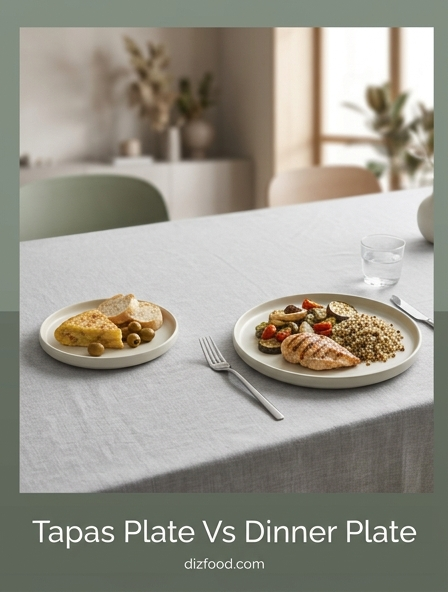
Distinguishing between a dessert plate and a side dish plate is essential for maintaining proper table flow. While they may appear similar in size, their usage and timing are distinct. A side dish plate is intended for savory accompaniments, such as vegetables or grains, and is often placed to the left of the dinner plate or even brought out alongside it. In contrast, the dessert plate is a transitional piece, brought to the table only after all savory courses and their respective dinnerware have been cleared.
Dessert plates often feature more ornate designs or vibrant patterns compared to the standard dinner set, signaling a shift in the meal's mood. They are roughly 7 to 8 inches in diameter, similar to a salad plate, but are often paired with specific dessert cutlery placed above the dinner plate at the start of the meal. Using a dedicated dessert plate ensures that the sweet flavors do not mingle with any residual savory sauces. This distinction highlights the importance of sequence in kitchen etiquette, where every plate serves a specific temporal purpose in the dining narrative.
Layering Techniques for Formal Multi Course Dining
Layering creates a vertical dimension that signifies a sophisticated dining experience. The process begins with the charger as the base, followed by a sequence of plates that are removed as each course concludes. This "tower" of porcelain provides a visual preview of the meal to come while keeping the table layout compact. The most common sequence involves stacking the dinner plate, followed by the salad plate, and finally the soup bowl on top.
- Bottom Layer: The decorative charger plate.
- Middle Layer: The dinner plate (if not being held for warming).
- Upper Layer: The salad or appetizer plate.
- Top Layer: The soup bowl with its underplate.
As the meal progresses, the server removes the top layer after each course. It is a breach of etiquette to have more than three layers stacked at any given time, as it can become unstable and visually overwhelming. This methodical removal ensures the guest always has a fresh surface while maintaining the structural integrity of the table setting. Proper layering is the hallmark of a well-executed formal dinner.
Plate Material and Style Coordination
The material of the plateware dictates the formality of the kitchen setting. Bone china and porcelain are the standard for formal occasions due to their durability and delicate, translucent appearance. In contrast, stoneware and earthenware offer a heavier, more opaque feel, making them ideal for casual family meals or rustic breakfast settings. Coordinating these styles requires a balance of color, texture, and weight.
| Material | Formality Level | Best Usage |
|---|---|---|
| Bone China | Very High | Weddings, Holiday Galas |
| Porcelain | High | Formal Dinner Parties |
| Stoneware | Moderate | Daily Use, Casual Hosting |
| Earthenware | Low | Outdoor Dining, Breakfast |
Mixing styles can be effective if a common theme, such as a color palette, links them together. For instance, pairing textured glass chargers with sleek white porcelain dinner plates creates a contemporary look. However, one should avoid mixing vastly different weights, such as a heavy stoneware bowl on a delicate china plate, as this can cause chipping and creates a disjointed tactile experience for the guest.
Handling and Clearing Plates with Grace
The movement of plates is just as important as their initial placement. To maintain a graceful atmosphere, plates should be served from the left side of the guest and cleared from the right. This universal standard prevents the server from bumping into the guest's dominant hand or interfering with their drinks. When clearing, it is essential to wait until every guest has finished the course before removing any plates, avoiding a rushed environment.
- Never stack plates in front of the guest; clear them one or two at a time.
- Hold plates by the rim or the underside to avoid leaving fingerprints on the eating surface.
- Minimize the sound of clinking porcelain by moving slowly and deliberately.
The "silent service" code involves the guest placing their cutlery in the "finished" position-parallel at the four o'clock angle-signaling the server to remove the plate. By following these subtle cues, the transition between courses remains seamless, allowing the conversation to flow without interruption from the mechanical aspects of the dining service.
Essential Guidelines for Special Occasion Plateware
Special occasion plateware often involves heirloom pieces or sets with precious metal accents, such as gold or platinum rims. These items require specific handling protocols to ensure their longevity. For instance, plates with metallic gilding should never be used in a microwave, as the metal will spark and damage the glaze. Before the event, it is wise to inspect each piece for chips or "crazing"-the tiny cracks that appear in the glaze over time.
To enhance the dining experience, plates can be warmed in a low-temperature oven or a dedicated plate warmer prior to serving the main course. This attention to detail prevents hot food from losing its temperature upon contact with cold ceramic. For storage, placing felt liners or paper napkins between stacked plates prevents surface scratches. During the meal, ensure that highly acidic foods, like lemons or vinegars, do not sit on delicate glazes for extended periods. By treating these pieces with care, the host honors both the guests and the history of the kitchenware, ensuring the set remains a centerpiece for future celebrations.


Comments