
Tired of finishing a deep kitchen clean only to find annoying streaks and lint left behind on your stainless steel and marble? When it comes to achieving a professional-grade, streak-free shine, the choice between microfiber cloths and paper towels is clear. While paper towels offer the allure of "grab-and-go" convenience, they often fail to actually lift grime, instead smearing residue across your surfaces and leaving behind tiny cellulose fibers. High-quality microfiber, however, features split-fiber technology that acts like a magnet for grease and moisture, locking them away to ensure a polished finish every time. Making the switch doesn't just elevate your kitchen's sparkle-it significantly reduces your household waste and saves you money in the long run.
| Feature | Microfiber Cloth | Standard Paper Towels |
|---|---|---|
| Cleaning Action | Split fibers lift and trap 99% of bacteria/dirt. | Cellulose fibers push dirt and smear liquids. |
| Finish Quality | Lint-free and 100% streak-free on glass/steel. | Leaves behind lint particles and hazy streaks. |
| Durability | Reusable; machine washable up to 500+ times. | Single-use; disintegrates when heavily wet. |
| Cost Efficiency | High ROI; pennies per use over its lifetime. | Recurring cost; average family spends $250+/year. |
| Eco-Impact | Low waste; reduces landfill contributions. | High waste; contributes to massive deforestation. |
| Best For | Polishing, heavy scrubbing, and disinfecting. | Quick liquid spills and greasy "one-off" messes. |
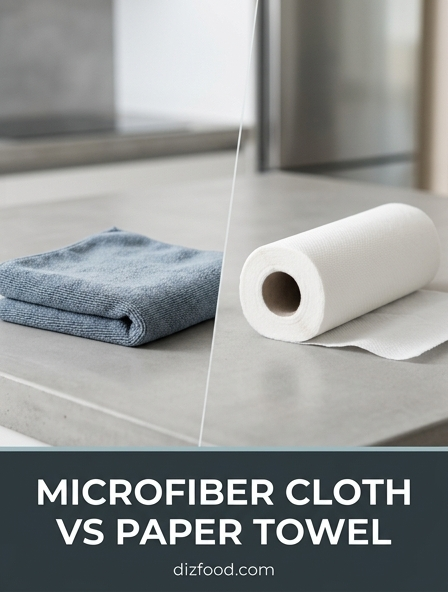
Microfiber Cloth vs Paper Towel Comparison
The debate between microfiber cloths and paper towels in the kitchen revolves around balancing convenience, performance, and environmental responsibility. Paper towels have long been the gold standard for quick cleanups due to their disposable nature and zero-maintenance requirement. They are ideal for picking up raw meat juices or cleaning up pet messes where immediate disposal is preferred to avoid cross-contamination. However, they are fundamentally single-use items that generate significant waste over time.
In contrast, microfiber cloths are engineered tools composed of millions of tiny synthetic fibers, typically a blend of polyester and polyamide. These fibers are split to create a massive surface area, allowing them to trap dust, grease, and moisture more effectively than paper. While they require laundering, their ability to be reused hundreds of times makes them a formidable opponent to the disposable model. The following table summarizes the primary differences between these two kitchen staples:
| Feature | Microfiber Cloth | Paper Towel |
|---|---|---|
| Material | Synthetic Polyester/Polyamide | Wood Pulp / Cellulose |
| Reusability | High (Up to 500 washes) | None (Single use) |
| Cleaning Power | High (Lifts and traps) | Moderate (Often smears) |
| Waste Production | Minimal | High |
While paper towels offer the "grab and go" advantage, microfiber cloths provide a deeper clean. Choosing between them often depends on the specific task at hand, such as whether you are performing a deep seasonal clean or simply wiping up a spilled glass of water.
Environmental Impact of Disposable Paper Towels
The environmental footprint of paper towels is staggering when analyzed on a global scale. In the United States alone, it is estimated that millions of tons of paper towel waste are sent to landfills annually. Because these towels are often contaminated with food waste or grease, they cannot be recycled, and their decomposition process in oxygen-poor landfills contributes to methane emissions. Furthermore, the production of these paper products is a resource-intensive process that demands vast amounts of water and timber.
The lifecycle of a paper towel begins with the harvesting of virgin wood pulp. This process often leads to deforestation, destroying habitats and reducing the Earth's natural ability to sequester carbon. Beyond the loss of trees, the manufacturing phase involves chemical bleaching processes-often using chlorine-to achieve the bright white color consumers expect. These chemicals can leach into water systems, harming aquatic ecosystems. Consider the following environmental costs associated with mass paper towel consumption:
- Deforestation of primary forests to satisfy consumer demand for softness and absorbency.
- High energy consumption during the pulping, drying, and shipping phases.
- Generation of non-biodegradable plastic packaging used to wrap multi-roll packs.
- Use a dry cloth for dusting surfaces to take advantage of the static charge.
- Use a damp cloth for cutting through grease and removing dried-on food.
- Fold the cloth into quarters to provide eight fresh cleaning surfaces before needing to rinse.
- Avoid using fabric softeners, as they coat the fibers and ruin their cleaning ability.
- Paper Towels: An average cost of $2.00 per roll, using 2 rolls per week, totals approximately $208.00 annually.
- Microfiber Cloths: A high-quality 12-pack costs roughly $20.00. Adding $10.00 for estimated laundering costs, the total is $30.00.
- Total Annual Savings: Approximately $178.00.
- Surface Tension: Microfiber breaks surface tension more effectively, allowing it to pick up spills faster.
- Toughness: You can apply significant pressure to a microfiber cloth to scrub a stain; a paper towel will likely disintegrate.
- Linting: Microfiber is virtually lint-free, whereas paper towels frequently leave white fibers behind, especially on dark surfaces.
- Dry Time: Microfiber cloths dry relatively quickly after use, reducing the window for odors to develop.
- Drastic reduction in landfill contributions over a five-year period.
- Lowered demand for timber harvesting and industrial pulp processing.
- Decreased chemical pollution in the home and local environment.
- Ability to repurpose old microfiber cloths as "garage rags" once they are too worn for the kitchen.
- Microfiber: Granite countertops, stainless steel fridges, windows, cabinet faces, and electronic touchscreens on appliances.
- Paper Towels: Greasy pans, raw meat prep areas, cleaning out the bottom of a trash can, and absorbing oil from fried foods.
- Hybrid Use: Using a paper towel for the initial "gross" wipe of a spill, followed by a microfiber cloth to sanitize and polish.
- Wash microfiber cloths separately from cotton towels to avoid lint transfer.
- Use a dedicated microfiber detergent or a clear, fragrance-free liquid detergent.
- Avoid bleach, as it can break down the synthetic fibers over time.
- Dry on low heat or air dry to maintain the fiber structure.
- For a deep clean, boil the cloths for 5 minutes once a month to kill embedded pathogens.
- Invest in a 24-pack of high-quality microfiber cloths in two different colors.
- Designate one color for "clean" tasks (dishes, counters) and one for "dirty" tasks (floors, under the sink).
- Keep a small laundry bin in the kitchen specifically for used cloths to ensure they are washed frequently.
- Reserve paper towels exclusively for raw meat spills and oil-heavy cleanups.
-
By relying heavily on disposables, households inadvertently contribute to a linear economy that prioritizes short-term convenience over long-term ecological health. Reducing paper towel usage is one of the most immediate ways a kitchen can lower its overall carbon footprint and reduce the volume of daily waste generated.
Cleaning Efficiency and Bacteria Removal
When it comes to the mechanical action of cleaning, microfiber cloths are scientifically superior to paper towels. The "micro" in microfiber refers to the fact that each fiber is roughly 1/100th the diameter of a human hair. These fibers are split during manufacturing to create a hook-like structure that physically grabs and holds onto particles. While a paper towel tends to push dirt and bacteria across a surface, microfiber actually lifts it away, trapping it within the fabric until it is laundered.
Studies have shown that high-quality microfiber can remove up to 99% of bacteria and viruses from a surface using only water. This is a significant advantage for those looking to reduce their reliance on harsh chemical cleaners in the kitchen. Paper towels, while absorbent, lack the structural intricacy to snag microscopic pathogens. They rely almost entirely on the chemical cleaner being used alongside them to disinfect a surface. To maximize efficiency with microfiber, consider the following methods:
For high-traffic kitchen areas like countertops and stovetops, the efficiency of microfiber translates to less time spent scrubbing and a cleaner finish without the lint or streaks often left behind by wood-pulp products. This makes them especially useful for modern kitchen finishes like granite and quartz.
Long Term Cost Savings of Reusable Cloths
While the initial purchase price of a pack of microfiber cloths is higher than a single roll of paper towels, the long-term financial benefits are substantial. A typical household might go through two or three rolls of paper towels a week, which can quickly add up to hundreds of dollars over the course of a year. Because paper towels are a recurring expense, they represent a "leaky faucet" in a household budget-a small but constant drain on resources that many people overlook.
In contrast, a set of 12 to 24 microfiber cloths can last for several years with proper care. Even when accounting for the cost of water and detergent to wash them, the savings remain significant. Most microfiber cloths are rated for 300 to 500 wash cycles before they begin to lose their effectiveness. This longevity creates a massive return on investment. Consider this cost breakdown over a 12-month period:
These savings can be even higher for large families or those who do extensive home cooking. By viewing cleaning supplies as a durable good rather than a consumable commodity, homeowners can redirect those funds toward higher-quality ingredients or other kitchen upgrades. The financial incentive, combined with the performance benefits, makes the transition to reusable cloths a logical choice for the budget-conscious consumer.
Absorbency and Scrubbing Power Head to Head
Absorbency is often the primary metric by which kitchen cleaning tools are judged. Paper towels are designed with "quilted" pockets intended to trap liquid, and while they are effective for small spills, they quickly become saturated and lose structural integrity. Once a paper towel is soaked, it often tears or begins to shred, leaving behind tiny bits of lint and pulp that require further cleaning. This lack of durability under wet conditions limits their utility for heavy-duty kitchen tasks.
Microfiber cloths, however, can absorb up to seven to eight times their weight in liquid. The polyamide component of the fiber blend is particularly effective at drawing in water, while the polyester provides the scrubbing power. When it comes to dried-on spills-such as honey or sauce on a countertop-the textured weave of microfiber acts as a gentle abrasive. It can break the bond between the mess and the surface without scratching delicate finishes. Comparison points include:
In a head-to-head test for a large spill, a single microfiber cloth can often do the work of half a roll of paper towels. The physical strength of the fabric allows for vigorous scrubbing that paper products simply cannot match, making them the superior choice for cleaning stovetops and sinks where grime tends to bake on.
Sustainability Benefits of Switching to Microfiber
Transitioning to microfiber is a key step in adopting a "zero-waste" or "low-impact" kitchen lifestyle. The primary sustainability benefit lies in the dramatic reduction of solid waste. By replacing thousands of paper towels with a handful of reusable cloths, a household significantly reduces its contribution to the local waste stream. However, the benefits of microfiber go beyond just waste reduction; they also include the reduction of chemical runoff. Because microfiber is so effective with just water, many users find they can eliminate 60-80% of the cleaning chemicals they previously used.
This reduction in chemical usage is better for indoor air quality and prevents surfactants and synthetic fragrances from entering the water table. While microfiber is a petroleum-based product and can shed microplastics during washing, this can be mitigated by using a specialized wash bag. When compared to the systemic destruction of forests required for paper towel production, the long-term ecological balance tips in favor of microfiber. Key sustainability highlights include:
Ultimately, sustainability is about moving away from a culture of disposability. Even though microfiber is synthetic, its extreme durability means that the energy used to create one cloth is spread out over years of use, whereas the energy used to create a paper towel is wasted in a matter of seconds. This longevity is the cornerstone of its environmental value.
Best Surfaces for Microfiber vs Paper Towels
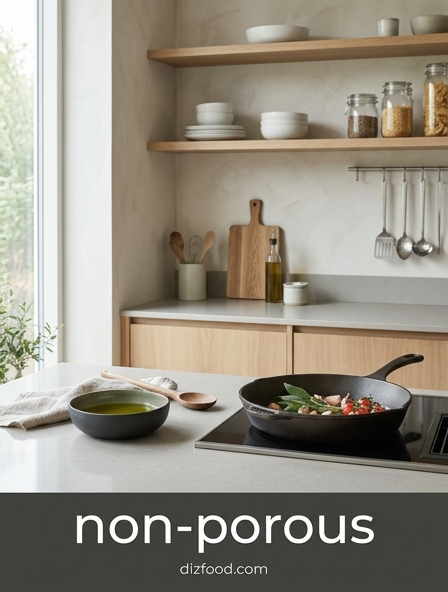
The kitchen is home to a variety of materials, each requiring a specific touch. Microfiber is the undisputed king of smooth, non-porous surfaces. It is particularly effective on stainless steel appliances, where it can remove fingerprints and smudges without leaving the streaks that paper towels often do. Similarly, for glass cooktops and mirrored backsplashes, a fine-weave microfiber cloth provides a polished finish that is difficult to achieve with wood-pulp products. The tiny fibers reach into the microscopic valleys of these surfaces to pull out oils.
Paper towels, however, still have a legitimate place on certain "messy" surfaces. For example, when seasoning a cast-iron skillet with oil, a paper towel is often preferred because it won't be ruined by the black carbon buildup that naturally occurs on the pan. Additionally, for cleaning up raw chicken juices from a cutting board, a disposable paper towel ensures that the bacteria are immediately removed from the house rather than sitting in a laundry basket. Best use cases include:
By understanding which tool is best for which surface, you can maintain the aesthetic of your kitchen while ensuring it is hygienically clean. For most daily maintenance, microfiber will be the more effective choice, leaving paper towels for the outliers and extreme messes.
Durability and Lifespan of Cleaning Tools
The durability of microfiber is one of its most compelling attributes. A high-quality cloth is constructed with a high "denier" count and reinforced edges to prevent fraying. Unlike cotton rags which can develop holes or paper towels which tear upon contact with water, microfiber is resilient. It can withstand high-speed agitation in a washing machine and hundreds of drying cycles without losing its structural integrity. The fibers are heat-set during manufacturing, which helps them maintain their shape and "grippy" texture over time.
To maximize the lifespan of microfiber, certain care instructions must be followed. Heat is the primary enemy of synthetic fibers; high dryer temperatures can melt the tiny tips of the fibers, causing them to become "crunchy" and lose their ability to trap dust. Similarly, paper towels have zero durability by design. They are meant to fail so that you must buy more. The comparison of lifespan is essentially a comparison between a permanent tool and a temporary supply. Factors affecting durability include:
| Factor | Microfiber Impact | Paper Towel Impact |
|---|---|---|
| Water Exposure | No impact; strengthens grip | Causes immediate weakening |
| Scrubbing Friction | Very resistant | Causes pilling and tearing |
| Chemical Exposure | Resistant to most cleaners | Can dissolve fibers |
| Storage | Lasts years in a drawer | Degrades if stored in damp areas |
A microfiber cloth only needs to be replaced when its edges begin to unravel or when it has become so clogged with grease that laundering no longer restores its absorbency. For most homeowners, this means a single set of cloths can easily last two to three years of daily kitchen use.
Hygiene Risks and Proper Sanitization Methods
Hygiene is the most common concern for those hesitant to switch from paper towels to microfiber. If a cloth is used to wipe down a counter and then left damp in the sink, it can become a breeding ground for bacteria, including E. coli and Salmonella. This cross-contamination risk is the primary downside of any reusable cleaning tool. Therefore, a strict sanitization protocol is essential to ensure that the kitchen remains a safe environment for food preparation. Microfiber's dense weave, while great for cleaning, can also trap bacteria deep within the fabric.
To mitigate these risks, users should implement a color-coding system to prevent a bathroom cloth from ending up in the kitchen. Additionally, cloths used for food surfaces should be changed daily. Proper laundering is the key to sanitization. Follow these steps for the most hygienic results:
Paper towels offer a "sterile" experience because they are used once and discarded, which is why they are often preferred in medical settings. However, in a residential kitchen, as long as the user is disciplined about changing out cloths and laundering them at high enough temperatures, the hygiene risks of microfiber are negligible compared to the benefits.
Final Verdict Choosing the Best Cleaning Essential
After evaluating performance, cost, environmental impact, and hygiene, the final verdict is that a modern kitchen functions best with a hybrid approach that heavily favors microfiber cloths. For 90% of kitchen tasks-including dusting, wiping down counters, cleaning appliances, and polishing glass-microfiber is the superior tool. It cleans more deeply, saves a significant amount of money, and aligns with global sustainability goals by reducing the reliance on single-use paper products.
However, the total elimination of paper towels is often impractical. They remain a valuable secondary tool for high-risk biological messes and tasks that involve heavy oils or permanent stains that would ruin a reusable cloth. The most efficient kitchen setup usually involves a well-stocked drawer of microfiber cloths for daily use and a single roll of paper towels tucked away for emergencies. To successfully transition, consider the following strategy:
By shifting the primary workload to microfiber, you will see a cleaner kitchen, a thicker wallet, and a smaller trash bag at the end of the week. The evidence clearly shows that while paper towels have a specialized place, they should no longer be the primary cleaning essential in a conscientious home.

Comments