
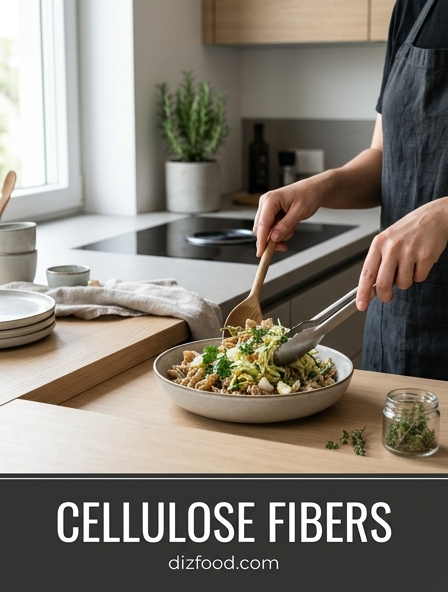
The Science Behind Cellulose Fiber Shedding
Cellulose fibers, primarily derived from wood pulp or cotton stalks, serve as the foundational material for traditional kitchen sponges. At a molecular level, these fibers are composed of complex carbohydrate chains held together by hydrogen bonds. While these bonds provide significant initial strength and high water absorption, they are susceptible to mechanical stress and chemical degradation. When a sponge is saturated and used to scrub a textured surface, the friction exceeds the internal binding forces of the material.
As the cellulose matrix weakens, individual microscopic filaments break away from the main body of the sponge. This process, known as shedding, is exacerbated by the cycle of wetting and drying, which causes the fibers to expand and contract. Key factors contributing to fiber loss include:
- Abrasive contact with stainless steel or cast iron surfaces.
- Exposure to high-pH detergents that strip natural lignins.
- Structural fatigue from repeated wringing and compression.
- Thermal degradation from sanitizing sponges in boiling water.
The resulting debris is often too small to see with the naked eye until it accumulates into visible lint or film on kitchenware.
Identifying Cellulose Residue on Kitchen Surfaces
Detecting cellulose residue requires a keen eye, as the fibers often blend into the natural reflections of kitchen surfaces. This residue typically manifests as fine, hair-like filaments or a cloudy film that persists even after a surface appears "clean." On high-gloss materials like black granite or polished marble, these fibers scatter light, creating a hazy appearance. On glassware, the residue is most apparent when held against a direct light source, appearing as tiny, translucent flecks that interfere with the clarity of the vessel.
Stainless steel appliances are particularly prone to showing cellulose tracks. When a sponge begins to degrade, it leaves behind a microscopic trail of organic matter that can trap grease and fingerprints, making the surface feel slightly tacky to the touch. If you notice that your freshly wiped counters feel dusty within minutes, or if your "clean" dishes have a matte texture, you are likely dealing with cellulose breakdown. These fibers are not merely aesthetic nuisances; they provide a substrate for organic buildup, which can eventually harbor odors and impede the effectiveness of subsequent sanitizing steps.
Why Traditional Sponges Compromise Surface Cleanliness
Traditional cellulose sponges are often viewed as the gold standard for kitchen hygiene, yet their physical properties frequently compromise the very cleanliness they are meant to provide. The primary issue lies in the porous, irregular structure of the fiber network. While this porosity is excellent for holding liquid, it creates a "trap-and-release" cycle. As the sponge moves across a countertop, it picks up food particles but simultaneously deposits microscopic cellulose fragments back onto the surface.
This cross-contamination creates a cycle of perpetual cleaning that never reaches true sterilization. The following points highlight how these tools fail in high-standard environments:
- Fragment Deposition: Micro-fibers act as "anchors" for oils and proteins on the counter.
- Reduced Friction: As the sponge loses fibers, its ability to mechanically lift stubborn stains diminishes.
- Uneven Distribution: The shedding creates an uneven surface on the sponge, leading to streaks and missed spots.
- Chemical Interference: Leftover fibers can react with spray disinfectants, neutralizing their active ingredients.
Ultimately, a degrading sponge adds more foreign material to the kitchen environment than it removes during a standard cleaning session.
Structural Failure of Natural Cellulose in Cleaning
The structural integrity of natural cellulose is inherently limited when subjected to the rigors of modern kitchen maintenance. Unlike synthetic polymers, natural fibers possess a finite threshold for moisture absorption before the cellular walls begin to collapse. This structural failure is most evident in the "flattening" of a sponge over time, which signals that the internal lattice has disintegrated. The following table compares the physical changes in cellulose during its lifecycle:
| Stage | Physical Condition | Cleaning Efficacy |
|---|---|---|
| New | Rigid, high-loft lattice | Maximum absorption and scrubbing |
| Mid-Life | Softened fibers, minor shedding | Moderate liquid retention |
| Failure | Compressed, brittle, shedding | High residue deposit; low suction |
When the cellulose reaches the failure stage, it no longer functions as a cohesive tool. Instead, it becomes a delivery system for lint. The loss of structural density means the sponge can no longer create the capillary action necessary to pull liquid away from a surface, leaving behind streaks of contaminated water and fiber debris.
Bacteria Traps and Fiber Breakdown Risks
The intersection of fiber breakdown and microbial growth presents a significant challenge in kitchen sanitation. Cellulose is an organic polysaccharide, which essentially serves as a food source for certain types of bacteria and fungi under the right conditions. As the sponge fibers break down into smaller fragments, they increase the total surface area available for bacterial colonization. These microscopic nooks and crannies become inaccessible to standard rinsing, allowing pathogens like E. coli or Salmonella to thrive in the damp environment.
Furthermore, the shedding process releases these contaminated fibers onto food preparation surfaces. When you wipe a cutting board with a degrading sponge, you are not just leaving behind lint; you are potentially transferring a bio-film of bacteria encased in cellulose fragments. Because these fibers are absorbent, they hold onto moisture, keeping the bacteria hydrated and active for longer periods than they would survive on a dry, non-porous surface. This hidden risk makes the frequent replacement of cellulose tools or the transition to non-organic alternatives a matter of food safety rather than just kitchen aesthetics.
Top Residue-Free Alternatives for Kitchen Use
To move away from the pitfalls of cellulose shedding, homeowners are increasingly turning to advanced materials designed for durability and purity. These alternatives prioritize mechanical action without the risk of structural disintegration. By selecting non-organic materials, you ensure that no fibers are left behind to cloud your surfaces or harbor bacteria. The most effective options currently available for kitchen use include:
- Closed-Cell Polyurethane: These sponges do not have an open-fiber network, meaning they cannot shed lint even when damaged.
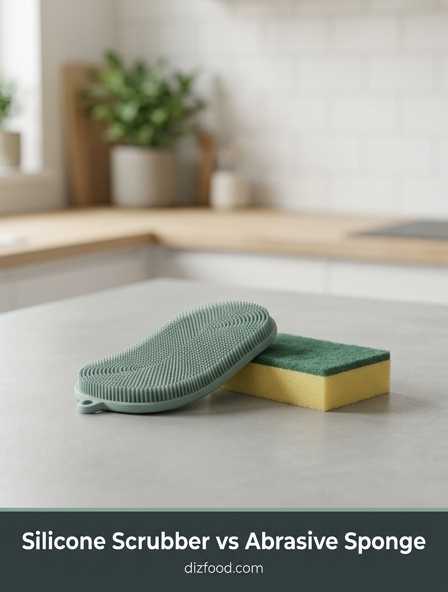
- Silicone Scrubbers: Made from food-grade silicone, these tools are non-porous and completely shed-proof.
- Split-Fiber Microfiber: While synthetic, high-quality microfiber is engineered to trap particles within the weave rather than breaking apart.
- Nylon Mesh Pads: Ideal for heavy-duty scrubbing, the plastic filaments are extruded as continuous strands that do not snap or fray.
Switching to these materials eliminates the "dusty" residue often found after cleaning and ensures that the tool remains intact throughout its entire functional lifespan, providing a more predictable and hygienic result.
Advantages of Microfiber and Silicone Cleaning Tools
The transition from cellulose to microfiber and silicone represents a significant upgrade in kitchen technology. Microfiber cloths utilize a polyester and polyamide blend that is split to be 1/100th the diameter of a human hair. This creates millions of tiny hooks that lift grease and bacteria physically rather than just moving them around. Unlike cellulose, these synthetic fibers are incredibly resilient and can withstand hundreds of laundering cycles without losing their shape or shedding.
| Feature | Microfiber Cloths | Silicone Scrubbers |
|---|---|---|
| Lint Level | Zero (High quality) | Non-existent |
| Heat Resistance | Moderate | Excellent (Up to 500°F) |
| Dry Time | Fast | Instant |
| Best Use | Polishing and Wiping | Heavy Scrubbing |
Silicone tools offer a different set of advantages, primarily their hydrophobic nature. They do not absorb water, which means they cannot host the damp environments required for mold growth. While they lack the absorption of a sponge, they are unparalleled for cleaning dishes and sanitizing countertops without leaving a single fiber behind, making them a permanent fixture in modern, residue-free kitchens.
Achieving a Streak-Free Finish Without Cellulose
The secret to a streak-free kitchen finish lies in the elimination of organic particulates during the drying phase. Cellulose sponges fail here because they leave behind water droplets containing dissolved solids and broken fibers. To achieve a professional-grade shine on glass, chrome, and quartz, a two-step non-cellulose method is required. This process focuses on complete removal rather than redistribution.
Follow these steps for a perfect finish:
- Clean the surface using a non-shedding polyurethane sponge and a mild degreaser to remove bulk soil.
- Use a squeegee to remove the majority of the standing water, ensuring no organic matter is left to dry.
- Buff the surface with a dry, tightly woven microfiber "glass cloth." These cloths have a flat weave that prevents even microscopic lint from catching on the surface.
- Inspect the area from an angle; the absence of cellulose fibers will result in a clear, mirror-like reflection.
By removing the cellulose sponge from the final stages of cleaning, you eliminate the source of the "haze" that typically plagues kitchen surfaces, ensuring that your efforts yield a truly pristine environment.
Sustainable Swaps for a Residue-Free Kitchen
Sustainability and residue-free cleaning are not mutually exclusive. While traditional cellulose sponges are biodegradable, their short lifespan and tendency to shed often lead to higher waste over time. To balance environmental responsibility with cleaning performance, look for high-durability synthetic tools or specialized natural alternatives that do not share the structural weaknesses of standard wood-pulp cellulose. Recycled microfiber, for instance, offers the performance of synthetic polymers while utilizing post-consumer plastic waste.
Another excellent sustainable swap is the use of high-grade loofah or agave fiber. Unlike highly processed cellulose, these raw plant fibers are much tougher and less likely to disintegrate into fine lint. However, for those demanding a completely residue-free experience, the most sustainable choice is often the tool that lasts the longest. A single silicone scrubber can replace dozens of disposable sponges, significantly reducing the total volume of waste sent to landfills. Investing in high-quality, long-lasting tools ensures that your kitchen stays clean without the constant cycle of fiber breakdown and replacement, merging ecological consciousness with superior household hygiene.
Steps to Modernize Your Home Cleaning Kit
Modernizing your kitchen cleaning kit involves a shift from disposable, low-performance materials to specialized, high-efficiency tools. The goal is to create a system that is easy to sanitize, long-lasting, and free of shedding agents. To begin this transition, you should audit your current supplies and systematically replace failing materials. A modernized kit focuses on the right tool for the right task, ensuring that no residue is introduced during the cleaning process.
Implement these steps to upgrade your routine:
- Discard all sponges that show signs of crumbling, thinning, or persistent odors.
- Categorize your tools: use silicone for heavy-duty scrubbing, microfiber for wiping, and polyurethane for absorption.
- Introduce a color-coding system to prevent cross-contamination between food prep areas and sinks.
- Establish a weekly sanitization protocol for your synthetic tools, such as running microfiber through a hot laundry cycle and silicone through the dishwasher.
By moving away from the limitations of natural cellulose, you simplify your maintenance routine and achieve a higher level of surface clarity and sanitation that is simply not possible with traditional wood-pulp products.

Comments