
Science of Split-Fiber Microstructure
The efficacy of modern kitchen textiles is rooted in the intricate engineering of split-fiber technology. This process involves the chemical or mechanical bisection of synthetic filaments, typically a blend of polyester and polyamide. When these fibers are split, they transition from a standard rounded profile into a complex, star-shaped cross-section. This structural transformation exponentially increases the available surface area of each individual thread, creating millions of microscopic hooks and channels within a single square inch of fabric.
- Polyester components provide the structural integrity and scrubbing power.
- Polyamide elements offer high absorbency and density.
- The "star" shape allows for the physical entrapment of particulates.
- Capillary gaps between splits facilitate fluid transport.
Unlike traditional cotton fibers, which are relatively smooth and round, split fibers act as mechanical tools. The increased surface area ensures that even the smallest dust particles and liquid droplets are captured within the internal structure of the textile rather than being pushed across the surface. This microscopic precision is what allows the material to perform tasks that standard fabrics cannot manage.
Microbial Removal and Pathogen Control
In a kitchen environment, the management of food-borne pathogens is a critical safety priority. Split-fiber technology excels in this area through mechanical removal rather than chemical elimination. Because the fibers are split to a size smaller than many bacteria, they are capable of reaching into the microscopic pores of countertops and cutting boards to physically lift and lock away microbes. This is a significant departure from traditional sponges, which often serve as breeding grounds for cross-contamination.
- Micro-capture of E. coli and Salmonella through physical adhesion.
- Reduction of biofilm layers on high-touch surfaces.
- Prevention of cross-contamination by trapping pathogens within the fiber core.
- Easy release of trapped microbes during high-heat laundering cycles.
Studies have shown that high-quality split-fiber cloths can remove up to 99% of bacteria from non-porous surfaces using only water. This mechanical action ensures that pathogens are not merely redistributed across a food preparation area but are effectively sequestered within the textile until the cleaning tool is properly disinfected. This level of control is essential for maintaining a sterile and safe culinary workspace.
Enhanced Capillary Action for Spills
The physics of fluid management in the kitchen relies heavily on capillary action. Split-fiber technology optimizes this phenomenon by creating a dense network of interstitial spaces. When a liquid spill occurs, the split fibers utilize these narrow channels to draw fluid upward against gravity, locking it deep within the fabric's interior. This results in an absorption capacity that often exceeds seven to eight times the weight of the cloth itself, making it far more efficient than conventional cellulose or cotton alternatives.
Furthermore, the rate of absorption is significantly higher in split-fiber materials. The microscopic splits create a vacuum-like effect as they come into contact with liquids, allowing for rapid cleanup of oils, milk, or water. This speed is vital in professional settings where spills can present immediate slip hazards. Because the liquid is held within the internal structure, the surface of the cloth remains relatively dry, preventing the "trailing" effect where a damp cloth leaves a thin film of moisture behind. This ensures that the surface is not only dry but cleaned of any residual solutes present in the spilled liquid.
Sustainable Alternatives to Disposable Paper
The transition to split-fiber technology represents a major milestone in kitchen sustainability. Traditional paper towels are single-use items that contribute significantly to deforestation and landfill waste. In contrast, a single high-quality split-fiber cloth can withstand hundreds of wash cycles while maintaining its structural integrity and cleaning efficiency. This longevity drastically reduces the volume of solid waste generated in both residential and commercial kitchens.
| Metric | Disposable Paper Towels | Split-Fiber Cloths |
|---|---|---|
| Lifespan | Single Use | 300+ Wash Cycles |
| Waste Production | High (Daily) | Negligible |
| Resource Impact | High (Wood/Water) | Low (Long-term reuse) |
By investing in reusable fiber technology, users minimize their environmental footprint. The energy required to manufacture and transport thousands of paper towels far outweighs the energy and water used to launder a set of microfiber cloths over their multi-year lifespan. This shift facilitates a "zero-waste" approach to kitchen maintenance without compromising on hygiene or performance standards.
Superior Surface Tension Breakdown
Grease and oils present a unique challenge in kitchen cleaning due to their high surface tension and hydrophobic nature. Split-fiber technology addresses this by physically disrupting the molecular bonds of oily films. The sharp, wedge-like edges of the split polyester fibers pierce the surface of the grease, breaking it down into smaller, manageable droplets. These droplets are then wicked away into the polyamide channels of the fiber, removing the mess without the need for heavy degreasing chemicals.
This mechanical breakdown is particularly effective on stovetops and backsplashes where "polymerized" grease can accumulate. While traditional cloths tend to glide over greasy surfaces, simply spreading the oil around, the split fibers act as microscopic scrapers. They lift the lipids away from the substrate, leaving a surface that feels clean to the touch and is free of the "tacky" residue often left behind by chemical cleaners. This capability allows for a more efficient workflow, as it reduces the amount of scrubbing force required to achieve a pristine finish on greasy equipment and prep stations.
Chemical Free Kitchen Sanitation
One of the primary benefits of split-fiber technology is the ability to achieve high levels of sanitation without relying on synthetic detergents or disinfectants. In an environment where food is prepared, reducing chemical residue is paramount for health and flavor integrity. The mechanical action of the fibers is so thorough that for most daily tasks, plain water acts as the only solvent required to facilitate the cleaning process.
- Elimination of Volatile Organic Compounds (VOCs) in the air.
- Removal of chemical films that can transfer to food items.
- Reduced risk of skin irritation for kitchen staff.
- Lowered environmental impact regarding wastewater runoff.
By utilizing only water, users avoid the common pitfall of "chemical buildup," where cleaning agents leave a sticky residue that actually attracts more dirt over time. Surfaces cleaned with split-fiber technology stay cleaner for longer because they are truly bare. This approach not only saves money on cleaning supplies but also creates a safer, more natural environment for both the cook and the consumer, aligning with modern health standards and organic living preferences.
Durability for Professional Kitchen Use
Professional kitchens demand tools that can withstand rigorous, repetitive use and high-temperature sanitization. Split-fiber textiles are engineered for this level of durability. The synthetic polymers used-polyester and polyamide-are inherently strong and resistant to the fraying and pilling that plagues cotton fabrics. Even when exposed to acidic food residues, various oils, and frequent laundering in industrial machines, the split-fiber structure remains intact, preserving its cleaning efficacy for months of continuous service.
The durability of these fibers is also measured by their "denier" rating, which indicates the fineness of the thread. Despite their microscopic size, the density of the weave prevents the cloth from stretching or losing its shape. This resilience ensures that the "hooks" created by the splitting process do not dull or break off prematurely. For a commercial kitchen, this translates to fewer replacements and a consistent cleaning performance that meets health department standards. The ability to boil these cloths or use bleach (when necessary for specific protocols) without immediate degradation further cements their status as a staple in professional environments.
Protecting High End Kitchen Finishes
Modern high-end kitchens often feature delicate surfaces such as natural marble, quartz, polished granite, and custom-lacquered cabinetry. These materials are susceptible to scratching from abrasive sponges or traditional cloths that may trap grit on their surface. Split-fiber technology provides a non-abrasive solution because the fibers are softer than the surfaces they clean. The microscopic nature of the splits allows the cloth to glide over these finishes while lifting debris away into the fiber core, preventing the particles from being dragged across the surface.
- Safe for natural stone sealants and protective coatings.
- Non-scratch performance on acrylic and high-gloss cabinet doors.
- Effective removal of hard water spots without abrasive scouring.
- Gentle enough for silver, copper, and gold-plated hardware.
By using split-fiber cloths, homeowners and chefs protect their significant investments in kitchen aesthetics. The fibers' ability to clean thoroughly without the need for harsh scrubbing prevents the gradual "dulling" of surfaces that often occurs over time. This ensures that expensive countertops and designer fixtures maintain their original luster and structural integrity for decades.
Cost Analysis of Reusable Fiber
While the initial purchase price of split-fiber cloths is higher than a roll of paper towels, the long-term financial benefits are substantial. A cost analysis reveals that the transition to reusable fiber technology pays for itself within a matter of months. When factoring in the average consumption of paper products in a busy kitchen, the cumulative savings over a one-year period can be significant for a household and transformative for a commercial enterprise.
| Expense Item | Paper Towels (Annual) | Split-Fiber (Annual) |
|---|---|---|
| Initial Unit Cost | Low ($1-$2 per roll) | Moderate ($3-$5 per cloth) |
| Annual Quantity | 100+ Rolls | 10-15 Cloths |
| Laundering Cost | $0.00 | Low (Energy/Water) |
| Total Est. Cost | $200 - $400 | $40 - $70 |
The ROI (Return on Investment) is further enhanced when considering the reduction in cleaning chemical purchases. Because split fibers perform effectively with just water, the budget for multi-purpose cleaners, glass cleaners, and degreasers can be reduced by 50% or more. This dual saving-on both the substrate and the solvent-makes split-fiber technology the most economically sound choice for modern kitchen management.
Streak Free Stainless Steel Performance
Stainless steel appliances and fixtures are notoriously difficult to maintain, often showing fingerprints, water spots, and streaks after cleaning. Split-fiber technology solves this issue through its unique ability to absorb and polish simultaneously. Traditional cloths often leave behind microscopic droplets of water or cleaning solution, which dry into visible streaks. Split fibers, however, utilize their high surface area to ensure that every molecule of moisture is lifted from the metal surface, resulting in an immediate "buffed" appearance.
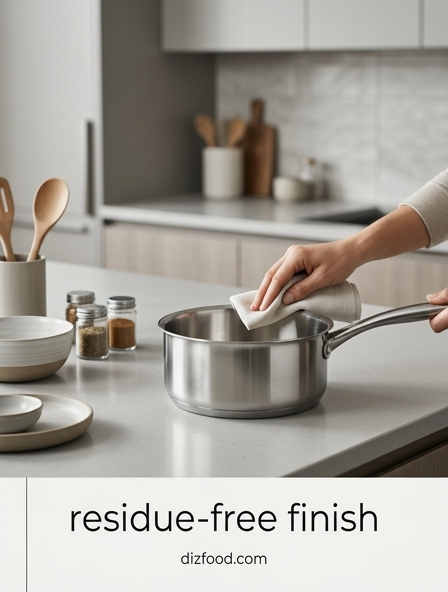
The performance on stainless steel is enhanced by the lint-free nature of high-quality split fibers. Unlike cotton, which sheds tiny cellulose fragments, split-fiber synthetic blends are continuous filaments that do not leave debris behind. This is crucial for achieving a mirror-like finish on refrigerators, ovens, and sinks. For best results, a two-step process using one damp split-fiber cloth to remove grime and a second dry split-fiber cloth to polish will produce a showroom-quality finish without the use of oily stainless steel polishes, which often attract more fingerprints over time. The result is a clean, dry, and perfectly reflective surface.

Comments