
When it comes to preserving the longevity and natural beauty of your kitchen woodwork, choosing between pure butcher block oil and a beeswax conditioner is the key to a professional-grade finish. While food-grade mineral oil excels at deep penetration to prevent drying and cracking from the inside out, beeswax-based conditioners act as a protective sealant, locking in moisture and providing a silky, water-resistant barrier. Understanding the synergy between these two treatments-or selecting the right one for your specific maintenance routine-is essential for keeping your cutting boards, butcher blocks, and wooden utensils food-safe and structurally sound for years to come.
| Feature | Butcher Block Oil | Beeswax Conditioner |
|---|---|---|
| Composition | 100% Pure Food-Grade Mineral Oil | Blend of Mineral Oil & Natural Beeswax |
| Primary Action | Deep fiber penetration & hydration | Surface sealing & moisture locking |
| Water Resistance | Moderate; prevents internal saturation | High; creates a hydrophobic wax barrier |
| Finish/Sheen | Natural, matte appearance | Satin luster with a smooth, tactile grip |
| Frequency | Monthly (or when wood looks "thirsty") | Every 2-3 months (or to restore shine) |
| Best For | New or deeply dried-out boards | Ongoing maintenance and top-coat sealing |
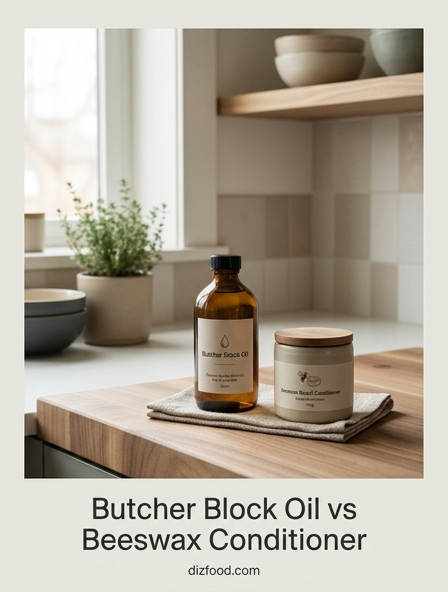
Butcher Block Oil vs Beeswax Conditioner Comparison
Maintaining a kitchen's wooden surfaces requires a clear understanding of the functional differences between butcher block oil and beeswax conditioners. While both products aim to preserve the wood, they achieve this through different physical mechanisms. Butcher block oil, typically composed of food-grade mineral oil, is a thin liquid designed to penetrate deep into the wood fibers. Its primary role is to saturate the internal structure of the wood, preventing it from drying out, shrinking, or cracking. Because it remains a liquid within the wood, it provides a consistent level of internal hydration that is essential for long-term structural integrity.
In contrast, beeswax conditioner is a semi-solid paste that usually contains a blend of wax and oil. While it provides some level of hydration, its primary strength lies in its ability to create a physical barrier on the surface of the wood. The wax fills the microscopic pores and grain of the wood, resulting in a smooth, water-resistant finish. When comparing the two, oil is the foundation of wood care, whereas wax acts as the protective shield. Using oil alone will keep the wood healthy but may require more frequent reapplication as it evaporates or washes away. Using wax alone provides a beautiful sheen and excellent water repellency but may not penetrate deeply enough to prevent internal wood fibers from becoming brittle over time. Therefore, the choice often depends on whether the user prioritizes internal health or surface protection.
Key Differences Between Mineral Oil and Wood Conditioner
Understanding the technical differences between mineral oil and wood conditioners helps homeowners choose the right product for their specific culinary tools. Mineral oil is a single-ingredient product characterized by its low viscosity. This allows it to move through the capillary structure of the wood with ease. Wood conditioners, however, are compound products that often include carnauba wax, beeswax, and mineral oil. These ingredients change the consistency and the performance profile of the treatment.
| Feature | Mineral Oil | Wood Conditioner |
|---|---|---|
| Consistency | Thin Liquid | Creamy or Paste-like |
| Absorption | Deeply saturates fibers | Surface-level sealing |
| Finish Type | Matte/Natural | Satin to High-Gloss |
| Water Resistance | Moderate | High |
| Application Frequency | High (Monthly) | Low (Quarterly) |
The chemical stability of these products is also a major differentiator. Pure mineral oil is an inert substance that will not go rancid, unlike vegetable oils. Wood conditioners benefit from this same stability but add a layer of physical durability. Because the wax in a conditioner must be buffed into the surface, it creates a tactile "grip" and a visible luster that oil cannot replicate. Mineral oil remains the standard for initial seasoning of new boards, while conditioners are preferred for maintaining the aesthetic and protective qualities of seasoned wood.
The Benefits of Using Food Grade Butcher Block Oil
Food-grade mineral oil is the gold standard for maintaining butcher blocks due to its safety and efficacy. One of the primary benefits is its ability to displace moisture. When a wooden board is saturated with oil, there is no room for water to enter the grain. This is critical in a kitchen environment where boards are frequently exposed to juices from meats and vegetables. By preventing water absorption, the oil significantly reduces the risk of the wood warping or developing deep-seated bacteria in cracks. Since the oil is "food grade" or USP certified, it is completely safe for direct contact with ingredients, ensuring no harmful chemicals leach into a meal.
Another benefit is the ease of application and the visual enhancement it provides. Applying oil is a simple process that requires no specialized equipment; a clean cloth or paper towel is sufficient. Once applied, the oil brings out the natural depth and color of the wood grain, making even an older board look rejuvenated. It acts as a lubricant for wood fibers, allowing them to expand and contract naturally without splitting. Furthermore, mineral oil is odorless and tasteless, which is vital for maintaining the integrity of delicate food flavors. It is an affordable, accessible, and highly effective preventative maintenance tool that serves as the first line of defense for any wooden kitchen investment.
Why Beeswax Conditioner Offers Superior Moisture Protection
Beeswax conditioner is prized for its hydrophobic properties, which offer a level of moisture protection that liquid oils simply cannot match. While oil sits within the wood, beeswax creates a topical seal that causes liquid to bead up on the surface rather than soaking in. This is particularly advantageous for cutting boards used with high-moisture foods like tomatoes or citrus fruits. The wax fills in the knife scars and natural pores of the wood, creating a smoother surface that is easier to wipe clean. This barrier also protects the wood from absorbing odors and stains, which can be a common issue with porous hardwoods.
The superior protection of beeswax comes from its molecular structure. It is a natural ester that is solid at room temperature. When buffed into the wood, it creates a semi-permanent coating that is more resistant to soap and water than oil alone. This means that a board treated with a beeswax-based conditioner will maintain its "just-oiled" look and feel for a longer duration. Additionally, beeswax has mild antimicrobial properties, adding an extra layer of hygiene to the kitchen. By sealing the surface, it prevents food particles from becoming trapped in the grain, which ultimately extends the lifespan of the butcher block and ensures a more sanitary food preparation area.
Step by Step Guide to Oiling Your Butcher Block
Properly oiling a butcher block is a straightforward process, but it requires patience to ensure the wood is fully saturated. Follow these steps to achieve a professional finish:
- Clean and Dry: Scrub the board with mild soap and warm water. Allow it to air dry completely, usually for at least 6 to 12 hours. Wood must be bone dry to absorb the maximum amount of oil.
- Apply the Oil: Pour a generous amount of food-grade mineral oil onto the surface. Use a clean, lint-free cloth to spread the oil evenly across the top, bottom, and all four sides of the block.
- Let it Soak: Allow the oil to penetrate the wood for at least 4 hours, though overnight is ideal. If the wood looks "thirsty" or shows dry spots after an hour, apply more oil.
- Wipe the Excess: Use a clean cloth to buff away any oil that has not been absorbed. The surface should feel smooth and hydrated, not greasy or sticky.
- Repeat if Necessary: For new or extremely dry boards, repeat this process two or three times until the wood can no longer absorb any more liquid.
Maintaining this routine will keep your butcher block in peak condition. It is important to remember that the edges and end-grain sections of the wood are the most porous and will often require more oil than the flat surface of the board.
How Beeswax Enhances the Durability of Wooden Surfaces
Beyond moisture protection, beeswax significantly enhances the physical durability of wooden surfaces. Over time, knives create micro-abrasions in the wood. While oil keeps the wood flexible, beeswax acts as a filler for these tiny grooves. This "self-healing" quality helps to maintain a level cutting surface and prevents the wood from fraying or splintering. The wax acts as a sacrificial layer; when a knife strikes the board, it hits the wax barrier before it reaches the wood fibers, thereby reducing the depth of the cuts over months of use.
Furthermore, beeswax provides a level of protection against the drying effects of the air. In homes with central heating or low humidity, wood can lose moisture rapidly, leading to brittle surfaces. The wax seal locks in the internal oils, ensuring the wood remains supple. It also offers a slight "tack" to the surface, which can provide better grip for food items during prep, reducing the chance of slipping. By adding this layer of toughness, beeswax ensures that the butcher block can withstand the rigorous demands of a busy kitchen without losing its structural integrity or aesthetic appeal. It is essentially an insurance policy for the wood's longevity.
Comparing Maintenance Schedules for Oil and Wax
The frequency of maintenance is a major factor for many kitchen enthusiasts when choosing between oil and wax. Because mineral oil is a liquid that can be washed away with dish soap, it generally requires more frequent application. A board that is used daily and washed after every use will likely need a fresh coat of oil every 2 to 4 weeks. Without this regular attention, the wood can quickly become dull and susceptible to cracking.
Maintenance schedules generally follow these patterns:
- Daily Use Boards: Oil every 2 weeks; Wax every 4 to 6 weeks.
- Occasional Use Boards: Oil every month; Wax every 3 months.
- Decorative/Serving Boards: Oil every 3 months; Wax every 6 months to maintain luster.
- New Wood Initial Seasoning: Oil daily for the first week, then transition to a standard schedule.
Beeswax conditioners significantly extend the time between maintenance sessions. Because the wax is more resilient to washing, it can keep a board protected for several months. Many users find that a combination of the two is the most efficient: oiling the board once a month to ensure deep hydration and applying a wax conditioner every two or three months to maintain the protective surface seal. This balanced approach minimizes the labor involved while maximizing the protection provided to the wood.
Food Safety and Non Toxic Wood Finishes Explained
When treating surfaces that come into direct contact with food, safety is the paramount concern. Not all wood finishes are created equal; many industrial varnishes and stains contain volatile organic compounds (VOCs), metallic driers, or petroleum distillates that are toxic if ingested. For kitchen use, finishes must be categorized as "food safe" or "GRAS" (Generally Recognized As Safe) by regulatory bodies like the FDA. Food-grade mineral oil is highly refined, tasteless, colorless, and odorless, making it perfectly safe for human consumption in the trace amounts that might transfer to food.
Beeswax is also a naturally safe option, as it is an edible substance produced by honeybees. When combined with mineral oil in a conditioner, it remains non-toxic. However, consumers should be cautious of "boiled linseed oil" or certain "tung oils" found in hardware stores, as these often contain chemical solvents to speed up drying times. Pure, raw linseed oil or pure tung oil are safe, but they take much longer to cure. By sticking to USP-grade mineral oil and natural beeswax, you ensure that your cutting board remains a healthy surface for food preparation. Always check the labels for "food grade" certification to prevent the introduction of unwanted chemicals into your kitchen environment.
The Best Way to Combine Oil and Wax for Maximum Results
For those seeking the ultimate protection for their butcher block, the "two-step" method of combining oil and wax is the most effective strategy. This approach addresses both the internal and external needs of the wood. The first step involves saturating the wood with pure food-grade mineral oil. Because the oil is thin, it travels deep into the grain, hydrating the wood from the inside out. This prevents the fibers from becoming brittle and ensures the board remains heavy and stable. This "seasoning" phase is crucial for any new wood or a board that has been neglected for a long time.
Once the oil has had time to soak in and any excess has been wiped away, the second step is to apply a beeswax conditioner. The wax acts as a "top coat" that seals the oil inside the wood. This creates a synergistic effect: the oil keeps the wood flexible, while the wax prevents the oil from evaporating or being washed away by soapy water. To apply this combo, wait about 24 hours after oiling before applying the wax. Rub the wax conditioner in a circular motion, let it sit for 15 minutes, and then buff it to a sheen. This creates a durable, beautiful, and highly water-resistant finish that lasts significantly longer than either product used in isolation.
Deciding Between Oil and Wax for Your Cutting Board
The decision between using oil or wax often comes down to the intended use of the wooden surface and the user's willingness to perform upkeep. If you have a high-traffic cutting board used for heavy chopping and frequent washing, mineral oil is the essential foundation. It is cheap, easy to apply, and keeps the wood from splitting under stress. However, if you find yourself frustrated by how quickly the wood looks dry after washing, upgrading to a beeswax conditioner is the logical next step. The wax provides that extra layer of defense that helps the board survive the sink.
For decorative butcher blocks or charcuterie boards where aesthetics are just as important as function, beeswax is often the preferred choice because of the satin finish it produces. It makes the wood grain "pop" and provides a luxurious feel that oil alone cannot provide. On the other hand, if you are looking for the simplest, most utilitarian method to keep your boards safe, a bottle of mineral oil is all you truly need. Ultimately, the best practice is to view them as complementary products rather than competitors. Using oil for hydration and wax for sealing will yield the best results, but if you must choose just one, mineral oil is the functional necessity, while beeswax is the protective and aesthetic enhancement.



Comments