
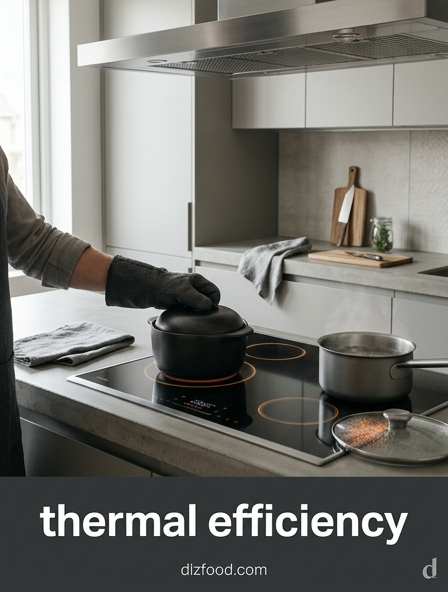
The Impact of Grease Buildup on Kitchen Airflow
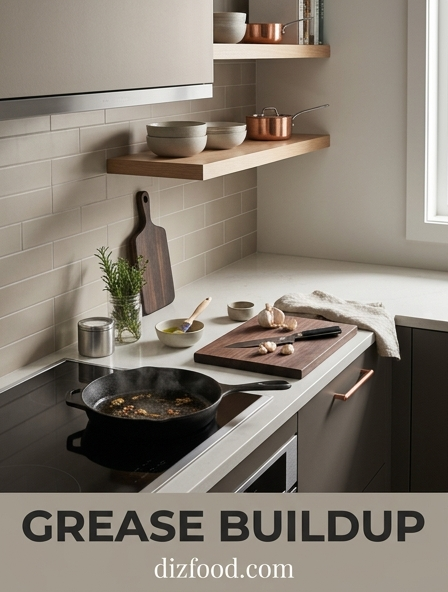
Grease is an inevitable byproduct of high-volume cooking, yet its accumulation poses a significant threat to thermal efficiency. When airborne fats cool, they solidify on surfaces, creating a viscous film that traps dust and lint. This buildup is particularly detrimental to ventilation systems, where it coats fan blades and narrows ductwork. As the physical diameter of the air passage decreases, the extraction system must work significantly harder to move the same volume of air, leading to increased energy consumption and reduced heat removal.
Furthermore, grease acts as an unwanted thermal insulator. When it coats heating elements or the interior walls of convection ovens, it slows the rate of heat transfer to the food. This results in longer cooking times and uneven temperature distribution. To maintain a high-performance environment, it is essential to understand that grease is not merely a cosmetic issue; it is a physical barrier that disrupts the fluid dynamics of kitchen air, forcing mechanical systems to operate far outside their ideal efficiency parameters.
Restoring Thermal Efficiency in Your Kitchen Heating System
Over time, commercial and domestic kitchen heating systems lose their ability to regulate temperature accurately. This degradation is often linked to the accumulation of carbonized food particles and mineral deposits on burners and heat exchangers. Restoring thermal efficiency requires a systematic approach to cleaning and calibration. When burners are clear of obstructions, the flame achieves a more complete combustion, producing a steady blue flame that maximizes heat output while minimizing fuel waste.
Key areas to address during restoration include:
- Cleaning pilot lights and ignition sensors to ensure rapid activation.
- De-scaling steam equipment to improve heat conduction through metal surfaces.
- Inspecting door gaskets to prevent the escape of hot air during operation.
- Recalibrating internal thermostats to match actual cavity temperatures.
By focusing on these specific technical components, kitchen operators can ensure that the energy consumed is effectively converted into heat. This not only lowers utility costs but also improves the consistency of the final product, as the heating system can respond more dynamically to temperature fluctuations.
How Dust and Residue Block Vital Air Passages
The movement of air is the primary mechanism for heat regulation in modern kitchens. However, dust and particulate residue frequently clog the intake vents of refrigeration units and the exhaust ports of ovens. When these vital passages are blocked, the thermal gradient is disrupted, causing heat to pool in areas where it should be dispersed. This is particularly dangerous for refrigeration compressors, which rely on steady airflow to reject heat absorbed from the unit's interior.
| Obstruction Type | Affected Component | Thermal Consequence |
|---|---|---|
| Lint/Dust | Condenser Coils | Overheating and compressor failure |
| Carbon Soot | Oven Flues | Poor combustion and heat retention |
| Flour/Fine Powder | Fan Intakes | Reduced RPM and motor strain |
Regularly vacuuming these passages ensures that air can flow freely, allowing the kitchen's climate control systems to function as designed. Without this maintenance, appliances are forced into a cycle of over-compensation, which drastically reduces their overall thermal efficiency.
The Relationship Between Clean Vent Hoods and Peak Performance
Ventilation hoods serve as the lungs of the kitchen, responsible for removing excess heat, moisture, and smoke. A clean hood is directly proportional to peak kitchen performance. When filters are saturated with oil, the static pressure within the ventilation system rises. This creates a bottleneck that prevents hot air from exiting the building efficiently. Consequently, the ambient temperature of the kitchen rises, placing additional thermal stress on both staff and refrigeration equipment.
To maintain peak performance, the following maintenance schedule is recommended:
- Daily cleaning of baffle filters to prevent grease solidification.
- Weekly inspection of the grease trough and collection cups.
- Monthly professional cleaning of the internal fan housing and plenum.
- Quarterly inspection of the roof-top exhaust fan and belt integrity.
A well-maintained hood ensures that the thermal load produced by cooking equipment is managed in real-time. This prevents the "heat bloom" effect, where hot air spills out from under the hood and permeates the rest of the facility, ruining the overall thermal balance.
Improving Heat Distribution Through Deep Component Cleaning
Internal components of cooking appliances are often overlooked during daily cleaning routines, yet they are critical for even heat distribution. Deep cleaning involves disassembling removable parts-such as racks, diffusers, and convection fans-to remove baked-on carbon. In a convection oven, the fan's ability to circulate air is the primary driver of thermal efficiency. If the blades are weighed down by residue, the air velocity drops, leading to "cold spots" and uneven browning.
Similarly, the base of many ranges features heat shields designed to reflect energy upward toward the cookware. If these shields become blackened with burnt spills, they absorb heat rather than reflecting it, wasting energy and heating the floor instead of the pan. Deep cleaning restores the reflective and aerodynamic properties of these components. This ensures that heat is distributed via radiation and convection exactly where it is needed, allowing for lower set temperatures and shorter cooking cycles without sacrificing quality.
Reducing Energy Consumption by Optimizing Air Intake
Optimizing air intake is a fundamental strategy for reducing the energy footprint of a kitchen. Most gas-fired appliances require a precise ratio of oxygen to fuel to achieve maximum thermal output. If the intake vents are partially obscured by grime or poorly positioned, the resulting "rich" burn is inefficient and produces excessive carbon monoxide. By ensuring that air intakes are clear and unobstructed, operators can achieve a cleaner, hotter flame that uses less gas to reach the desired temperature.
This optimization extends to the HVAC system as well. If the make-up air unit is not properly synchronized with the exhaust fans, the kitchen can become under-pressurized. This "negative pressure" pulls conditioned air from the dining area or outside, forcing the heating or cooling systems to work harder. Keeping intake screens clean and ensuring that air louvers are functioning correctly maintains the pressure balance. This harmony reduces the load on the building's primary climate control systems, resulting in a measurable decrease in monthly energy consumption.
Eliminating Airflow Obstructions for Consistent Temperature Control
Consistent temperature control is impossible in an environment where airflow is obstructed. In a kitchen setting, obstructions often take the form of poorly placed equipment, stacked supplies near vents, or internal buildup within the appliances themselves. When air cannot circulate, the thermostat readings become inaccurate, as they reflect the temperature of the stagnant air pocket rather than the actual cooking or cooling zone. This lead to frequent cycling of the heating elements or compressors, which is both inefficient and damaging to the hardware.
By identifying and eliminating these "dead zones," you can ensure that the thermal sensors receive accurate data. This allows for a more stable environment where temperature fluctuations are minimized. For example, ensuring that refrigerator shelves are not overcrowded allows cold air to wrap around every item, maintaining safety standards with less effort. In the context of heating, removing obstructions from around baseboard heaters or oven vents ensures that heat is liberated into the room or the cavity uniformly, maintaining a precise thermal profile throughout the service period.
The Role of Filter Maintenance in Maximizing Heating Power
Filters are the primary line of defense against the particulate matter that characterizes a busy kitchen. Whether they are the grease filters in a hood, the HEPA filters in an air purifier, or the mesh filters on a dishwasher intake, their condition dictates the system's thermal capacity. A clogged filter acts as a physical wall, significantly reducing the mass flow rate of the medium being filtered-be it air, water, or steam.
Maintaining these filters provides several thermal benefits:
- Reduced Resistance: Lowering the work required for pumps and fans to move fluids.
- Enhanced Heat Exchange: Ensuring that air or water passes over heating coils at the correct velocity.
- System Longevity: Preventing overheating of motors that must fight against high static pressure.
When filters are clean, the system can utilize its full heating power immediately upon activation. This eliminates the "lag time" often seen in poorly maintained kitchens, where equipment takes longer to recover its temperature after a door is opened or a new load is introduced. Effective filter management is therefore a cornerstone of thermal stability.
Extending Appliance Lifespan with Regular Deep Cleaning
The lifespan of a kitchen appliance is inextricably linked to its thermal health. Overheating is the leading cause of component failure in motors, compressors, and electronic control boards. When grease and dust insulate these parts, they cannot shed heat, leading to the premature breakdown of lubricants and the melting of wire insulation. Regular deep cleaning mitigates these risks by maintaining the thermal pathways designed by the manufacturer to keep the appliance cool during operation.
Furthermore, removing corrosive substances like salt and acidic food residues prevents the pitting and rusting of metal surfaces. These structural compromises can lead to air leaks in pressurized systems or heat loss in insulated cavities. By investing in regular deep cleaning, a kitchen operator is essentially performing preventative maintenance that keeps the appliance running at its original efficiency rating for years. This avoids the high capital expenditure of premature replacement and ensures that the equipment remains a reliable asset in a demanding high-heat environment.
Essential Sanitation for Healthier Indoor Air Circulation
Thermal efficiency and sanitation are two sides of the same coin when it comes to indoor air quality. In a kitchen, the air is a carrier for heat, moisture, and potentially harmful microbes. If the ventilation and heating systems are dirty, they circulate more than just warm air; they spread aerosolized oils and bacteria throughout the facility. This creates a "heavy" air quality that retains moisture and makes the kitchen feel hotter than it actually is, a phenomenon that negatively impacts staff productivity and comfort.
Effective sanitation involves cleaning the surfaces that air touches before it reaches the cooking or prep areas. This includes the internal fins of air conditioning units and the grilles of heating vents. By removing the organic material that fuels mold and bacterial growth, the air remains "light" and dry. Dry air is far more efficient to heat and cool than humid, particle-heavy air. Consequently, maintaining a high standard of sanitation directly supports the mechanical efficiency of the kitchen's climate control, resulting in a healthier, more thermally stable workspace.

Comments