
Kitchen Chemistry of Baking Soda and Vinegar
The interaction between baking soda and vinegar is a staple of household science, often utilized for both educational demonstrations and practical cleaning tasks. This reaction begins the moment the solid sodium bicarbonate meets the liquid acetic acid. In a typical kitchen setting, this combination is prized for its immediate and vigorous physical response. While many perceive the primary benefit to be the dramatic bubbling, the underlying chemistry is far more complex than simple aeration. The reactants work together to break down organic materials, such as grease and food particles, through a series of rapid molecular shifts.
As these two common pantry staples combine, they undergo a double displacement reaction. This process is not merely a physical mixture but a chemical transformation that alters the identity of the original substances. The household vinegar, typically a five percent solution of acetic acid, provides the hydrogen ions necessary to destabilize the bicarbonate structure. Consequently, the kitchen environment becomes a temporary laboratory where stable compounds are dismantled to form new, useful byproducts. This fundamental chemistry serves as the basis for numerous eco-friendly maintenance strategies used in modern homes.
The Molecular Transition to Sodium Acetate
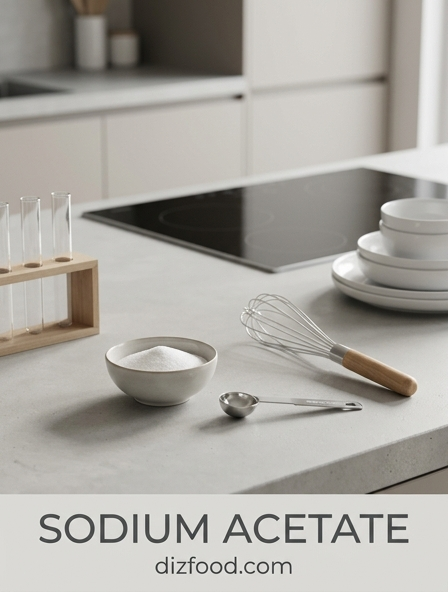
As the initial turbulence of the vinegar and baking soda mixture subsides, a significant molecular transition occurs, resulting in the formation of sodium acetate. This transition involves the exchange of ions where the sodium from the baking soda bonds with the acetate group from the vinegar. The result is a salt that remains dissolved in the excess water produced during the reaction. Unlike the aggressive nature of the reactants, sodium acetate is a relatively stable and mild compound that plays a crucial role in the final chemical landscape of the mixture.
- Ionic Exchange: Sodium ions detach from the bicarbonate structure to seek new partners.
- Proton Transfer: Hydrogen ions move from the acetic acid to the bicarbonate ion.
- Equilibrium: The solution eventually reaches a state where the active acid and base are neutralized.
- Solubility: The newly formed sodium acetate remains in an aqueous state within the kitchen environment.
This molecular shift is essential because it signifies the completion of the cleaning or reacting process. The transition ensures that the harsh acidic properties of vinegar and the alkaline nature of baking soda are balanced, leaving behind a solution that is safe for various surfaces while still retaining some latent chemical utility.
From Active Bubbles to Neutralized Salt
The most visible stage of the kitchen reaction is the production of active bubbles, which consist of carbon dioxide gas escaping the liquid medium. This fizzing is a transient phase that marks the decomposition of carbonic acid, an unstable intermediate formed during the mixing process. Once the gas has completely dissipated into the air, the "work" of the reaction shifts from physical agitation to chemical equilibrium. What remains in the bowl or drain is a clear solution primarily composed of water and dissolved sodium acetate salt.
This neutralized salt represents the end of the high-energy state of the reaction. In terms of kitchen utility, the transition from active bubbles to salt indicates that the mechanical scrubbing power of the carbon dioxide has concluded. However, the presence of sodium acetate is significant; it acts as a buffering agent and can contribute to the removal of certain mineral deposits. Understanding this lifecycle-from the loud, energetic fizz to the quiet, stable salt-helps homeowners better time their cleaning efforts, ensuring they utilize the mechanical energy of the bubbles before the solution settles into its final neutralized form.
Acetic Acid and Sodium Bicarbonate Interactions
The efficacy of this kitchen reaction relies entirely on the specific properties of acetic acid and sodium bicarbonate. Acetic acid is a weak organic acid, characterized by its pungent odor and ability to donate protons. Sodium bicarbonate, conversely, is a mild base and a crystalline solid that acts as a buffering agent. When these two meet, the interaction is predictable yet highly effective for household maintenance. The acid attacks the bicarbonate, triggering an immediate release of energy and a rearrangement of atomic bonds.
| Property | Sodium Bicarbonate | Acetic Acid (Vinegar) |
|---|---|---|
| Chemical Role | Weak Base | Weak Acid |
| Physical State | Crystalline Powder | Aqueous Liquid |
| Common Use | Deodorizing/Scrubbing | Degreasing/Descaling |
| Reaction Product | Carbon Dioxide | Sodium Acetate |
The interaction is thermodynamically favorable, meaning it occurs spontaneously at room temperature. This makes it an ideal solution for quick kitchen fixes, as no external heat source is required to initiate the transformation into sodium acetate and carbon dioxide. The balance between these two chemicals is the cornerstone of non-toxic home care.
The Science of the Fizzing Reaction
The "fizz" that occurs when vinegar hits baking soda is more than just a visual curiosity; it is a rapid release of carbon dioxide (CO2) gas. This phenomenon happens because the reaction creates carbonic acid, which is highly unstable at room temperature. The carbonic acid almost instantly decomposes into water and CO2. The gas expands rapidly, creating the pressure and foam that many people use to physically dislodge debris from tight spaces or textured surfaces in the kitchen. This kinetic energy is a byproduct of the chemical potential energy stored within the reactants.
Mathematically and scientifically, the volume of fizz is proportional to the concentration of the acetic acid used. If one uses concentrated cleaning vinegar, the reaction is significantly more violent and produces sodium acetate much faster than standard culinary vinegar. The speed of the fizzing reaction also depends on the surface area of the baking soda; fine powders react more instantaneously than clumped granules. This science demonstrates how a simple acid-base neutralization can be harnessed to perform mechanical work, such as lifting a stain or clearing a slow-moving drain, before the chemical energy is fully spent and the solution turns into a stable salt brine.
Why Sodium Acetate Forms in Your Sink
When you pour baking soda followed by vinegar down a kitchen sink, you are essentially creating a localized chemical reactor. The primary goal is usually to clear a clog or eliminate odors, but the inevitable result is the synthesis of sodium acetate within the plumbing. As the two substances mix in the P-trap, the resulting sodium acetate solution helps to flush away the remaining vinegar and soda, ensuring that no harsh acids or bases sit against the metal or plastic pipes for an extended period. This salt is highly soluble in water, making it easy to rinse away.
- Introduction: Baking soda is packed into the drain opening.
- Activation: Vinegar is poured over the powder, initiating the fizzing.
- Agitation: Carbon dioxide bubbles push against grease and hair.
- Completion: Sodium acetate forms as the reaction stabilizes.
- Flushing: Hot water rinses the remaining salt and debris through the pipes.
The formation of sodium acetate is beneficial here because it is a non-corrosive byproduct. Unlike commercial drain cleaners that use lye or sulfuric acid, the sodium acetate generated in your sink is environmentally benign and safe for septic systems, providing a gentle chemical finish to the mechanical action of the gas.
Understanding the Acid Base Cleaning Synergy
The synergy between baking soda and vinegar is often misunderstood; many believe the cleaning power comes from the final mixture. However, the true synergy lies in the reaction process itself. The alkalinity of the baking soda is excellent for dissolving proteins and fats, while the acidity of the vinegar is superior for removing mineral scales and hard water deposits. When used sequentially or during the active phase of the reaction, they tackle a wider range of kitchen soils than either could alone. The sodium acetate produced at the end is a sign that the "active" window has closed.
This synergy is particularly effective because the reaction creates a physical agitation that traditional liquid cleaners lack. While the sodium acetate solution does have some mild surfactant properties, the primary cleaning benefit occurs during the transition state. The sudden shift in pH levels can also shock microbes, contributing to a cleaner and more hygienic kitchen surface. By understanding that the maximum cleaning power is achieved during the molecular reorganization into sodium acetate, users can more effectively apply these substances to stubborn kitchen messes, ensuring they don't wait too long to scrub after the fizzing stops.
The Chemical Byproducts of Natural Cleaners
In the quest for a "green" kitchen, many turn to vinegar and baking soda to avoid synthetic detergents. It is important to recognize that even "natural" cleaners produce chemical byproducts. In this case, the primary byproducts are water, carbon dioxide, and sodium acetate. Sodium acetate is frequently used in the food industry as a seasoning (it provides the "salt and vinegar" flavor in chips) and as a preservative. Thus, the residue left in your kitchen after cleaning is far safer than the complex residues left by commercial surfactants and artificial fragrances.
- Water: Acts as a solvent for the remaining ions.
- Carbon Dioxide: Disperses harmlessly into the kitchen air.
- Sodium Acetate: A biodegradable salt that poses no risk to waterways.
- Residual Reactants: Small amounts of unreacted soda or vinegar may remain depending on the ratio used.
The environmental footprint of sodium acetate is negligible. It breaks down easily in wastewater treatment plants and does not bioaccumulate. This makes the byproduct profile of this specific kitchen reaction one of the safest chemical interactions a homeowner can facilitate. The simplicity of these byproducts reinforces why the transition to sodium acetate remains the gold standard for eco-conscious household maintenance.
Breaking Down the Sodium Acetate Synthesis
The synthesis of sodium acetate in a kitchen environment is a textbook example of a multi-step reaction occurring in a single vessel. First, the acetic acid (CH3COOH) reacts with sodium bicarbonate (NaHCO3) to produce sodium acetate (CH3COONa) and carbonic acid (H2CO3). This is an immediate exchange of the sodium ion for a hydrogen ion. The second step is the spontaneous decomposition of that carbonic acid into water (H2O) and carbon dioxide gas (CO2). This two-part dance is what makes the reaction so distinctive and useful for domestic tasks.
To synthesize a pure sodium acetate solution, one would need to carefully measure the stoichiometric ratios of the two reactants. In a kitchen, however, the mixture is usually "imprecise," leading to an excess of either vinegar or baking soda. Regardless of the precision, the formation of sodium acetate is the thermodynamic "sink" of the reaction-it is the stable state that the chemicals seek. This process effectively converts the high chemical potential of the separate reactants into a lower-energy state, releasing heat and gas in the process. Understanding this breakdown allows for a deeper appreciation of the complex physics occurring in a simple mixing bowl.
Effective Cleaning Through Chemical Transformation
Effective kitchen cleaning often requires a balance between chemical dissolution and physical force. The transformation of baking soda and vinegar into sodium acetate provides both. During the reaction, the bubbling provides the physical force necessary to lift dried food or grease from surfaces like stovetops or oven interiors. Simultaneously, the chemical transition works to neutralize odors by reacting with acidic or basic odor molecules, converting them into non-volatile salts. This dual-action approach is why the "fizzing" method remains so popular despite the availability of specialized modern chemicals.
Ultimately, the goal of using these substances is to leverage their transformation. Once the sodium acetate has formed, the solution can be wiped away, taking the dissolved grime with it. The salt itself can also act as a very mild abrasive if the water is allowed to evaporate slightly, creating small crystals. By viewing the process as a journey from two separate reagents to a unified sodium acetate solution, users can better harness the different stages of the reaction for specific cleaning challenges. Whether it is descaling a kettle or brightening a stainless steel sink, the chemical transformation into sodium acetate is the engine driving the results.




Comments