
When it comes to getting dinner on the table faster, the battle between induction and gas boiling often boils down to sheer physics. While the classic blue flame of a gas stove offers a familiar, tactile experience, it loses a significant amount of energy to the surrounding air, resulting in slower heat-up times and a hotter kitchen. In contrast, induction cooktops utilize electromagnetic energy to turn your cookware into the heat source itself, offering unparalleled speed and nearly 90% thermal efficiency. Whether you are looking to shave minutes off your pasta prep or reduce your monthly energy consumption, understanding the technical edge of induction over gas can significantly streamline your kitchen workflow and improve your cooking precision.
| Feature | Induction Heating | Gas Combustion |
|---|---|---|
| Boil Speed (1L Water) | Approx. 2-3 minutes | Approx. 5-8 minutes |
| Thermal Efficiency | ~85% to 90% (Direct heat) | ~40% to 55% (High heat loss) |
| Temperature Control | Instant, digital precision | Visual flame adjustment |
| Safety Profile | Cool-to-touch surface; no flame | Open flame; hot grates; gas leaks |
| Ambient Heat Gain | Minimal; keeps kitchen cool | High; raises room temperature |
| Requirements | Magnetic (Ferrous) cookware | Standard cookware; gas line |
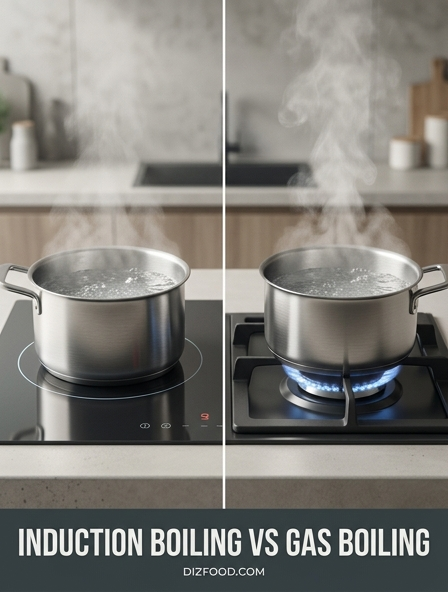
Induction vs Gas Boiling Speed Comparison
In the culinary world, the speed at which a liquid reaches a rolling boil is often the primary metric for cooktop performance. Induction technology consistently outperforms gas in this category due to its fundamental heating mechanism. While gas relies on thermal radiation and convection-transferring heat from a flame to a grate, then to the pot-induction uses electromagnetic fields to excite iron molecules directly within the cookware. This results in an immediate internal heat source that bypasses the need for an intermediate medium.
Extensive kitchen testing demonstrates that induction can bring a standard quart of water to a boil in approximately half the time required by a high-output gas burner. For home chefs, this translates to significant time savings during meal preparation, especially for water-heavy tasks like boiling pasta or preparing large batches of stock. The following table illustrates the typical time differences observed in a controlled kitchen environment:
| Volume of Water | Induction Time | Gas Time (15k BTU) |
|---|---|---|
| 1 Liter | ~2.5 Minutes | ~5.0 Minutes |
| 4 Liters | ~8.0 Minutes | ~14.5 Minutes |
The discrepancy in speed is largely due to energy loss. With gas, a significant portion of the heat escapes around the sides of the pot, heating the kitchen air instead of the water. Induction ensures that nearly every watt of energy consumed is converted into heat within the vessel, making it the undisputed champion of boiling speed.
Energy Efficiency Ratings for Modern Cooktops
Energy efficiency is a critical factor for environmentally conscious homeowners and those looking to reduce their utility footprints. When comparing induction and gas ranges, the efficiency ratings reveal a stark contrast. Induction cooktops are widely regarded as the most efficient cooking technology available today, boasting an efficiency rating of approximately 85% to 90%. This means that the vast majority of the energy drawn from the electrical outlet is used directly for cooking.
In contrast, gas cooktops are significantly less efficient, typically ranging between 35% and 40%. The primary reason for this inefficiency is the nature of an open flame. Much of the energy produced by burning natural gas or propane is lost to the surrounding environment rather than being absorbed by the cookware. Factors contributing to the efficiency gap include:
- Heat Transfer Method: Induction creates a magnetic circuit with the pan, whereas gas must heat the air before the pan.
- Surface Heat Loss: Gas flames allow heat to rise and dissipate into the kitchen, requiring vent hoods to work harder.
- Residual Heat: Induction surfaces cool rapidly because they do not get hot themselves, while gas grates retain thermal energy long after the flame is extinguished.
By maximizing the percentage of energy that actually reaches the food, induction reduces wasted power. This efficiency not only speeds up the cooking process but also aligns with modern building standards that prioritize low-energy appliances for sustainable living.
Precision Temperature Control for Perfect Boiling
Achieving the perfect boil is not always about maximum heat; often, it requires the ability to maintain a precise temperature for delicate tasks like poaching or creating specific emulsions. Induction cooktops offer a level of digital precision that traditional gas knobs struggle to match. Because induction systems use electronic sensors to monitor the temperature of the cookware bottom, they can adjust the magnetic field instantaneously to maintain a steady state.
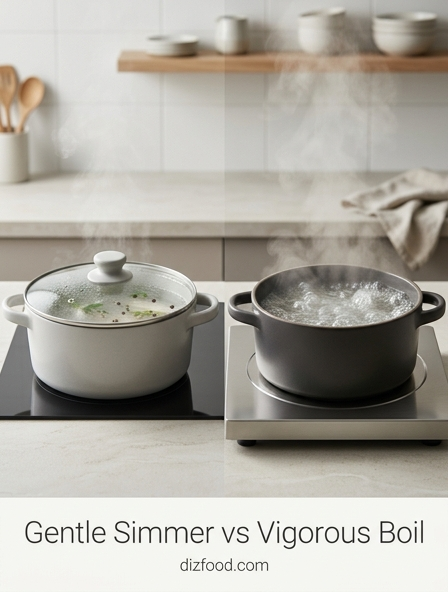
Gas ranges offer a visual cue-the size of the flame-which many professional chefs find intuitive. However, the actual heat delivered to the pot can fluctuate based on air drafts in the kitchen or the pressure of the gas line. When a chef turns an induction burner down from a rolling boil to a low simmer, the response is immediate. There is no thermal lag because the heat source is the pan itself, not a glowing grate or a cooling flame.
For technical boiling, such as keeping a sugar solution at a specific "soft ball" stage or maintaining a gentle simmer for a consommé, induction's incremental power levels provide a consistent environment. This prevents the "hot spots" often associated with gas burners, where the center of the pot may be significantly hotter than the edges. The result is a more uniform heat distribution, ensuring that every drop of liquid in the vessel reaches the desired state simultaneously without risk of scorching the bottom.
Safety Features of Induction vs Open Flame Gas
Kitchen safety is a paramount concern for families, particularly those with small children or pets. Induction and gas cooktops represent two very different safety profiles. Induction is fundamentally safer because it eliminates the two primary risks associated with range cooking: open flames and extremely hot surfaces. Since the cooktop only generates heat when a magnetic pot is present, the surface itself remains relatively cool to the touch even during a vigorous boil.
Gas ranges, while beloved for their tactile feedback, introduce several hazards into the domestic environment. The presence of an open flame increases the risk of igniting loose clothing, kitchen towels, or grease spatters. Additionally, gas appliances carry the inherent risk of carbon monoxide leaks or unburned gas escaping if the flame is accidentally extinguished by a draft or a boil-over. Key safety advantages of induction include:
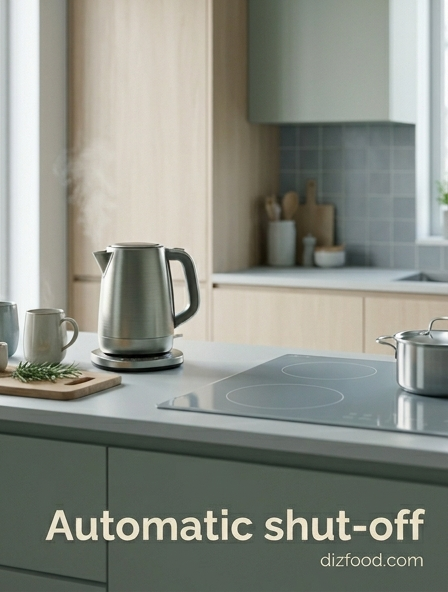
- Automatic Shut-off: Induction burners turn off immediately when the pan is removed, breaking the magnetic circuit.
- No Ambient Heat: The lack of a flame prevents the handles of pots from becoming dangerously hot.
- Child Locks: Most induction units feature digital locks to prevent accidental activation.
- Indoor Air Quality: Induction produces no combustion byproducts, keeping the kitchen air free of nitrogen dioxide and carbon monoxide.
While gas ranges have improved with safety valves and electronic ignition, they cannot compete with the "cool-touch" technology of induction, which drastically reduces the incidence of contact burns and accidental fires in the home.
Operating Costs and Long Term Energy Savings
The financial aspect of choosing between induction and gas involves balancing initial investment against ongoing operational expenses. Generally, induction cooktops have a higher upfront purchase price and may require an electrical panel upgrade to handle the 40-50 amp circuit needed for the appliance. However, when examining the long-term energy savings, induction often proves to be the more economical choice in regions with high gas prices or accessible renewable energy.
Because induction is nearly twice as efficient as gas, it uses less raw energy to achieve the same culinary results. When boiling water for a family every day, these fractional savings accumulate. To evaluate the long-term cost-effectiveness, one should consider the following steps:
- Analyze local utility rates to compare the cost per therm of gas versus the cost per kilowatt-hour of electricity.
- Calculate the reduction in cooling costs; since induction doesn't heat the kitchen, air conditioning systems work less during the summer months.
- Factor in the longevity of the appliance; induction units have fewer moving parts than gas valves, though electronic repairs can be more costly.
- Assess the potential for "decarbonization" rebates offered by local governments for switching to electric appliances.
While the "payback period" for an induction range can vary, the combined savings from energy efficiency and reduced HVAC load make it a compelling financial argument over a ten-year appliance lifespan. For many users, the time saved in the kitchen also represents an intangible but valuable return on investment.
Required Cookware for Induction and Gas Ranges
The transition from gas to induction is often complicated by the requirement for specific types of cookware. Gas is essentially "vessel agnostic." Because it uses a physical flame, it can heat virtually any heat-resistant material, including copper, aluminum, ceramic, and glass. This flexibility allows chefs to use specialized pans like round-bottomed woks or traditional clay pots without issue.
Induction, however, is strictly limited to "ferromagnetic" materials. If a magnet does not stick firmly to the bottom of your pan, it will not work on an induction range. This requirement exists because the electromagnetic field must have a medium with which to create a circuit. Users switching to induction may need to audit their current kitchen inventory. Common compatible and incompatible materials include:
- Compatible: Cast iron, enameled cast iron, and many types of stainless steel (specifically "induction-ready" multi-clad stainless).
- Incompatible: Pure copper, aluminum, glass, and some high-nickel stainless steel alloys.
- Check Method: Use a simple refrigerator magnet on the base of the pot; a strong pull indicates compatibility.
While this limitation may seem like a drawback, most modern high-end cookware is manufactured with an induction-compatible steel base plate. Furthermore, the flat-bottom requirement for induction ensures better stability and contact, whereas gas can accommodate warped or uneven pans more easily. Investing in a set of heavy-duty, induction-compatible pans is generally considered a one-time upgrade that enhances the boiling performance of the stove.
Heat Retention and Ambient Kitchen Temperature
One of the most noticeable differences when boiling large quantities of water is how the cooktop affects the comfort of the chef. Gas ranges are notorious for raising the ambient temperature of a kitchen. Because a gas flame is an inefficient heat source, roughly 60% of the energy produced escapes the pot and radiates into the room. During a long boil, this can turn a small kitchen into an uncomfortably hot environment, necessitating high-powered ventilation and increased air conditioning.
Induction cooking is a "cool" process. Since the glass surface is not a heat source and there is no flame, the air around the pot remains relatively stable. The only heat present is the thermal energy radiating from the boiling water itself. This makes induction a superior choice for warm climates or compact kitchen layouts where heat buildup is a significant concern. The lack of waste heat also means that kitchen cabinets and overhead fans are less likely to accumulate the sticky residue often caused by the combination of heat, steam, and gas combustion byproducts.
Furthermore, the thermal mass of gas grates means they stay hot for a long time after the meal is finished. Induction surfaces, however, only hold the heat that was transferred back from the pot. This rapid cooling allows the kitchen to return to its baseline temperature much faster, creating a more pleasant post-cooking environment for dining and cleaning.
Cleaning and Maintenance for Boiling Over Spills
Spills and boil-overs are an inevitable part of kitchen life. The cleaning experience differs vastly between these two technologies. A gas range consists of several components-heavy cast-iron grates, burner caps, and the stovetop "well"-all of which can become coated in baked-on food. When a pot of starchy pasta water boils over on a gas range, the liquid seeps into the burner assembly and hardens under the intense heat of the flame, often requiring vigorous scrubbing and soaking.
Induction cooktops feature a continuous, flat glass-ceramic surface. Because the surface under the pot never reaches the extreme temperatures of a gas flame, spilled food does not "bake" onto the glass. Most spills can be wiped away with a damp cloth immediately after moving the pot. The maintenance advantages of induction include:
- Seamless Surface: No nooks or crannies for crumbs or liquids to hide in.
- Cool Glass: Since the surface is relatively cool, sugars and starches don't carbonize, preventing the need for scrapers.
- Simplicity: No need to disassemble grates or clean individual burner ports to ensure proper gas flow.
For those who value a pristine kitchen with minimal effort, induction is the clear winner. While the glass surface requires non-abrasive cleaners to prevent scratching, the overall time spent on maintenance is a fraction of what is required to keep a professional-grade gas range looking its best.
Environmental Impact of Gas vs Electric Induction
The environmental debate between gas and induction is centered on the transition from fossil fuels to renewable energy. Gas cooktops burn methane, a potent greenhouse gas. Beyond the carbon dioxide released during combustion, gas ranges have been shown to leak small amounts of unburned methane even when turned off. These emissions contribute to climate change and, perhaps more urgently, degrade indoor air quality. Studies have linked the use of gas stoves to increased levels of nitrogen dioxide (NO2) and particulate matter, which can exacerbate respiratory issues like asthma.
Induction, being powered by electricity, offers a path toward a zero-emission kitchen. As the electrical grid becomes greener-incorporating more wind, solar, and hydroelectric power-the "carbon footprint" of boiling a pot of water on an induction stove continues to shrink. Benefits of induction for the environment include:
- Zero On-site Combustion: No harmful gases are released into the home.
- Lower Waste: High efficiency means less total energy is pulled from the grid.
- Future-Proofing: Induction aligns with the global movement toward "electrification" of the home.
While the manufacturing of electronics has its own environmental costs, the operational impact of induction is significantly lower than that of gas. For consumers looking to reduce their personal contribution to climate change, switching to induction is one of the most impactful changes they can make in the domestic sphere.
Final Verdict on the Best Method for Boiling Water
When evaluating the totality of the boiling experience-speed, efficiency, safety, and cleanliness-the final verdict heavily favors induction. For the specific task of boiling water, induction is objectively superior. It reaches the boiling point faster than any other technology, uses the least amount of energy, and provides the safest environment for the user. While the traditional gas flame offers a nostalgic and tactile experience that many chefs appreciate for stir-frying or charring peppers, it cannot compete with the raw performance of electromagnetic heating for liquid-based cooking.
The primary hurdles for induction remain the initial cost and the requirement for compatible cookware. However, these are one-time challenges that are quickly outweighed by the daily benefits of a cooler kitchen, faster meal prep, and easier cleanup. For the modern home cook, the precision and power of induction represent the future of culinary technology. Gas remains a viable and reliable tool, but for the specific goal of "perfect boiling," induction is the undisputed gold standard. Whether you are an enthusiast looking for professional-grade speed or a parent prioritizing safety and air quality, the transition to induction is a worthwhile investment that pays dividends in both time and environmental impact.


Comments