
Thermal Efficiency Gaps Between Gas and Induction
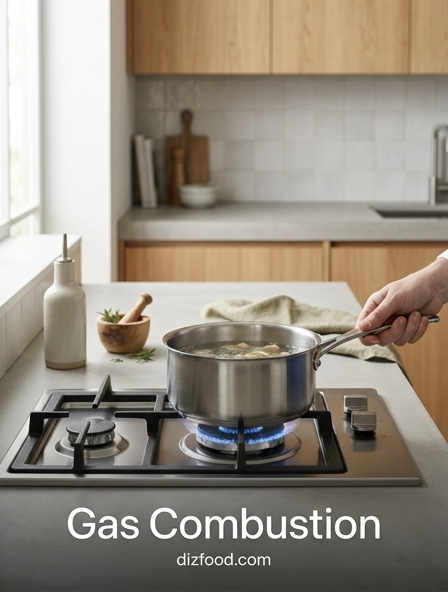
The fundamental difference between gas combustion and induction cooking lies in the method of energy transfer. Gas stoves rely on the combustion of methane or propane to produce a flame, which then heats the air before reaching the cookware. This indirect method results in significant thermal energy escaping into the surrounding environment. In contrast, induction technology uses electromagnetic fields to excite iron atoms within the cookware, generating heat directly inside the vessel. This minimizes the intermediary steps where energy is typically lost.
| Technology | Typical Efficiency | Primary Heat Source |
|---|---|---|
| Gas Combustion | 35% - 40% | Open Flame / Convection |
| Electric Radiant | 70% - 75% | Thermal Radiation |
| Induction | 85% - 90% | Electromagnetic Induction |
By comparing these metrics, it becomes clear that gas combustion is inherently less efficient. A significant portion of the purchased fuel is converted into ambient heat that increases kitchen temperatures rather than cooking the food, requiring additional energy for ventilation and cooling.
Quantifying Heat Loss in Gas Boiling Processes
When boiling water on a gas range, the convective nature of the flame causes a substantial amount of heat to bypass the sides of the pot. Factors such as burner size, flame height, and pot diameter significantly influence the volume of wasted energy. As the hot gases rise, they transfer only a fraction of their thermal energy to the bottom of the vessel before dissipating into the kitchen atmosphere. This inefficiency is not merely a theoretical concern but a measurable loss in thermodynamic performance.
- Convective Bypass: Heat rising around the exterior walls of the vessel.
- Radiation Loss: Infrared energy emitted by the flame and burner grates.
- Thermal Mass Retention: Energy required to heat heavy iron grates before the vessel receives heat.
- Ambient Dissipation: The warming of the room air through uncaptured combustion heat.
Studies indicate that nearly 60% of the energy produced by gas combustion never enters the liquid being boiled. This quantifiable gap highlights the mechanical limitations of using open flames for precision tasks, where the focus should be on direct energy injection rather than atmospheric heating.
Indoor Air Quality and Combustion Byproducts
The combustion of natural gas in an enclosed kitchen environment releases a variety of chemical byproducts that can compromise indoor air quality. Unlike electric or induction systems, gas burners act as unvented appliances in many residential settings, allowing pollutants to accumulate during prolonged cooking sessions. These byproducts are the result of high-temperature chemical reactions between the fuel and the nitrogen and oxygen present in the air.
- Nitrogen Dioxide (NO2): A respiratory irritant produced during high-heat combustion.
- Carbon Monoxide (CO): A colorless, odorless gas resulting from incomplete combustion.
- Particulate Matter (PM2.5): Microscopic particles that can penetrate deep into the lungs.
- Formaldehyde: A volatile organic compound often detected near gas ranges.
The health implications of these pollutants are well-documented, particularly concerning pediatric asthma and other chronic respiratory conditions. Proper ventilation via high-CFM range hoods can mitigate some risks, but the most direct method for improving indoor air quality remains the elimination of the combustion source itself in favor of cleaner alternatives.
Electromagnetic Precision in Temperature Control
Induction cooking leverages the principles of electromagnetism to provide a level of precision that gas combustion cannot replicate. Because the heat is generated within the metal of the pan itself, the response to adjustments in power settings is nearly instantaneous. There is no "thermal lag" associated with heating a gas grate or waiting for a flame to warm a ceramic surface. This allows for meticulous control over delicate tasks such as tempering chocolate or simmering sauces without the risk of scorching.
- Digital Wattage Regulation: Power is delivered in precise increments.
- Uniform Heat Distribution: Eliminates hot spots caused by uneven flame patterns.
- Low-End Stability: Maintains extremely low temperatures consistently.
- Feedback Loops: Many systems can detect the temperature of the pan bottom.
In a gas environment, the lowest setting is limited by the stability of the flame; if the gas flow is too low, the flame will extinguish. Induction avoids this limitation entirely, offering a dynamic range of temperatures that supports both high-sear techniques and the most sensitive low-heat applications required in professional culinary environments.
Rapid Boiling Performance Metrics
The speed at which a heating element can bring a liquid to a boil is a primary indicator of its power density and efficiency. Gas burners are often perceived as powerful due to the visual presence of a large flame, but the actual rate of heat transfer is relatively slow. Induction systems can deliver a higher percentage of their total power output directly to the water, resulting in significantly shorter wait times for the end user.
| Metric | Standard Gas (12k BTU) | Induction (3.7kW Boost) |
|---|---|---|
| Time to Boil 2L Water | 8 - 10 Minutes | 4 - 5 Minutes |
| Energy Consumed | ~2.0 kWh Equivalent | ~0.75 kWh |
| Heat Retained in Vessel | Low to Moderate | Extremely High |
These metrics demonstrate that induction is roughly twice as fast as gas for boiling tasks. This speed is a direct result of avoiding the middleman of air-based convection. For high-volume kitchens, this increased throughput can lead to greater operational efficiency and reduced labor time per dish.
The Physics of Direct Vessel Heating
The science behind induction relies on the interaction between an alternating magnetic field and the ferromagnetic properties of the cookware. Beneath the glass-ceramic surface, a copper coil carries an alternating current, creating a rapidly oscillating magnetic field. When a compatible pan is placed on the surface, the field induces "eddy currents" within the metal. The resistance of the metal to these currents generates heat through Joule heating, effectively turning the cookware into the heating element itself.
- Eddy Currents: Circular electric currents induced within conductors.
- Hysteresis Loss: Heat generated by the rapid flipping of magnetic dipoles.
- Ferromagnetic Requirement: Cookware must contain iron or nickel.
- Skin Effect: Concentration of current near the surface of the pan.
Because the cooktop surface does not generate heat itself, it remains relatively cool to the touch throughout the process. This physical phenomenon ensures that energy is concentrated exactly where it is needed-within the pan-rather than being radiated into the room or lost to the surrounding air via inefficient combustion cycles.
Safety Profiles of Open Flames Versus Induction Surfaces
Safety is a critical consideration in both residential and commercial kitchens. Gas combustion introduces several inherent risks, including the potential for gas leaks, carbon monoxide poisoning, and fires caused by flammable objects coming into contact with an open flame. Furthermore, the metal grates on gas stoves remain dangerously hot for a significant period after the flame has been extinguished, presenting a persistent burn hazard to kitchen staff and residents.
- Fire Hazard: Open flames can ignite clothing, oils, or nearby towels.
- Auto-Shutoff: Induction burners turn off automatically when the pan is removed.
- Surface Temperature: The cooktop only warms via residual heat from the pan.
- Gas Leakage: Risk of explosion or asphyxiation from faulty valves or lines.
Induction surfaces mitigate these risks by eliminating the flame and reducing the thermal mass of the cooking surface. Since the surface stays cooler, spilled food is less likely to burn and stick, which also simplifies cleaning and maintenance while maintaining a safer workspace for the operator.
Energy Waste and Operational Cost Comparison
The total cost of operating a kitchen involves more than just the price of the fuel. While natural gas may have a lower "per therm" cost in some regions, the extreme waste associated with combustion often narrows the gap when compared to high-efficiency electricity. Furthermore, the heat wasted by gas stoves must be removed by the building's HVAC system, leading to higher cooling costs during summer months. This secondary energy consumption is rarely factored into the initial cost analysis.
| Cost Factor | Gas Impact | Induction Impact |
|---|---|---|
| Direct Fuel Cost | Lower per unit | Higher per unit |
| Efficiency Loss | High (60% waste) | Low (10% waste) |
| HVAC Burden | Significant load | Minimal load |
| Ventilation Needs | High CFM required | Standard ventilation |
When evaluating the total cost of ownership, induction often proves to be more economical in professional environments. The reduction in kitchen ambient temperature leads to improved worker productivity and lower utility bills for climate control, offsetting the potentially higher cost of electricity.
Responsive Heat Adjustment and Thermal Inertia
In culinary arts, the ability to change temperatures rapidly is vital. Gas has long been favored by chefs because the flame can be adjusted visually and responds immediately to the turn of a dial. However, gas systems suffer from high thermal inertia in the heavy cast-iron grates. These grates store a significant amount of heat, meaning that even when the flame is lowered, the pan continues to receive energy from the hot metal beneath it.
- Instant Cut-off: Induction stops energy transfer the millisecond the setting is changed.
- Low Thermal Mass: The glass surface holds very little heat compared to iron grates.
- Visual Feedback: Modern induction interfaces provide digital precision.
- Consistent Performance: Eliminates variables like drafts affecting the flame.
The lack of thermal inertia in induction cooking allows for more agile kitchen operations. A chef can move from a high-heat sear to a gentle simmer with more reliability than on a gas range, where the residual heat of the burner assembly can cause overcooking or carry-over heating during delicate transitions.
Transitioning to Carbon Neutral Kitchen Technology
As global energy policy shifts toward decarbonization, the kitchen remains a primary target for electrification. Natural gas is a fossil fuel consisting mostly of methane, a potent greenhouse gas. By transitioning to induction, kitchens can be powered by renewable energy sources such as wind, solar, or hydro-power. This shift is essential for meeting net-zero emissions targets and reducing the carbon footprint of both the hospitality industry and private households.
- Renewable Integration: Electric kitchens can run on 100% green energy.
- Methane Leaks: Eliminates upstream leaks from the gas distribution network.
- Regulatory Compliance: Adapting to new building codes that ban gas hookups.
- Future-Proofing: Protecting against the rising costs of carbon-intensive fuels.
The transition to carbon-neutral technology is not merely an environmental choice but a technological upgrade. Induction offers a superior cooking experience while aligning with broader sustainability goals. By removing combustion from the kitchen, we create spaces that are healthier for occupants and significantly less damaging to the global climate, marking a new era in culinary engineering.




Comments