
Ever wonder how professional chefs keep their vegetables looking impossibly bright and snap-crisp? The secret lies in the dynamic duo of blanching and shocking. Blanching involves a quick plunge into boiling water to neutralize enzymes that cause decay and dull colors, while shocking-the immediate transfer to an ice bath-halts the cooking process instantly. Together, these techniques serve as the ultimate culinary hack for meal prep masters and home cooks alike, ensuring your greens retain their nutritional integrity, vibrant chlorophyll, and that signature "al dente" bite for salads, stir-fries, or long-term freezing.
| Feature | Blanching (Process) | Shocking (Reaction) |
|---|---|---|
| Primary Goal | Deactivates enzymes & softens tissues. | Stops carryover cooking instantly. |
| Temperature | Boiling point: 212°F (100°C). | Ice slurry: 32°F-40°F (0°C-4°C). |
| Visual Effect | Brightens and intensifies natural pigments. | "Locks in" color to prevent browning. |
| Texture Result | Breaks down raw fiber; tenderizes. | Preserves structural "snap" and crunch. |
| Timing | 1-5 minutes (varies by vegetable). | Equal to or double the blanching time. |
| Purpose | Prep for freezing or further cooking. | Ensures precise texture control. |
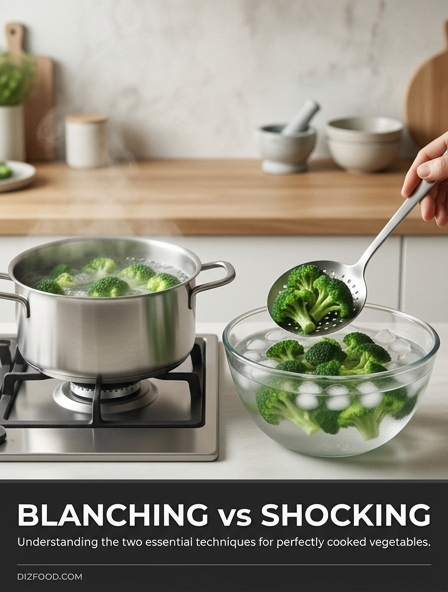
Blanching and Shocking Defined
Blanching is a fundamental culinary technique that involves briefly submerging food, typically vegetables or fruits, in boiling water or steam for a specific, short duration. Unlike traditional boiling, the goal of blanching is not to cook the food thoroughly but to achieve a precise physiological change within the plant tissue. This process serves several critical purposes: it softens the outer skin to make peeling easier, partially cooks the item to reduce final preparation time, and, most importantly, deactivates the enzymes responsible for decay and discoloration. By exposing the food to high heat for a limited window, you effectively "reset" the biological clock of the produce, ensuring it remains vibrant and structurally sound for immediate use or long-term storage.
Shocking, often referred to as "refreshing," is the mandatory second half of this culinary duo. It involves immediately plunging the blanched food into an ice-water bath-a bowl filled with a mixture of cold water and a significant amount of ice. The primary objective of shocking is to halt the cooking process instantly. Without this rapid temperature drop, the residual heat trapped within the vegetable would continue to cook the fibers, leading to a mushy texture and a loss of the brilliant colors achieved during the blanching phase. Together, these two steps represent a controlled manipulation of temperature that allows chefs to maintain the "peak" qualities of fresh produce long after it has left the heat source. Understanding this relationship is essential for anyone looking to master vegetable preparation, whether for a dinner party or high-volume meal prep.
Key Differences Between Blanching and Shocking
While blanching and shocking are almost always performed in sequence, they are distinct processes with opposite thermal goals. Blanching is the "action" phase where heat is applied to transform the raw ingredient. During this stage, the temperature is raised to approximately 212°F (100°C) to neutralize enzymes like polyphenol oxidase. This phase is characterized by a "par-cooking" effect, where the vegetable is rendered "al dente" or slightly softened but still retains its structural integrity. The duration is measured in seconds or minutes, depending strictly on the density and size of the ingredient.
Shocking, conversely, is the "reaction" phase. Its goal is the immediate extraction of heat. While blanching uses kinetic energy to alter the food, shocking uses a heat sink-the ice bath-to stabilize it. The differences can be summarized by their impact on the food's state:
- Temperature Direction: Blanching moves upward to boiling; shocking moves downward to freezing.
- Biological Impact: Blanching kills enzymes and alters cell walls; shocking preserves the current state and prevents cellular collapse from overcooking.
- Texture Goal: Blanching tenderizes; shocking maintains "snap" and crispness.
- Color Impact: Blanching sets the color; shocking locks it in so it does not fade to a dull brown or gray.
In a professional kitchen, the transition between these two must be seamless. If the gap between blanching and shocking is too long, the "key difference" becomes a failure in technique, as the internal temperature of the food will continue to rise, negating the precision of the blanching time.
How Blanching Preserves Vegetable Texture and Color
The visual and textural transformation that occurs during blanching is rooted in chemistry. Most green vegetables contain a high concentration of chlorophyll. When these vegetables are raw, microscopic air pockets surround the cells, which can dim the appearance of the green pigment. When you drop a vegetable into boiling water, these air pockets expand and burst, allowing the vibrant green of the chlorophyll to shine through more clearly. This is why broccoli or green beans often look significantly brighter after thirty seconds in the pot than they did when they were raw. However, if cooked too long, the chlorophyll molecule loses its magnesium atom, causing the vegetable to turn an unappetizing olive-drab color.
Regarding texture, blanching works by modifying the pectin and cellulose within the plant's cell walls. A brief heat treatment softens these fibers just enough to remove the "raw" bitterness and tough crunch, replacing it with a tender-crisp mouthfeel. Furthermore, the heat deactivates enzymes such as catalase and peroxidase. If these enzymes are left active, they will continue to break down the sugars and starches in the vegetable even if it is frozen. By neutralizing them through blanching, you ensure that the vegetable maintains its firm "snap" and sweet flavor over time. This process is particularly vital for vegetables intended for the freezer, as it prevents them from becoming tough, stringy, or flavorless during storage. Without this thermal intervention, the natural degradation processes would continue unabated, resulting in a product that lacks the sensory appeal of fresh produce.
The Critical Role of the Ice Bath in Shocking
The ice bath is not merely a bowl of cold water; it is a thermal barrier that protects the integrity of the food. In physics, heat always moves from a warmer object to a cooler one. When a vegetable is removed from boiling water, its internal temperature is near 212°F. Even when exposed to room air, the center of the vegetable stays hot enough to continue the cooking process-a phenomenon known as carryover cooking. If you simply set the vegetables on a plate, they will continue to steam themselves, leading to a loss of turgidity and a degradation of color within minutes. The ice bath provides a massive, immediate temperature differential that sucks the heat out of the food instantly.
To be effective, the ice bath must be properly prepared. A common mistake is using only cold tap water, which quickly warms up as soon as the hot vegetables are added, losing its effectiveness. A true shock requires a high ice-to-water ratio to ensure the bath stays near 32°F (0°C). The vegetables should remain in the water only until they are completely cold to the touch. Leaving them in too long can lead to waterlogging, where the vegetable absorbs the surrounding liquid and loses its flavor. The critical role of the ice bath, therefore, is one of precision timing. It acts as the "stop" button on a culinary stopwatch, ensuring that the exact degree of doneness achieved in the boiling water is the exact degree of doneness served on the plate or stored in the freezer.
Benefits of Blanching and Shocking for Meal Prep
For home cooks and professional chefs alike, blanching and shocking are indispensable tools for efficient meal preparation. One of the primary benefits is time management. By par-cooking vegetables in advance, you can significantly reduce the time needed for final assembly during the dinner rush. For example, blanched carrots or broccoli only require a quick thirty-second sauté in butter or a brief toss in a hot stir-fry to be ready for service. This ensures that every component of a complex meal finishes at the same time without the risk of burning the aromatics while waiting for tough vegetables to soften.
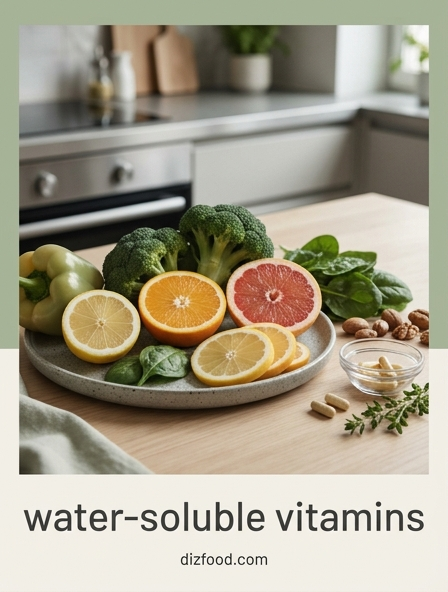
Beyond speed, these techniques are the secret to successful long-term food preservation. If you plan to freeze a surplus of summer vegetables, blanching and shocking are mandatory steps. The process cleanses the surface of dirt and organisms, brightens the color, and slows the loss of vitamins. Specifically, it helps retain water-soluble vitamins like Vitamin C and B-complex, which would otherwise degrade during frozen storage. Additionally, blanched vegetables pack more tightly in freezer bags because they are slightly wilted, allowing for better space management. In summary, the benefits include:
- Vibrant Presentation: Keeps greens looking fresh and appetizing for days in the fridge.
- Texture Control: Prevents the "rubbery" texture often found in frozen, unblanched produce.
- Reduced Prep Time: Shortens the final cooking phase of weeknight meals.
- Nutritional Density: Locks in nutrients that would otherwise be lost to enzymatic decay.
Step by Step Guide to Blanching Vegetables
Achieving the perfect blanch requires a disciplined approach to temperature and timing. Follow these steps to ensure consistent results every time you prepare vegetables for the table or the freezer:
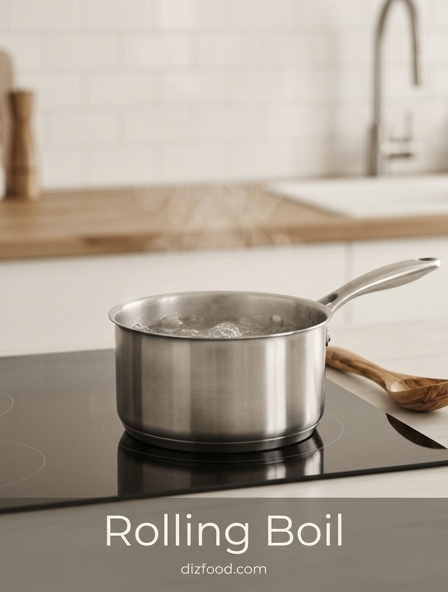
- Prepare the Equipment: Fill a large stockpot with water. Use at least one gallon of water per pound of vegetables to ensure the temperature doesn't drop too much when the food is added. Bring the water to a rolling boil and add a generous amount of salt.
- Prepare the Ice Bath: While the water is heating, fill a large bowl with half ice and half cold water. Place it near the stove for easy access.
- Clean and Cut: Wash your vegetables and cut them into uniform pieces. Uniformity is key; if pieces vary in size, the small ones will overcook while the large ones remain raw.
- The Blanch: Submerge the vegetables in the boiling water. Start your timer immediately. Do not crowd the pot; work in batches if necessary to keep the water boiling.
- The Shock: Once the timer goes off, use a slotted spoon or a "spider" to quickly transfer the vegetables from the boiling water directly into the ice bath.
- Cool and Drain: Stir the vegetables gently in the ice water. Once they feel cold to the core (usually the same amount of time they spent in the boil), remove them immediately and drain thoroughly on a clean kitchen towel or paper towels.
Removing excess moisture after the shock is vital. If the vegetables remain wet, they will steam in storage or cause oil splatters during a later sauté, ruining the texture you worked so hard to preserve.
Why You Should Never Skip the Shocking Process
Skipping the shocking process is a common mistake that undermines the entire purpose of blanching. When you remove a vegetable from boiling water, it doesn't stop cooking the moment it hits the air. Internal heat continues to move through the fibers, further breaking down the cell structure. This is particularly disastrous for delicate greens like asparagus, snow peas, or spinach. Without the rapid cooling of an ice bath, these vegetables will quickly turn from a bright, appetizing green to a muddy, brownish-gray. The texture will shift from a crisp "snap" to a limp, fibrous mush that lacks the structural integrity needed for salads or side dishes.
Furthermore, shocking is essential for food safety and storage quality. If you intend to refrigerate or freeze your blanched vegetables, you must bring their temperature down as quickly as possible. Placing hot or warm vegetables directly into a refrigerator can create a "danger zone" environment where the internal temperature of the container stays warm for too long, potentially encouraging bacterial growth. Additionally, warm vegetables placed in a freezer will create steam inside the packaging. This steam eventually condenses and freezes into ice crystals, which cause "freezer burn" and ruin the flavor and texture of the food. Shocking ensures that the food is stabilized and ready for the cold environment, preserving the "just-blanched" quality for weeks or even months. Simply put, blanching without shocking is just incomplete cooking.
Best Vegetables for Blanching and Shocking
While almost any vegetable can be blanched, some benefit more significantly from the process than others. Green vegetables are the primary candidates because the visual transformation is so dramatic. However, dense root vegetables and certain fruits also rely on this technique for optimal results. Below is a list of the best vegetables to subject to the blanching and shocking method:
- Cruciferous Vegetables: Broccoli and cauliflower are classic choices. Blanching softens the tough stalks while keeping the florets intact and vibrant.
- Legumes: Green beans, snap peas, and edamame are significantly improved by blanching, which removes the "raw bean" taste and sets a deep emerald color.
- Stalks: Asparagus requires very little time in the water but benefits greatly from a quick shock to maintain its elegant shape and crunch.
- Leafy Greens: Spinach, kale, and Swiss chard are often blanched to reduce their volume before being used in fillings for lasagna or spanakopita.
- Root Vegetables: Sliced carrots and parsnips can be blanched to ensure they cook at the same rate as faster-cooking ingredients in a medley.
- Specialty Items: Brussels sprouts can be blanched to mellow their strong sulfurous flavor before roasting.
It is important to note that very soft or high-water-content vegetables, like cucumbers or zucchini (unless being used for specific salads), generally do not respond well to blanching as they can become excessively watery and lose their structural appeal quickly.
Blanching and Shocking Timing Chart for Success
The success of the blanching process is entirely dependent on timing. Even thirty extra seconds can turn a perfect vegetable into an overcooked one. Use the following table as a general guide for the most common vegetables. Note that times may vary slightly based on the size of the pieces and the altitude of your kitchen.
| Vegetable | Preparation | Blanching Time |
|---|---|---|
| Asparagus | Medium spears | 2-3 minutes |
| Broccoli | 1-inch florets | 3 minutes |
| Carrots | Sliced or strips | 2 minutes |
| Corn | On the cob | 7-10 minutes |
| Green Beans | Whole | 3 minutes |
| Peas | Shelled | 1.5-2 minutes |
| Spinach | Whole leaves | 30-90 seconds |
| Zucchini | Sliced | 2 minutes |
Remember the "Golden Rule" of the ice bath: the time spent in the ice water should generally equal the time spent in the boiling water. This ensures that the core of the vegetable is thoroughly chilled, effectively halting all residual cooking. Always test a piece by biting into it or pressing it with a finger; it should be tender but still offer a distinct resistance.
Common Mistakes When Blanching and Shocking Food
Even though the process seems straightforward, several common pitfalls can ruin the quality of your vegetables. One of the most frequent errors is under-salting the water. The blanching liquid should be as salty as the sea. Salt doesn't just season the food; it helps to further set the green color and prevents the vegetable's natural sugars and nutrients from leaching out into the water via osmosis. Without salt, the vegetables can end up tasting bland and looking duller than intended.
Another major mistake is overcrowding the pot. If you dump two pounds of cold vegetables into a single gallon of boiling water, the temperature of the water will plummet. It may take several minutes for the water to return to a boil. During this "warm-up" period, the vegetables are soaking in lukewarm water, which leads to a mushy texture and uneven cooking. It is always better to blanch in small batches to keep the water at a rolling boil. Additionally, inadequate draining is a common failure. If you take the vegetables out of the ice bath and immediately put them into a storage container, the trapped water will dilute the flavor and make the vegetables soggy. Always spread them out on a towel and pat them dry. Finally, misjudging the timing for different vegetables is a frequent error. You cannot blanch carrots and spinach in the same pot at the same time; each ingredient must be timed according to its density to ensure uniform quality across your entire meal prep.

Comments