
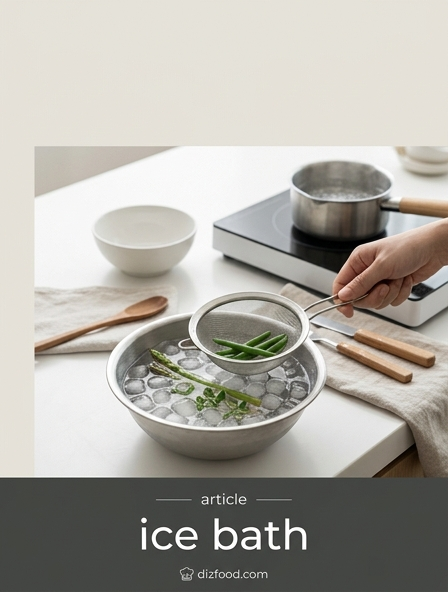
The Science of Shocking Vegetables
The process of shocking vegetables, also known as "refreshing," is a fundamental culinary technique rooted in thermodynamics. When vegetables are plunged into boiling water, the heat begins to break down the cellular structure and soften the pectin. However, if left to cool at room temperature, the residual internal energy continues to cook the food long after it has been removed from the heat source. This transition period is where most home cooks lose the desired quality of their produce.
By immediately transferring hot vegetables into an ice bath-a mixture of cold water and ice-the temperature drop is instantaneous. This thermal shock halts all enzymatic activity and chemical reactions triggered by the heat. The sudden change effectively freezes the state of the vegetable at its peak moment of doneness. This scientific approach ensures that the vegetable does not reach a state of cellular collapse, which often results in a limp, unappealing final product. Understanding the equilibrium between heat application and rapid cooling is essential for mastering the texture of any fibrous plant matter.
Preserving Vibrant Chlorophyll in Greens
Chlorophyll is the pigment responsible for the lush green color of vegetables, but it is highly sensitive to prolonged heat and acidity. During the boiling process, the air trapped between the plant cells is released, which initially makes the green color appear more vivid. However, if the heat is not stopped quickly, the magnesium atom at the center of the chlorophyll molecule is replaced by hydrogen, turning the vegetable an unappetizing olive-drab color. The ice bath is the primary tool used to prevent this degradation.
- Rapid Fixation: The cold water locks the chlorophyll molecules in their vibrant state.
- Enzyme Deactivation: It stops the enzymes that naturally cause browning and pigment breakdown.
- Acid Neutralization: Quick cooling prevents the plant's own internal acids from dulling the color during the cooling phase.
By using this method for asparagus, green beans, or broccoli, chefs ensure the produce looks as fresh on the plate as it did in the field. This aesthetic preservation is crucial for professional presentation where visual appeal is just as important as flavor.
Stopping Carryover Cooking Instantly
Carryover cooking is the phenomenon where food continues to cook using its own internal heat after being removed from the stove. For delicate vegetables, even two minutes of carryover cooking can mean the difference between a tender-crisp snap and a mushy texture. An ice bath provides the only reliable method for stopping this process the second the desired tenderness is reached.
| Vegetable Type | Boil Time | Ice Bath Duration |
|---|---|---|
| Snap Peas | 1-2 Minutes | 2 Minutes |
| Asparagus | 2-3 Minutes | 3 Minutes |
| Broccoli Florets | 3-4 Minutes | 4 Minutes |
| Carrots (Sliced) | 4-5 Minutes | 5 Minutes |
The table above illustrates that for most green vegetables, the time spent in the ice bath should roughly equal the time spent in the boiling water. This ensures that the core temperature is brought down to a safe, stable level, completely eliminating the risk of overcooking during the resting phase.
Maintaining Perfect Texture and Crunch
The primary goal of blanching and shocking is to manipulate the vegetable's texture. Vegetables are composed of complex carbohydrate structures, including cellulose and hemicellulose. Boiling softens these fibers, but the ice bath "sets" them. Without the rapid cooling of an ice bath, the fibers continue to disintegrate, leading to a loss of structural integrity. This is particularly noticeable in vegetables with a high water content or thin cell walls.
When a vegetable is shocked, the cold water causes the cells to contract slightly, which can actually enhance the perceived "snap" or "crunch" when bitten. This contrast between a softened interior and a firm exterior is the hallmark of expertly prepared produce. For salads, crudité platters, or cold appetizers, this step is non-negotiable. It transforms a simple boiled vegetable into a gourmet ingredient that holds its shape and bite even when tossed with heavy dressings or oils. Maintaining this structural "al dente" quality is what distinguishes professional vegetable cookery from standard home preparation.
The Professional Chef's Secret to Freshness
In high-pressure restaurant kitchens, the ice bath is an indispensable component of "mise en place." Chefs often cook large batches of vegetables early in the day, but they must remain fresh for service hours later. The ice bath allows chefs to "par-cook" ingredients to exactly 90% doneness, shock them to stop the cooking, and then store them until an order arrives. When the order is placed, a quick thirty-second sauté or toss in butter brings the vegetable to 100% doneness without losing color or texture.
- Consistency: Ensures every batch of vegetables served throughout the night is identical in quality.
- Efficiency: Allows for rapid reheating during peak service times.
- Longevity: Vegetables that have been properly shocked stay fresh in the refrigerator significantly longer than those cooled slowly.
This "cook-chill" workflow is the secret behind why restaurant vegetables often taste more vibrant and have a better texture than those prepared at home. It is a strategic use of temperature to manage time and quality control simultaneously.
Nutrient Retention Through Temperature Control
Many essential nutrients in vegetables, particularly water-soluble vitamins like Vitamin C and various B vitamins, are sensitive to heat. The longer a vegetable remains at a high temperature, the more these nutrients leach out or break down. While boiling does cause some initial nutrient loss, the primary damage often occurs during the slow cooling process where the vegetable stays in a "danger zone" of heat for an extended period.
An ice bath mitigates this loss by drastically shortening the total time the vegetable is exposed to heat. By cooling the produce to room temperature or below in seconds rather than minutes, you preserve a higher percentage of the original vitamin content. Furthermore, the rapid cooling helps keep the cell walls intact, preventing the internal juices-which contain many of these dissolved nutrients-from leaking out. Consequently, using an ice bath is not just a matter of culinary aesthetics; it is a superior method for maintaining the nutritional density of your meals, ensuring that the health benefits of the vegetables are not "cooked away."
Essential Equipment for a Pro Ice Bath
Setting up a professional-grade ice bath requires more than just a bowl of cold water. To ensure the process is efficient and effective, specific tools are needed to handle the transition from heat to cold seamlessly. The goal is to move the food as quickly as possible while maintaining the lowest possible temperature in the water bath.
- Large Stainless Steel Bowl: Metal conducts cold better than plastic, helping to keep the water temperature lower for longer.
- Fine-Mesh Spider or Skimmer: This allows you to scoop out all the vegetables at once, ensuring they all hit the ice at the same time.
- Colander: Essential for draining the vegetables once they have been fully chilled.
- Abundant Ice: A true ice bath should be roughly 50% ice and 50% water; anything less will warm up too quickly when the hot food is added.
Having these items ready before you even start the boiling process is key. The speed of the transfer is the most critical variable in the success of the shocking technique.
Optimizing Water Temperature for Best Results
To achieve the best results, the ice bath must be kept as close to 32°F (0°C) as possible. If the water is merely cool, the temperature of the vegetable will drop slowly, defeating the purpose of the thermal shock. A common mistake is using too much water and not enough ice. When hot vegetables are submerged, they transfer their thermal energy to the water. If the volume of ice is insufficient, the water temperature will rise rapidly, resulting in uneven cooling.
For large batches, it is advisable to use a large ratio of ice to water. Additionally, adding a pinch of salt to the ice bath can slightly lower the freezing point of the water, making it even colder, though this is usually only necessary for specific professional applications. Always ensure the vegetables are completely submerged; any parts exposed to the air will continue to cook. If the ice melts completely during the process, it is a sign that the bath was not cold enough or the volume was too small, and more ice should be added immediately to maintain the "shock" effect.
The Role of Blanching in Meal Prep
For those who practice weekly meal prep, the combination of blanching and shocking is a game-changer. This technique allows you to prepare vast quantities of vegetables that remain "fresh" in the fridge for up to five or six days. Instead of cooking vegetables to completion, which often leads to them becoming soggy when reheated, par-blanching and shocking keeps them in a semi-prepared state.
This method is particularly effective for:
- Grain Bowls: Adding crisp-tender greens that don't wilt by Wednesday.
- Stir-frys: Having pre-softened carrots and broccoli that only need a minute in the wok.
- Snacking: Keeping crudités like snap peas or bell peppers exceptionally crunchy.
By investing ten minutes in an ice bath during your prep session, you eliminate the need for daily chopping and cooking. The vegetables retain their bite and color, making your pre-prepared meals look and taste significantly more appetizing than traditional leftover vegetables. It is the ultimate bridge between convenience and culinary quality.
Preparing Vegetables for Long Term Storage
If you intend to freeze vegetables for long-term storage, the ice bath is an obligatory step. Freezing raw vegetables is generally unsuccessful because the natural enzymes continue to function even at sub-zero temperatures, leading to loss of flavor, toughening of skins, and discoloration. Blanching destroys these enzymes, but without an ice bath to stop the heat, the vegetables would be overcooked before they ever reached the freezer.
| Vegetable | Freezer Life (Post-Shock) | Prep Requirement |
|---|---|---|
| Green Beans | 8-12 Months | Dry thoroughly after shock |
| Corn (Kernels) | 10-12 Months | Shock on the cob first |
| Spinach | 6-8 Months | Squeeze out all water |
After the ice bath, it is critical to dry the vegetables thoroughly. Any residual moisture will turn into ice crystals, causing freezer burn and damaging the cell walls. Once dried and vacuum-sealed or placed in heavy-duty freezer bags, these properly shocked vegetables will maintain their quality for nearly a year.


Comments