
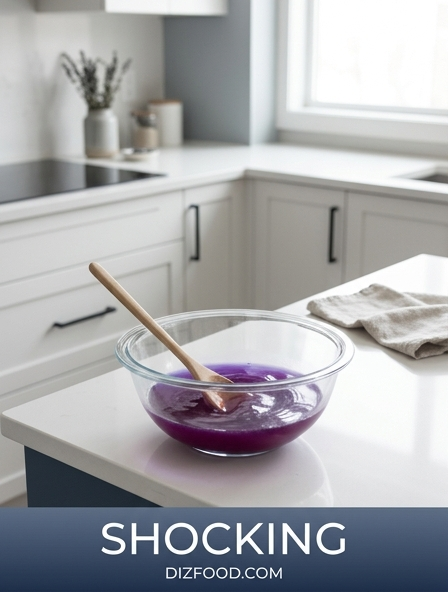
The Science Behind Thermal Shocking
Thermal shocking, also known as blanching followed by an ice bath, is a fundamental culinary technique rooted in thermodynamics and cellular biology. When vegetables are plunged into boiling water, the intense heat begins to denature enzymes like polyphenol oxidase and peroxidase. These enzymes are responsible for the eventual decay, browning, and loss of flavor in fresh produce. While the heat softens the cellulose and pectin within the cell walls, it must be halted abruptly to prevent the vegetable from turning into structural mush. This is where the "shock" occurs. By immediately transferring the hot produce into an ice-cold environment, the kinetic energy within the plant tissue is rapidly dissipated. This sudden drop in temperature halts the cooking process instantly, "locking in" the structural integrity of the cell walls. Without this intervention, residual heat continues to cook the vegetable from the inside out, leading to over-softened textures and muted colors. Understanding this thermal exchange allows chefs to manipulate the final bite of a dish with scientific precision, ensuring that the transition from raw to cooked is perfectly suspended at the ideal moment.
Essential Tools for the Ice Bath
Creating an effective ice bath requires more than just a handful of cubes in a bowl of lukewarm water. To achieve the rapid temperature drop necessary for professional shocking, you must prioritize surface area and thermal mass. A large stainless steel or glass bowl is preferred, as these materials conduct temperature changes efficiently and maintain a cold environment. The ratio of ice to water is critical; a slurry that is roughly fifty percent ice ensures the water remains at a constant thirty-two degrees Fahrenheit even as hot vegetables are introduced. Beyond the bowl, specific tools facilitate the speed of the transition, which is vital for maintaining the quality of the produce. Speed is the enemy of overcooking, and having the right equipment within arm's reach ensures success every time.
- Large stainless steel mixing bowl for maximum thermal conductivity
- Spider skimmer or wide slotted spoon for rapid vegetable transfer
- Colander for final draining and moisture removal
- Clean kitchen towels or a salad spinner for thorough drying
- Industrial ice maker or pre-frozen large-format ice blocks
Selecting Vegetables for Optimal Results
Not all produce responds to thermal shocking in the same manner. The density of the vegetable and its water content dictate how long it should remain in the boiling water before being shocked. Fibrous greens and cruciferous vegetables are the primary candidates for this method because they contain high levels of chlorophyll and complex carbohydrates that benefit from the setting effect of a cold bath. For instance, asparagus and green beans are classic choices, as the shock preserves their characteristic "snap." Conversely, starchy vegetables like potatoes or delicate mushrooms may not provide the same visual or textural rewards. When selecting your produce, look for peak freshness; the vibrant pigments we seek to preserve are most abundant in young, healthy plants. The following table outlines which varieties yield the best results when subjected to this technique.
| Vegetable Type | Ideal Texture Goal | Shock Duration |
|---|---|---|
| Leafy Greens | Wilted but vibrant | 30-60 seconds |
| Cruciferous | Tender-crisp | 2-3 minutes |
| Legumes | Firm snap | 2-4 minutes |
| Root Vegetables | Partial softening | 5+ minutes |
Mastering the Boiling to Bath Transition
The transition between the boiling pot and the ice bath is the most critical window in the shocking process. Any delay during this period allows the carryover heat to continue breaking down the plant's cellular bonds, which can lead to a dull appearance and a limp texture. To master this, the ice bath should be positioned as close to the boiling water as possible to minimize the air time of the vegetables. Using a spider skimmer allows for a rapid transfer of large quantities of produce while letting the boiling water drain back into the pot, maintaining the temperature for the next batch. It is essential to work in small batches; adding too much hot produce to a small ice bath at once will raise the water temperature, defeating the purpose of the shock. This transition is not merely a move from one vessel to another; it is a controlled halt of a chemical reaction that requires speed, proximity, and careful management of thermal equilibrium. A smooth transition ensures the highest quality results every time.
Precise Timing for Maximum Crispness
Achieving the perfect balance between cooked and raw requires a keen eye and precise timing. The goal of shocking is often to reach a "tender-crisp" state, where the vegetable is cooked enough to be edible and vibrant but retains its structural bite. Because every vegetable has a different thickness, timing must be adjusted accordingly. Over-blanching before the shock will result in a soft interior regardless of how cold the water is, while under-blanching leaves the vegetable raw and potentially bitter. To master this, follow a systematic approach to ensure consistency across different batches and various types of produce. Precision in timing prevents the common mistake of over-processing ingredients.
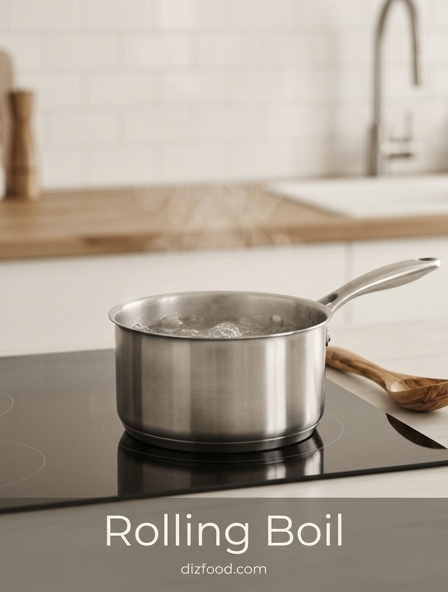
- Bring a large pot of heavily salted water to a rolling boil.
- Prepare the ice bath with a high ice-to-water ratio before cooking begins.
- Submerge vegetables and start the timer immediately upon return to boil.
- Test a piece thirty seconds before the target time for texture.
- Transfer immediately to the ice bath once the desired texture is reached.
- Cool for a duration at least equal to the total boiling time.
Maintaining Vibrant Natural Pigments
One of the most visually striking benefits of thermal shocking is the preservation of vibrant natural pigments, particularly chlorophyll in green vegetables. When greens are heated, the gas between the cells expands and escapes, allowing the green pigment to show through more clearly. However, if the heat continues, the chlorophyll molecule loses its magnesium atom, turning the vegetable a dull, unappetizing olive-brown. Thermal shocking prevents this chemical degradation by cooling the vegetable before the magnesium displacement occurs. This "sets" the color, ensuring that the bright emerald green remains stable even if the vegetable is later reheated for service. This technique is equally effective for purple and red vegetables, where anthocyanins are preserved, preventing them from leaching into the cooking water or turning grey. The result is a plate that looks as fresh as the garden it came from, with colors that pop against other ingredients. This aesthetic advantage is why shocking is indispensable in high-end culinary presentations where visual appeal is as important as taste.
Common Mistakes in the Shocking Process
Even experienced cooks can fall into traps that undermine the effectiveness of the shocking process. The most frequent error is underestimating the volume of ice needed. If the water in the "ice bath" becomes warm shortly after the vegetables are added, the shock is lost, and the produce continues to cook in the warm water. Another common mistake is leaving the vegetables in the cold water for too long. Once the vegetable is cold to the core, it should be removed; otherwise, it will begin to absorb water through osmosis, leading to a waterlogged and flavorless result. Avoiding these pitfalls ensures the integrity of your ingredients and the success of the dish.
- Using too little water in the boiling pot, causing the boil to drop significantly.
- Neglecting to salt the boiling water, which helps set the color and season the core.
- Overcrowding the ice bath, which prevents even and rapid cooling.
- Failing to dry the vegetables thoroughly after the shocking process.
- Waiting too long to move the produce from the heat source to the cold bath.
Texture Control Through Quick Cooling
Texture is a sensory experience defined by the resistance of food to the teeth, and in the kitchen, thermal shocking is the primary tool for texture control. When vegetables are heated, the pectin that acts as "glue" between cells begins to dissolve. Quick cooling via the ice bath stops this dissolution instantly. This creates a specific "snap" that is highly prized in salads and crudité platters. Without the shock, the cooling process is slow, allowing the pectin to continue softening until the vegetable loses its architectural strength. By controlling the exact second the cooking stops, a chef can dictate whether a carrot is crunchy, tender-crisp, or soft. This level of control is essential for complex dishes where multiple textures are expected to coexist harmoniously. The ice bath acts as a mechanical "stop" button, providing a level of consistency that cannot be achieved through air-cooling alone. It is the difference between a professional-grade side dish and a standard home-cooked meal.
Preparing Shocked Produce for Serving
Once the shocking process is complete, the produce requires careful handling to ensure it reaches the plate in peak condition. The first priority is thorough drying. Water clinging to the surface of shocked vegetables will dilute dressings, sauces, or the oil in a sauté pan, leading to soggy results and preventing proper seasoning adhesion. Using a salad spinner is the most efficient way to remove excess moisture without bruising delicate items like spinach or peas. If the vegetables are intended for cold service, they should be seasoned immediately after drying. If they are to be served hot, they can be stored in the refrigerator and then quickly "flashed" in a pan with butter or oil just before serving. This reheating should be brief-only enough to bring the vegetable to serving temperature without restarting the cooking process that was so carefully halted by the ice bath. Proper preparation after the shock ensures that the hard work of blanching is not wasted by poor final execution.
Advanced Tips for Professional Results
To elevate the shocking process to a professional standard, consider the nuances of the environment and the liquids involved. Pros often use flavored blanching liquids or seasoned ice baths to infuse the vegetables with subtle notes during the cooling phase. For example, adding lemon zest or herbs to the ice bath can impart a faint aroma that complements the natural flavor of the greens. Furthermore, the use of "acidulated" water-adding a touch of vinegar or lemon juice-can help maintain the whiteness of cauliflower or the brightness of red cabbage. Precision is the hallmark of the professional kitchen, and these small adjustments make a significant difference in the final presentation. Consider these advanced strategies to refine your technique:
- Use a 10% salt brine for blanching to maximize flavor penetration and color set.
- Shock in small batches to maintain a constant 32°F ice bath temperature.
- Incorporate citrus peels or aromatics into the ice water for a subtle flavor infusion.
- Always spin-dry to prevent water-logging and ensure the best sauce adhesion.

Comments