
Understanding the Blanching Process
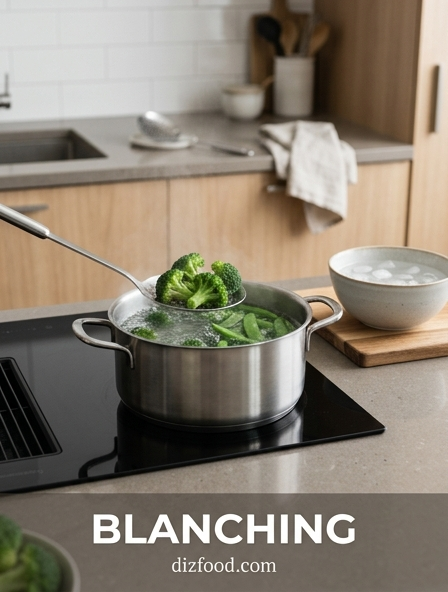
Blanching is a foundational culinary technique that involves briefly immersing food, typically vegetables or fruits, into boiling water and then immediately cooling it in an ice bath. This two-step process serves multiple purposes in the professional and home kitchen alike. Initially, the high heat of the boiling water works to cleanse the surface of the produce, removing dirt and potential microorganisms. More importantly, it acts as a "pre-cook" stage that softens the cell walls of tougher vegetables, making them easier to handle or further process.
The duration of the boil is critical; it usually lasts between one and five minutes depending on the density of the ingredient. If the food remains in the water too long, it transitions from being blanched to being fully boiled, losing its structural integrity. Conversely, if the time is too short, the core remains raw and the internal enzymes are not neutralized. Mastery of this process requires a keen eye for color changes and a precise timer to ensure the produce achieves the perfect balance of being cooked through while retaining a signature snap.
Preserving Vibrant Chlorophyll and Color
One of the most striking benefits of blanching is the immediate enhancement of a vegetable's natural color. When green vegetables like broccoli or green beans are submerged in boiling water, the gas trapped between the plant cells is released. This allows the vibrant green pigment, known as chlorophyll, to become more visible and concentrated. The result is a brilliant, neon-like green that is far more aesthetically pleasing than the dull, olive tones found in raw or overcooked produce. This visual transformation is essential for chefs who prioritize plate presentation and want their side dishes to look fresh and appetizing.
However, this vibrant color is fragile. If the vegetables are heated for too long, the chlorophyll molecules react with plant acids, causing the magnesium at their center to be replaced by hydrogen. This chemical shift turns the bright green into a muddy brown or grey color. By utilizing a quick blanch followed by rapid cooling, you effectively lock in the pigment at its peak brightness. This makes the technique indispensable for preparing salads, crudité platters, or garnish components that need to maintain their visual "pop" throughout a dinner service.
Stopping Enzymes to Maintain Freshness
Beyond aesthetics, blanching is a vital chemical intervention. All raw vegetables contain natural enzymes-such as catalase and peroxidase-that continue to function even after the produce is harvested. These enzymes are responsible for the natural ripening and eventual decay of the plant. If left unchecked, these biological catalysts will continue to work during storage, leading to the development of off-flavors, tough textures, and a significant loss of nutritional value. This is particularly problematic if you intend to store produce in the refrigerator for several days or in the freezer for months.
The heat from the blanching process effectively denatures these enzymes, "turning off" the biological clock of the vegetable. By neutralizing these proteins, you effectively freeze the produce in its prime state. Without this step, frozen vegetables often emerge with a rubbery consistency and a bitter or metallic aftertaste. Understanding the enzymatic activity of different produce helps a cook determine the necessary boiling time; for instance, larger items like corn on the cob require more time for the heat to penetrate to the center and stop enzyme activity than smaller items like peas or sliced carrots.
Maximizing Nutrient Retention in Greens
There is a common misconception that boiling vegetables strips them of all nutritional value. While it is true that some water-soluble vitamins, such as Vitamin C and the B-complex group, can leach into the water, blanching is actually more efficient at nutrient preservation than traditional long-form boiling. Because the exposure to high heat is so brief, the majority of the vitamins and minerals remain locked within the plant's cellular structure. Furthermore, by deactivating the enzymes that cause spoilage, blanching protects the nutrients that would otherwise degrade during storage.
- Vitamin Retention: Minimizes the loss of heat-sensitive antioxidants.
- Bioavailability: Softens cell walls, making it easier for the body to absorb certain minerals.
- Fiber Protection: Keeps dietary fiber intact without turning it into mush.
- Oxidation Prevention: Reduces the surface area's exposure to oxygen, slowing nutrient breakdown.
When performed correctly, blanched greens retain a high concentration of folate and iron. This makes the method superior for those looking to meal-prep healthy components for the week ahead without sacrificing the health benefits of fresh produce.
The Importance of the Shocking Step
The "shocking" or "refreshing" step is the second, equally important half of the blanching process. Once the vegetables are removed from the boiling water, they carry a significant amount of residual heat. If they are simply left in a colander, this internal temperature will continue to cook the fibers from the inside out, a phenomenon known as carryover cooking. This leads to mushy vegetables that have lost their vibrant color. To prevent this, the produce must be plunged into a bowl of ice-cold water-ideally a mix of 50% ice and 50% water.
Proper shocking requires a few specific actions to be effective:
- Prepare the ice bath before you start boiling to ensure it is at the lowest temperature possible.
- Use a large volume of water so the hot vegetables do not significantly raise the temperature of the bath.
- Keep the vegetables submerged until they are completely cold to the touch, not just cooled on the surface.
- Remove and dry the produce immediately once cooled to prevent them from becoming waterlogged.
This rapid temperature drop halts the cooking process instantly, setting the color and preserving the desired "al dente" texture.
Perfecting Texture for Every Vegetable
Different vegetables require different treatment based on their density and fibrous structure. A delicate leaf of spinach might only need thirty seconds of heat, whereas a thick wedge of cauliflower or a whole carrot might require several minutes to reach the ideal consistency. The goal of blanching for texture is to achieve a state where the vegetable is no longer raw and "woody," but still possesses a firm, satisfying snap. This is especially important for stir-fries and pasta dishes where the vegetable will undergo a second, quick cooking phase later.
| Vegetable Type | Blanching Time | Expected Texture |
|---|---|---|
| Leafy Greens | 30-60 Seconds | Tender but not slimy |
| Peas/Asparagus | 2 Minutes | Crisp-tender |
| Broccoli/Cauliflower | 3 Minutes | Firm with softened stalks |
| Root Vegetables | 4-5 Minutes | Yielding but not soft |
By tailoring your timing to the specific vegetable, you ensure a professional result that enhances the mouthfeel of the final dish.
Prepping Produce for Successful Freezing
For those who enjoy seasonal eating year-round, blanching is the secret to successful home freezing. Freezing raw vegetables often results in a disappointing outcome; the water inside the cells expands and ruptures the cell walls, and the active enzymes continue to degrade the flavor. Blanching solves both problems. By slightly softening the tissues and stopping enzymatic decay, the vegetable becomes resilient enough to withstand the freezing process. This technique is what allows frozen peas to taste sweet and frozen corn to remain crunchy even months after harvest.
The most critical step after blanching for the freezer is thorough drying. If the vegetables are still wet when they enter the freezer, the excess moisture will form large ice crystals, leading to freezer burn and clumping. After the ice bath, spread the produce out on clean kitchen towels or paper towels and pat them dry completely. Once dry, you can flash-freeze them on a tray before transferring them to airtight bags. This ensures that the vegetables remain individual pieces rather than one solid block of ice, making it easier to portion them out for future meals.
Essential Gear for Kitchen Boiling
While blanching is a simple technique, having the right tools makes the process safer and more efficient. You do not need expensive machinery, but a few specific items will help you manage the rapid transitions between extreme heat and extreme cold. Consistency is key, and the right gear allows you to maintain the timing necessary for high-quality results.
- Large Stockpot: A high volume of water ensures the temperature doesn't drop too much when the cold produce is added.
- Spider Skimmer or Slotted Spoon: Essential for quickly removing small items like peas or sliced carrots from boiling water.
- Large Stainless Steel Bowl: Perfect for holding the ice bath; metal conducts cold better than plastic.
- Colander: For draining the vegetables quickly after they have finished their time in the ice bath.
- Kitchen Timer: Precision is vital, as even thirty seconds can be the difference between perfect and overcooked.
Using a "spider" skimmer is particularly helpful because it allows you to lift the vegetables out while leaving the boiling water in the pot. This is useful if you have multiple batches of different vegetables to process, as you can reuse the same salted water repeatedly.
Timing Your Way to Better Flavor
Timing in blanching is not just about texture; it is also about manipulating flavor profiles. Certain vegetables, particularly those in the brassica family like Brussels sprouts or broccoli rabe, can have an inherent bitterness when raw. A quick blanch can help mellow these harsh notes, drawing out a subtle sweetness that makes the vegetable more palatable. Additionally, blanching is used to remove the pungent, "hot" bite of raw onions or peppers before they are added to salads or salsas, allowing their other flavor nuances to shine through without overpowering the dish.
The flavor is also influenced by the water itself. It is a standard culinary practice to "salt the water like the sea." Highly salted water seasons the vegetable from the inside out during the brief boiling window. Because the process is so fast, the salt doesn't have time to break down the vegetable's structure, but it does enhance the natural flavors significantly. If you find your blanched vegetables taste bland, the issue is likely either insufficient salt in the boiling water or a failure to time the process correctly to preserve the natural sugars within the plant cells.
Common Blanching Mistakes to Avoid
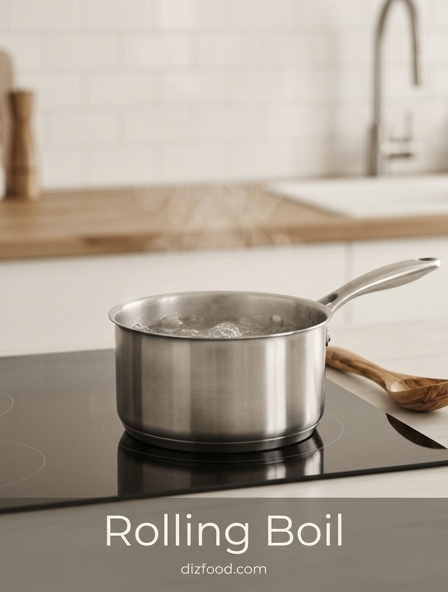
Even though the process is straightforward, several common pitfalls can ruin the quality of your produce. One of the most frequent errors is crowding the pot. If you add too many vegetables at once, the water temperature will plummet, and the "boil" will turn into a slow simmer. This increases the time the vegetables spend in warm water, leading to a loss of nutrients and a soggy texture. Always work in small batches to keep the water at a rolling boil.
Other mistakes include:
- Under-salting: Failing to salt the water results in flavorless produce.
- Inadequate Ice Bath: Using too little ice causes the water to warm up, failing to stop the cooking process.
- Skipping the Drying Step: Excess water on the surface leads to steaming when the vegetable is later sautéed.
- Poor Timing: Relying on guesswork instead of a timer usually leads to over-processing.
By avoiding these errors, you ensure that your vegetables maintain the professional quality required for gourmet cooking. Taking the extra minute to properly set up your station and monitor your clock will result in a superior final product every time.

Comments