
Have you ever wondered why your pasta or legumes sometimes take longer to reach the perfect texture? It might not be your technique, but rather the hidden chemistry of your tap water. Calcium and magnesium ions, the primary components of hard water, act as molecular "glue" that interacts with the cellular structure of your ingredients. These minerals cross-link with pectins in vegetables and toughen the skins of beans, significantly altering textures and increasing cooking times compared to using purified water. Understanding these chemical reactions is essential for achieving consistent results and vibrant flavors in your kitchen. To master your culinary outcomes, it is vital to understand the nuances of Hard Water Boiling vs Soft Water Boiling.
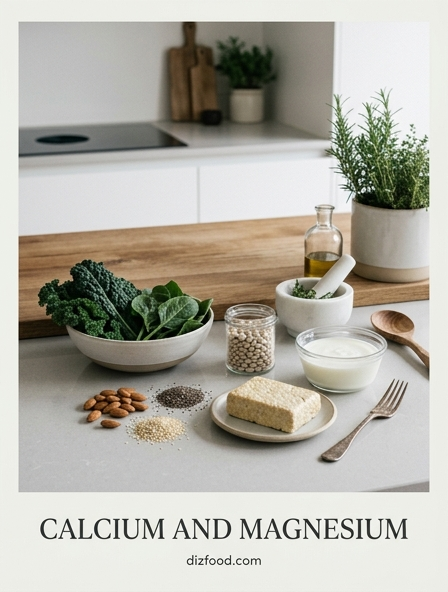
Hard Water Minerals and Food
In the domestic kitchen, the chemical composition of tap water plays a fundamental role in the quality of cooked meals. Water is often classified as "hard" based on its concentration of dissolved minerals, primarily calcium and magnesium ions. These minerals are not merely passive solutes; they actively engage in complex chemical reactions with organic compounds found in food. When water reaches boiling temperatures, the solubility of these minerals changes, leading to various interactions that can alter the flavor, color, and nutritional profile of ingredients. Understanding these mineral behaviors allows cooks to predict how their local water supply will impact daily culinary tasks.
The presence of these divalent cations affects everything from the clarity of a broth to the way heat is transferred through a liquid medium. While calcium and magnesium are essential dietary nutrients, their concentration in cooking water must be managed to avoid unwanted textures or off-flavors. Chefs and home cooks alike often find that the same recipe yields different results in different geographic locations, a phenomenon largely attributed to the varying mineral profiles of local municipal water systems.
Calcium Bonds and Vegetable Texture
The structural integrity of plant tissues is largely maintained by pectin, a polysaccharide found in cell walls. When vegetables are cooked in water rich in calcium, a process known as cross-linking occurs. Calcium ions act as a bridge between pectin chains, creating a reinforced molecular matrix that resists breaking down under heat. This is why certain vegetables remain uncharacteristically firm or even "crunchy" despite extended boiling times in hard water environments. This effect is particularly noticeable in the following categories:
- Root vegetables like carrots and parsnips, which may retain a woody core.
- Green cruciferous vegetables like broccoli, where the stalks remain rigid.
- Canned tomatoes, where calcium is often intentionally added to prevent mushiness.
While this mineral interaction is beneficial for maintaining the shape of delicate produce, it can be a disadvantage when the goal is a smooth purée or a tender mash. To counteract this, cooks sometimes use distilled water or add a pinch of baking soda to soften the water and allow the pectin to dissolve more effectively.
Magnesium Effects on Legume Softening
Cooking legumes such as beans, lentils, and chickpeas is notoriously difficult in water with high magnesium content. Magnesium ions interfere with the softening of the seed coat by binding with phytic acid and pectin within the legume's structure. This creates insoluble salts that form a physical barrier against water penetration. Consequently, the interior starches cannot hydrate properly, leading to a "hard-to-cook" phenomenon where the beans remain grainy or tough even after hours of simmering.
The competition between magnesium ions and the sodium ions found in common salt is a critical factor in legume preparation. Adding salt to the soaking water can help displace some of the magnesium, but if the water is excessively hard, the magnesium will continue to reinforce the cell walls. This chemical resistance is why many traditional recipes call for soaking beans overnight in purified water. Without managing these mineral levels, the cooking process requires significantly more energy and time, often resulting in an unevenly cooked final product where the skins are intact but the centers are underdone.
Water Hardness and Starch Hydration
Starch-based foods like pasta and rice rely on the rapid absorption of water to gelatinize and reach a palatable texture. Calcium and magnesium ions compete with starch molecules for the available water, effectively slowing down the hydration process. In hard water, the exterior of the starch granule can become reinforced by mineral ions, creating a film that inhibits further water ingress. This can result in pasta that feels "al dente" on the outside but remains chalky in the center.
| Starch Type | Soft Water Effect | Hard Water Effect |
|---|---|---|
| White Rice | Fluffy and separate grains | Sticky exterior, firm core |
| Pasta | Uniform gelatinization | Surface coating, uneven cook |
| Potatoes | Quickly softens for mashing | Resistant to breakdown |
The table above highlights how mineral density dictates the final mouthfeel of staple carbohydrates. In regions with very hard water, rice may require a slightly higher water-to-grain ratio to compensate for the reduced hydration efficiency caused by mineral interference.
Alkalinity Impact on Maillard Reaction
Hard water is frequently alkaline, meaning it has a higher pH level due to the presence of bicarbonates associated with calcium and magnesium. This alkalinity significantly accelerates the Maillard reaction-the chemical reaction between amino acids and reducing sugars that gives browned food its distinctive flavor. While this might seem beneficial for searing meat, it can be problematic when boiling or poaching. For instance, onions cooked in hard, alkaline water will turn yellow or brown and soften much faster than those cooked in slightly acidic or soft water.
This pH shift also affects the pigments in vegetables. Chlorophyll, which gives vegetables their green color, is more stable in alkaline environments, but the texture suffers as the cell walls collapse too quickly. Conversely, anthocyanins found in red cabbage or beets may turn an unappealing blue or grey when exposed to the high mineral content and alkalinity of hard water. Controlling the acidity of the cooking liquid, such as by adding vinegar or lemon juice, is often necessary to balance the effects of mineral-induced alkalinity.
Mineral Ions and Boiling Efficiency
The presence of dissolved calcium and magnesium ions alters the physical properties of water, including its boiling point and heat capacity. While the boiling point elevation caused by these minerals is statistically minor compared to adding large amounts of salt, the presence of minerals provides more "nucleation sites" for bubble formation. This can lead to more vigorous foaming when boiling protein-rich foods or pasta, as the minerals interact with released starches and proteins to stabilize the surface tension of the bubbles.
Furthermore, the efficiency of heat transfer is slightly compromised as mineral ions increase the viscosity of the liquid. In a professional kitchen setting where precision is key, these subtle changes require adjustments in timing. More importantly, the mineral content influences how the water interacts with the cookware itself. The energetic movement of ions at high temperatures can lead to faster evaporation of "pure" water, leaving behind a concentrated mineral brine that can scorch or affect the bottom-layer temperature of the pot, potentially leading to uneven cooking of delicate sauces or thick stews.
Flavor Extraction in Hard Water
Extracting the delicate flavors from coffee beans or tea leaves is a process of solubility that is heavily dictated by the mineral profile of the water. Calcium and magnesium act as extractors; however, too many of these ions can result in over-extraction or the formation of unpleasant compounds. In coffee brewing, magnesium is particularly effective at pulling out sharp, acidic flavors, while calcium tends to highlight heavier, creamier notes. If the concentration is too high, the water becomes "saturated," leaving no room for the flavor compounds to dissolve.
- Excessive calcium often leads to a "flat" taste in tea, as it prevents the release of polyphenols.
- High mineral content causes the formation of a "scum" on the surface of tea through the reaction of calcium with tea tannins.
- Coffee brewed with hard water often lacks clarity and may taste bitter or metallic.
Because flavor extraction is a delicate balance, many specialty cafes use reverse osmosis systems followed by a controlled remineralization process to ensure the calcium and magnesium levels are optimized for the specific bean profile being served.
Dough Elasticity and Mineral Content
In baking, the hardness of water directly influences the fermentation process and the development of gluten. Calcium and magnesium ions serve as "strengtheners" for the gluten network. These divalent cations create ionic bridges between protein chains, resulting in a tougher, more elastic dough. This is particularly useful in bread making, where a strong structure is required to trap the carbon dioxide produced by yeast. However, if the water is excessively hard, the gluten can become too rigid, preventing the dough from expanding properly and resulting in a dense loaf.
Yeast activity is also sensitive to mineral concentrations. While minerals provide necessary nutrients for yeast metabolism, an overabundance can slow down the fermentation rate due to osmotic pressure. Bakers in hard water areas often find they need to use slightly more yeast or extend the proofing time to achieve the desired rise. Conversely, in soft water areas, the lack of minerals can result in a slack, sticky dough that lacks the strength to hold its shape, necessitating the addition of "dough conditioners" or mineral-rich salts to mimic the effects of harder water.
Limescale Buildup in Boiling Vessels
Continuous use of hard water in the kitchen leads to the accumulation of limescale, primarily composed of calcium carbonate. This buildup occurs when heat causes the bicarbonate ions to break down, precipitating solid minerals onto the surfaces of kettles, coffee makers, and steamer ovens. Limescale is a poor conductor of heat, meaning that appliances must work harder and use more energy to reach the desired temperature. Over time, this can lead to mechanical failure and uneven heating.
- Kettles develop a white, chalky crust that can flake off into beverages.
- Steam irons and espresso machines may suffer from clogged internal valves.
- Heating elements can overheat and burn out due to the insulating layer of scale.
To maintain kitchen efficiency, regular descaling with mild acids like citric acid or white vinegar is necessary. These acidic solutions dissolve the alkaline calcium and magnesium deposits, restoring the appliance's thermal conductivity. Beyond the mechanical issues, the presence of scale in a boiling vessel can impart a distinct chalky taste to the water, further complicating the flavor profile of the foods being prepared.
Balancing Water for Better Cooking
Achieving the perfect balance of calcium and magnesium is essential for consistent culinary results. Total water softening is not always the answer, as the complete absence of minerals can lead to bland flavors and poor dough structure. Instead, many modern kitchens utilize selective filtration systems that reduce the carbonate hardness while leaving a specific amount of minerals intact. This ensures that the water has enough "pulling power" for flavor extraction without the negative effects of scale buildup or vegetable toughening.
For home cooks without complex filtration, simple adjustments can mitigate the effects of hard water. Using bottled spring water for coffee and tea, adding a teaspoon of lemon juice to the water when boiling colorful vegetables, or pre-soaking legumes in distilled water are effective strategies. By recognizing the chemical influence of calcium and magnesium, one can transform water from a simple utility into a precision tool. Ultimately, managing the mineral content of water is as important as selecting the right spices or the freshest produce in the pursuit of gastronomic excellence.



Comments