
When you're standing in the baking aisle, choosing between vanilla extract and vanilla bean paste can feel like a high-stakes decision for your signature desserts. Vanilla extract is the reliable, liquid workhorse of most kitchens, offering a consistent, floral aroma that blends seamlessly into everyday batters and doughs. On the other hand, vanilla bean paste is the luxurious, syrupy middle ground that delivers those iconic black specks and a more concentrated punch of flavor without the hassle of scraping a whole pod. Whether you're whipping up a quick batch of cookies or a delicate crème brûlée, understanding how these two ingredients differ in potency and visual appeal will help you choose the perfect flavor profile for your next bake.
| Feature | Vanilla Extract | Vanilla Bean Paste |
|---|---|---|
| Consistency | Thin, alcohol-based liquid | Thick, syrupy consistency |
| Visual Appeal | Invisible in final bake | Distinctive black bean specks |
| Flavor Profile | Classic, mellow, and floral | Intense, bold, and gourmet |
| Best For | Cookies, cakes, and brownies | Custards, frosting, and ice cream |
| Ratio | 1 teaspoon | 1 teaspoon (1:1 substitution) |
| Price Point | Budget-friendly / Mid-range | Premium / Higher cost |
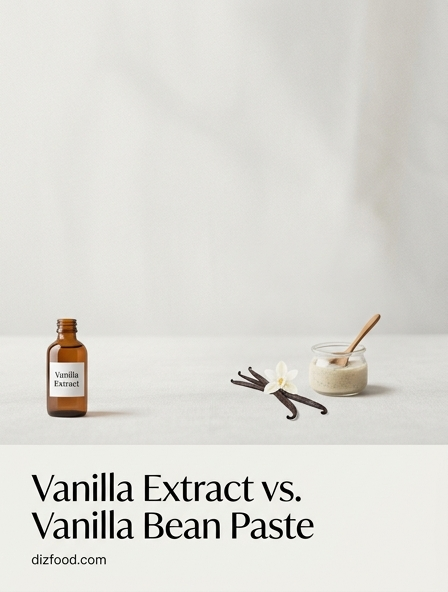
Vanilla Extract vs Vanilla Bean Paste Key Differences
In the culinary world, vanilla serves as the foundational aromatic for nearly every dessert, yet the form it takes can significantly impact the final product. Vanilla extract is a liquid flavoring agent produced by macerating vanilla beans in a solution of alcohol and water. According to regulatory standards, pure vanilla extract must contain a specific concentration of vanilla bean extractive to be labeled as such. It is a thin, translucent liquid that incorporates seamlessly into batters and liquids, making it the most common pantry staple for home bakers. Because it is filtered, it does not contain any solid plant matter, providing a consistent flavor without altering the texture or appearance of a dish.
Conversely, vanilla bean paste is a viscous, syrupy concentrate that combines the convenience of extract with the visual and flavorful perks of whole vanilla beans. It is typically composed of a blend of concentrated vanilla extract, ground vanilla bean powder, and a thickener such as sugar syrup, corn syrup, or xanthan gum. The most striking difference is the presence of thousands of tiny black seeds, known as "specks," which are suspended throughout the paste. While extract is designed to provide flavor and aroma, paste is intended to offer a multi-sensory experience, adding both intense taste and a gourmet aesthetic. Understanding these core physical differences is the first step in deciding which product is appropriate for your specific baking needs.
- Consistency: Extract is watery and thin; paste is thick and jelly-like.
- Composition: Extract is a filtered liquid; paste contains crushed seeds and thickeners.
- Aroma: Extract has a strong alcoholic scent that burns off; paste smells more intensely of the bean itself.
Flavor Intensity Vanilla Extract vs Bean Paste
The flavor profile of vanilla is complex, consisting of over 250 organic components, including vanillin. When comparing intensity, vanilla bean paste generally offers a more robust and "true" vanilla taste compared to standard extract. Because the paste includes the actual seeds and often a more concentrated form of the extract, the flavor notes are deeper, often described as having woody, floral, or smoky undertones depending on the origin of the beans used. In applications where vanilla is the primary flavor profile-such as in a vanilla bean custard or a simple glaze-the depth provided by the paste is noticeably superior. The sugar or syrup base in the paste also helps to carry the flavor across the palate more effectively than the alcohol base of the extract.
Vanilla extract, while flavorful, relies heavily on the quality of the alcohol used for maceration. In high-heat applications, some of the more delicate flavor compounds in extract can evaporate along with the alcohol, leaving behind a more subtle finish. This makes extract ideal for complex recipes where vanilla is meant to be a supporting flavor rather than the star. For example, in a dark chocolate cake, the nuances of a high-quality paste might be lost, making the more affordable and liquid extract a more practical choice. However, when you taste the two side-by-side in a raw application like whipped cream, the paste reveals a richness and a lingering sweetness that the sharp, initial bite of extract cannot match. The choice between them often boils down to whether you want a background hum of vanilla or a bold, front-and-center flavor experience.
When to Use Vanilla Bean Paste in Baking
Determining when to reach for the vanilla bean paste instead of the extract depends largely on the "showcase" factor of your recipe. Vanilla bean paste is the gold standard for light-colored desserts where the tiny black seeds can be clearly seen. These specks serve as a visual cue to the consumer that high-quality, real vanilla was used, rather than a synthetic imitation. If you are making a crème brûlée, panna cotta, or a classic vanilla bean cheesecake, the paste is indispensable. The seeds remain suspended in the thick mixture, ensuring an even distribution of flavor and visual appeal throughout the dish. Because the paste is thicker, it also doesn't thin out delicate mixtures like royal icing or stiff buttercreams as much as a liquid extract might.
Another excellent time to use paste is when you want to mimic the flavor of a whole vanilla bean without the labor-intensive process of splitting and scraping the pod. A single tablespoon of paste is often equivalent to one whole bean, providing a shortcut for gourmet results. It is also preferred in cold or "no-bake" applications. Since there is no heat to evaporate the alcohol found in extract, the paste provides a cleaner, more direct flavor. Use it in homemade ice cream, yogurt, or even as a swirl in morning oatmeal. However, avoid using paste in recipes that are very dark or have a crumbly texture, like gingerbread or brownies, as the visual benefits of the seeds will be completely lost, and the subtle flavor nuances may be overshadowed by stronger spices or cocoa powders.
- Puddings and Custards: Perfect for showing off the seeds.
- White Cakes and Frostings: Enhances the "gourmet" look.
- Shortbread Cookies: Adds a beautiful speckled texture.
- Ice Cream: Provides the classic "vanilla bean" look and taste.
Comparing Vanilla Extract and Vanilla Paste Ingredients
The ingredient lists for these two products reveal why they behave differently in the kitchen. Pure vanilla extract is a minimalist product. By law, it must contain at least 35% alcohol and 13.35 ounces of vanilla beans per gallon of liquid. Most reputable brands use only water, alcohol, and vanilla bean extractives. Some lower-quality extracts may add a small amount of sugar or glycerin to mellow the harshness of the alcohol, but the core components remain liquid and filtered. This purity is what makes extract so versatile and shelf-stable, as the alcohol acts as a natural preservative that prevents spoilage over many years.
Vanilla bean paste is a more complex formulation. To achieve its signature consistency, manufacturers must add binding agents. This usually involves a combination of sugar syrup (like glucose or invert sugar) and a natural thickener like tragacanth gum or xanthan gum. The most critical addition, however, is the "specks"-the exhausted vanilla bean seeds or finely ground vanilla beans. While these seeds don't actually hold the majority of the flavor (most flavor is in the pod walls), they provide the texture and visual identity of the paste. Because of the added sugar and thickeners, the paste is slightly more caloric and has a different viscosity, which is why it behaves differently when whisked into liquid ingredients versus folded into fats.
| Component | Vanilla Extract | Vanilla Bean Paste |
|---|---|---|
| Primary Base | Alcohol and Water | Sugar Syrup / Glycerin |
| Physical State | Thin Liquid | Thick Gel / Syrup |
| Visible Seeds | No | Yes |
| Thickeners | None | Xanthan or Tragacanth Gum |
| Common Additives | Sugar (occasionally) | Glucose, Bean Powder |
Substitution Guide Vanilla Bean Paste to Extract Ratio
One of the most convenient aspects of working with these two ingredients is that they are generally interchangeable in a 1:1 ratio. If a recipe calls for one teaspoon of vanilla extract, you can safely substitute one teaspoon of vanilla bean paste without worrying about ruining the chemistry of your bake. This makes it incredibly easy to upgrade a standard recipe to a "gourmet" version simply by swapping the liquid for the paste. However, because the paste contains sugar and thickeners, there are very minor considerations for extremely sensitive recipes, such as meringues, where the small amount of oil or gum in the paste could theoretically affect the stability of the egg whites, though this is rarely an issue in practice.
When substituting in the opposite direction-extract for paste-you will lose the visual appeal of the specks, but the flavor will remain relatively consistent. If you are substituting for a whole vanilla bean, the conversion is also straightforward. A single whole vanilla bean is roughly equivalent to one tablespoon of vanilla bean paste or one tablespoon of vanilla extract. If you are looking to maximize the flavor during a substitution, consider the following steps to ensure the best results in your kitchen:
- Measure Precisely: Use a clean measuring spoon; paste is thick and can stick to the sides, so scrape it out well.
- Adjust Liquids: In very large batches, remember that paste adds a tiny bit of moisture and sugar, though for home batches, this is negligible.
- Check for Seeds: If the recipe relies on the "look" of vanilla bean, extract will not be a perfect visual substitute.
- Whisk Thoroughly: Paste is denser than extract, so ensure it is fully incorporated into your wet ingredients to avoid clumps of seeds.
Visual Appeal Why Vanilla Bean Specks Matter
In the culinary arts, we eat with our eyes first. The presence of tiny black specks in a dessert communicates a message of quality, authenticity, and luxury. Historically, seeing these seeds meant that a pastry chef had painstakingly scraped a fresh vanilla bean by hand-a process that is both time-consuming and expensive. Vanilla bean paste allows home bakers to achieve this same high-end aesthetic with a simple flick of a spoon. In a pale canvas like a panna cotta, vanilla bean ice cream, or a basic sugar cookie, those dark dots provide a contrast that makes the dish look more appetizing and professional. Without them, a vanilla-flavored dessert can sometimes look plain or even processed, leading the consumer to wonder if imitation flavorings were used.
Beyond the simple "look," the specks provide a psychological link to the source of the flavor. They remind the person eating the dish that the flavor comes from a tropical orchid fruit, not a laboratory. This visual texture is particularly important in the era of social media, where the "vanilla bean" look is a hallmark of artisanal baking. Furthermore, the seeds offer a very subtle tactile experience. While they aren't crunchy, they add a microscopic level of texture to smooth creams and sauces that can enhance the overall mouthfeel. When you are preparing a dish for a special occasion, the visual upgrade from a clear liquid to a seed-flecked paste is often the easiest way to elevate the entire presentation without changing the actual cooking technique.
Cost Comparison Vanilla Extract vs Bean Paste
The price of vanilla is notoriously volatile, often ranked as the second most expensive spice in the world after saffron. This is due to the labor-intensive process of hand-pollinating the flowers and curing the beans over several months. Generally speaking, vanilla bean paste is more expensive than vanilla extract on an ounce-for-ounce basis. This price gap exists because the paste requires additional processing and includes more of the actual bean material (the seeds and ground pods) than the extract. When you buy paste, you are paying for the concentration of flavor and the added convenience of the "bean look" without the high price tag of buying individual whole beans, which are the most expensive way to purchase vanilla.
Vanilla extract is often the most cost-effective way to flavor your kitchen creations, especially if purchased in larger bottles. For the daily baker who makes chocolate chip cookies, pancakes, and muffins, extract provides the best value. Because extract is so shelf-stable, buying it in bulk can lead to significant savings over time. Paste, on the other hand, is usually sold in smaller jars (2 to 4 ounces) and is treated more as a specialty item. While the cost per teaspoon is higher, many bakers justify the expense by reserving the paste for "vanilla-forward" recipes where the quality is truly noticeable. In summary, while extract is the budget-friendly workhorse, paste is the mid-tier luxury that bridges the gap between affordable liquid and the premium cost of whole pods.
Best Recipes for Vanilla Bean Paste vs Extract
Choosing between extract and paste often comes down to the specific recipe on your counter. Vanilla extract is the universal choice for any baked good that undergoes high heat and has a complex flavor profile. It is perfectly suited for chocolate chip cookies, brownies, banana bread, and spiced cakes. In these instances, the subtle nuances of the paste would be lost among the other strong ingredients, and the visual specks would disappear into the dark batter. Extract is also the better choice for thin glazes or syrups where you want a perfectly clear or uniform appearance without any particulate matter floating in the liquid.
Vanilla bean paste truly shines in recipes where the flavor is delicate and the appearance is light. It is the preferred choice for any form of custard, including crème anglaise, flan, or pastry cream. It is also spectacular in "white" desserts like angel food cake, meringues, or marshmallow frosting. If you are making a simple shortbread or sugar cookie, using paste can transform a basic snack into a gourmet treat. Even in savory applications, like a vanilla-scented beurre blanc for scallops, the paste provides a more sophisticated flavor profile. By matching the ingredient to the recipe's needs, you ensure that you aren't wasting a premium product where it won't be appreciated, while also ensuring your delicate desserts reach their full potential.
- Use Extract For: Brownies, chocolate cakes, muffins, and pancakes.
- Use Paste For: Crème brûlée, panna cotta, white buttercream, and sugar cookies.
- Specialty Use: Use paste in homemade marshmallows for a stunning visual effect.
Shelf Life and Storage for Vanilla Products
Proper storage is essential to maintain the aromatic integrity of any vanilla product. Pure vanilla extract has an almost indefinite shelf life if stored correctly. Because of its high alcohol content (usually 35% or more), it does not support bacterial growth. In fact, like a fine wine, the flavor of vanilla extract can actually mellow and improve over time. The key is to keep it in a cool, dark place, away from direct sunlight and heat sources like the oven or stove. Exposure to light and heat can cause the alcohol to evaporate and the delicate vanillin compounds to break down, resulting in a weakened flavor. Always ensure the cap is tightened securely to prevent evaporation.
Vanilla bean paste has a slightly shorter shelf life than extract, typically ranging from two to three years. Because it contains sugar, water, and thickeners, it is more susceptible to changes in texture over time. While it is still very stable, the paste can occasionally dry out or become overly thick if the lid is not sealed tightly. You do not need to refrigerate vanilla bean paste; doing so can actually cause the sugar to crystallize, ruining the smooth consistency. If you notice the paste has thickened too much, you can sometimes revive it with a few drops of vanilla extract or a tiny bit of warm simple syrup. Like the extract, it should be stored in a cool, dark cupboard. If you ever see mold or notice an "off" fermented smell-which is rare but possible if moisture enters the jar-it is time to discard it.
Which Vanilla Type Should You Choose
The decision to use vanilla extract or vanilla bean paste ultimately depends on your goals for a particular dish and your kitchen budget. If you are an occasional baker who focuses on standard family favorites like cookies and quick breads, a high-quality pure vanilla extract is likely all you need. It is versatile, cost-effective, and lasts forever. It provides that classic, nostalgic aroma that defines home baking. There is no need to spend extra money on paste if the seeds will be invisible and the flavor nuances will be buried under layers of cinnamon, chocolate, or fruit.
However, if you enjoy making sophisticated desserts or frequently prepare items where vanilla is the primary flavor, keeping a jar of vanilla bean paste in your pantry is a worthwhile investment. The visual impact of the seeds alone can elevate your baking to a professional level, and the concentrated flavor offers a depth that extract sometimes lacks. Many serious bakers choose to keep both on hand: extract for the daily "workhorse" recipes and paste for the "showstopper" desserts. By understanding that paste is a 1:1 substitute for extract, you have the flexibility to make this choice on a case-by-case basis. Whether you choose the liquid or the paste, the most important factor is to always opt for "pure" vanilla over "imitation" or "vanilla flavoring" to ensure the most authentic and delicious results in your kitchen.

Comments