
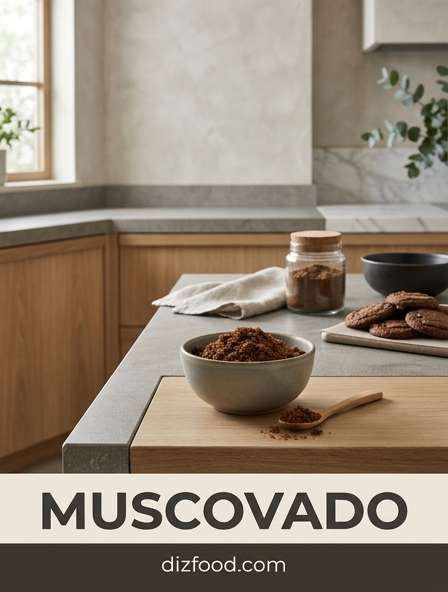
Understanding the Unique Profile of Dark Muscovado
Dark muscovado is often referred to as the purest form of cane sugar because it undergoes minimal processing, retaining nearly all of its natural molasses content. Unlike commercial brown sugar, which is typically refined white sugar with molasses sprayed back on, muscovado is produced by evaporating sugarcane juice until it crystallizes into a moist, sandy texture. This results in a deep mahogany color and a flavor profile that is intensely complex, featuring notes of burnt caramel, dark toffee, and a distinct hint of smoke. Because the sugar crystals are coated in a thick layer of molasses, they offer a lingering sweetness that is far more robust than standard sweeteners.
In a professional kitchen, this sugar is prized for its ability to add significant depth to heavy cakes, spice breads, and rich sauces. Its hygroscopic nature-meaning it naturally attracts and holds moisture-makes it an essential ingredient for bakers looking to achieve a dense, fudgy crumb in brownies or gingerbread. Understanding this profile is the first step toward mastering its application in both sweet and savory culinary projects, where it acts as more than just a sweetener, but as a primary flavor agent.
The Science of Molasses and Smoky Flavor Depth
The science behind the distinctive smoky profile of muscovado lies in the high concentration of molasses and the essential minerals retained from the sugarcane plant. While refined sugars are stripped of impurities, muscovado retains potassium, magnesium, and calcium, which contribute to a slightly alkaline pH. This alkalinity can influence the rate of the Maillard reaction and caramelization during the baking process, leading to darker colors and deeper flavor development. The smoky notes are a byproduct of the boiling process used to reduce the cane juice; as the liquids evaporate, complex aromatic compounds like phenols are concentrated.
- Potassium: Aids in maintaining the mineral balance of the plant extract.
- Magnesium: Contributes to the earthy, metallic undertones of the raw sugar.
- Furfural: An aromatic aldehyde that provides a hint of almond or wood smoke.
- Maillard Catalysts: Amino acids that interact with sugars to create savory-sweet depth.
These impurities are not merely nutritional; they act as flavor catalysts. When heated, these compounds interact with proteins and starches in dough, creating a bridge that refined sugars cannot replicate. This chemical complexity is why muscovado tastes older or more fermented than white sugar.
Essential Tips for Storing and Softening Muscovado
Due to its high moisture and molasses content, muscovado is notorious for hardening into a brick-like consistency when exposed to air. When the moisture evaporates, the molasses creates a cement-like bond between the sugar crystals. To prevent this, it must be stored in an airtight container in a cool, dark place. Traditional methods involve adding a sacrificial moisture source to the container to maintain a humid environment and keep the crystals pliable.
- Transfer sugar to a glass jar with a tight-sealing rubber gasket.
- Add a terra cotta sugar saver stone that has been soaked in water for fifteen minutes.
- Include a piece of fresh white bread or a slice of apple to provide constant humidity.
- Seal the container with plastic wrap before applying the lid to ensure an airtight environment.
If the sugar has already hardened, it can be revived. You can place the sugar in a bowl covered with a damp paper towel and microwave it in ten-second intervals until it softens. Alternatively, placing it in a low oven for a few minutes can loosen the molasses. However, prevention remains the best practice, as repeated drying cycles can eventually alter the flavor profile.
Baking Techniques for Maximum Toffee Infusion
To extract the maximum toffee-like flavor from muscovado, bakers often use techniques that involve melting or long-term infusion. One effective method is to melt the muscovado with butter before incorporating it into the batter. This process begins the caramelization of the molasses early, ensuring a deep, butterscotch base for cookies and cakes. Another technique is to allow the dough or batter to rest under refrigeration for 24 to 48 hours. This rest period allows the sugar to fully dissolve and hydrate the flour, resulting in more uniform browning and a concentrated, treacle-like finish once baked.
In sponge cakes, substituting just a portion of the white sugar with dark muscovado can transform a simple vanilla base into a sophisticated dessert. The acidity of the molasses also reacts with leavening agents like baking soda, creating a slight lift and a tender crumb. This chemical interaction is particularly useful in heavy fruitcakes or steamed puddings where a dense yet moist structure is desired. By managing the heat and timing, the sugar transitions from a raw sweetener to a complex caramelized component that defines the dish's character.
Comparing Light and Dark Muscovado Varieties
The primary difference between light and dark muscovado lies in the intensity of the molasses and the resulting flavor profile. While both are unrefined, dark muscovado contains a higher percentage of molasses, giving it a nearly black appearance and a pungent, spicy aroma. Light muscovado is more versatile for delicate desserts where you want a hint of caramel without overpowering other ingredients. Dark muscovado is the choice for robust recipes that can stand up to its heavy, earthy notes.
| Feature | Light Muscovado | Dark Muscovado |
|---|---|---|
| Color | Honey to Golden Brown | Deep Mahogany to Black |
| Primary Flavor | Caramel, Malt, Creamy | Treacle, Smoke, Bitter-Sweet |
| Best For | Buttercream, Shortbread | Fruitcakes, BBQ Sauces |
| Texture | Soft and Fine | Moist and Clumpy |
Choosing between them depends on whether the goal is to enhance or dominate the flavor profile of the dish. Light muscovado provides a subtle sweetness, whereas dark muscovado introduces a bitterness and acidity that can fundamentally change the chemical balance of a recipe.
Perfecting the Creaming Method with Unrefined Sugars
The creaming method-beating butter and sugar together to incorporate air-is more challenging with muscovado than with granulated sugar. Because muscovado is moist and clumpy, it does not provide the same sharp edges needed to cut through fat and create air pockets. To perfect this, it is essential to first break up any lumps in the sugar using a fork or a fine-mesh sieve. When starting the mixer, the butter should be slightly cooler than room temperature to prevent it from melting under the friction of the dense sugar.
- Sift the muscovado to remove large molasses clumps.
- Cream the butter alone for 60 seconds before adding the sugar.
- Add sugar gradually, scraping the sides of the bowl frequently to ensure even distribution.
- Beat until the mixture increases in volume and turns a shade lighter in color.
Since muscovado is naturally acidic, the creaming process also starts the reaction with any leavening agents added later. This results in a finer, more velvety crumb. Patience is key, as unrefined sugars take longer to fully integrate with the fat than processed white sugar.
Pairing Muscovado with Bitter Chocolate and Espresso
Muscovado sugar is a natural companion to bitter chocolate and espresso because its flavor profile shares many of the same earthy, roasted characteristics. In chocolate-based desserts, dark muscovado acts as a bridge between the high-tannin cocoa and the richness of the fat. The molasses provides a background sweetness that isn't cloying, allowing the complex notes of the chocolate to shine through. Similarly, when paired with espresso, the smoky undertones of the sugar complement the charred, acidic notes of the coffee beans.
This combination is frequently used in mocha cakes, espresso martinis, and rich chocolate ganaches. Pairing synergies include:
- 70% Cocoa Chocolate: Enhances the natural fruitiness and acidity.
- Dark Roast Espresso: Deepens the smoky aroma and body of the beverage.
- Sea Salt: Balances the heavy treacle notes and prevents oversweetening.
Using muscovado instead of white sugar in a chocolate tart or an espresso-infused brownie results in a more adult, sophisticated palate. The lack of refinement in the sugar adds a raw edge that mimics the intensity of dark-roast botanicals, making the overall flavor experience more immersive.
How to Substitute Muscovado in Standard Recipes
Substituting muscovado for standard brown or white sugar requires careful consideration of moisture and acidity. Generally, muscovado can be substituted in a 1:1 ratio by weight. However, because muscovado is more compact, measuring by volume (cups) can lead to using too much sugar. If a recipe calls for granulated white sugar, substituting muscovado will result in a moister, denser, and darker product. Key considerations for substitution include:
- Moisture: Reduce other liquids by 1 tablespoon per cup of sugar used.
- Leavening: Increase baking soda slightly to neutralize the molasses acidity.
- Texture: Expect a softer crumb and significantly less crunch in cookies.
If the recipe relies on a crisp texture, such as in a brandy snap or a delicate tuile, muscovado might be too heavy. For cakes and muffins, however, the substitution is usually straightforward and adds a significant flavor upgrade. Always weigh your muscovado to ensure consistency, as its moisture content can vary between brands and batches. This precision ensures that the structural integrity of the baked good remains intact despite the ingredient change.
Savory Applications for Intense Caramelized Notes
While often relegated to the bakery, muscovado is an exceptional tool in savory cooking, particularly in cuisines that value a balance of sweet, sour, and salty. Its high molasses content makes it an ideal base for glazes and marinades, as it caramelizes quickly under high heat to form a rich, sticky crust. In Asian-inspired dishes, muscovado can be used as a substitute for palm sugar, providing a similar earthy depth to Thai curries or dipping sauces.
Common savory uses include:
- Barbecue Rubs: Provides a deep color and smoky base for smoked meats.
- Balsamic Reductions: Adds thickness and an earthy sweetness to vinegar glazes.
- Braised Meats: Enhances the umami in beef stews or slow-cooked pork belly.
- Chili and Stews: Balances the heat of capsicum with its deep molasses notes.
Its ability to melt into a thick syrup makes it perfect for coating roasted root vegetables like carrots or sweet potatoes, where it amplifies the natural sugars of the produce. When used in small amounts, it can also round out the acidity in homemade tomato sauces.
Troubleshooting Common Muscovado Baking Challenges
Working with muscovado presents specific challenges, most notably its tendency to cause cakes to sink or create a gritty texture if not handled correctly. Sinking often occurs because the sugar is highly hygroscopic; it absorbs too much moisture from the air or the batter, weakening the structure of the cake as it rises. To fix this, ensure your oven is properly preheated and avoid opening the door during the first half of baking. Common issues and solutions include:
- Grittiness: Ensure the sugar is fully dissolved in the fat or liquid before adding dry ingredients.
- Rapid Browning: The high molasses causes the exterior to darken quickly; tent the dish with foil if needed.
- Clumping: Always sift the sugar; these clumps will not melt and will leave holes in the finished crumb.
If your cookies are spreading too much, it may be due to the extra moisture in the muscovado. Chilling the dough before baking helps solidify the fats and sugars, ensuring a better hold and a more controlled spread in the oven. Monitoring these variables allows for the successful integration of unrefined sugar into complex recipes.




Comments