
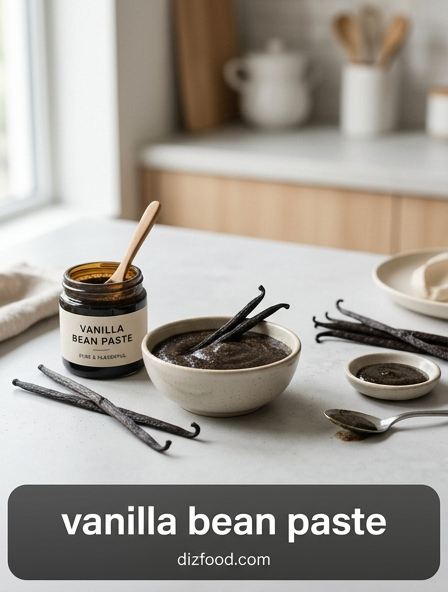
Why Vanilla Bean Paste Outperforms Standard Extract
Vanilla bean paste represents the pinnacle of flavoring convenience and quality in a professional kitchen environment. Unlike standard liquid extracts, which are often diluted with alcohol and water, paste offers a concentrated burst of flavor that remains stable even under high heat. This product bridges the gap between the affordability of extract and the luxury of whole vanilla beans. Because the paste contains the actual seeds from the pod, it provides a depth of flavor that liquid alternatives simply cannot replicate. Professional bakers prefer it because it does not add excessive liquid to delicate batters, maintaining the structural integrity of the recipe.
- Intensity: Higher concentration of vanillin per gram compared to extract.
- Texture: A thick, syrupy consistency that blends easily into fats and sugars.
- Efficiency: Eliminates the time-consuming process of scraping individual pods.
- Flavor Profile: Offers a complex, woody, and floral note that survives the baking process.
In addition to flavor, the paste provides a superior sensory experience. When used in light-colored frostings or sponges, the flavor is immediate and long-lasting. It ensures that every bite contains a consistent level of aromatic complexity, making it an indispensable tool for those who prioritize culinary excellence over basic flavoring.
The Science Behind Concentrated Vanilla Flavor
The potency of vanilla bean paste is rooted in its unique manufacturing process. It is typically crafted by blending a highly concentrated vanilla extract with finely ground vanilla bean powder and a natural thickener, such as sugar syrup or gum tragacanth. This creates a suspension where the volatile flavor compounds are trapped within a viscous medium, preventing them from evaporating as quickly as they would in a purely alcohol-based extract. From a chemical perspective, the presence of the bean specks allows for a slow release of oils that carry the characteristic scent of vanillin and other minor compounds like hydroxybenzaldehyde.
The sugar content in the paste acts as a stabilizer, which is crucial when the product is introduced to heat. During the baking process, the alcohol in standard extracts evaporates rapidly, often taking much of the flavor with it. In contrast, the paste's thick base protects the flavor molecules, allowing them to bind more effectively with the fats in the dough or batter. This results in a finished product that retains a robust "true" vanilla taste even after 30 minutes in a hot oven. Understanding this interaction between viscosity and volatility is key to mastering gourmet flavor profiles.
Achieving the Signature Visual of Real Vanilla Specks
In the world of high-end pastry, the visual presence of tiny black seeds-often referred to as "vanilla caviar"-is a universal symbol of quality and authenticity. Using vanilla bean paste is the most efficient way to achieve this look without the labor and expense of processing dozens of whole beans. These specks serve as a visual cue to the consumer that the dish was prepared using real, natural ingredients rather than synthetic vanillin. This aesthetic enhancement is particularly vital in pale desserts where the contrast is most striking and appetizing.
The distribution of these seeds is remarkably uniform when using paste. Because the seeds are suspended in a thick syrup, they do not settle at the bottom of the bowl as easily as they might in a thin liquid. This ensures that every serving, from the first slice of cake to the last, features an even dispersion of "black gold." For chefs, this consistency is essential for maintaining brand standards across multiple batches. Whether you are folding it into a Swiss meringue buttercream or a simple sugar glaze, the paste ensures that the final product looks as expensive as it tastes, providing an instant upgrade to any visual presentation.
How Paste Enhances Gourmet Cakes and Pastries
Gourmet baking requires a careful balance of moisture and flavor, and vanilla bean paste provides an advantage in both categories. In recipes like pound cakes or delicate chiffon sponges, adding too much liquid extract can slightly alter the pH or the moisture content, leading to a different crumb structure. Paste delivers the necessary flavor intensity in a much smaller volume, allowing the chef to maintain precise control over the dough's hydration levels. Furthermore, the ground vanilla beans within the paste provide subtle pops of flavor that enhance the overall complexity of the bake.
- Measure the paste accurately to replace liquid extract in a one-to-one ratio.
- Cream the paste into the butter and sugar to ensure the oils are fully emulsified.
- Fold gently into delicate foams to prevent the weight of the paste from deflating the air bubbles.
- Observe the even distribution of seeds throughout the batter before baking.
This method ensures that the vanilla is not just a background note but a primary component of the pastry's identity. The result is a more sophisticated profile that lingers on the palate, distinguishing gourmet offerings from standard commercial baked goods.
Comparing Pods, Extract, and Paste for Best Results
Choosing the right form of vanilla depends on the specific requirements of the recipe, including budget, time, and desired intensity. While whole pods are often considered the gold standard for infusions, they are labor-intensive and expensive. Extract is convenient for daily tasks but lacks the visual appeal and heat stability of the other options. Vanilla bean paste serves as the ultimate middle ground, offering the visual benefits of pods with the ease of use found in extracts. It is a versatile pantry staple that works across almost all culinary applications.
| Feature | Whole Pods | Vanilla Extract | Vanilla Paste |
|---|---|---|---|
| Visual Specks | Excellent | None | Excellent |
| Flavor Intensity | Very High | Moderate | High |
| Ease of Use | Low | High | High |
| Heat Stability | High | Low | High |
For high-volume production, the paste is often the most logical choice. It provides the premium appearance of seeds without the variable quality and moisture levels found in individual beans, ensuring that every batch of product meets the same high standard of flavor and aesthetics.
Elevating Your Custards and Creams with Vanilla Seeds
Custards, puddings, and creams are the perfect canvases for vanilla bean paste because their smooth textures and light colors highlight the seeds beautifully. When making a Crème Anglaise or a Panna Cotta, the paste dissolves seamlessly into the dairy, infusing the liquid with a rich, creamy aroma. Unlike extracts, which can sometimes leave a sharp alcoholic aftertaste in uncooked or lightly cooked creams, the paste offers a mellow, rounded sweetness that complements the natural fats in milk and cream. The weight of the seeds allows them to be suspended perfectly in thickened custards, creating a professional finish.
The application in cold desserts is particularly effective. In homemade ice cream, the vanilla specks are not just for show; they signify a depth of flavor that matches the richness of the custard base. Because the paste is often slightly sweetened, it blends more harmoniously with the sugar in the recipe. When the cream is chilled or frozen, the flavor profile remains vibrant, whereas extracts can sometimes become muted at lower temperatures. Using paste ensures that your dairy-based desserts have a sophisticated, artisanal quality that is immediately recognizable to the discerning palate.
The Economic Advantages of Using Vanilla Bean Paste
While the initial price point of a jar of vanilla bean paste may seem high compared to a bottle of extract, the economic benefits become clear when looking at yield and quality. One tablespoon of high-quality paste is typically equivalent to one whole vanilla bean. When you calculate the cost of purchasing individual pods-which can vary wildly in quality and moisture content-the paste often emerges as the more cost-effective solution for achieving a "bean-in" result. There is zero waste with paste; every drop is usable, whereas pods involve discarding the husks or going through extra steps to repurpose them.
Furthermore, the shelf life of vanilla paste is superior to that of whole beans, which can dry out and become brittle if not stored in perfect conditions. The paste is stabilized and sealed, maintaining its potency for much longer periods. For the home baker or the small business owner, this means less spoilage and more consistent results over time. By reducing the labor costs associated with scraping beans and the financial risk of using inconsistent extracts, vanilla bean paste proves to be a smart investment for any kitchen focused on high-quality output and cost management.
Mastering the Conversion Ratio in Professional Recipes
Precision is the hallmark of professional baking, and mastering the conversion of vanilla products is essential for recipe consistency. When substituting paste for other forms of vanilla, it is important to follow standardized ratios to ensure the flavor is neither overpowering nor lackluster. Most professional-grade pastes are designed to be used in a 1:1 ratio with vanilla extract. This makes it incredibly easy to upgrade existing recipes without having to recalculate liquid volumes or sugar content. However, when replacing whole pods, the concentration of the paste allows for significant efficiency.
- 1 teaspoon of vanilla extract = 1 teaspoon of vanilla bean paste.
- 1 whole vanilla bean = 1 tablespoon of vanilla bean paste.
- 1/2 teaspoon of vanilla powder = 1 teaspoon of vanilla bean paste.
When using these ratios, it is helpful to whisk the paste into the liquid ingredients or the fat source early in the mixing process. This ensures that the seeds and the concentrated flavor are evenly distributed throughout the mixture. If a recipe calls for a specific number of beans, using the tablespoon equivalent saves time and reduces the margin of error, especially when scaling up for large batches or commercial production runs.
The Role of Vanilla Paste in High-End Plating
Beyond its use as an ingredient within a recipe, vanilla bean paste serves as a versatile tool for garnishing and high-end plating. Chefs often use it to create "vanilla oil" or "vanilla syrup" that can be drizzled over fruit, poached pears, or plated desserts to add both flavor and visual texture. The concentrated nature of the paste means a small amount can be mixed with honey or simple syrup to create a glossy, seed-flecked glaze that catches the light beautifully under dining room lamps. It adds a sophisticated "finished" look to a plate that extract cannot provide.
In addition to glazes, the paste can be incorporated into smears or gels that form the base of a dessert presentation. The thick consistency of the paste allows it to hold its shape better than liquid extracts when mixed into coulis or reductions. When a guest sees those distinct black specks in a sauce, it immediately elevates their perception of the dish's value. It suggests a commitment to sourcing premium ingredients and highlights the chef's attention to detail. This small addition transforms a simple dessert into a luxury experience, making the paste a vital component of the modern pastry chef's toolkit.
Unleashing Complex Aromatic Profiles in Every Scoop
The sensory experience of vanilla bean paste is far more complex than the one-dimensional sweetness often associated with cheap imitations. Because it utilizes the entire bean in various forms, the paste retains the broad spectrum of aromatic compounds found in nature. This includes not just vanillin, but also the smokey, floral, and earthy notes that vary depending on the bean's origin, such as Madagascar, Tahiti, or Mexico. When you open a jar of paste, the aroma is immediate and intoxicating, a far cry from the medicinal scent of some alcohol-heavy extracts.
This complexity is unleashed as the paste is incorporated into different mediums. In high-fat environments like buttercreams or chocolate ganache, the fat-soluble flavor molecules expand, coating the palate with a rich, velvety vanilla flavor. In acidic environments like lemon curd or fruit compotes, the floral notes of the vanilla provide a necessary balance to the tartness. By using paste, you are not just adding a "vanilla flavor" to your dish; you are adding a layered aromatic profile that evolves as it is eaten. This depth of flavor is what defines premium desserts and keeps diners coming back for the nuanced experience that only real vanilla can provide.

Comments