
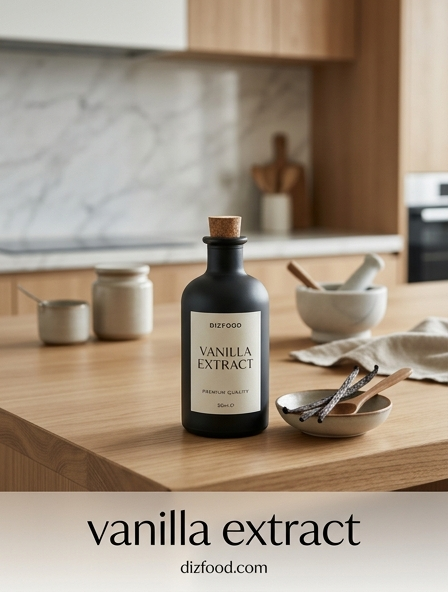
The Chemistry of Vanilla Flavor
The profile of vanilla is anchored by vanillin, an organic compound that provides the characteristic scent and taste. However, pure vanilla extract is far more complex than a single molecule. It contains over 250 distinct chemical components, including phenols, alcohols, and esters, which contribute to its nuanced flavor profile. These compounds interact during the curing process of the vanilla bean, transforming raw, odorless pods into a rich aromatic substance. In the kitchen, these chemicals act as flavor precursors that react with other ingredients to deepen the sensory experience of a dish.
- Vanillin: The primary aldehyde responsible for the central "vanilla" aroma.
- Guaiacol: Provides smoky or phenolic undertones common in specific bean origins.
- 4-Hydroxybenzaldehyde: Contributes to the woody and floral notes of the extract.
- Furfurals: Created during the curing process, adding sweet, caramel-like nuances.
Understanding this chemistry allows chefs to predict how vanilla will behave when exposed to different temperatures and pH levels. While vanillin is relatively stable, many of the volatile esters that provide floral notes can be lost if handled improperly. This chemical complexity is why pure extract offers a lingering aftertaste that synthetic versions cannot replicate, as the minor components provide a structural "roundness" to the palate.
Pure Extract Versus Imitation Alternatives
In a professional kitchen, the choice between pure vanilla extract and imitation alternatives often depends on the application and budget. Pure vanilla is legally defined by the concentration of vanilla beans per gallon of alcohol, ensuring a high density of organic compounds. In contrast, imitation vanilla is typically synthesized from lignin or guaiacol, focusing almost exclusively on the vanillin molecule. While this provides a strong, immediate hit of vanilla flavor, it lacks the depth and multi-layered finish found in natural extracts.
| Feature | Pure Vanilla Extract | Imitation Vanilla |
|---|---|---|
| Primary Source | Cured Vanilla Beans | Synthetic Vanillin |
| Flavor Complexity | High (250+ compounds) | Low (Single molecule) |
| Heat Stability | Volatiles may evaporate | Highly heat resistant |
| Cost Profile | Premium / Expensive | Economical / Low Cost |
While imitation vanilla may suffice in high-heat baking where subtle notes are lost, pure extract is essential for cold applications like mousses, whipped creams, and custards. The botanical impurities in pure extract provide an earthy "bridge" between sugar and dairy that synthetic versions fail to bridge. Professional bakers often reserve pure extract for items where the flavor profile is the central focus of the dessert.
Why Alcohol Carriers Improve Results
Alcohol serves as the most effective solvent for extracting and preserving the aromatic compounds found in vanilla beans. Standard pure vanilla extract must contain at least 35% ethyl alcohol by volume. This carrier is not merely a preservative; it plays a functional role in the chemistry of the kitchen. Alcohol has a lower boiling point than water, which facilitates the rapid release of aromatics as soon as the extract hits the warmth of a batter or the heat of a tongue. This creates an immediate olfactory impact that enhances the perception of taste.
- Solubility: Alcohol dissolves oils and resins that water alone cannot penetrate.
- Volatility: Promotes the "bloom" of the aroma during the mixing and baking process.
- Antimicrobial Properties: Ensures the extract remains shelf-stable for years without degradation.
- Extraction Efficiency: Maintains the suspension of complex esters over long periods.
When vanilla extract is added to a recipe, the alcohol disperses the flavor molecules more evenly through fats and liquids. Because vanilla's flavor compounds are largely fat-soluble, the alcohol acts as a bridge, allowing the vanillin to permeate the butter or cream in a recipe. This results in a more uniform flavor profile throughout the finished product, preventing "hot spots" of concentrated flavor and ensuring every bite is balanced.
Balancing Sugar and Salt Profiles
Vanilla extract is often described as a "flavor enhancer" rather than a primary flavor, much like salt. In the context of pastry and confectionery, vanilla performs the critical task of rounding out the harsh edges of refined sugar. Without vanilla, high-sugar recipes can taste "flat" or overly aggressive in their sweetness. The aromatic complexity of the extract provides a counter-aroma that tricks the brain into perceiving a more sophisticated sweetness. When combined with a pinch of salt, vanilla helps suppress bitterness and heightens the perception of richness in dairy-based desserts.
- Add vanilla to balance the "metallic" aftertaste often found in low-calorie sweeteners.
- Use it to soften the acidity of fruits like strawberries or citrus in tarts.
- Combine with salt to accentuate the earthy tones in caramel and butterscotch.
The interaction between vanilla and salt is particularly noteworthy. While salt clarifies flavors by suppressing bitterness, vanilla adds a "perceived sweetness" without increasing the glycemic load. This makes it an invaluable tool for chefs looking to reduce sugar content while maintaining a satisfying flavor profile. By balancing these three components-sugar, salt, and vanilla-a baker can achieve a depth of flavor that feels complete and professionally executed, rather than simply sweet.
Enhancing Chocolate with Vanilla Notes
In the world of chocolate manufacturing and pastry, vanilla is almost as ubiquitous as the cacao bean itself. The relationship between these two ingredients is symbiotic; vanilla masks the inherent bitterness and acidity of raw cacao while highlighting its floral and fruity undertones. Most high-quality dark chocolates contain a trace of vanilla to "mellow" the profile. When used in the kitchen for brownies, cakes, or ganache, vanilla extract acts as a background note that makes the chocolate taste more "chocolatey" rather than tasting like vanilla itself.
- Bitterness Mitigation: Vanilla rounds out the tannins found in high-percentage dark chocolate.
- Aroma Synchronization: The creamy notes of vanilla complement the fatty acids in cocoa butter.
- Depth Expansion: Vanilla provides a base note that allows the bright fruit notes of cacao to shine.
For milk chocolate applications, vanilla reinforces the dairy notes, making the chocolate feel creamier on the palate. In white chocolate, which lacks cocoa solids, vanilla is the primary flavor driver, providing the essential aromatic character that defines the product. When a recipe calls for chocolate, omitting vanilla often results in a final product that tastes "one-dimensional" or overly acidic. Professional recipes prioritize this pairing to ensure a luxurious mouthfeel and a lingering finish that satisfies the palate long after the first bite.
Heat Resistance and Flavor Longevity
One of the greatest challenges when working with vanilla in a kitchen environment is its vulnerability to high temperatures. Since the most delicate aromatic compounds in pure vanilla are volatile and alcohol-based, they tend to evaporate during long baking cycles or high-heat stovetop cooking. This is known as "flash-off." To maintain the longevity of the flavor, chefs must consider the timing of the addition and the temperature of the medium. For items like cookies, which have short bake times and reach high internal temperatures, a stronger concentration of vanilla is often required to compensate for loss.
- Cold Prep: Add vanilla to frostings, puddings, or syrups after they have cooled to preserve floral notes.
- Baking: Cream vanilla with fats (butter or oil) to "trap" the flavor molecules and slow evaporation.
- Stovetop: Add vanilla at the very end of the cooking process for custards and sauces.
While synthetic vanillin is more heat-stable, it lacks the secondary notes that survive in pure extract when bound to fats. By understanding the evaporation points of the alcohol carrier, a cook can maximize the "nose" of the dish. For maximum impact in baked goods, many professionals use a "double-fold" extract, which provides twice the flavor concentration, ensuring that even after the heat of the oven, the characteristic vanilla profile remains prominent and identifiable.
Elevating Dairy and Egg Bases
Vanilla is the quintessential partner for dairy and eggs, serving as a functional mask for the sulfurous or "gamey" odors sometimes associated with cooked egg yolks. In custards, ice creams, and pastry creams, vanilla provides a structural flavor that binds the richness of the fat to the sweetness of the sugar. Because dairy products are excellent at carrying fat-soluble aromas, they are the ideal medium for showcasing the complexity of a high-quality pure extract. The natural fats in cream and milk "fix" the vanilla aromatics, preventing them from dissipating too quickly on the palate.
| Dairy Application | Role of Vanilla | Resulting Profile |
|---|---|---|
| Crème Brûlée | Masks egg sulfur | Rich, aromatic custard | Lowers freezing point perception | Smooth, floral sweetness |
| Whipped Cream | Adds visual and aromatic depth | Light, marshmallow-like finish |
When working with eggs, the timing of vanilla addition is crucial. Adding it directly to the yolks before tempering with hot milk can help neutralize "eggy" notes early in the process. In high-fat environments like buttercreams, the vanilla extract emulsifies with the fat, creating a long-lasting flavor profile that improves as the dish sits. This synergy is why vanilla is considered the "gold standard" for dairy-based desserts worldwide, providing a clean, comforting finish that other spices cannot match.
Maintaining Batch Consistency in Baking
For commercial bakers and serious home cooks, maintaining consistency across multiple batches is a primary concern. Vanilla extract, being a natural product, can vary slightly in potency depending on the region of origin and the age of the extract. To ensure a uniform product, it is vital to measure vanilla extract by volume accurately and avoid "eyeballing" the addition. Even a small variance can shift the balance of a delicate sponge cake or a batch of shortbread. Furthermore, the method of incorporation can impact how the flavor is distributed throughout the dough or batter.
- Always use standardized measuring spoons rather than domestic silverware.
- Incorporate vanilla into the fat (butter/sugar) during the creaming stage for even distribution.
- Store extract in a cool, dark place to prevent the degradation of volatile compounds over time.
Consistency also involves understanding "fold strength." A single-fold extract is standard for most recipes, but double-fold (2x) or triple-fold (3x) extracts are used in high-volume production to reduce the amount of liquid added to a recipe while maintaining flavor intensity. By keeping a consistent brand and concentration, a baker ensures that every batch produced meets the same sensory standards, preventing the disappointment of a "weak" or "overly alcoholic" final product.
The Importance of Proper Concentration
The potency of vanilla extract is governed by strict regulations to ensure consumers receive a consistent level of flavor. In the United States, the FDA requires that "Pure Vanilla Extract" contain the extractable matter from 13.35 ounces of vanilla beans per gallon of liquid, in a solution of at least 35% alcohol. This concentration, known as single-fold (1x), is the baseline for culinary use. Understanding these concentrations is vital when substituting different forms of vanilla, such as pastes, powders, or beans, which have varying levels of aromatic intensity and moisture content.
- Single-Fold (1x): The standard for most home recipes and general baking.
- Double-Fold (2x): Used by professionals to minimize liquid volume in sensitive batters.
- Vanilla Paste: A blend of extract and bean specks, offering a 1:1 replacement for extract.
- Vanilla Powder: An alcohol-free alternative for dry mixes and color-sensitive frostings.
Using the correct concentration ensures that the moisture balance of the recipe remains intact. For example, adding too much single-fold extract to a delicate macaron batter can ruin the texture, whereas a small amount of double-fold extract provides the necessary flavor without the excess liquid. Proper concentration also impacts the "burn-off" rate; higher concentrations often leave behind more residual flavor after the baking process is complete, making them more economical in the long run for heat-intensive applications.
Essential Roles for Pure Vanilla
While often relegated to the world of sweets, pure vanilla extract serves several essential roles in the broader culinary landscape. Beyond flavoring, it acts as a chemical bridge and an aromatic mask that can be utilized in savory applications and beverage management. Its ability to create a "fuller" mouthfeel makes it a secret ingredient in everything from tomato sauces to seafood glazes. In these contexts, vanilla is used in minute quantities-not to make the dish taste like a dessert, but to provide a background warmth that balances acidity and enhances savory proteins.
- Savory Balancing: A drop in tomato sauce can neutralize excess acidity without adding sugar.
- Seafood Pairing: Vanilla butter complements the natural sweetness of lobster and scallops.
- Beverage Enhancement: It adds body and aroma to coffee, tea, and complex cocktails.
In high-end gastronomy, vanilla is appreciated for its ability to provide a "long" finish to a dish. It lingers on the back of the palate, extending the enjoyment of other flavors. Whether it is used to soften the bite of a vinaigrette or to add complexity to a roasted root vegetable dish, pure vanilla extract remains one of the most versatile tools in a chef's pantry. Its essential role is defined by its ability to make every other ingredient in the kitchen perform better, proving it is far more than just a simple flavoring agent.


Comments