
Understanding Whisk Geometry
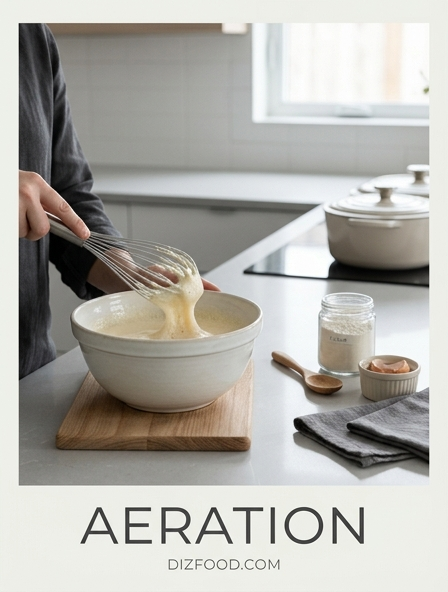
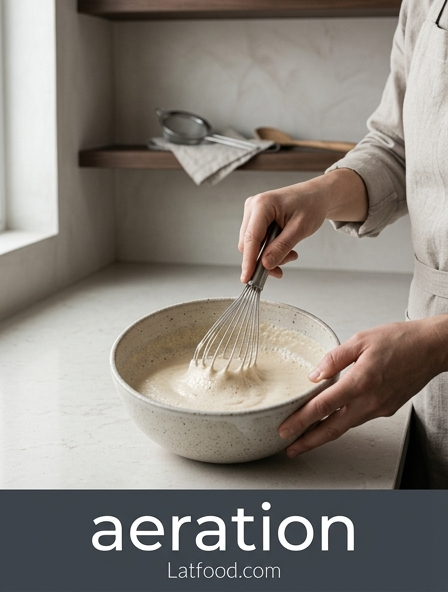
The science of kitchen aeration begins with an appreciation of whisk geometry. The effectiveness of a whisk is determined by the intersection of wire gauge, the number of loops, and the overall curvature of the tool. When a whisk moves through a liquid, it creates a series of turbulent wakes. These wakes are responsible for pulling air into the mixture, a process essential for developing structure in everything from sponge cakes to hollandaise. Thinner wires offer less resistance and are superior for light fluids like egg whites, whereas thicker wires provide the mechanical force necessary to shear through dense batters.
To optimize results, one must consider the following geometric factors:
- Wire Count: More loops increase the surface area contact, leading to faster aeration.
- Spacing: Narrow gaps between wires facilitate the breakdown of fat globules in emulsions.
- Flexibility: The "bounce" of the wires allows the tool to vibrate, further increasing the rate of air incorporation.
By selecting a whisk with the appropriate geometry, a chef can significantly reduce physical fatigue while achieving a more stable foam or a smoother liquid consistency.
Anatomy of the Balloon Whisk
The balloon whisk is the quintessential tool for introducing air into liquids, characterized by its wide, bulbous end. Its anatomy is specifically designed to maximize volume by trapping large amounts of air within its spherical cage. The handle is typically weighted to provide balance, allowing the user to maintain a rapid, rhythmic pace without straining the wrist. The loops are generally made of stainless steel to ensure durability and resistance to acidic ingredients, which could otherwise corrode the metal during prolonged whisking of citrus-based sauces or dressings.
| Component | Primary Function |
|---|---|
| Handle | Provides ergonomic grip and leverage for high-speed movement. |
| Wires | Individual loops that cut through surface tension to trap air. |
| Bulbous Head | Creates a large interior volume for maximum air expansion. |
| Epoxy Seal | Ensures hygiene by preventing liquid from entering the handle. |
The spacing of the wires in a balloon whisk is critical; if they are too close, the mixture may simply pass around the whisk rather than through it, hindering the aeration process.
The Conical Whisk Design Advantage
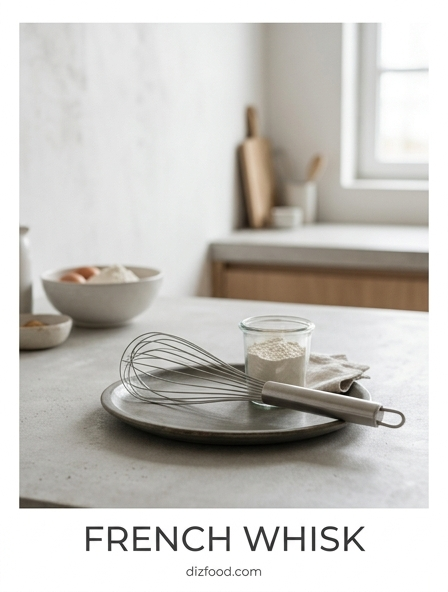
Often referred to as the French whisk, the conical design offers a distinct advantage in narrow vessels and shallow pans. Unlike the rounded balloon whisk, the conical whisk features a tapered, elongated shape that allows the wires to reach deep into the corners of a pot or saucier. This is essential for preventing scorching, as it ensures that no portion of the mixture remains stagnant against the heat source. The wires are typically stiffer than those of a balloon whisk, making it an excellent choice for thick sauces like béchamel or custard.
- Precision Agitation: The narrow tip allows for targeted stirring in small saucepans.
- Mechanical Strength: The rigid structure can break up clumps of flour or cocoa powder effectively.
- Heat Management: Constant movement in the corners of the pan prevents localized overheating.
Because the conical whisk has a smaller surface area than the balloon variety, it incorporates less air, making it the preferred tool when the goal is a dense, creamy texture rather than a light, foamy one. This precision is vital for professional sauce preparation.
Achieving Maximum Aeration Efficiency
Maximizing aeration efficiency requires more than just speed; it involves the correct mechanical motion. Many cooks instinctively use a circular stirring motion, but research suggests that a side-to-side or "zigzag" motion is far more effective for creating foam. This transverse movement forces the liquid to change direction rapidly, creating high-shear zones that pull air into the protein structures of egg whites or cream. The speed of the whisk must be consistent to build a stable matrix of bubbles that will not collapse prematurely.
- Shear Force: The ability of the wires to tear through the liquid and create air pockets.
- Bubble Distribution: Smaller, more uniform bubbles lead to a more stable and luxurious foam.
- Temperature Control: Cold fats, such as heavy cream, retain air bubbles more effectively than warm ones.
Efficiency is also gained by using the largest bowl possible relative to the volume of the liquid. This provides ample space for the mixture to expand as air is incorporated, preventing the whisk from becoming "submerged" and losing its ability to grab air from the surface.
Deglazing with Conical Whisks
Deglazing is a critical step in building flavor for pan sauces, and the conical whisk is the superior tool for this task. After searing meat, caramelized proteins and sugars-known as the fond-stick to the bottom of the pan. Adding a liquid like wine or stock releases these flavors, but they must be physically scraped and incorporated into the liquid. The stiff, pointed wires of a conical whisk are designed to navigate the flat bottom and curved "shoulders" of a skillet, ensuring every bit of flavor is salvaged.
- Scraping Power: The concentrated pressure at the tip of the whisk lifts the fond effectively.
- Fluid Integration: As the fond dissolves, the whisk simultaneously blends it with the deglazing liquid.
- Uniformity: The whisking action prevents the solids from clumping as they emulsify into the sauce.
Using a balloon whisk for deglazing often results in missed spots in the corners, leading to wasted flavor and potential burnt patches. The conical design ensures a clean pan and a rich, deeply flavored reduction that serves as the perfect base for further refinement.
Whisking Techniques for Smooth Emulsions
An emulsion is a delicate balance of two immiscible liquids, typically oil and water. Creating a stable emulsion, such as a mayonnaise or a vinaigrette, requires the mechanical power of a whisk to break the oil into microscopic droplets. As the whisk moves, it creates the necessary force to disperse these droplets throughout the water phase, while emulsifiers like mustard or egg yolk coat the droplets to prevent them from coalescing. The technique involves a slow, steady stream of oil accompanied by vigorous, rapid whisking to ensure immediate dispersion.
- Incremental Addition: Adding oil too quickly will overwhelm the emulsifiers and cause the sauce to "break."
- Continuous Agitation: Constant movement is required to maintain the suspension of fat particles.
- Shear Rate: The faster the whisk moves, the smaller the oil droplets become, resulting in a thicker sauce.
A successful emulsion should have a glossy sheen and a uniform color. If the mixture appears curdled or greasy, the aeration and dispersion have failed, often requiring the addition of a small amount of liquid and renewed whisking to restore the structure.
Vessel Shape and Whisk Compatibility
The relationship between the whisk and the vessel is often overlooked but is crucial for kitchen efficiency. A whisk must be able to move freely within the container to achieve the desired results. Using a large balloon whisk in a narrow, tall cup is counterproductive as the wires cannot expand, while using a small whisk in a wide bowl requires excessive effort to move the liquid. Matching the tool to the vessel shape ensures that the entire volume of the liquid is agitated, preventing unmixed pockets at the bottom or sides.
| Vessel Type | Recommended Whisk | Reasoning |
|---|---|---|
| Round Bottom Bowl | Balloon Whisk | Contours match perfectly for maximum air incorporation. |
| Flat Bottom Saucier | Conical Whisk | Reaches the junction of the wall and the base. |
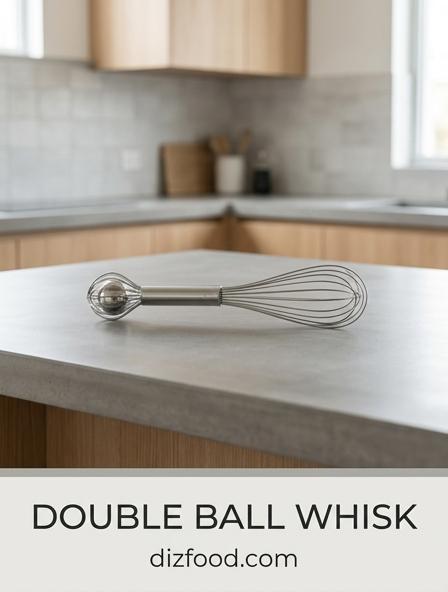
| Narrow Beaker | Mini Whisk | Allows for high-speed rotation in confined spaces. |
| Large Stock Pot | Heavy-Duty French Whisk | Provides the reach and strength for high volumes. |
Choosing the correct combination reduces the physical workload and ensures that the aeration process is consistent throughout the entire batch of ingredients.
Mastering Pan Sauce Textures
The final texture of a pan sauce is a testament to the cook's whisking technique. After deglazing and reducing the liquid, the final step often involves "monter au beurre"-whisking in cold butter to create a velvety, thickened finish. This requires a gentle but firm whisking motion to incorporate the fat without breaking the emulsion. The whisk aerates the sauce slightly, giving it a lighter mouthfeel while ensuring that the butter melts evenly and binds with the reduction. A glossy, nappe consistency is the goal, where the sauce coats the back of a spoon.
- Temperature Sensitivity: The sauce should be off the heat or at a low simmer to prevent the butter from separating.
- Glossiness: Proper whisking creates a light-reflective surface by evenly distributing fat molecules.
- Vigor: Moderate whisking is better than high-speed aeration at this stage to avoid creating unwanted foam.
By mastering the use of the whisk during these final moments, a chef can transform a simple thin liquid into a sophisticated, professional-grade sauce that enhances the presentation and flavor of the dish.
Balloon Whisk for Fluffy Peaks
When it comes to creating meringues or whipped cream, the balloon whisk is the undisputed champion. The objective is to denature proteins or stabilize fat globules while trapping as much air as possible. In egg whites, the whisking action uncoils protein strands, which then bond together around air bubbles to form a stable foam. A balloon whisk's large volume and numerous thin wires allow it to incorporate air much faster than other designs. The result is the transformation of a liquid into a semi-solid state with soft, medium, or stiff peaks.
- Soft Peaks: The foam is light and curls over when the whisk is lifted.
- Medium Peaks: The foam maintains more shape but still shows some flexibility.
- Stiff Peaks: The mixture stands straight up, indicating maximum air saturation and structural integrity.
The hygiene of the whisk is paramount here; any trace of fat or yolk on the wires will prevent the egg white proteins from bonding, resulting in a flat, failed foam. Precision and cleanliness are the keys to success.
Essential Whisk Selection Guide
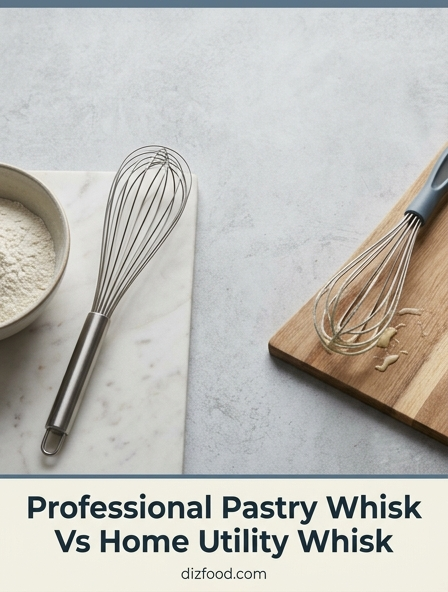
Selecting the right whisk for a kitchen task is a balance of material, weight, and purpose. Stainless steel remains the industry standard due to its rigidity and ease of cleaning, though silicone-coated whisks are essential when working with non-stick cookware to avoid scratching the surface. The weight of the handle should feel comfortable in the hand, as aeration often requires several minutes of continuous movement. A well-curated kitchen should include a variety of sizes to handle everything from a single egg to a large pot of pastry cream.
| Material | Pros | Cons |
|---|---|---|
| Stainless Steel | Durable, dishwasher safe, great for heavy batters. | Can scratch non-stick surfaces. |
| Silicone Coated | Safe for all pans, quiet operation. | Wires can be too thick for fine aeration. |
| Copper Loops | Traditional for egg whites, aids in stabilization. | Requires specialized maintenance and polishing. |
Ultimately, the best whisk is one that matches the specific viscosity of the ingredient and the shape of the cooking vessel, ensuring that aeration is achieved with minimal effort and maximum consistency.

Comments