
The Science of Protein Denaturation
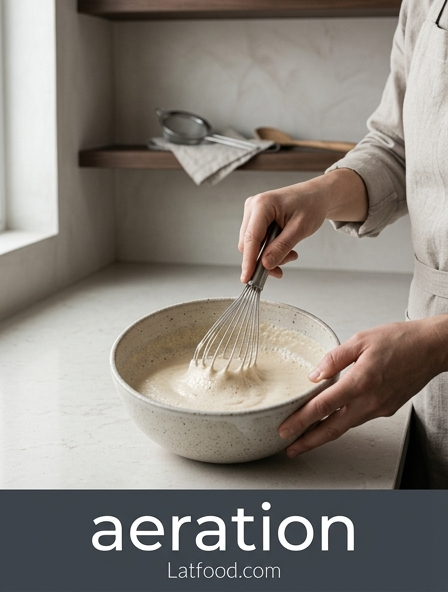
Aeration in the kitchen is primarily driven by the biological properties of egg proteins. When you whisk egg whites, you are applying mechanical force that physically unravels coiled protein chains, a process known as denaturation. These proteins consist of both hydrophobic and hydrophilic amino acids. As they uncurl, the hydrophobic parts seek out the air bubbles you are incorporating, while the hydrophilic parts remain in the water-based moisture of the white. This creates a protective film around each air bubble.
As more air is introduced, these uncurled proteins link together to form a complex, three-dimensional network. This network acts as a structural web that traps air and prevents the bubbles from escaping or coalescing. The result is a transformation from a liquid to a semi-solid foam. Without this specific molecular realignment, the foam would lack the necessary tension to support its own weight or expand further when subjected to the heat of an oven during baking.
Choosing the Right Whisking Equipment
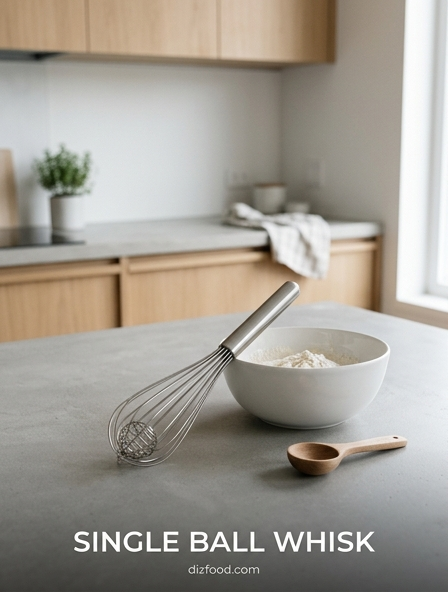
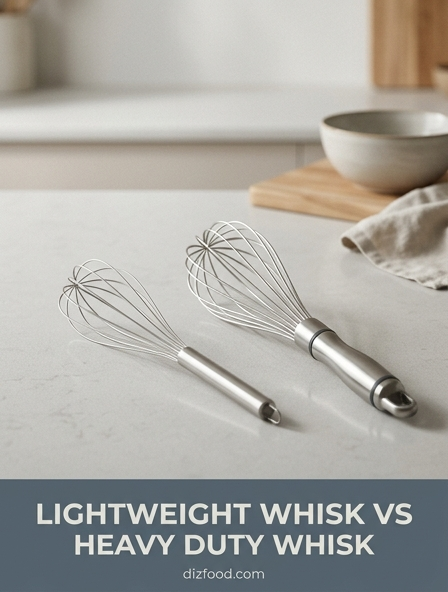
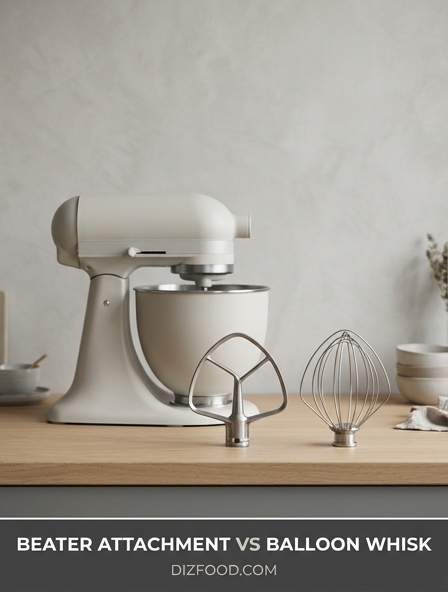
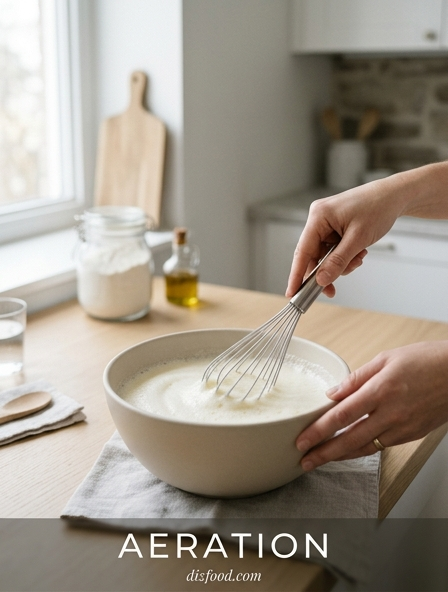
The tools used for aeration significantly impact the volume and stability of the resulting foam. A balloon whisk with many thin wires is generally preferred for manual aeration, as it increases the surface area contact with each stroke. The material of the bowl also plays a critical role in the chemical reaction occurring during the whisking process.
| Material | Effect on Aeration | Best For |
|---|---|---|
| Copper | Reacts with conalbumin to create very stable foams. | Meringues and soufflés. |
| Stainless Steel | Neutral and easy to clean; very common and effective. | General purpose whisking. |
| Plastic | Hard to clean; often retains grease which kills foam. | Avoid if possible. |
| Glass | Heavy and slick; can be difficult for proteins to grip. | Small batches. |
Copper bowls are the gold standard because they release small amounts of copper ions that bond with the proteins, making them more resistant to over-whisking and collapse. If using stainless steel, the addition of a stabilizer is often recommended to mimic this effect.
The Critical Role of Room Temperature Whites
Temperature is a subtle but vital factor in achieving maximum aeration. Cold egg whites have a higher surface tension and a more viscous protein structure. This makes it difficult for air to be incorporated quickly, as the proteins are "tight" and less willing to uncurl. While cold eggs are easier to separate into yolks and whites, the whites should be allowed to reach room temperature before whisking begins.
At approximately 70°F (21°C), the protein bonds are more relaxed. This decreased surface tension allows the whites to stretch further and accommodate more air bubbles, resulting in a significantly larger volume of foam. Room temperature whites also create a finer, more uniform bubble structure compared to cold whites, which tend to produce irregular, unstable bubbles. If you are in a rush, placing the bowl of whites inside a larger bowl of warm water for a few minutes can safely accelerate this temperature adjustment without cooking the proteins.
Eliminating Residual Fats for Maximum Lift
The presence of even a microscopic amount of fat can completely compromise the aeration process. Fat molecules compete with the proteins for space around the air bubbles. Unlike proteins, fat cannot form a cohesive network to trap air, leading to the immediate collapse of the foam structure. Ensuring a "fat-free" environment is the most important preparatory step for any meringue or sponge cake.
- Wipe the whisk and bowl with a paper towel dampened with lemon juice or white vinegar to strip away lingering oils.
- Use separate bowls for cracking eggs to ensure no yolk fragments contaminate the main batch.
- Avoid plastic bowls, as their porous surface tends to trap fat molecules even after thorough washing.
- Check that your hands are clean and free of lotion or natural oils before handling the equipment.
By following these steps, you guarantee that the proteins can bond effectively without interference, allowing the foam to reach its maximum potential height and stability.
Stabilizing Structures with Acidic Components
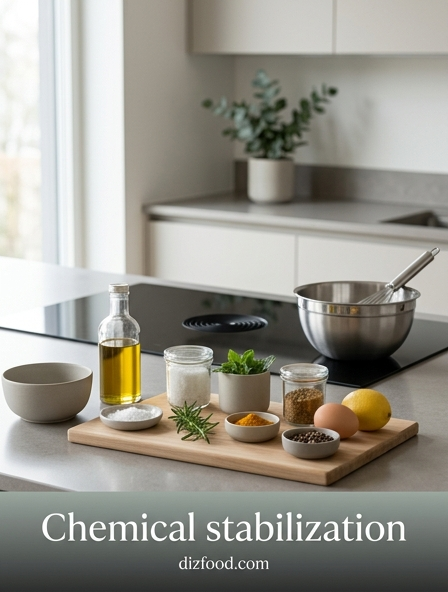
While mechanical action creates the foam, chemical assistance is often required to keep it from collapsing. Acidic ingredients, such as cream of tartar, lemon juice, or white vinegar, serve as vital stabilizers. These components function by slightly lowering the pH of the egg whites. This adjustment helps the protein molecules bond more slowly and prevents them from over-coagulating, which can lead to a grainy and dry texture.
Introducing an acid early in the whisking process-usually once the whites have become foamy-strengthens the protein network. This increased strength allows the foam to hold air longer during the folding and baking phases. It also makes the foam more elastic, permitting it to expand more gracefully when the air inside heats up in the oven. For most recipes, roughly one-eighth of a teaspoon of cream of tartar per egg white is sufficient to provide the necessary structural integrity without altering the flavor of the final dish.
Perfecting the Timing of Sugar Incorporation
Sugar is both a friend and a foe to aeration. It acts as a stabilizer by dissolving into the water film around the air bubbles, creating a thick syrup that protects the protein structure from drying out or collapsing. However, adding sugar too early can inhibit the initial denaturation of the proteins, making it nearly impossible to achieve a high volume. The weight of the sugar can literally crush the fragile bubbles before they have a chance to multiply.
The optimal time to begin adding sugar is when the whites have reached the "soft peak" stage. At this point, the protein network is established enough to support the added weight. Sugar should be added gradually, ideally one tablespoon at a time, while continuing to whisk. This ensures the sugar dissolves completely and is evenly distributed throughout the foam. If the sugar is added all at once or too quickly, it can cause the foam to deflate into a heavy, syrupy mess that lacks the lightness required for delicate desserts.
Visual Guide to Soft and Stiff Peaks
Understanding the visual cues of egg white aeration is essential for determining when to stop whisking. The transition from liquid to foam happens in distinct stages, each suited for different culinary applications. Monitoring these stages prevents under-whisking, which leads to drainage, or over-whisking, which leads to clumping.
- Foamy Stage: The whites are still liquid but covered in a layer of small bubbles; this is the time to add stabilizers like cream of tartar.
- Soft Peaks: The foam is white and holds its shape in the bowl. When the whisk is lifted, the peak will stand up briefly and then curl over like a wave.
- Firm Peaks: The foam is more defined and the peaks stand straighter, but the tips still have a slight droop. This is often the ideal stage for folding into batters.
- Stiff Peaks: The peaks stand straight up without drooping. The foam will look glossy and moist. If you tilt the bowl, the mixture should not move.
Stopping at the correct stage ensures that the foam has enough elasticity left to expand during the baking process.
Avoiding the Pitfalls of Over-Whisking
Over-whisking is a common mistake that occurs when the protein network becomes too tight. If you continue to beat egg whites past the stiff peak stage, the protein molecules will bond so closely together that they begin to squeeze out the water they were meant to hold. This process, known as syneresis, results in a foam that looks grainy, dull, and lumpy. Once this happens, the foam loses its ability to blend with other ingredients and will weep liquid at the bottom of the bowl.
An over-whisked foam is brittle rather than elastic. When placed in the oven, it cannot expand further; instead, the tight protein bonds will snap, causing the cake or soufflé to collapse prematurely. To prevent this, always slow down your whisking speed as you approach stiff peaks and check the consistency frequently. If the foam has just begun to look slightly grainy, you can sometimes rescue it by adding one fresh egg white and whisking briefly to re-incorporate moisture and elasticity.
Techniques for Folding Without Deflating
Folding is the delicate art of combining a light, aerated foam with a heavier base without losing the air bubbles you worked so hard to create. Using a heavy-handed stirring motion will instantly crush the bubbles and result in a dense final product. Instead, a flexible silicone spatula is the tool of choice for this procedure. The "J-fold" is the most effective technique: cut through the center of the mixture with the spatula, scrape across the bottom, and lift the batter over the top while rotating the bowl.
It is often helpful to "sacrifice" a small portion (about one-third) of the aerated foam by stirring it vigorously into the heavy base first. This lightens the base's consistency, making it much easier to fold in the remaining foam gently. Work quickly but with intention; the longer the process takes, the more time the air has to escape. Stop as soon as no large streaks of white foam remain to ensure the batter stays as voluminous as possible before it enters the heat of the oven.
Maintaining Aeration in Final Batters
The journey of aeration does not end once the batter is mixed; maintaining that air until the structure sets in the oven is the final challenge. Time is the enemy of any foam-based batter. As soon as the folding is complete, the mixture should be transferred to the baking pan and placed in a preheated oven immediately. If the batter sits on the counter, gravity and the weight of the other ingredients will gradually force the air out, leading to a loss of height.
Furthermore, the preparation of the baking pan can influence how well the aeration is maintained. For cakes like Angel Food or Chiffon, leaving the sides of the pan ungreased allows the aerated batter to "climb" the walls as it expands, providing physical support to the delicate structure. Opening the oven door during the early stages of baking can also cause a sudden drop in temperature, which may cause the air bubbles to contract and the structure to fail. Consistency in heat and speed in handling are the final keys to culinary success.

Comments