
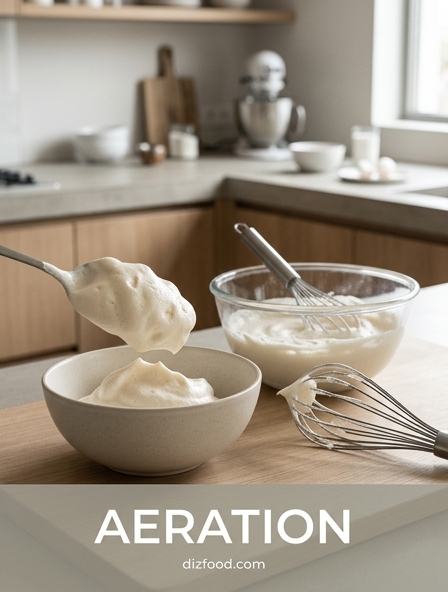
Mastering Aeration and Emulsification
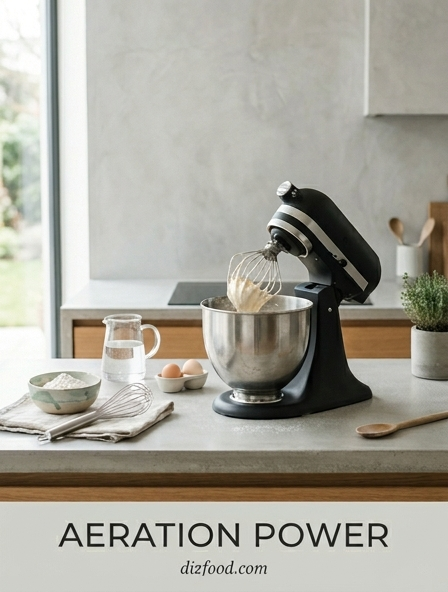
In the culinary world, aeration is the process of incorporating tiny air bubbles into liquids or batters to create lightness and volume. This technique is fundamental to achieving the desired texture in everything from soufflés to sponge cakes. Simultaneously, emulsification involves forcing two immiscible liquids, such as oil and vinegar, into a stable, uniform mixture. The mechanical action of a whisk breaks down fat globules, allowing them to be suspended within a continuous phase. Mastery of these two principles transforms dense ingredients into delicate masterpieces.
To succeed, a chef must understand the relationship between agitation and stability. Aeration requires rapid, consistent movement to trap air, while emulsification relies on the slow addition of one ingredient into another while whisking vigorously. The goal is to create a structure that holds its form over time. Whether you are building a stable meringue or a permanent mayonnaise, the physical interaction between your tool and the ingredients determines the final mouthfeel and structural integrity of the dish.
The Balloon Whisk for Maximum Volume
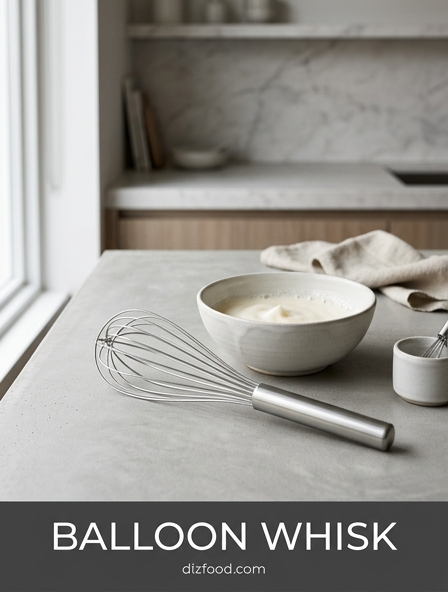
The balloon whisk is the quintessential tool for any baker looking to maximize volume. Characterized by its large, bulbous shape and high number of flexible wires, it is designed to move through thin liquids with minimal resistance while trapping a maximum amount of air. This tool is specifically engineered for whipping egg whites into meringue or beating heavy cream into stiff peaks. The wide circumference of the wires ensures that every stroke covers a significant surface area, accelerating the aeration process.
When selecting a balloon whisk, consider the following attributes:
- Wire count: More wires generally lead to faster aeration and finer bubbles.
- Flexibility: Thinner wires provide the "snap" needed for light, delicate foams.
- Bowl depth: Best used in deep, rounded bowls to allow for full circular movement.
This whisk is less effective for thick batters, where its thin wires may bend or lose their shape under pressure. For light, airy tasks, however, it remains the gold standard in the kitchen.
French Whisks for Silky Smooth Sauces
The French whisk, often confused with the balloon whisk, features a narrower, more elongated profile. This design makes it the superior choice for blending ingredients in tight spaces or tall, narrow vessels. Because the wires are stiffer and packed more densely than those of a balloon whisk, it excels at emulsifying vinaigrettes and creating perfectly smooth béchamel or hollandaise sauces. Its tapered end allows the chef to reach the corners of a saucepan, ensuring that no flour or seasoning is left unmixed.
The French whisk provides greater control for delicate tasks:
- Start with a slow, rhythmic motion to incorporate base ingredients.
- Increase speed to emulsify fats into the liquid phase.
- Use the stiff wires to break up any stubborn lumps of starch or spice.
Its durability makes it a workhorse for professional kitchens where sauces are a daily staple. The balance of the French whisk allows for high-speed agitation without the excessive splashing often associated with wider designs.
Flat Whisks and the Art of the Roux
Flat whisks, or roux whisks, are specialized tools with a low profile that allows them to lie flush against the bottom of a pan. This design is crucial when preparing a roux, as it enables the cook to continuously stir the flour and fat mixture, preventing scorching. Unlike traditional rounded whisks, the flat whisk can easily scrape the entire surface of a skillet or sauté pan. This makes it an invaluable asset for deglazing, as it efficiently lifts browned bits of fond from the bottom of the pan to incorporate them into a gravy.
The geometry of the flat whisk offers unique advantages:
- Ideal for shallow pans and wide skillets.
- Prevents "dead zones" where ingredients can burn.
- Excellent for turning delicate items like poached eggs.
By using a flat whisk, you ensure even heat distribution and a perfectly toasted base for your liquid additions. It is the bridge between a spatula and a whisk, providing the best of both worlds for stovetop cooking.
Precision Mixing with the Ball Whisk
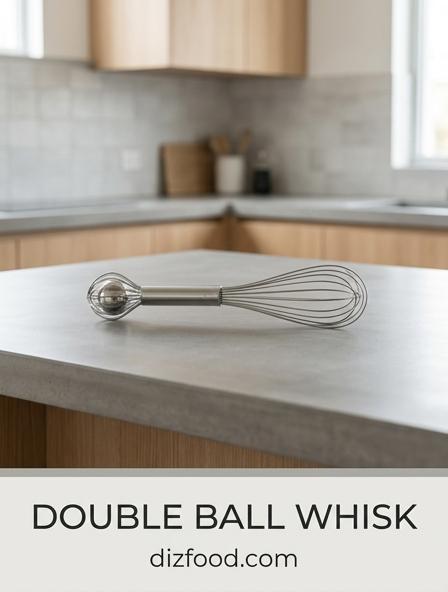
The ball whisk is a modern innovation that replaces the traditional loops of wire with individual prongs, each tipped with a small weighted ball. This unique configuration allows for unprecedented precision and hygiene. Because there are no crossing wires, ingredients are less likely to get trapped, making it much easier to clean. The vibrating action of the balls as they strike the bowl creates a high-frequency agitation that is surprisingly effective at breaking up dry clumps in flour or cocoa powder.
| Feature | Advantage |
|---|---|
| Open Prongs | Easy access to bowl corners and edges. |
| Weighted Tips | Increased agitation for faster mixing. |
| Independent Movement | Reduced resistance in thick mixtures. |
This tool is particularly useful for small batches or when working in flat-bottomed containers where traditional whisks struggle to reach every surface. It is a versatile addition to any professional toolkit.
Silicone vs Stainless Steel Performance
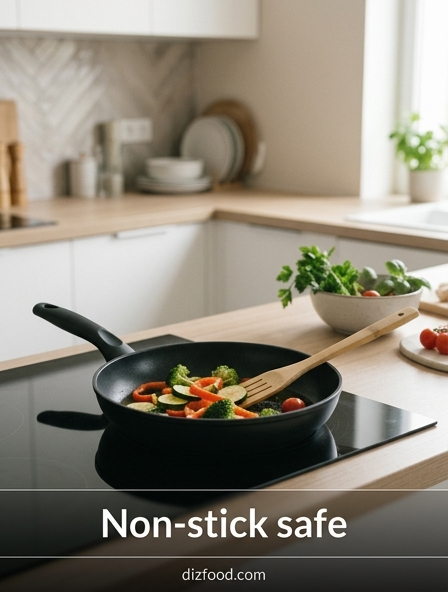
The material of your whisk significantly impacts its performance and the longevity of your cookware. Stainless steel is the industry standard due to its durability, weight, and ability to be sterilized at high temperatures. However, it can damage non-stick coatings and react with certain acidic ingredients. Silicone-coated whisks have gained popularity as a safe alternative for use with non-stick pans and ceramic surfaces.
Comparison of materials:
- Stainless Steel: Provides the best tension for aerating egg whites and resists bending under heavy loads.
- Silicone: Heat resistant up to 500°F and quiet during use, though the coating adds thickness that may slow down aeration.
- Nylon: A budget-friendly option that is gentle on pans but often lacks the rigidity required for professional results.
Choosing between these materials depends on your specific kitchen setup and the fragility of your cookware's surface. For high-volume aeration, stainless steel remains unbeaten, while silicone is the protector of modern non-stick coatings.
Essential Techniques for Perfect Peaks
Achieving perfect peaks is a hallmark of culinary precision. The technique begins with clean equipment; even a trace amount of fat can prevent egg whites from foaming properly. The motion used is just as important as the tool. Rather than whisking in a simple circular pattern, a side-to-side or figure-eight motion provides more shear force, cutting through the proteins and trapping air more efficiently. This creates a more stable foam with uniform bubble size.
The stages of peak development are critical to monitor:
- Soft Peaks: The foam holds its shape but the tip folds over when the whisk is lifted.
- Firm Peaks: The foam is stable, and the tip holds its shape with a slight droop.
- Stiff Peaks: The foam stands straight up and the mixture appears glossy.
Monitoring these stages closely prevents over-beating, which can cause the protein structure to collapse and become grainy. Patience and consistent speed are the keys to a perfect, airy finish.
Achieving Consistency in Heavy Batters
When dealing with dense mixtures like muffin batter, pancake mix, or thick cookie dough, aeration takes a backseat to thorough incorporation. Using a whisk with heavy-gauge wires is essential to prevent the tool from deforming. The goal is to eliminate dry pockets of flour without overworking the gluten, which would result in a tough, chewy texture. A robust French whisk or a specialized dough whisk is often the best choice for these applications.
Strategies for heavy batters:
- Use a "folding" motion rather than rapid beating to preserve existing air.
- Rotate the bowl while whisking to ensure even distribution of ingredients.
- Sift dry ingredients beforehand to reduce the effort required to achieve a smooth consistency.
By focusing on consistent, deliberate strokes, you can maintain the integrity of the batter while ensuring every ingredient is perfectly integrated. Heavy-duty whisks provide the torque necessary to move through viscous materials without straining the user's wrist.
Ergonomic Design for Professional Speed
In a professional kitchen, whisking can be a repetitive and physically demanding task. Ergonomics play a vital role in preventing wrist fatigue and long-term strain. High-quality whisks feature handles designed for various grip styles, whether you prefer a pencil grip for delicate tasks or a palm grip for vigorous whipping. The weight of the handle should balance the weight of the wires; a handle that is too heavy will cause the whisk to flip out of shallow bowls.
Key ergonomic features to look for:
- Non-slip surfaces: Rubberized or textured grips for safe use with wet hands.
- Teardrop shape: Fits the natural contour of the palm for comfort.
- Vibration dampening: Materials that absorb the shock of hitting the side of the bowl.
Investing in an ergonomically sound tool allows for sustained speed and efficiency throughout a long shift. When the tool feels like an extension of the hand, the chef can focus entirely on the texture of the food.
Maintaining Your Tools for Peak Performance
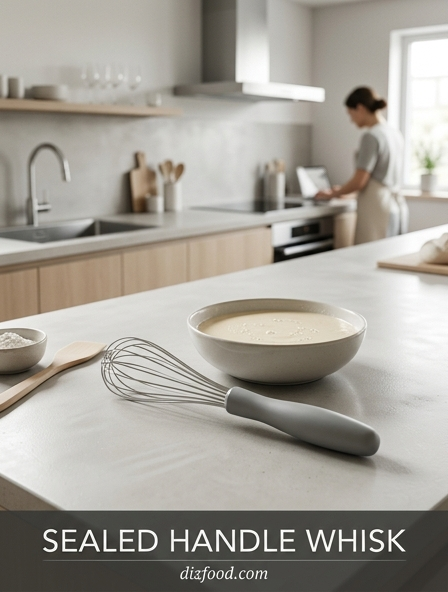
Proper maintenance extends the life of your whisks and ensures food safety. After each use, whisks should be rinsed immediately, as dried batter can be difficult to remove from between the wires. While many stainless steel whisks are dishwasher safe, hand washing is often recommended for silicone-coated or wood-handled versions to prevent material degradation. Regularly inspect your whisks for signs of wear, such as loose wires or cracked handles, which can harbor harmful bacteria.
Maintenance Checklist:
- Sanitize: Use high-heat cycles or food-safe sanitizers to eliminate pathogens.
- Dry Thoroughly: Store whisks hanging or upright to ensure no moisture remains in the handle base.
- Inspect: Check for "play" in the wires which can lead to snapping during use.
A well-maintained whisk remains a reliable partner in the kitchen, consistently delivering the aeration and emulsification required for professional-grade results. Taking a few moments for care ensures that your equipment is always ready for the next challenge.

Comments