
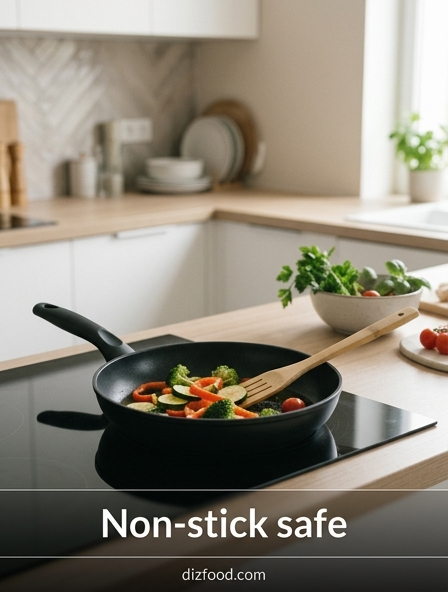
Understanding Heat Resistant Materials for High Temp Cooking
Selecting the right materials for high-temperature cooking is essential for both the longevity of your cookware and the safety of your food. In modern kitchens, silicone has emerged as a frontrunner due to its remarkable thermal stability. Unlike standard plastics that may warp or release harmful chemicals when exposed to a hot pan, food-grade silicone can typically withstand temperatures exceeding 450 degrees Fahrenheit. This makes it an ideal candidate for whisks, spatulas, and spoons used in direct contact with heating elements. Another common material is high-heat nylon, though it generally has a lower melting point than silicone. When evaluating heat resistance, it is important to consider the following materials:
- Food-Grade Silicone: Known for flexibility and high thermal thresholds.
- Specialized High-Heat Nylon: Rigid but safe for most stovetop tasks.
- Hardwood: Naturally heat resistant but requires more maintenance.
- Stainless Steel: Excellent heat resistance but unsuitable for non-stick surfaces.
Understanding these differences allows home chefs to choose tools that won't degrade during intense searing or boiling, ensuring a safer and more efficient cooking environment while protecting expensive equipment.
Benefits of Silicone Whisks in Hot Pans
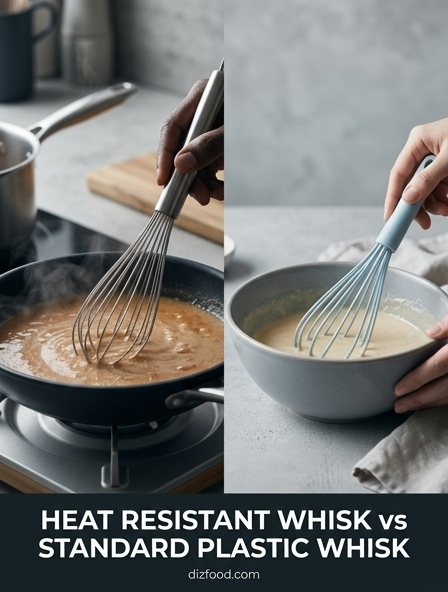
Silicone whisks offer a distinct advantage when working with delicate non-stick coatings and high-heat environments. One of the primary benefits is their ability to withstand the intense heat of a stovetop without melting or deforming, a common issue with cheaper plastic alternatives. Because silicone is a poor conductor of heat, the whisk wires do not transfer high temperatures back to the handle as quickly as metal does, protecting the user's hands during extended stirring sessions. Furthermore, the soft exterior of a silicone-coated whisk allows it to reach the corners of a pan, ensuring that sauces are perfectly emulsified without the risk of scratching the protective layer of the cookware.
Additionally, silicone whisks are known for their quiet operation. Unlike stainless steel tools that produce a loud, metallic scraping sound against the pan, silicone glides smoothly and silently. This makes the cooking process more pleasant and prevents the physical degradation of the pan's surface. These tools are also non-porous, meaning they do not retain odors or colors from pungent ingredients like turmeric or garlic, ensuring that your equipment remains clean and versatile for a variety of different recipes.
Stainless Steel Versus Silicone Tool Durability
When comparing the durability of stainless steel and silicone kitchen tools, it is vital to balance the lifespan of the tool against the lifespan of the cookware it interacts with. Stainless steel is virtually indestructible; it resists rust, can handle open flames, and does not degrade over decades. However, its hardness is a liability when used with non-stick pans, as it can easily gouge the coating. Silicone, while softer, is specifically engineered to be resilient against heat and chemical exposure. Modern high-quality silicone tools are often reinforced with an inner metal core to provide the structural integrity of steel with the surface-safe properties of silicone.
| Feature | Stainless Steel | Silicone (Coated) |
|---|---|---|
| Heat Threshold | Extremely High | High (up to 500°F) |
| Non-Stick Safe | No | Yes |
| Flexibility | Rigid | Flexible |
| Longevity | Lifetime | Long-term |
While steel might last longer as a standalone object, silicone tools are often the more durable choice for a modern kitchen setup because they prevent the premature replacement of expensive non-stick pots and pans.
Choosing the Best Heat Resistant Whisk for Sauces
Creating a smooth, velvet-like sauce requires constant agitation and precise temperature control. When choosing a whisk for this task, the shape and material are paramount. For sauces prepared in non-stick sauciers or skillets, a silicone-coated whisk is the industry standard. It allows the chef to scrape the bottom and sides of the vessel continuously to prevent scorching. The weight of the whisk also plays a role; a tool that is too heavy can cause hand fatigue, while one that is too light might not provide the necessary tension to break up clumps of flour or starch. Consider the following types when making your selection:
- Balloon Whisk: Best for incorporating air into light sauces and creams.
- French Whisk: Features a narrower profile, ideal for deep pots and emulsifying vinaigrettes.
- Flat or Roux Whisk: Designed specifically to lie flat against the pan surface for roux and gravy.
Each of these designs serves a specific purpose, but the common denominator must be a high heat rating. Always verify that the whisk is rated for at least 400 degrees Fahrenheit to ensure it can handle the bubbling heat of a thick reduction without any material failure.
Protecting Non-Stick Surfaces During High Heat Whisking
Non-stick surfaces are prized for their ease of use and cleanup, but they are notoriously fragile when exposed to high heat and abrasive tools. Whisking is an especially high-risk activity because the repetitive motion can lead to microscopic scratches that eventually cause the coating to flake or peel. To protect these surfaces, it is imperative to use tools that have a lower hardness rating than the coating itself. Silicone-encapsulated wires provide a cushion between the vigorous motion of the cook and the delicate fluoropolymer or ceramic layer of the pan. This cushioning effect ensures that even during rapid boiling or vigorous mixing, the integrity of the pan remains intact.
Furthermore, avoiding metal-to-metal contact prevents "pinholing," where tiny points of the coating are chipped away, leading to oxidation and food sticking. Even if a metal whisk is labeled as "smooth," the thinness of the wires concentrates force on a very small area. By switching to heat-resistant silicone or high-temp nylon, you effectively distribute that force across a broader, softer contact point. This simple change in kitchen habit can extend the life of a premium non-stick pan by several years, making it a cost-effective strategy for any home cook who values their equipment.
Essential Safety Features of Heat Proof Kitchen Gadgets
Safety in the kitchen extends beyond just preventing burns; it also involves ensuring that the materials we use do not leach toxins into our food. High-quality heat-proof gadgets are designed with several safety features that distinguish them from budget alternatives. The most important feature is the "BPA-free" and "food-grade" certification, which guarantees that the material remains inert even when subjected to boiling temperatures. Additionally, look for "stay-cool" handles, which are often made from heat-resistant polymers or feature a hollow core to prevent thermal transfer from the cooking end to the grip. Other essential safety markers include:
- High Melting Point: Ensures the tool does not warp and drop into the food.
- Seamless Construction: Prevents the buildup of bacteria and food particles in cracks.
- Nonslip Grip: Ensures the tool stays in hand even when exposed to steam or oil.
- Weight Balance: Prevents the tool from tipping out of a pan and causing a mess or burn.
By prioritizing these features, you create a cooking environment that is not only efficient but also protects the health and physical well-being of everyone in the household.
Maximum Temperature Ratings for Modern Kitchen Tools
Every kitchen tool has a thermal limit, and exceeding it can result in ruined food or a damaged utensil. Modern manufacturers provide maximum temperature ratings to guide users on safe application. Silicone is the most versatile, often rated between 450°F and 500°F. This covers almost all stovetop applications, including deep frying and candy making. Nylon tools typically have a lower threshold, usually around 400°F, making them better suited for boiling and light sautéing rather than high-heat searing. Understanding these limits is crucial for maintaining tool integrity.
| Material | Max Temp (Approx) | Best Use Case |
|---|---|---|
| Silicone | 500°F | Searing, Candy, Baking |
| High-Heat Nylon | 400°F | Pasta, Boiling, Stirring |
| Natural Wood | 450°F (Char point) | General Stirring, Scraping |
| Stainless Steel | 2000°F+ | Grilling, Cast Iron Cooking |
Always check the manufacturer's packaging for specific ratings, as proprietary blends of materials can vary significantly. Using a tool within its designated range ensures that the molecular bonds of the material do not break down, preventing the release of odors or structural failure.
Ergonomic Handles for Safe Stovetop Whisking
While the business end of a whisk gets all the attention, the handle is what determines the safety and comfort of the user. During stovetop whisking, handles are often exposed to rising steam and ambient heat from the burner. Ergonomic handles are designed to mitigate these risks by using materials that provide a secure grip even when wet or oily. A well-designed handle should have a contoured shape that fits the natural curve of the palm, reducing the strain on the wrist during repetitive motions like making a béchamel or whipping eggs. This is especially important for individuals with arthritis or limited hand strength.
Furthermore, the length of the handle is a safety factor. A handle that is too short places the hand dangerously close to the heat source and splattering liquids. Conversely, a handle that is too long can make the tool top-heavy and prone to falling out of the pan. The ideal ergonomic whisk features a weighted balance point where the handle meets the wires, providing maximum control with minimal effort. Look for handles with thumb rests and non-slip silicone overlays to ensure that your grip remains steadfast throughout the entire cooking process.
Maintenance Tips for Heat Resistant Cooking Utensils
To ensure that your heat-resistant tools perform reliably for years, proper maintenance is required. Even though many silicone and nylon tools are labeled as dishwasher safe, the harsh detergents and high-pressure spray can eventually degrade the material or loosen the bond between the handle and the head. Hand washing with mild soap and warm water is often the best way to preserve the surface finish. It is also important to regularly inspect your tools for signs of wear, such as cracking, peeling, or discoloration. Follow these steps for optimal care:
- Wash immediately after use to prevent sauce from drying and staining.
- Dry thoroughly before storage to avoid trapped moisture in handles.
- Inspect the tines of whisks for any exposed metal through the silicone coating.
- Avoid leaving tools resting on the edge of a hot pan for extended periods.
By following these simple maintenance protocols, you ensure that the tools remain hygienic and structurally sound. Proper storage, such as hanging on a rack or placing in a spacious utensil crocks, also prevents the wires from being bent or misshapen by other heavy equipment.
Enhancing Recipe Success with High Quality Heat Safe Tools
The quality of your kitchen tools directly impacts the outcome of your culinary endeavors. High-quality, heat-safe whisks and spatulas allow for more precise control over textures and temperatures. When a tool can withstand high heat without melting, the cook can focus entirely on the technique rather than worrying about the equipment failing. For instance, achieving a perfect emulsion in a Hollandaise sauce requires a whisk that can move rapidly at the bottom of a warm bowl without scratching. The confidence provided by professional-grade tools allows for the experimentation needed to master complex recipes.
Moreover, using tools designed for non-stick surfaces ensures that the heat distribution of your pans remains even over time. Scratches on a pan's surface create hot spots and areas where food sticks, leading to uneven cooking. By using the appropriate heat-resistant silicone tools, you maintain a perfectly smooth cooking surface, which is essential for delicate items like omelets or crepes. Ultimately, investing in high-quality, heat-safe gadgets is an investment in the consistency and flavor of your food, providing a more professional experience for any home chef.

Comments