
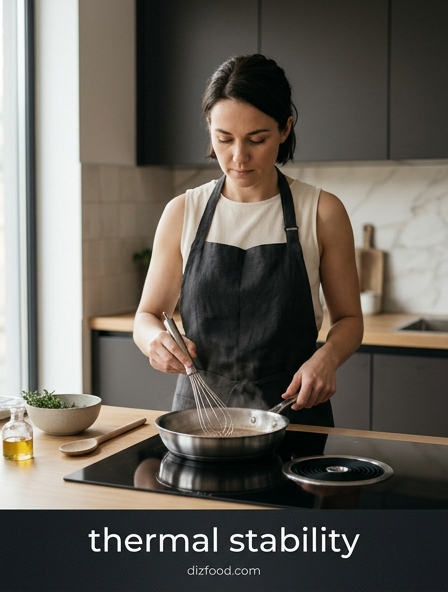
Understanding Thermal Stability in Modern Cookware
Thermal stability refers to the ability of kitchen materials to maintain their physical and chemical properties when subjected to extreme temperature changes. In modern culinary environments, this characteristic is essential for ensuring both safety and performance. When cookware possesses high thermal stability, it resists warping, melting, and the leaching of harmful chemicals into food. This reliability is primarily determined by the molecular structure of the material used, such as cast iron, stainless steel, or specialized ceramics.
Understanding the limits of your tools prevents common kitchen failures. For instance, high-performance alloys are engineered to withstand the rigors of professional ranges without losing their shape. The following materials are commonly evaluated for their thermal thresholds:
- Stainless Steel: Excellent resistance to oxidation and structural deformation at high temperatures.
- Cast Iron: Superior heat retention and stability, though susceptible to thermal shock if cooled too quickly.
- Copper: Highly conductive but often lined with stainless steel to improve overall thermal durability.
- Carbon Steel: Offers a balance of lightweight handling and high-heat tolerance for searing.
Material Science for High Heat Whisking
Whisking high-temperature sauces, such as caramel or various reductions, requires tools that can withstand mechanical stress while exposed to significant thermal energy. Material science plays a pivotal role in determining which whisking implements provide the best results. The interaction between the whisk material and the pan surface generates friction, which, combined with ambient heat, can lead to material fatigue. Metals like high-grade stainless steel are preferred for their tensile strength and ability to remain rigid under heat.
| Material | Heat Limit (°F) | Best Use Case |
|---|---|---|
| Stainless Steel | 800+ | Sugar work and heavy reductions |
| Silicone | 450-600 | Non-stick pan protection |
| Nylon | 400 | Low-heat delicate sauces |
Selecting the correct material ensures that the tool does not undergo polymer degradation or lose its structural "spring" during intensive use. When whisking at high speeds, the kinetic energy adds a layer of complexity to the thermal load, making material choice critical for longevity.
Preventing Thermal Shock During Food Preparation
Thermal shock occurs when a material undergoes a rapid change in temperature, causing different parts of the object to expand or contract at different rates. This internal stress can lead to catastrophic failure, such as cracking in glass or ceramic cookware, or permanent warping in metal pans. Preventing this phenomenon requires a disciplined approach to temperature management during the cooking and cleaning process. Professional chefs often allow cookware to cool naturally before introducing liquids for deglazing or washing.
To minimize the risk of thermal shock, consider the following procedural steps:
- Avoid placing a hot pan directly into a sink filled with cold water.
- Preheat cookware gradually rather than placing it immediately over a maximum flame.
- Use room-temperature liquids when deglazing a highly heated surface.
- Ensure frozen foods are slightly tempered before placing them on a hot ceramic or glass baking dish.
- Invest in borosilicate glass if transparency and thermal resistance are both required for the task.
Impact of Temperature Fluctuations on Pan Surfaces
Frequent temperature fluctuations can compromise the surface integrity of even the most durable pans. When a surface is repeatedly heated and cooled, the microscopic pores of the metal expand and contract. Over time, this can lead to "crazing" or the development of tiny fissures. In non-stick cookware, these fluctuations are particularly damaging, as they can cause the fluoropolymer coating to delaminate from the metal substrate, rendering the pan ineffective and potentially hazardous.
The impact of these changes is often visible through discoloration or a lost ability to hold a "seasoning" layer in cast iron. Furthermore, fluctuations can affect the flatness of the pan base, which is critical for induction cooking where surface contact is paramount. Effective thermal management involves maintaining a steady heat source and avoiding "flash cooling." By stabilizing the environment, the cook ensures that the surface remains smooth, facilitating better food release and more predictable results during high-heat techniques like searing or sautéing.
Choosing Whisk Materials for Heat Resistance
The selection of a whisk involves balancing flexibility with thermal endurance. In high-heat applications, a whisk must maintain its shape to effectively incorporate air or emulsify ingredients. If a material softens under heat, the whisk loses its "wire tension," making the process inefficient. Additionally, heat-resistant whisks prevent the transfer of off-flavors that can occur when plastics begin to reach their glass transition temperature.
| Whisk Type | Heat Resistance | Durability Factors |
|---|---|---|
| Piano Whisk (Steel) | Very High | Rust resistance and wire gauge |
| Silicone Coated | Moderate-High | Inner core material and bond strength |
| Wood/Bamboo | Low | Susceptibility to scorching or drying |
While stainless steel remains the gold standard for thermal stability, silicone-coated options are increasingly popular for their ability to protect sensitive cookware surfaces while still offering a heat ceiling of approximately 500 degrees Fahrenheit. Assessing the specific temperature requirements of a recipe is the first step in choosing the right tool for the job.
Maintaining Structural Integrity at High Temperatures
Structural integrity in cookware refers to the tool's ability to remain functional and safe under load while exposed to intense heat. High temperatures can lower the yield strength of metals, making them more prone to bending or denting. This is especially important for the handles and attachment points of pots and pans. If a handle is riveted, the rivets must be made of a material with a similar thermal expansion coefficient to prevent loosening over time.
Maintaining this integrity involves several key practices:
- Check for loose rivets or screws regularly, as thermal cycling can back them out.
- Avoid using "boost" modes on induction cooktops for extended periods with thin-bottomed pans.
- Ensure that handles with silicone or plastic grips are kept away from direct flame or oven heat exceeding their rating.
- Use pans with encapsulated bases that distribute heat evenly, preventing localized stress points.
- Monitor for signs of metal fatigue, such as fine cracks near the rim of the pan.
Optimal Heat Distribution for Sauce Consistency
Achieving a perfectly smooth sauce requires precise temperature control and uniform heat distribution. When heat is concentrated in "hot spots," sauces are likely to break, curdle, or scorch, regardless of how vigorously they are whisked. Thermal stability in the cookware ensures that the base of the pan radiates heat evenly, allowing the liquid to simmer consistently across the entire surface area. This is particularly vital for emulsions like Hollandaise or delicate dairy-based gravies.
Materials that contribute to optimal heat distribution include:
- Aluminum Cores: Often sandwiched between steel layers to provide rapid and even heat spread.
- Copper Cladding: Offers the highest thermal conductivity for near-instant temperature adjustments.
- Heavy-Gauge Cast Iron: Provides a steady heat reservoir that minimizes the impact of flame flickers.
- Multi-Clad Construction: Extends the heat-distributing metals up the sides of the pan for 360-degree cooking.
Consistent heat allows the cook to focus on the mechanical aspect of whisking without the constant fear of localized burning.
Avoiding Surface Degradation During Intensive Whisking
Intensive whisking involves high-frequency contact between the whisk wires and the pan surface. When performed at high temperatures, the risk of surface degradation increases. For non-stick surfaces, the mechanical action of a metal whisk can strip away the coating, releasing particulates into the food. Even on stainless steel, aggressive whisking can create micro-scratches that eventually make the surface more prone to sticking. Maintaining thermal stability helps by ensuring the surface doesn't soften during the process.
To preserve your cookware's surface, follow these guidelines:
- Match the whisk material to the pan type; use silicone or nylon whisks for coated pans.
- Adjust whisking speed to the minimum required for the desired texture to reduce friction.
- Keep the pan surface clean of burnt-on residues, which act as abrasives during whisking.
- Apply a thin layer of oil to stainless steel to act as a lubricant for the whisk wires.
The Role of Thermal Expansion in Cookware Durability
Thermal expansion is the tendency of matter to change its shape, area, and volume in response to a change in temperature. In the kitchen, different materials expand at different rates, which can cause significant issues in multi-material cookware. For example, if an aluminum base expands faster than the stainless steel shell it is bonded to, the pan may "bow" or delaminate. This property is measured by the coefficient of thermal expansion (CTE).
| Material | Expansion Rate | Durability Implication |
|---|---|---|
| Aluminum | High | Prone to warping if not clad properly |
| Stainless Steel | Moderate | Stable but can pop if rapidly cooled |
| Ceramic | Very Low | Extremely brittle; high shock risk |
Engineered cookware compensates for these differences by using bonding techniques that allow for slight movement between layers. Understanding CTE helps users realize why certain pans perform better on flat-top electric stoves versus open gas flames.
Long Term Maintenance of Heat Stable Cookware
Long-term maintenance of heat-stable cookware involves protecting the material's innate properties through proper care and storage. Thermal stability is not an infinite resource; repeated overheating can eventually alter the tempering of metals, making them soft or brittle. Proper maintenance starts with cleaning techniques that do not introduce unnecessary thermal or chemical stress. Avoiding harsh abrasives on high-heat surfaces prevents the thinning of the metal over years of use.
Key maintenance habits include:
- Gradual Cooling: Always let the cookware reach room temperature before immersion in water.
- Proper Seasoning: For cast iron and carbon steel, maintain a polymer layer to protect against oxidation at high heat.
- Dry Storage: Ensure no moisture is trapped against the metal, which can lead to pitting.
- Routine Inspection: Check for signs of delamination or warping that could affect heat distribution.
- Appropriate Heat Settings: Use the lowest effective heat setting to achieve results, rather than relying on maximum output.

Comments