
Benefits of Silicone Coated Whisks
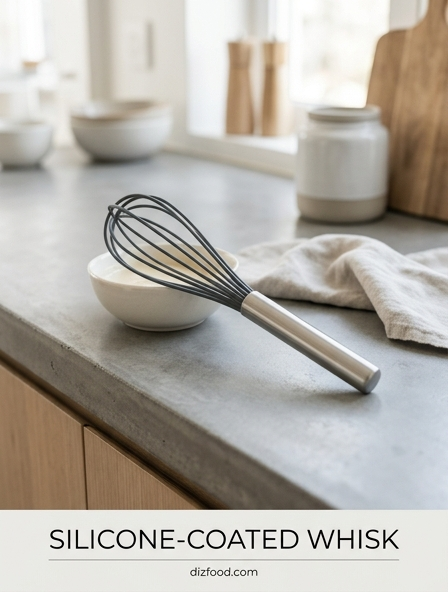
The silicone-coated whisk has become an essential tool for modern home cooks and professional chefs alike. Unlike traditional stainless steel versions, these implements offer a unique combination of flexibility and protection that enhances the overall culinary experience. The primary advantage lies in the material's inherent properties, which allow it to interact with various surfaces without causing damage. These whisks are celebrated for their versatility, as they can handle tasks ranging from emulsifying delicate vinaigrettes to incorporating heavy dry ingredients into wet batters. Additionally, the silicone layer provides a muted sound during use, eliminating the loud clanging often associated with metal-on-metal contact.
- Compatible with all types of non-stick and ceramic cookware.
- High heat tolerance suitable for stovetop sauce preparation.
- Resistant to stains and odors from pungent ingredients.
- Flexible wires that reach the corners of bowls and pans effectively.
Beyond functional utility, silicone whisks offer a vibrant aesthetic appeal to the kitchen. They are available in a wide spectrum of colors, allowing users to coordinate their tools with their kitchen decor or use color-coding to prevent cross-contamination during complex meal preparations. This blend of form and function makes them a superior choice for a variety of mixing needs.
Shielding Non-Stick Pans from Scratches
Non-stick cookware is a significant investment for many households, prized for its ability to release food easily and require minimal oil. However, the integrity of these coatings is fragile; even a few swipes with a standard metal whisk can create micro-scratches that eventually lead to peeling and loss of performance. Silicone-coated whisks act as a protective barrier, ensuring that the agitator never makes direct, abrasive contact with the pan's delicate surface. The soft exterior of the silicone wires glides over Teflon, ceramic, and hard-anodized coatings without leaving a trace, preserving the slick finish that makes these pans so valuable.
This shielding effect is particularly important when making gravies or custards that require constant stirring over heat. When using a metal tool, the pressure required to keep ingredients from scorching often results in deep gouges in the pan. Silicone eliminates this risk entirely, allowing the cook to apply necessary pressure to the bottom of the vessel without fear. By choosing a coated whisk, users extend the lifespan of their expensive cookware sets, ensuring they remain functional for years rather than months. This simple tool substitution is the most effective way to maintain the high performance of modern non-stick technology.
Heat Resistance for Stove Top Cooking
One common misconception is that silicone tools might melt when exposed to high temperatures on the stove. High-quality silicone-coated whisks are engineered to withstand extreme heat, often rated up to 450°F or even 600°F. This makes them ideal for tasks that involve direct heat, such as whisking a roux, thickening a béchamel, or stirring a simmering chocolate ganache. Because silicone does not conduct heat like metal, the wires remain relatively cool compared to all-metal counterparts, which helps prevent the whisk itself from becoming a burn hazard if left briefly against the side of a hot pan.
- Stable performance in boiling liquids and hot oils.
- Will not warp or degrade when used for prolonged stovetop stirring.
- Safe for use in high-temperature candy making and sugar work.
- Maintains structural integrity without leaching chemicals into hot food.
This thermal stability ensures that the whisk remains a reliable companion during complex cooking processes. Whether you are deglazing a roasting pan to harvest flavorful browned bits or tempering eggs for a warm custard, the silicone coating provides a consistent performance that will not fail under pressure. This reliability is essential for achieving professional-grade results in a home kitchen environment.
Enhancing Cookware Longevity with Silicone
The lifespan of kitchen equipment is directly tied to the tools used in conjunction with them. Silicone-coated whisks play a pivotal role in a preventative maintenance strategy for any kitchen. When metal whisks are used, they don't just scratch the surface; they can also cause thin spots in the metal of the pans over time through friction. This leads to uneven heating and "hot spots" that can ruin sensitive recipes. By utilizing silicone, the physical impact on the cookware is dampened. The cushioned contact preserves the structural uniformity of the pan, ensuring that heat distribution remains consistent throughout its life.
Furthermore, the use of silicone prevents the metallic "off-flavor" that can sometimes occur when metal scrapings are inadvertently introduced into acidic foods like tomato sauce or citrus curds. This chemical-physical protection means your cookware stays cleaner and your food tastes exactly as intended. Investing in a set of silicone whisks is a cost-effective alternative to the frequent replacement of high-end pots and pans. By reducing mechanical wear and tear, these tools ensure that every piece of cookware in your cabinet performs at its peak for the maximum duration possible, providing better value and better cooking results.
Ergonomic Design for Better Control
Comfort and control are paramount when performing repetitive motions like whisking egg whites or heavy cream. Manufacturers of silicone-coated whisks often prioritize ergonomics, pairing the silicone wires with handles designed for a secure, comfortable grip. Many features include non-slip surfaces that remain easy to hold even when hands are wet or covered in flour. The weight of these whisks is typically balanced to reduce wrist strain, allowing for longer periods of agitation without fatigue. This is especially beneficial for bakers who may spend significant time manually aerating mixtures.
- Contoured handles that fit the natural shape of the palm.
- Non-slip silicone or rubberized grips for maximum stability.
- Lightweight cores that provide strength without unnecessary bulk.
- Finger indents or textured surfaces to prevent sliding during vigorous use.
Better control leads to better culinary outcomes. When a whisk feels like an extension of the arm, the cook can more accurately gauge the resistance of the batter or the thickness of a sauce. The tactile feedback provided by a well-designed silicone whisk allows for subtle adjustments in speed and pressure, ensuring that delicate emulsions do not break and that aeration is achieved with precision and ease.
Hygienic Advantages of Silicone Tools
Hygiene is a critical factor in any food preparation environment, and silicone-coated whisks excel in this area due to their non-porous nature. Unlike wood or certain plastics, food-grade silicone does not harbor bacteria or absorb liquids, making it incredibly easy to sanitize. Most silicone whisks are designed with seamless construction where the wires meet the handle, or are tightly sealed to prevent food particles and moisture from becoming trapped in crevices. This design prevents the growth of mold and the accumulation of old food residue that can contaminate future meals.
Moreover, these tools are almost universally dishwasher safe. The high-temperature cycles of a dishwasher do not degrade the silicone, ensuring that every wire is thoroughly cleaned and sterilized after use. Silicone is also naturally resistant to rust and corrosion, a common problem with poorly maintained metal whisks that are left in damp environments. By choosing silicone, you are opting for a tool that supports a healthier kitchen. Its resistance to stains also means that it won't carry over colors or flavors from one dish to another, ensuring the purity of your ingredients and the safety of your family or guests.
Comparing Metal vs Coated Whisks
Choosing between a traditional metal whisk and a silicone-coated version depends on the specific needs of the cook and the equipment being used. While both tools serve the same fundamental purpose-incorporating air and blending ingredients-their performance characteristics differ significantly across various kitchen scenarios. Metal whisks are often preferred for heavy-duty tasks in stainless steel or copper bowls where scratching is not a primary concern, whereas silicone is the gold standard for non-stick surfaces and quiet operation.
| Feature | Metal Whisk | Silicone Coated Whisk |
|---|---|---|
| Surface Safety | May scratch non-stick | Safe for all surfaces |
| Heat Resistance | High (conducts heat) | High (insulates heat) |
| Noise Level | Loud/Clanging | Quiet/Muted |
| Flexibility | Rigid wires | Flexible, adaptive wires |
Ultimately, a well-equipped kitchen usually benefits from having both. However, for the average home cook using modern non-stick cookware, the silicone-coated whisk offers a broader range of safety and utility. It provides the peace of mind that no matter which pan is grabbed from the cupboard, the tool in hand will not cause damage while still providing excellent mixing results.
Optimal Aeration and Mixing Results
The primary goal of any whisk is to introduce air into a mixture or to combine ingredients into a smooth, homogenous state. Silicone-coated whisks are exceptionally efficient at this because of the slight "give" in their wires. This flexibility allows the whisk to conform more closely to the shape of the bowl or pan, ensuring that no pockets of dry flour or unmixed liquid remain at the edges. When whipping cream or egg whites, the silicone surface provides enough friction to help trap air bubbles effectively, leading to stable peaks and light, airy textures in cakes and meringues.
While some fear that the coating might make the wires too thick for fine aeration, modern designs use high-tension steel cores covered in a thin, durable silicone layer. This maintains the "cutting" ability of the wires through dense batters while providing the benefits of the coating. The result is a tool that can handle the heavy resistance of a thick brownie batter just as easily as it can froth milk for a latte. By optimizing the interaction between the tool and the ingredients, silicone whisks ensure that every recipe achieves its intended consistency, from the smoothest sauces to the fluffiest whipped toppings.
Maintaining Specialized Kitchen Equipment
Proper maintenance of a silicone-coated whisk ensures it remains a staple in your kitchen for years. While these tools are durable, they do require occasional inspection. Users should check the silicone coating for any nicks or tears that might expose the metal core, especially after many years of use or if the whisk has been stored haphazardly with sharp knives. Maintaining the integrity of the coating is essential for continuing to protect your non-stick pans. Cleaning is straightforward, but a few tips can help keep the material looking new.
- Rinse immediately after use to prevent sticky batters from drying.
- Use a soft sponge rather than steel wool to clean the wires manually.
- Place in the top rack of the dishwasher to avoid high-heat elements.
- Dry thoroughly before storing to prevent water spots on the handle.
Storage also plays a role in maintenance. Hanging the whisk by its handle loop or storing it in a spacious utensil crock prevents the wires from becoming bent or misshapen. By taking these small steps to care for your silicone whisk, you ensure that it continues to provide a hygienic and effective mixing experience every time you cook, protecting both the tool itself and the cookware it touches.
Choosing the Right Silicone Whisk
When selecting a silicone whisk, it is important to consider both the quality of the materials and the intended use. Not all silicone is created equal; look for "BPA-free" and "food-grade" labels to ensure safety. The construction of the whisk should feel sturdy, with the wires firmly anchored into the handle. If the whisk feels flimsy, it may struggle with thicker mixtures or lose its shape over time. Consider the variety of shapes available and how they fit into your specific cooking style.
- Balloon Whisk: Best for aerating egg whites and whipping cream.
- French Whisk: Narrower shape, ideal for stirring sauces in small pans.
- Flat Whisk: Perfect for making roux or deglazing flat-bottomed pans.
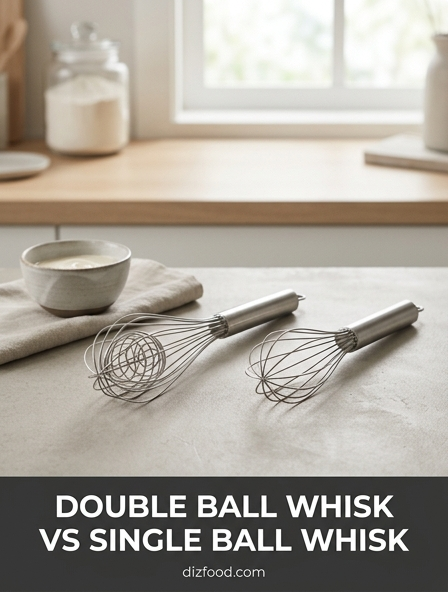
- Ball Whisk: Great for reaching into the very corners of measuring cups.
The size of the whisk also matters. A large balloon whisk is excellent for big batches of batter, while a mini whisk is surprisingly useful for mixing dressings or whisking a single egg. By evaluating the handle comfort, the heat rating, and the specific shape of the wires, you can choose a silicone whisk that will become one of the most reliable and frequently used tools in your culinary arsenal.


Comments