
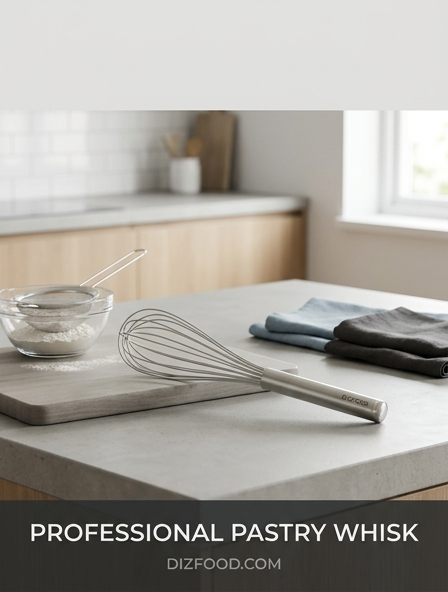
Selecting the Ultimate Professional Whisk
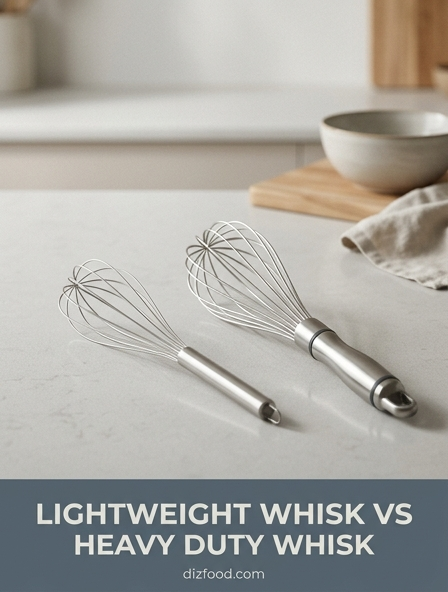
Choosing a professional pastry whisk requires a deep understanding of the specific culinary tasks at hand. In a high-volume environment, the durability of the tool is paramount, necessitating the use of high-grade 18/10 stainless steel. Professionals must evaluate the whisk based on wire gauge, handle weight, and the sealing of the hilt to ensure hygiene. A whisk that is too heavy will cause premature fatigue, while one that is too light may lack the structural integrity to move through dense batters or heavy ganache. The following factors are essential when making a selection:
- Wire Count: More wires increase the surface area for aeration, ideal for meringues.
- Flexibility: High-tension wires provide better feedback and rebound during rapid movement.
- Handle Seal: Epoxy-sealed handles prevent bacteria and water from entering the hilt.
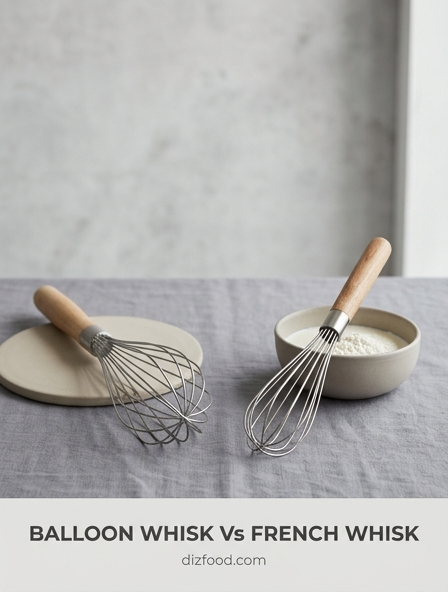
- Shape: Choose between the classic balloon for volume or the French whisk for precision.
Ultimately, the "ultimate" whisk is one that feels like an extension of the hand. It should offer a balanced center of gravity, allowing the pastry chef to maintain a consistent rhythm without straining the wrist or forearm during extended periods of manual labor.
Mastering Aeration for Voluminous Confections
Aeration is the fundamental process of incorporating air into liquid or semi-solid ingredients to create lift and lightness in pastry. For items like sponge cakes, soufflés, and mousses, the whisk acts as a mechanical agitator that traps air bubbles within a protein or fat matrix. To master this, a chef must understand the relationship between speed and bubble size. Rapid whisking initially creates large, unstable bubbles, which must then be refined into smaller, uniform cells through a steady, rhythmic motion. This process is most effectively executed using the following steps:
- Start with room temperature ingredients to lower surface tension.
- Utilize a wide-bottomed bowl to maximize the whisk's sweep.
- Employ a vigorous figure-eight motion rather than simple circles.
- Monitor the transition from frothy to opaque, signaling structural development.
The goal is to achieve a stable foam that can withstand the folding of dry ingredients. A professional whisk with fine, numerous wires is superior for this task, as it cuts through the mixture more frequently per stroke, resulting in a more delicate and stable crumb in the final baked product.
The Science of High Tension Wires
The performance of a professional pastry whisk is dictated by the physics of its wire construction. High-tension wires are engineered to vibrate at specific frequencies that disrupt the molecular bonds of liquids, facilitating faster mixing and aeration. The thickness of the wire, known as the gauge, determines the whisk's resistance and its ability to maintain its shape under pressure. In a professional setting, the tension must be calibrated so that the wires spread slightly upon impact with the bowl but snap back instantly to their original configuration.
| Wire Type | Primary Use | Mechanical Advantage |
|---|---|---|
| Fine Gauge | Egg whites, cream | Maximum air entrapment |
| Heavy Gauge | Custards, thick batters | Structural shearing force |
| High Tension | Emulsions, sauces | Rapid molecular dispersion |
When these wires are spaced correctly, they prevent the "clogging" effect often seen in inferior tools. The science ensures that the liquid passes through the wires with minimal resistance while maximizing the kinetic energy transferred from the chef's arm to the mixture.
Elevating Texture Through Manual Dexterity
While electric mixers offer convenience, manual whisking provides a level of tactile feedback that is essential for achieving haute couture textures. The pastry chef can feel the subtle changes in resistance as a custard thickens or a meringue reaches soft peaks. This sensory connection allows for instantaneous adjustments in speed and angle, preventing over-whisking or curdling. Manual dexterity involves more than just strength; it requires a relaxed grip and the use of the wrist as a pivot point. Professional whisks are designed to complement this dexterity by offering ergonomic handles that reduce the risk of repetitive strain injuries.
- Tactile Sensitivity: Feeling the "drag" of the mixture.
- Precision Control: Adjusting the force to prevent graininess.
- Rhythmic Consistency: Maintaining a steady tempo for uniform aeration.
By relying on manual tools, a chef ensures that the delicate proteins in eggs and dairy are not sheared too violently, resulting in a silkier mouthfeel and a more refined aesthetic in the final presentation of the dessert.
Secrets to Professional Level Emulsification
Emulsification is the delicate art of combining two immiscible liquids, such as fat and water, into a stable, homogenous mixture. In the pastry kitchen, this is critical for creating ganaches, buttercreams, and lemon curds. A professional whisk is the primary tool for breaking down fat globules into microscopic sizes so they can be suspended within the liquid phase. The secret to a successful emulsion lies in the gradual introduction of ingredients and the consistent application of shearing force. To achieve a professional-grade emulsion, follow this protocol:
- Begin with a base liquid and whisk vigorously to create a vortex.
- Slowly drizzle the fat (oil or melted butter) into the center of the vortex.
- Use a whisk with a high wire count to maximize the shearing action.
- Continue whisking for thirty seconds after the last drop of fat is added to ensure stability.
The resulting mixture should be glossy and smooth, with no visible signs of separation. A high-quality whisk ensures that the energy is distributed evenly, preventing the emulsion from breaking due to localized heat or uneven agitation.
Comparing Standard and Haute Couture Whisks
The distinction between a standard consumer whisk and a professional "haute couture" tool lies in the precision of its engineering. Standard whisks often feature thin, flimsy wires that are prone to rusting or detaching from the handle. In contrast, premium professional whisks are constructed using advanced metallurgical techniques to ensure longevity and performance. The investment in a high-end whisk is justified by the efficiency it brings to the kitchen and the superior results it produces in complex pastry applications. The following table highlights the key differences:
| Feature | Standard Whisk | Professional Whisk |
|---|---|---|
| Material | Low-grade steel/chrome | 18/10 Stainless Steel |
| Handle | Hollow or plastic | Solid, weighted, or silicone-coated |
| Wire Attachment | Crimped or glued | Epoxy-sealed or welded |
| Durability | Prone to bending | Maintains shape under stress |
For the professional pastry chef, the haute couture whisk is not a luxury but a necessity. It provides the reliability needed for high-pressure service and the precision required for delicate sugar and dairy work.
Achieving Perfect Peaks and Velvety Creams
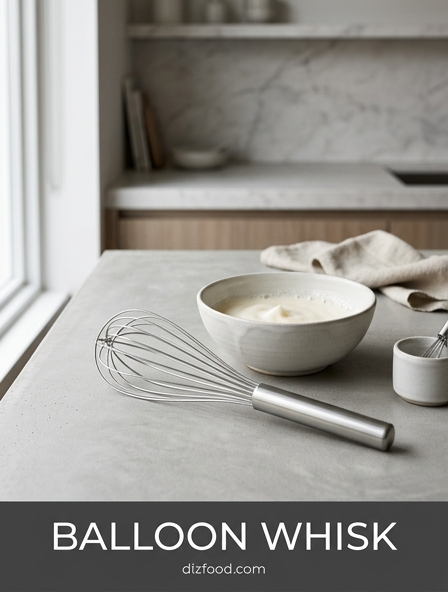
The hallmark of a skilled pastry chef is the ability to produce perfectly stabilized creams and meringues. This requires a whisk that can transition seamlessly between different stages of aeration. When whisking heavy cream, the goal is a velvety texture that holds its shape without becoming grainy. This is achieved by using a large balloon whisk, which incorporates air gently. For meringues, the whisk must be able to build a strong protein structure to support the added sugar. Understanding the stages of whisking is vital for culinary success:
- Soft Peaks: The mixture droops over when the whisk is lifted; ideal for mousses.
- Medium Peaks: The mixture holds its shape but the tip curls; perfect for folding into batters.
- Stiff Peaks: The mixture stands straight up; required for piping and meringues.
Using a professional whisk allows for greater control over these transitions. The fine wires ensure that the air is distributed evenly, preventing the formation of large bubbles that can lead to collapse during the baking process or upon refrigeration.
The Ergonomic Advantage of Premium Tools
Ergonomics in the kitchen is often overlooked but is essential for the longevity of a chef's career. A professional pastry whisk is designed with weight distribution and grip in mind. Premium tools often feature handles that are contoured to fit the palm, reducing the amount of grip force required to hold the tool during vigorous whisking. Some professional whisks incorporate silicone or textured surfaces to prevent slipping, even when hands are wet or covered in flour. The balance of the whisk is equally important; a well-balanced tool places the center of gravity near the hilt, allowing the weight of the wires to assist in the downward stroke.
Furthermore, the length of the handle is tailored to the size of the whisk, ensuring that the chef's hand remains at a safe distance from heat sources while maintaining maximum leverage. By reducing the physical strain on the small muscles of the hand and the tendons of the wrist, ergonomic whisks allow chefs to maintain high standards of quality throughout long shifts without the risk of injury or fatigue-related errors.
Optimal Whisking Angles for Culinary Success
The angle at which a whisk is held significantly impacts the efficiency of the mixing process. For maximum aeration, the whisk should be held at a 45-degree angle relative to the bottom of the bowl. This allows the wires to sweep across a larger surface area and facilitates the intake of air from the surface. In contrast, for emulsification or mixing thick liquids, a more vertical approach may be necessary to exert direct pressure. The following techniques are used by professionals to optimize their whisking:
- Side-to-Side: Best for rapid mixing and breaking up clumps.
- Circular: Effective for gentle stirring and maintaining emulsions.
- The Beating Stroke: Lifting the whisk out of the liquid to trap maximum air.
Tilting the bowl slightly toward the whisking hand can also increase the depth of the liquid, allowing the wires to be fully submerged for more effective shearing. Mastering these angles ensures that the chef can adapt to the specific requirements of any recipe, from a delicate sabayon to a dense chocolate ganache.
Maintaining Your Professional Pastry Equipment
Proper maintenance is essential to preserve the integrity and hygiene of professional pastry whisks. Because these tools often come into contact with raw eggs and dairy, they must be cleaned thoroughly to prevent bacterial growth. Most professional whisks are dishwasher safe, but manual washing is often preferred to inspect the wires for any signs of misalignment or damage. It is crucial to dry whisks immediately after washing to prevent water spots and potential corrosion in the gaps between the wires. Maintenance steps include:
- Immediate Rinsing: Prevents starches and proteins from hardening on the wires.
- Deep Cleaning: Periodically soaking in a sanitizing solution.
- Inspection: Checking for loose wires that could pose a safety hazard.
- Storage: Hanging whisks on a rack to prevent the wires from being bent in a drawer.
By following these maintenance protocols, a pastry chef ensures that their tools remain in peak condition for years. A well-maintained whisk not only performs better but also ensures that every confection produced is safe, consistent, and of the highest professional quality.

Comments