
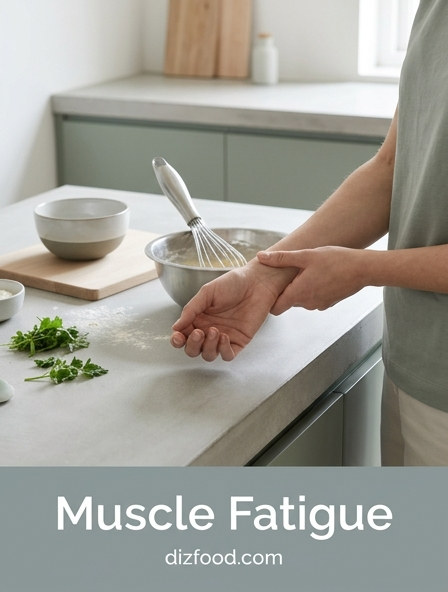
Ergonomic Whisk Handle Selection
Choosing the right handle is the first line of defense against muscle fatigue during intensive kitchen tasks. Traditional thin, metal handles require a tight pinch grip, which quickly exhausts the small muscles in the palm and thumb. In contrast, ergonomic handles are designed with a larger circumference, allowing for a more relaxed, "power grip" that distributes pressure evenly across the hand. Materials play a significant role in comfort; handles featuring Santoprene or soft-touch rubber provide a non-slip surface even when hands are wet or oily. This reduces the force necessary to maintain control over the tool.
- Large diameter handles reduce the need for excessive grip force.
- Textured surfaces prevent slipping and lower muscle tension.
- Weighted handles can provide better balance for heavy batters.
- Contoured shapes conform to the natural arch of the hand.
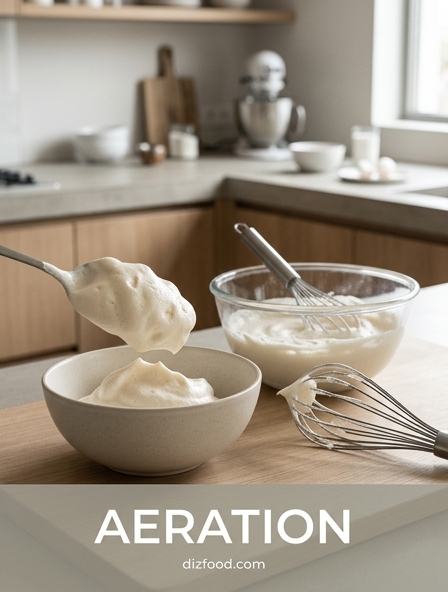
By prioritizing a handle that feels natural and requires minimal effort to hold, cooks can significantly extend their stamina. This is particularly vital for recipes requiring long periods of aeration, such as meringues or heavy sauces, where repetitive strain often leads to cramping or long-term discomfort.
Proper Grip Techniques for Stamina
The way a whisk is held dictates which muscle groups bear the brunt of the labor. Many home cooks instinctively use a "pencil grip," which relies heavily on the fingers and wrist, leading to rapid exhaustion. Professional techniques emphasize a more versatile approach that shifts the workload to the larger muscles of the forearm. Mastering different grips allows a cook to cycle through various muscle groups, preventing any single area from reaching a point of total fatigue. Consistency in grip also ensures that the whisking motion remains fluid rather than jerky, which is more efficient for the task at hand.
- The Overhand Grip: Hold the handle like a bicycle handlebar to utilize the forearm and elbow.
- The Dagger Grip: Secure the handle in the palm for tasks requiring downward force or heavy mixing.
- The Loose Pivot: Keep a light touch to allow the whisk to bounce off the sides of the bowl naturally.
By consciously relaxing the hand and avoiding a "death grip," the cook maintains better circulation. This ensures that oxygen reaches the muscles effectively, delaying the onset of that burning sensation commonly associated with overexertion during vigorous mixing.
Optimizing Bowl Height and Angle
The physical relationship between the cook and the mixing bowl is a frequently overlooked factor in fatigue. Working on a surface that is too high forces the shoulders to shrug and the elbows to flare out, putting unnecessary strain on the rotator cuff and upper back. Conversely, a bowl placed too low causes leaning, which stresses the lower spine. Tilting the bowl is a professional secret that changes the mechanics of the whisking motion, allowing for a more natural arc of the arm. This adjustment minimizes the need for excessive wrist flexion and allows gravity to assist in the aeration process.
| Position | Mechanical Benefit | Primary Muscle Saved |
|---|---|---|
| Tilted Bowl | Improved stroke range | Wrist Flexors |
| Waist-Level Height | Neutral shoulder alignment | Deltoids |
| Stabilized Base | Reduced isometric holding | Biceps |
Adjusting the workspace to fit the individual's height can transform a grueling task into a manageable one. Using a damp towel or a silicone mat to stabilize the bowl at an angle ensures that the non-dominant hand doesn't have to work overtime just to keep the vessel in place.
Engaging the Whole Arm Motion
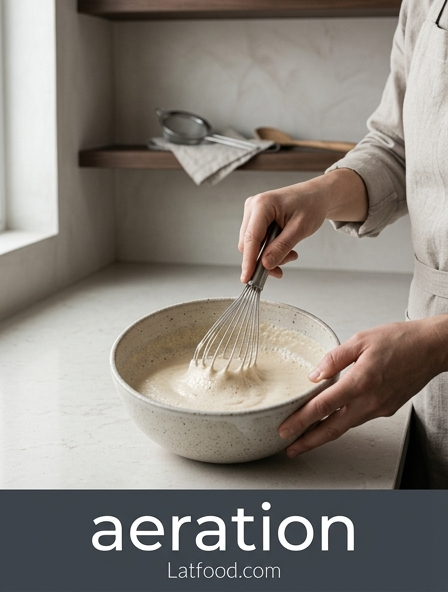
Muscle fatigue is most prevalent when small joints are forced to do the work of large ones. Whisking solely with the wrist is a recipe for carpal tunnel strain and quick burnout. To optimize stamina, the motion should originate from the shoulder and involve the elbow, creating a sweeping, circular, or figure-eight motion that utilizes the strongest muscles in the arm. When the upper arm moves in tandem with the forearm, the workload is distributed across a larger surface area of muscle fiber. This "kinetic chain" approach not only prevents injury but also generates more power with less perceived effort.
Focusing on a rhythmic, swinging motion rather than a series of tight, fast snaps allows the cook to maintain speed for longer durations. The momentum created by the whole arm helps move the whisk through thick emulsions like mayonnaise or stiff batters. By treating the arm as a single coordinated unit, the fine motor muscles in the wrist are reserved for precision rather than power, significantly reducing the risk of chronic strain in the kitchen.
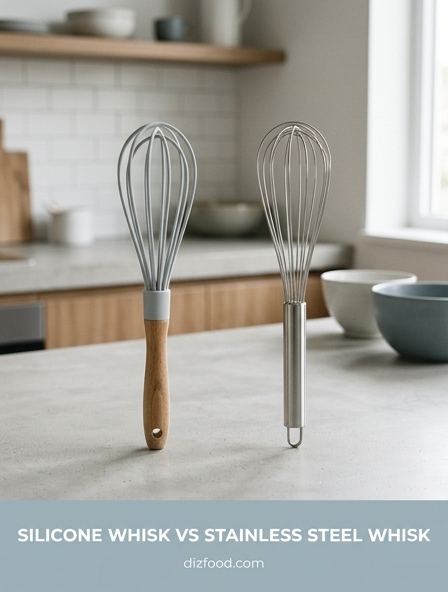
Benefits of Silicone vs Metal Whisks
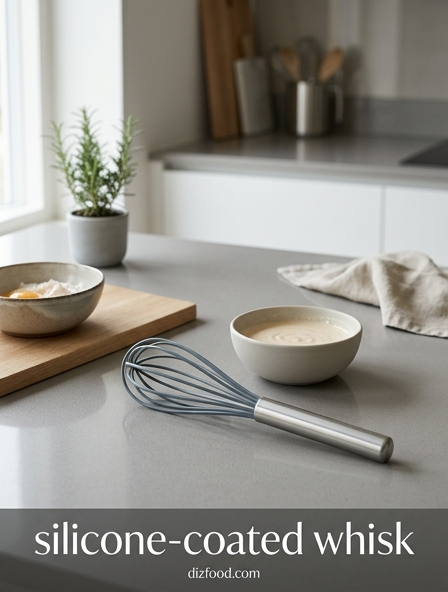
The material of the whisk wires significantly impacts both the efficiency of the mixing and the physical toll on the user. Metal whisks are the industry standard for their rigidity and ability to cut through cold fats, but they can be heavy and create high-frequency vibrations when hitting the sides of a metal bowl. Silicone-coated whisks, while often used for non-stick cookware protection, offer unique ergonomic advantages. The damping effect of silicone reduces the "shock" felt in the hand with every stroke, which can be a major contributor to joint fatigue over time.
- Silicone wires are generally lighter, reducing the overall load on the wrist.
- Metal wires provide better feedback for delicate tasks like tempering eggs.
- Silicone reduces noise pollution, which can lower psychological stress during cooking.
- The friction of silicone can sometimes help in emulsifying liquids faster.
Ultimately, the choice should depend on the viscosity of the ingredients. Using a heavy metal whisk for a light task like beating egg whites is unnecessary work. Matching the weight and resistance of the tool to the specific task ensures that energy is not wasted.
The Role of Non-Slip Bases
A major cause of fatigue in the kitchen isn't actually the active hand, but the "static" hand used to hold the bowl. When a bowl slides across the counter, the non-dominant hand must exert constant isometric pressure to keep it steady. This leads to tension that travels up the arm and into the neck and shoulders. Non-slip bases, whether they are built into the bowl or provided by an external accessory, eliminate this need for constant stabilization. By securing the vessel, the cook can focus all their energy on the mixing motion, resulting in a more relaxed posture and a more efficient work session.
Common solutions for bowl stabilization include silicone-bottomed stainless steel bowls or the classic "damp cloth" method. When the bowl is anchored, the user can also use their body weight to lean into the task, further reducing the reliance on pure muscle strength. This stability allows for a more consistent whisking rhythm, which is essential for achieving the perfect texture in delicate sauces. Removing the struggle for control over the equipment is a simple but effective way to prevent the early onset of exhaustion during prep work.
Strategic Breaks and Hand Stretches
Repetitive strain is cumulative, meaning that short, frequent rests are far more effective than one long break at the end of the day. For any task lasting longer than five minutes, it is essential to pause and reset the musculoskeletal system. These micro-breaks allow blood to flow back into constricted areas and help flush out metabolic waste products like lactic acid. Incorporating specific stretches into these breaks can counteract the "claw" position that hands often adopt when gripping kitchen tools for extended periods. Simple movements can drastically improve long-term hand health and comfort.
- The Finger Fan: Spread fingers as wide as possible for five seconds, then make a soft fist.
- Wrist Extension: Gently pull the fingers back toward the forearm with the arm extended.
- The Prayer Stretch: Press palms together at chest level and lower them toward the waist.
By making these stretches a habitual part of the cooking process, the risk of developing conditions like tendonitis is greatly diminished. Even a thirty-second pause to shake out the hands can provide enough recovery time to finish a demanding recipe without pain.
Alternating Hands During Long Tasks
While most people have a dominant hand, developing a basic level of ambidexterity in the kitchen is a powerful tool for fatigue management. Switching hands during a long whisking session gives the primary arm a chance to enter a state of active recovery. Even if the non-dominant hand is slower or less precise, using it for just 20% of the total task time can significantly reduce the peak strain on the dominant side. This practice also encourages better brain-body coordination and helps maintain a more symmetrical posture, preventing the "leaning" habit that leads to one-sided back pain.
Starting with simple tasks like stirring a pot of soup with the non-dominant hand can build the necessary neural pathways for more complex actions like whisking. Over time, the strength in the non-dominant arm increases, making the switch feel more natural. This "tag-team" approach ensures that no single muscle group is pushed to the point of failure. It is a strategic way to manage energy levels during marathon cooking sessions, such as holiday meal preparation or professional catering environments where volume is high.
Choosing the Right Whisk Shape
Using the wrong shape of whisk for a specific job increases the resistance the hand must overcome, leading to unnecessary fatigue. Every whisk design is engineered to interact with ingredients in a specific way, and using them correctly optimizes mechanical advantage. For example, a balloon whisk is designed to incorporate air into liquids, whereas a flat whisk is designed to scrape the bottom of a pan. Trying to aerate egg whites with a flat whisk requires significantly more strokes and effort than using the proper tool. Matching the tool to the task is a fundamental principle of ergonomic efficiency.
- Balloon Whisk: Best for light, airy mixtures like whipped cream.
- French Whisk: Tapered shape is ideal for heavy sauces and getting into bowl corners.
- Flat (Roux) Whisk: Perfect for shallow pans, reducing the need for high-lifting motions.
- Ball Whisk: Features individual wires with beads, making it very easy to clean and fast for thin liquids.
By selecting a whisk that moves through the specific density of your ingredients with the least resistance, you preserve your physical energy. This thoughtful selection process ensures that the tool is doing the majority of the work, rather than your muscles.
Maintaining Neutral Wrist Alignment
The position of the wrist during whisking is perhaps the most critical factor in preventing chronic kitchen injuries. A "neutral" wrist is one that is straight, not bent forward, backward, or to the side. When the wrist is deviated from this neutral position, the tendons are forced to travel around a corner, creating friction and inflammation. Maintaining a straight line from the forearm through the knuckles ensures that the power generated by the arm is transferred directly to the whisk without taxing the delicate structures of the carpal tunnel. This alignment is often achieved by adjusting the height of the work surface or the angle of the bowl.
To check for neutral alignment, the cook should periodically look at the top of their hand while working; it should be a flat plane extending from the arm. If the wrist is consistently "cocked" or bent, fatigue will set in within minutes. Practicing this alignment might feel awkward at first, as it often requires moving the elbow further away from the body or changing the grip style. However, the long-term benefits include increased stamina and the prevention of the tingling or numbness that signals nerve compression. Proper form is the foundation of culinary endurance.


Comments