
Evolution of Professional Kitchen Ergonomics
The landscape of professional culinary environments has undergone a radical transformation, shifting from purely aesthetic designs to focus heavily on physiological optimization. Historically, kitchen tools featured rigid handles made of wood or stainless steel, which offered durability but lacked the necessary interface for prolonged human contact. As the demands of commercial kitchens increased, the prevalence of repetitive strain injuries necessitated a material revolution. The introduction of Non-slip TPE (Thermoplastic Elastomer) marked a significant milestone in this evolution.
Engineers began prioritizing the kinetic relationship between the chef's hand and the tool's surface. Modern ergonomics now demand materials that can adapt to various grip styles while maintaining structural integrity under duress. This shift has led to the widespread adoption of soft-touch polymers that bridge the gap between hard mechanical components and the soft tissue of the hand. Today, ergonomics is not merely a luxury but a fundamental safety requirement, ensuring that high-pressure environments do not compromise the physical well-being of the staff. The transition to TPE-based handles reflects a broader industry commitment to sustainable productivity and user-centric design.
Surface Friction and Whisking Precision
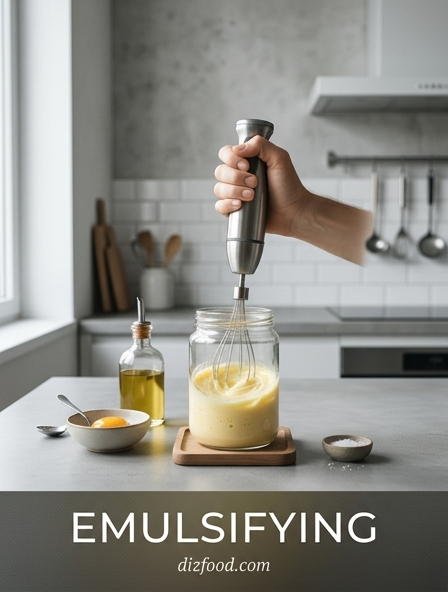
In the delicate art of emulsification and aeration, the coefficient of friction between the hand and the tool handle dictates the level of precision achievable. Non-slip TPE provides a unique high-friction surface that remains consistent even when subjected to the rapid, oscillating movements required for whisking. This stability allows the user to exert minute adjustments in torque and speed without the risk of the tool shifting within the palm. Precision is often lost when a handle is too smooth, leading to over-compensation and uneven textures in sauces or meringues.
- Enhanced tactile feedback for delicate textures.
- Reduction in grip force required to maintain tool orientation.
- Consistent friction levels across varying rotational speeds.
- Minimal slippage during high-torque manual blending tasks.
By utilizing TPE, manufacturers ensure that the energy transferred from the arm is directed entirely into the whisk's wires rather than being dissipated through grip corrections. This creates a more efficient workflow where the chef maintains total control over the mechanical action, resulting in superior culinary outcomes and reduced physical exertion during complex preparation phases.
Thermoplastic Elastomers for Hand Fatigue
Hand fatigue is a silent adversary in high-volume kitchens, often leading to a decrease in precision and an increase in workplace accidents. Thermoplastic Elastomers (TPE) address this issue by offering a compliant surface that deforms slightly under pressure, distributing the load across a larger surface area of the hand. Unlike rigid plastic or metal, TPE absorbs the micro-vibrations and localized pressure points that typically trigger cramping and soreness during extended periods of use. This "cushioning effect" is vital for tasks that require sustained gripping, such as manual mixing or repetitive chopping.
The molecular structure of TPE combines the processability of plastics with the flexibility of rubbers, allowing for a handle that feels soft yet remains firm enough for heavy-duty applications. By reducing the muscular effort needed to hold a tool securely, TPE enables chefs to work longer hours with less discomfort. This material choice is particularly beneficial for professionals suffering from early-onset arthritis or carpal tunnel syndrome, as it mitigates the harsh impact of traditional kitchenware. Ultimately, the integration of TPE into kitchen tool design serves as a preventative measure against chronic occupational strain.
Moisture Resistance in High-Speed Mixing
Kitchen environments are inherently volatile, characterized by high levels of humidity, steam, and frequent contact with liquids. Non-slip TPE is engineered with hydrophobic properties that prevent moisture from creating a lubricating film between the hand and the handle. This is critical during high-speed mixing, where even a small amount of oil or water could cause a tool to fly out of a chef's hand. The table below illustrates how TPE compares to traditional materials under wet conditions:
| Material Type | Dry Grip Rating | Wet Grip Rating | Moisture Absorption |
|---|---|---|---|
| Stainless Steel | Moderate | Very Low | None |
| Polished Wood | High | Low | High |
| Non-slip TPE | Excellent | Excellent | Negligible |
Because TPE does not swell or degrade when exposed to water, it maintains its geometric shape and grippy texture over years of service. This moisture resistance also plays a key role in hygiene, as the material does not harbor bacteria in water-soaked pores, making it an ideal choice for the rigorous sanitation standards of modern gastronomy.
Anti-Slip Technology in Modern Whisks
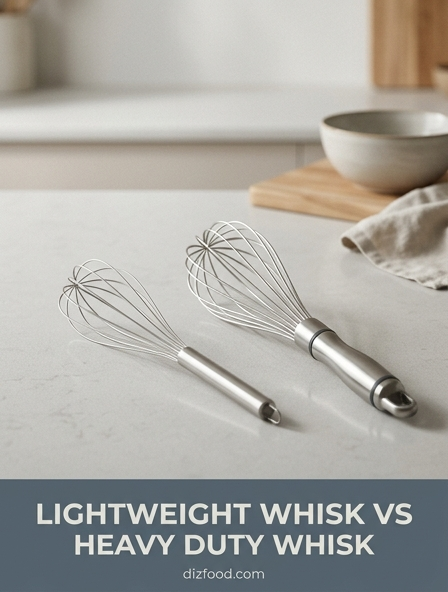
Modern whisks have transitioned from simple wire bundles to sophisticated culinary instruments, largely due to the integration of anti-slip TPE technology. The handle is often the most critical part of the whisk, as it must facilitate a wide range of motions including circular stirring, vertical beating, and side-to-side folding. TPE handles are designed with specific Shore A hardness levels to optimize the balance between comfort and control. The application of this technology involves several key design features:
- Over-molding techniques that fuse TPE directly to the internal core.
- Ergonomic contouring that follows the natural curve of the fist.
- Internal ribbing to provide structural support while maintaining a soft exterior.
- Color-coding capabilities for specialized kitchen stations.
These technological advancements ensure that even when a chef's hands are coated in flour or oil, the whisk remains an extension of their arm. The anti-slip nature of the TPE prevents the tool from rotating unintentionally, which is essential when incorporating air into heavy creams or thick batters. This reliability allows for a more aggressive mixing technique without sacrificing the safety of the user or the integrity of the ingredients.
Heat Dissipation and User Safety
Heat management is a primary concern when working over open flames or simmering stocks. Traditional metal handles conduct heat rapidly, often reaching dangerous temperatures that require the use of bulky towels or oven mitts, which in turn reduce manual dexterity. Non-slip TPE serves as an excellent thermal insulator, protecting the user's hand from the heat transferred from the working end of the tool. The low thermal conductivity of TPE ensures that the handle remains cool to the touch even when the whisk or spatula is used in high-temperature applications.
Beyond simple insulation, TPE also provides a secure grip when hands are sweaty due to ambient kitchen heat. The material's ability to maintain its "tackiness" at elevated temperatures prevents accidents caused by heat-induced sweat. This dual-action safety feature-protecting against burns while maintaining grip-makes TPE-handled tools indispensable in fast-paced line cooking. By isolating the hand from the thermal energy of the stove, TPE allows chefs to focus entirely on the cooking process, ensuring both safety and culinary precision in demanding heat-intensive environments.
Chemical Resistance of Food-Safe Polymers
Food-grade TPE is formulated to withstand the harsh chemical environment of a commercial kitchen. It must resist degradation from various organic and inorganic substances without leaching harmful chemicals into the food. The polymer chains in high-quality TPE are specifically designed to be non-reactive, ensuring that the material does not soften or become brittle when exposed to common kitchen agents. This resistance is vital for maintaining the non-slip properties over the tool's lifespan.
- Resistance to animal fats and vegetable oils.
- Stability when exposed to citric and acetic acids.
- Compatibility with industrial-strength alkaline detergents.
- Tolerance to high-temperature sanitization cycles in dishwashers.
Without this chemical resilience, the "grippy" feel of the handle would quickly turn into a sticky residue or a cracked, slippery surface. The food-safe nature of these polymers ensures that they meet FDA and EU regulations, providing peace of mind for both the chef and the consumer. By maintaining its integrity against chemical assault, TPE ensures that the ergonomic and safety benefits of the tool are preserved through thousands of wash and use cycles.
Micro-Texturing for Enhanced Palm Stability
To further enhance the inherent properties of Non-slip TPE, many professional kitchen tools utilize micro-texturing on the handle surface. These microscopic patterns increase the effective surface area in contact with the skin, creating a mechanical interlock that supplements the material's natural friction. This is particularly effective in preventing "palming" slips, where the handle rotates within the center of the hand during heavy-duty mixing. The micro-texture acts as a series of tiny anchors, providing stability without being abrasive to the skin.
This texturing also helps to channel away small amounts of fluid, such as condensation or spilled oil, away from the primary contact points. This ensures that the grip remains "dry" at a micro-level even when the environment is wet. The engineering behind these textures considers the varied topography of the human palm, placing specific patterns in areas where pressure is highest. This level of detail in surface design, combined with the compliant nature of TPE, results in a handle that feels exceptionally secure, allowing for maximum power transfer during the most demanding culinary tasks.
Impact Absorption During Heavy Mixing
Heavy mixing involves significant force, especially when dealing with high-viscosity doughs or thick roux. This force often generates impacts and vibrations that travel through the tool and into the user's wrist and elbow joints. TPE handles act as high-performance shock absorbers, dampening these forces before they reach the body. The energy-dissipating properties of the elastomer are crucial for preventing the "jarring" sensation often felt when a whisk hits the side of a heavy stainless steel bowl. The process of impact management follows a specific mechanical path:
- Initial impact force is captured by the outer TPE layer.
- The elastomer undergoes elastic deformation, converting kinetic energy.
- Internal dampening reduces the frequency of the vibration.
- The residual force is distributed evenly across the palm.
By absorbing these mechanical shocks, TPE reduces the risk of acute injury and long-term joint degradation. This makes the material especially popular for heavy-duty tools used in bakeries and pastry shops, where manual labor is intense and continuous. The ability to "soften" the interaction between the tool and the bowl translates to a more comfortable and sustainable workflow for the professional maker.
Longevity of High-Performance Grip Materials
The durability of Non-slip TPE is a cornerstone of its value proposition in the kitchen. Unlike traditional rubber, which can dry out, crack, and lose its elasticity over time (a process known as ozonolysis), TPE is engineered for long-term resilience. It maintains its "rubbery" feel and non-slip characteristics despite constant exposure to heat, moisture, and mechanical stress. This longevity ensures that the ergonomic benefits designed into the tool on day one are still present after years of intensive use in a professional setting.
Furthermore, TPE's resistance to permanent deformation, or "compression set," means that the handle will not develop permanent indentations from a user's fingers. This allows the tool to be used comfortably by different staff members with varying hand sizes and grip styles. The material's UV stability also prevents discoloration and surface breakdown when tools are stored in brightly lit kitchens. When a kitchen invests in TPE-handled equipment, they are investing in a long-term solution that prioritizes safety and performance, reducing the frequency of replacement and ensuring a consistent user experience for the culinary team.

Comments