
Mastering the Art of Pan Deglazing
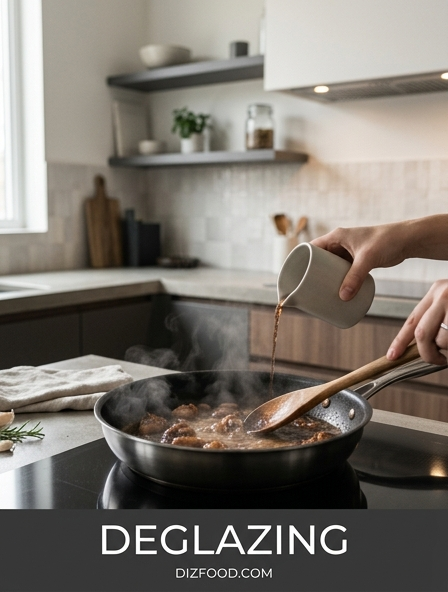
Deglazing is a fundamental culinary technique that transforms the concentrated, caramelized remnants of seared proteins and vegetables into a sophisticated sauce. This process begins immediately after the primary ingredient is removed from the skillet, leaving behind a layer of deeply browned bits known as the fond. To master this art, one must act while the pan remains hot, introducing a cold or room-temperature liquid to create a thermal shock that lifts the debris from the surface. This interaction is not merely mechanical; it is a chemical liberation of flavors that would otherwise be lost to the cleaning sink. The transition from a dry, crusted pan to a liquid base marks the birth of a pan sauce, requiring a delicate balance of heat and timing to prevent the fond from burning before the liquid is added. As the liquid hits the metal, a vigorous steam rises, signaling that the flavor compounds are being reintegrated into the sauce. By understanding the timing of this thermal reaction, a cook can ensure that every ounce of savory depth developed during the roasting or searing phase is captured and utilized as the foundation for a professional-grade accompaniment.
- Identify the fond: Look for deep brown, not black, patches on the pan.
- Heat management: Lower the flame slightly before adding liquid to prevent flare-ups.
- Aromatic integration: Sauté shallots or garlic briefly before deglazing for added complexity.
- The deglazing agent: Choose a liquid that complements the primary protein.
Essential Whisking Motions for Texture
Achieving the ideal texture in a deglazed sauce requires more than just stirring; it demands specific whisking motions that cater to the density of the liquid. The goal is to create a homogenous mixture where the rendered fats and the deglazing liquid coexist without separation. The initial phase of whisking involves a vigorous scraping motion to dislodge the fond, but once the liquid begins to reduce, the motion must transition to refine the texture. A figure-eight motion is particularly effective for pan sauces, as it covers the maximum surface area of the skillet and prevents the liquid from scorching in the corners. Unlike a simple circular motion, the figure-eight disrupts the flow of the liquid, ensuring that any thickening agents, such as flour or cold butter, are evenly distributed. This mechanical agitation breaks down large fat globules into smaller droplets, which are then suspended in the aqueous phase of the sauce. Consistent, rhythmic whisking prevents the formation of a skin on the surface and ensures that the reduction happens evenly throughout the pan, leading to a smooth, cohesive result that clings perfectly to the back of a spoon.
- Start with a flat-bottomed whisk to reach the edges of the pan.
- Use a side-to-side sweeping motion to incorporate the fond from the sides.
- Transition to a rapid figure-eight motion once the liquid begins to simmer.
- Maintain a consistent speed to encourage the suspension of fats.
- Switch to a light, circular whisking motion during the final mounting of butter.
Unlocking Flavor from the Fond
The essence of a successful deglazing process lies in the quality of the fond, the French term for "base." This layer consists of caramelized sugars, proteins, and fats that have undergone the Maillard reaction during the cooking process. Unlocking this flavor requires a keen eye; if the fond is too light, the sauce will lack depth, but if it is charred and black, the resulting liquid will be bitter and unpleasant. When the deglazing liquid is introduced, it acts as a solvent, dissolving these concentrated flavor molecules and suspending them in the sauce. This is why water is rarely the preferred choice for deglazing; liquids with their own acidity or sugar content, such as wine or stock, interact more dynamically with the fond. As the liquid simmers and the fond dissolves, the color of the sauce deepens, reflecting the rich, savory profile being built. This stage is also the perfect time to incorporate herbs and spices, as the heat helps release their essential oils into the developing emulsion. The result is a sauce that possesses an incredible "umami" quality, providing a savory bridge between the protein and the side dishes, creating a unified and harmonious plate of food that tastes deeply of its own components.
Selecting Tools for a Smooth Finish
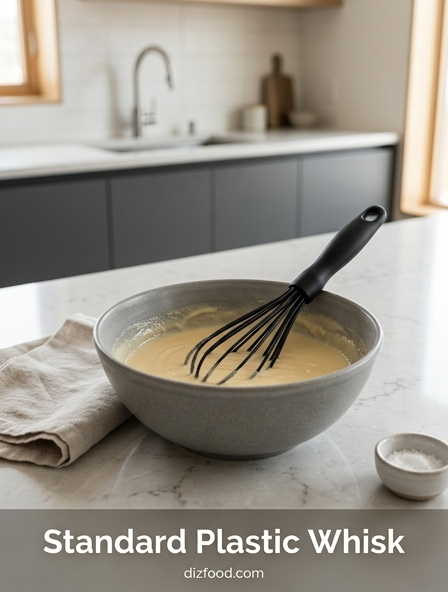
The outcome of a deglazed sauce is often determined by the physical tools employed during the process. While a wooden spoon is traditional for scraping, a specialized whisk is necessary for achieving a truly professional, smooth finish. The choice of tool depends largely on the shape of the cookware being used. For wide, shallow skillets, a flat whisk-also known as a roux whisk-is superior because its tines can lay flat against the bottom of the pan, ensuring every millimeter of the fond is captured. For deeper pans or sauciers, a balloon whisk might be used to incorporate air and create a lighter texture. The material of the tool also matters; stainless steel is durable and effective for stainless steel or cast iron pans, but silicone-coated whisks are mandatory for non-stick surfaces to prevent damage. A high-quality whisk allows for rapid agitation without causing excessive splashing, allowing the cook to maintain control over the reduction rate. By matching the tool to the task, you minimize the risk of lumps and ensure that the emulsification process is as efficient as possible, resulting in a sauce with a polished, silky mouthfeel.
| Tool Type | Primary Benefit | Best Pan Pairing |
|---|---|---|
| Flat Whisk | Maximum surface contact for scraping fond. | Stainless Steel Skillet |
| Balloon Whisk | Aeration and volume for thicker sauces. | Deep Saucier or Pot |
| Wooden Spoon | High leverage for stubborn, burnt-on bits. | Cast Iron Skillet |
| Silicone Whisk | Protects delicate coatings from scratches. | Non-Stick Cookware |
The Science of Emulsifying Sauces
Emulsification is the scientific process of forcing two immiscible liquids-usually oil and water-to combine into a stable, unified mixture. In the context of deglazing, this occurs when the rendered fats from the meat are whisked into the deglazing liquid and subsequent additions like butter or cream. To achieve a stable emulsion, the fat must be broken down into microscopic droplets that are then trapped within the liquid. This is often aided by emulsifiers, which are molecules that have both a water-loving and an oil-loving end. In many pan sauces, natural emulsifiers are found in the fond itself or are added through ingredients like mustard, egg yolks, or cold butter. The whisking action provides the kinetic energy required to disperse the fat droplets. If the whisking is too slow, or if the fat is added too quickly, the sauce will "break," resulting in a greasy layer floating on top of a watery liquid. Maintaining a steady simmer while whisking ensures that the proteins in the sauce help stabilize the bond. Understanding this delicate balance of chemistry and physics is what separates a thin, oily gravy from a rich, velvety masterpiece that coats the palate with balanced flavor.
- Temperature: Emulsions are most stable at moderate, consistent temperatures.
- Agitation: Continuous whisking is required until the emulsion is set.
- Fat Addition: Incorporate fats gradually to avoid overwhelming the liquid.
- Stabilizers: Use a touch of Dijon mustard or heavy cream to help hold the bond.
Optimal Liquids for Deglazing Success
The choice of deglazing liquid is the most significant variable in determining the final flavor profile of your sauce. Each liquid brings its own acidity, sweetness, and body to the pan. Wine is perhaps the most common choice; its natural acidity helps cut through the richness of animal fats, while its sugars contribute to the further caramelization of the sauce. Dry white wines are ideal for poultry and seafood, while robust reds pair best with beef or game. Stocks and broths provide a more savory, rounded base, adding gelatinous body that helps the sauce thicken naturally as it reduces. For a sharper, more punchy finish, vinegars or citrus juices can be used, though they are often diluted with water or stock to prevent the sauce from becoming overly tart. Even fortified wines like sherry or vermouth can be employed to add complex, nutty undertones. The key is to match the liquid's intensity with the protein's character. When the liquid hits the hot pan, it should boil rapidly, concentrating its flavors as it evaporates, leaving behind a potent essence that carries the spirit of the original dish into the final garnish.
- Dry White Wine: Best for chicken, pork, and delicate fish.
- Red Wine: Ideal for steaks, lamb, and hearty stews.
- Chicken or Beef Stock: Adds savory depth and natural gelatin.
- Apple Cider or Juice: Pairs excellently with pork and autumnal flavors.
- Verjus or Lemon Juice: Provides a bright, clean acidic lift.
Whisking Techniques for Velvety Results
To achieve a truly velvety sauce, the cook must master the nuances of whisking speed and pressure. The process starts with a high-intensity phase where the primary goal is the integration of the fond and the reduction of the liquid. During this stage, the whisk should move rapidly to maximize evaporation and prevent the sugars from scorching against the pan's edges. As the sauce thickens and the bubbles become larger and more "lazy," the whisking technique must shift. The goal transitions from reduction to refining the suspension. Reducing the speed slightly while maintaining a consistent rhythm allows the cook to monitor the sauce's viscosity. If adding a thickening agent like a beurre manié or a cornstarch slurry, the whisking must become extremely vigorous at the point of contact to prevent clumping. The final result should be a sauce that is completely smooth to the tongue, without any perceptible grains or oily patches. This level of refinement is achieved by a sensitive hand that feels the resistance of the sauce against the whisk, adjusting the motion to maintain a perfect, glass-like consistency throughout the reduction process.
- Increase speed during the initial reduction to accelerate evaporation.
- Apply firm pressure to the bottom of the pan to clear all flavorful solids.
- Slow down as the sauce reaches a syrupy consistency to avoid over-aeration.
- Use a tight, rapid circular motion when incorporating thickening agents.
- Finish with a gentle stir to check for "nappe" consistency on a spoon.
Achieving the Perfect Glossy Emulsion
The hallmark of a professional sauce is a brilliant, mirror-like gloss, often referred to by French chefs as "brillance." This visual quality is the direct result of a successful emulsion and proper reduction. The secret to achieving this finish lies in the technique of "monter au beurre," or mounting with butter. At the very end of the cooking process, after the heat has been turned down or even switched off, cold cubes of unsalted butter are whisked into the sauce one at a time. The cold temperature of the butter is crucial; it allows the fat to melt slowly enough that it can be suspended by the whisking action before it turns into oil. As the butter incorporates, it thickens the sauce and gives it a luxurious sheen. If the sauce is too hot, the butter will melt instantly and "break," leaving the sauce greasy rather than glossy. A perfectly emulsified sauce will reflect light and have a rich, opaque appearance. This final step not only enhances the visual appeal but also rounds out the acidity of the deglazing liquid, creating a mellow, balanced flavor profile that feels substantial and indulgent on the palate.
Temperature Control During Whisking
Temperature control is the invisible hand that guides a sauce from a simple liquid to a complex emulsion. During the initial deglazing, high heat is necessary to facilitate the "deglazing sizzle" and rapidly reduce the volume of the liquid. However, once the reduction is nearly complete and it is time to emulsify fats or dairy, high heat becomes the enemy. Excessive heat can cause proteins in cream to curdle or the bonds in a butter emulsion to fail. Most professional cooks follow a tiered approach to heat management. They start at a medium-high flame to boil off the alcohol in wine or the excess water in stock, then drop to a low simmer to refine the flavors. For the final whisking of butter or finishing oils, the pan is often removed from the heat source entirely. The residual heat of the pan and the sauce is sufficient to melt the fats while the whisking ensures they stay suspended. This careful modulation of temperature prevents the sauce from separating and ensures that the delicate aromatic compounds of the ingredients are preserved rather than evaporated away by excessive boiling.
| Phase | Heat Level | Objective |
|---|---|---|
| Deglazing | Medium-High | Lift fond and boil off alcohol/water. |
| Reduction | Medium-Low | Concentrate flavors and achieve thickness. |
| Emulsification | Off/Residual | Incorporate cold butter for gloss and body. |
| Holding | Warm/Lowest | Maintain consistency without further reduction. |
Refining Consistency for Professional Sauces
The final stage of creating a deglazed pan sauce is the refinement of its consistency, ensuring it meets the professional standard of "nappe"-the ability to coat the back of a spoon without running off. This is achieved through patient reduction and, if necessary, the careful addition of finishing touches. If a sauce remains too thin after the primary reduction, a common mistake is to continue boiling it until it becomes salty or bitter. Instead, a cook might whisk in a small amount of heavy cream or a pre-made roux to provide the necessary body. Conversely, if a sauce becomes too thick or "tight," it can be thinned with a few drops of fresh stock or even water to restore its flow. For the ultimate professional finish, many chefs choose to pass the sauce through a fine-mesh chinois after whisking. This removes any stray bits of herbs, shallots, or lingering fond that didn't fully dissolve, resulting in a sauce of singular smoothness. This final attention to detail ensures that the sauce enhances the dish's texture rather than distracting from it, providing a clean, elegant, and flavorful finish to the culinary creation.
- Test for Nappe: A line drawn with a finger on the spoon should remain clear.
- Straining: Use a fine-mesh sieve for a completely debris-free result.
- Seasoning: Always salt at the very end, as reduction concentrates salinity.
- Acid Balance: A final drop of lemon juice can brighten a heavy sauce.

Comments