
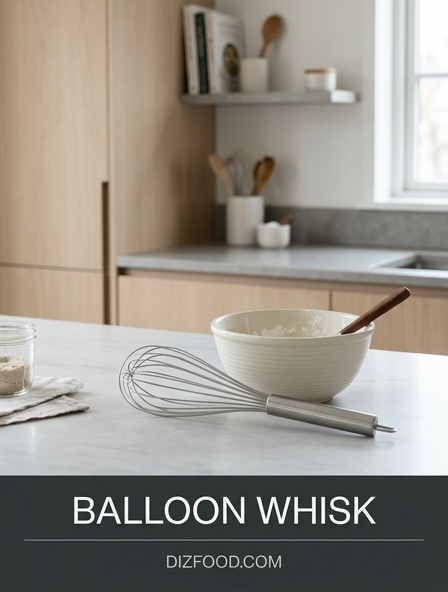
Science of Aeration
The balloon whisk is a masterpiece of fluid dynamics designed to introduce air into liquid mediums. When the whisk moves through a substance like egg whites or heavy cream, the multiple wire loops act as individual agitators that slice through the liquid. This mechanical action creates turbulence and drag, which traps microscopic air bubbles within the structure of the fluid. In the case of proteins, such as albumen in eggs, the physical agitation causes the protein strands to denature or uncoil. Once uncoiled, these proteins realign and bond together, forming a delicate lattice that encapsulates the injected air.
The bulbous shape of the balloon whisk is specifically engineered to maximize the volume of air incorporated with every stroke. As the wires pass through the mixture, they create a vacuum effect behind them, pulling air into the wake. The flexibility of the wires allows them to vibrate slightly, further breaking down air pockets into smaller, more stable bubbles. This process is essential for creating the light, diaphanous textures required in high-end culinary applications, ensuring that the resulting foam is both voluminous and structurally sound for baking or folding.
Essential Whisk Varieties
In the culinary world, selecting the correct whisk is as vital as the ingredients themselves. While the balloon whisk is the most recognizable, several variations serve specific niches in the kitchen. Understanding the structural differences between these tools allows a chef to manipulate textures with precision and efficiency.
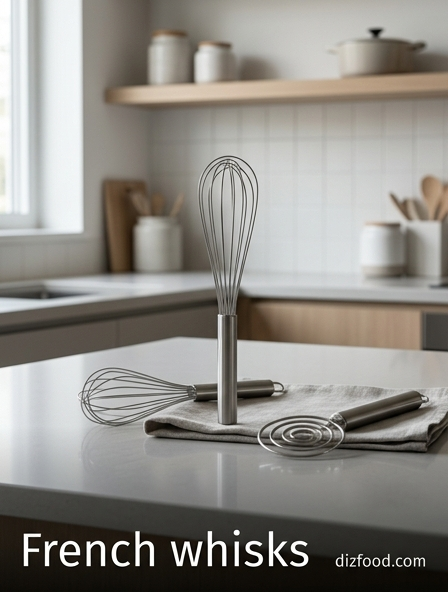
| Whisk Type | Primary Characteristic | Best Use Case |
|---|---|---|
| Balloon Whisk | Large, rounded bulbous head | Aerating egg whites and cream |
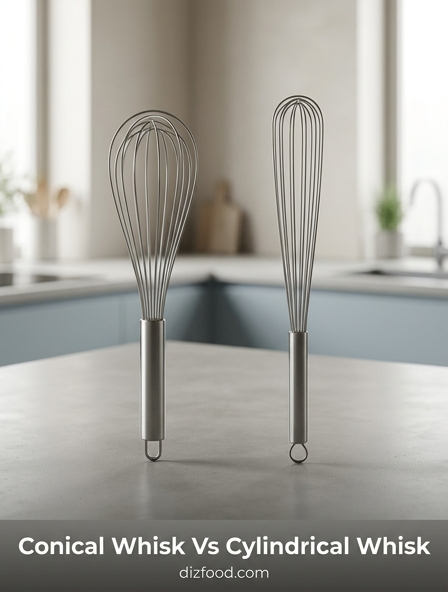
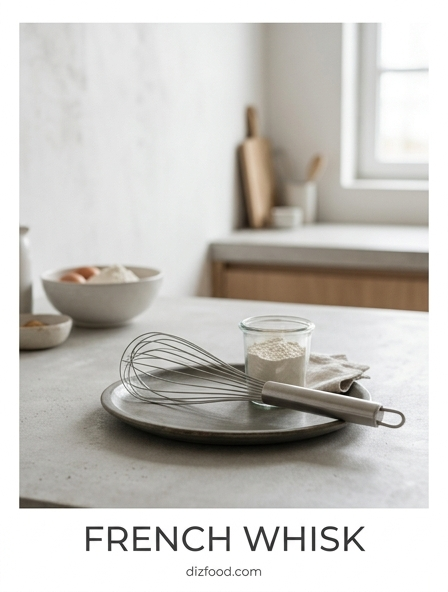
| French Whisk | Narrow, elongated shape | Emulsifying sauces and vinaigrettes |
| Flat Whisk | U-shaped, flattened profile | Deglazing pans and stirring roux |
| Ball Whisk | Individual wires with ball tips | Reaching corners of flat pans |
The balloon whisk remains the gold standard for tasks requiring maximum volume. Its wide diameter provides a greater surface area for air contact, distinguishing it from the French whisk, which is designed for more vigorous, localized agitation in deep vessels. Choosing between these tools depends entirely on whether the goal is volume or thorough integration of dense ingredients.
Achieving Stiff Peaks
The journey to achieving stiff peaks is a fundamental skill that relies heavily on the mechanical efficiency of the balloon whisk. Stiff peaks are characterized by a foam that stands straight up when the whisk is lifted, indicating maximum air saturation and protein bonding. This state is the backbone of meringues and soufflés, providing the structural integrity needed to withstand heat in the oven.
- Start with a clean, grease-free stainless steel or copper bowl to ensure no fats interfere with protein bonding.
- Begin whisking at a moderate pace to create a uniform foam of small bubbles, often referred to as the "frothy" stage.
- Increase speed and use a wide, sweeping motion to incorporate larger volumes of air until soft peaks form.
- Add stabilizing agents like sugar or cream of tartar gradually while continuing the vigorous whisking.
- Continue until the mixture is glossy and the peaks no longer collapse when the tool is removed.
The balloon whisk is uniquely suited for this because its flexible wires can reach the bottom and sides of the bowl simultaneously, ensuring no liquid is left un-aerated. The manual control offered by the whisk prevents over-beating, which can lead to a grainy, broken texture.
Emulsification Mastery
Emulsification is the process of forcing two immiscible liquids, such as oil and vinegar, into a stable, uniform mixture. The balloon whisk facilitates this by providing the necessary shear force to break oil droplets into microscopic sizes. When these droplets are sufficiently small, they become suspended within the continuous phase of the liquid, prevented from coalescing by the presence of an emulsifier like mustard or egg yolk. The wide-set wires of a balloon whisk are particularly effective at creating this dispersion without overworking the delicate balance of the sauce.
In the preparation of mayonnaise or hollandaise, the whisk's shape allow for a gentle yet thorough integration of fats. By moving the whisk in a rapid side-to-side motion rather than a circular one, the cook can create more collisions between the oil droplets and the base liquid. This increases the viscosity of the sauce, resulting in a thick, velvety mouthfeel. The balloon whisk's ability to cover a large surface area ensures that the emulsion remains stable throughout the addition of ingredients, preventing the dreaded "broken" sauce where oil separates from the base.
Balloon Whisk Benefits
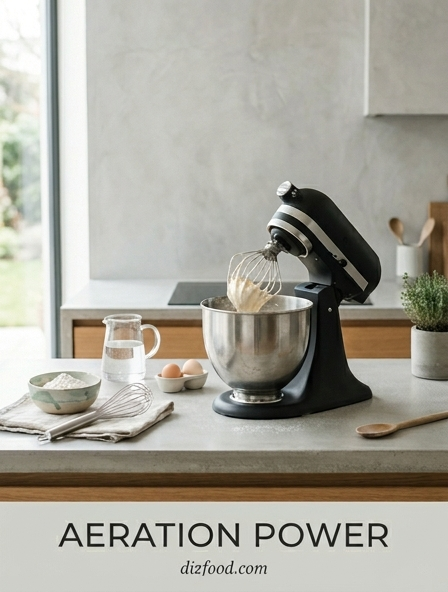
The balloon whisk is a staple of the professional kitchen for several reasons, primarily its unmatched ability to provide rapid aeration. Unlike electric mixers, a manual balloon whisk offers the chef immediate tactile feedback, allowing for precise adjustments in speed and intensity. This sensitivity is crucial when working with delicate ingredients that can easily be over-processed. Furthermore, the ergonomic design of a high-quality balloon whisk reduces wrist strain during extended periods of use, which is essential when preparing large batches of whipped toppings or foams.
- Maximum Volume: The bulbous head captures more air per stroke than any other manual tool.
- Versatility: Suitable for everything from light frothing to mixing heavy batters.
- Tactile Control: Allows the chef to feel the changing viscosity of the mixture in real-time.
- Efficiency: The multi-wire design ensures that lumps are broken down quickly and effectively.
- Durability: Stainless steel constructions are resistant to rust and can withstand high-heat applications.
Beyond its functional advantages, the balloon whisk is also incredibly easy to clean and maintain. Its open-wire design allows for quick rinsing, ensuring that no food particles are trapped between uses, which maintains the hygiene standards of the kitchen.
Perfecting Batter Texture
In baking, the texture of the batter determines the crumb and lift of the final product. A balloon whisk is the ideal tool for achieving a smooth, lump-free consistency while maintaining the desired level of aeration. For pancakes, waffles, and muffins, the goal is often to combine dry and wet ingredients just until they are incorporated. The balloon whisk excels at this because its wires can cut through flour clumps without over-developing the gluten. Over-mixing leads to a tough, rubbery texture, but the gentle agitation of the whisk keeps the batter tender.
When mixing cake batters, the whisk helps to fold in air that will later expand in the oven. This is particularly important for recipes that do not rely heavily on chemical leaveners. By using a "cutting and folding" motion with the balloon whisk, you can preserve the air bubbles previously whipped into eggs or butter. This results in a light, airy sponge that has a uniform grain. The whisk's ability to distribute fats and liquids evenly ensures that every bite of the finished dessert has a consistent flavor and structural integrity, making it an indispensable tool for any serious baker.
Manual Whisking Techniques
Mastering the balloon whisk involves more than just circular movement; it requires an understanding of different stroking patterns to achieve specific culinary outcomes. The most common mistake is using only a round, stirring motion, which is actually the least efficient way to incorporate air. Professional chefs often employ a side-to-side "beating" motion or a figure-eight pattern. These techniques create more turbulence within the bowl, forcing the liquid to fold over itself repeatedly, which maximizes the air-to-liquid contact ratio and speeds up the thickening process.
The "side-to-side" method is particularly effective for heavy cream or egg whites, as it creates a high-shear environment that breaks down proteins or fat globules faster. Another technique involves tilting the bowl at a 45-degree angle, which allows the whisk to reach the maximum surface area of the ingredient while providing a deeper "well" for the wires to travel through. This ergonomic adjustment not only improves the efficiency of the aeration but also utilizes the chef's forearm muscles more effectively, reducing the likelihood of fatigue during labor-intensive tasks like making a large batch of chocolate mousse or zabaglione.
Air Incorporation Secrets
The secret to superior aeration often lies in the environmental factors and the physical state of the ingredients being whisked. Temperature plays a pivotal role; for instance, heavy cream aerates best when it is chilled, as the fat globules are more stable and can better support the air structure. Conversely, egg whites reach maximum volume more quickly when they are at room temperature, as the proteins are more elastic and can stretch further without breaking. A balloon whisk, with its wide loops, is the perfect instrument to exploit these physical properties.
Another secret involves the material of the bowl used in conjunction with the whisk. Copper bowls are a traditional favorite for whisking egg whites because a microscopic amount of copper ions migrate into the egg whites, bonding with the protein conalbumin. This creates a highly stable foam that is less likely to collapse or over-beat. When using a balloon whisk in a copper bowl, the action is significantly more effective, resulting in a yellowish, creamy foam that holds its shape beautifully. Understanding these subtle interactions between the tool, the vessel, and the temperature allows for consistent, professional-grade results in any kitchen environment.
Tool Selection Guide
Choosing the right balloon whisk involves evaluating several key features to ensure it meets the demands of your specific kitchen tasks. A poorly constructed whisk can lead to hand fatigue or uneven results, so quality is paramount. When shopping for a balloon whisk, consider the following criteria:
- Wire Count: Look for a whisk with at least 8 to 12 wires. More wires generally mean faster aeration but can be harder to clean.
- Material: Stainless steel is the industry standard for durability and hygiene. Silicone-coated wires are better for non-stick pans to prevent scratching.
- Handle Comfort: An ergonomic, weighted handle provides better balance and control during vigorous whisking.
- Flexibility: The wires should have a degree of "spring" to them. If they are too rigid, they won't vibrate enough to create fine bubbles.
- Size: A 10 to 12-inch whisk is the most versatile for home use, fitting comfortably in standard mixing bowls.
A well-chosen balloon whisk should feel like an extension of your arm. The balance between the weight of the handle and the tension of the wires is what allows for effortless movement, whether you are gently folding a delicate batter or aggressively beating egg whites for a holiday meringue.
Fluffy Dessert Foundations
The balloon whisk is the primary architect of many classic dessert foundations. From the light-as-air consistency of a French Chantilly cream to the complex structure of a Grand Marnier soufflé, the whisk is responsible for the lift and mouthfeel that define these dishes. In pastry arts, the "ribbon stage"-where a mixture of eggs and sugar falls off the whisk in a thick, trailing band-is a crucial indicator of readiness for many sponge cakes and custards. This stage can only be perfectly achieved and monitored using the manual precision of a balloon whisk.
Furthermore, the whisk is essential for creating mousses and bavarians, where whipped cream must be folded into a flavored base. The open structure of the balloon whisk allows the two mixtures to combine without deflating the carefully incorporated air. This preservation of volume is what gives high-end desserts their signature "fluffy" quality. By mastering the use of this tool, a pastry chef can transform humble ingredients like eggs, sugar, and cream into ethereal creations that are as visually stunning as they are delicious, proving that the balloon whisk is truly the heartbeat of the dessert station.

Comments