
The Hidden Danger in Hollow Whisk Handles
Many home cooks view the balloon whisk as a simple, benign tool, yet its design often harbors a structural flaw that compromises food safety. The primary issue lies in the junction where the individual wire loops enter the handle. In many mass-produced models, the handle is a hollow stainless steel or plastic tube that is not hermetically sealed. This creates a microscopic gap that serves as a gateway for liquids, fats, and fine food particles to enter the interior chamber.
- Capillary action draws dishwater into the handle during soaking.
- Starch-heavy batters can seep through loose wire grommets.
- Condensation forms inside the metal tube during high-heat washing cycles.
- Pressure changes during cooling pull external contaminants inward.
Once moisture enters this enclosed space, it becomes nearly impossible to extract. The interior remains dark and damp, shielded from the circulating air required for evaporation. Over time, this hidden reservoir becomes a breeding ground for pathogens that the user cannot see, smell, or easily scrub away, turning a basic kitchen essential into a persistent biohazard.
Identifying the Common Kitchen Moisture Trap
Detecting a moisture trap requires a close inspection of the whisk's construction. Most traps are found in "multi-piece" designs where the handle and the whisk head are manufactured separately and then crimped or glued together. This assembly method almost inevitably leaves voids. Even whisks that appear high-quality may utilize a hollow handle to reduce weight and material costs, unintentionally creating a vacuum that sucks in soapy water every time the tool is submerged in a sink.
| Whisk Type | Common Trap Location | Risk Level |
|---|---|---|
| Classic Balloon | Wire insertion points at the base of the handle. | High |
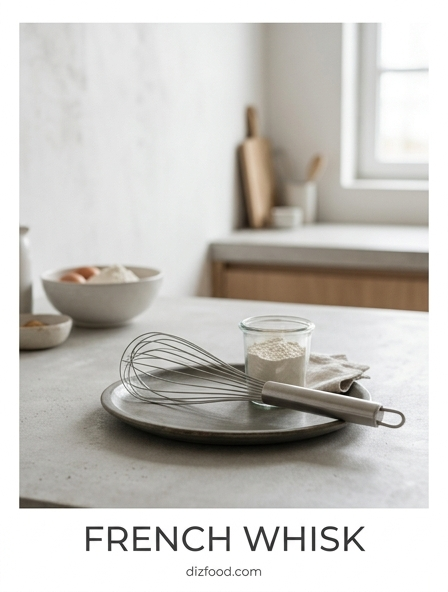
| French Whisk | The internal cavity of the narrow handle tube. | Moderate |
| Silicone-Coated | The seam where silicone meets the metal hilt. | High |
To identify if your current tool is a trap, listen for a sloshing sound after washing or check for a slow drip emerging from the handle when the whisk is held upright. If water leaks out minutes after drying, the internal seal has failed, and the tool is actively harboring stagnant liquid.
How Trapped Water Breeds Internal Mold
The environment inside a hollow whisk handle is an ideal incubator for microbial life. Mold spores are omnipresent in the kitchen environment, and once they find their way into a dark, wet, and nutrient-rich space, they begin to colonize rapidly. The presence of organic matter, such as egg proteins or milk solids that enter along with the water, provides the necessary fuel for fungal expansion. This process follows a predictable biological timeline that transforms clean water into a toxic sludge.
- Inoculation: Spores and food particles enter through capillary action.
- Incubation: The sealed environment maintains high humidity levels.
- Germination: Fungi begin to grow on the internal walls of the handle.
- Biofilm Formation: A slimy layer of bacteria and mold coats the interior.
Because these handles are opaque, the user remains unaware of the colony's growth. The mold doesn't just sit idle; it produces metabolic byproducts and gases that can build pressure within the handle. This pressure can eventually force contaminated fluids back out through the same seams they entered, especially when the whisk is agitated during vigorous mixing or whipping tasks.
Health Risks of Moldy Whisk Seams
The danger of a contaminated whisk is not merely aesthetic; it poses genuine risks to gastrointestinal health. When a mold-infested whisk is used to beat eggs or cream, the centrifugal force and vibration of the wires can dislodge "black water"-a mixture of stagnant liquid and mold spores-directly into the food. For individuals with mold allergies or respiratory sensitivities, even minute amounts of these spores can trigger adverse reactions, ranging from sneezing to more severe inflammatory responses.
Furthermore, the internal handle environment can host bacteria like Salmonella or E. coli if the whisk was used with raw ingredients and not sanitized internally. Since the interior never reaches the temperatures required for sterilization in a standard dishwasher, these pathogens can persist for weeks. When the "leak" occurs, it introduces a concentrated dose of bacteria into otherwise fresh ingredients. This cross-contamination is particularly dangerous in preparations that are not cooked at high temperatures, such as meringues, whipped creams, or cold emulsions like mayonnaise, where the bacteria can thrive and multiply before consumption.
Signs Your Whisk Has Internal Growth
Since you cannot see inside the handle, you must rely on secondary indicators to determine if your whisk has become a moisture trap. These signs often appear gradually, but once they are present, the tool should be considered compromised and potentially dangerous for food preparation. Vigilance during the cleaning process is the best way to catch these issues before they lead to a foodborne illness incident.
- Discolored Leakage: A grey or black liquid seeping from the handle seams when the whisk is shaken.
- Persistent Odor: A musty, earthy, or "sour" smell emanating from the base of the wires even after a thorough washing.
- Audible Sloshing: The sound of liquid moving inside the handle when the whisk is tilted back and forth.
- Weight Change: The whisk feels noticeably heavier than when it was first purchased, indicating significant water retention.
- Visible Biofilm: A slimy, dark residue visible at the exact point where the wires enter the handle cap.
If you notice any of these symptoms, attempting to "wash" the interior is often futile. The narrow openings do not allow for sufficient mechanical scrubbing, meaning the mold colony is likely permanent and the tool should be replaced with a more hygienic alternative.
Proper Sanitization for Balloon Whisks
Maintaining a whisk requires more than a simple rinse under the tap. Because of the complex geometry of the wire loops, food particles easily cling to the "shoulder" of the whisk where the wires cluster together. Effective sanitization involves breaking down surface tensions and ensuring that any moisture that does enter the handle is treated with an antimicrobial agent. However, preventing ingress is always the primary goal during the cleaning cycle.
- Vertical Cleaning: Wash the whisk with the wires pointing downward to prevent water from running down the handles into the seams.
- Sanitizing Soak: Submerge only the wire portion in a solution of white vinegar and hot water for ten minutes to kill surface spores.
- Steam Exposure: Use a handheld steamer on the wire entry points to loosen dried debris without flooding the handle.
- Alcohol Rinse: Occasionally wipe the handle seams with high-percentage isopropyl alcohol to dehydrate any potential mold entry points.
Avoid leaving whisks at the bottom of a filled sink. The hydrostatic pressure of the standing water forces liquid into the handle cavities much faster than splashing does. If a dishwasher is used, ensure the whisk is placed wires-down to facilitate immediate drainage and minimize the time moisture spends sitting at the handle hilt.
Effective Drying Techniques to Stop Spores
Drying is the most critical step in preventing the handle from becoming a moisture trap. Most people toss their whisks into a crowded utensil drawer while they are still damp, which traps humidity and encourages fungal growth. To properly dry a whisk, you must ensure that gravity works in your favor and that airflow can reach every part of the tool, including the hidden junctions. This requires a specific post-wash protocol that focuses on complete moisture extraction.
Immediately after washing, the whisk should be shaken vigorously to expel any loose water from the wire clusters. The tool should then be hung by the loop on its handle with the wires pointing toward the floor. This orientation ensures that any water trapped in the handle will migrate toward the openings and drip out, rather than settling in the bottom of the handle tube. If your kitchen allows for it, placing the whisk in a warm (but not hot) area, such as near a pilot light or a sunny windowsill, can help accelerate evaporation through the tiny gaps. Never store a whisk horizontally in a drawer until it has been air-dried vertically for at least four hours to ensure the internal cavity is moisture-free.
Benefits of Seamless Stainless Steel Whisks
The most effective way to eliminate the moisture trap is to change the tool itself. Professional-grade whisks often feature a seamless design that removes the risk of internal contamination entirely. These tools are specifically engineered for the rigors of commercial kitchens where health inspections are stringent. By investing in a whisk with superior construction, you eliminate the need for complex drying rituals and the anxiety of hidden mold growth.
- Solid Handles: Some high-end whisks use solid resin or metal handles that have no hollow cavity.
- Epoxy Seals: The wires are embedded in a food-safe epoxy or silicone plug that completely blocks the handle opening.
- One-Piece Construction: Advanced manufacturing creates a single fused unit where there are no gaps between the wires and the hilt.
- Increased Weight: The lack of air pockets provides a more balanced, heavy-duty feel that aids in efficient whisking.
While these models may carry a higher price tag, their longevity and hygienic superiority make them a more economical choice over time. A seamless whisk can be fully submerged and put through the dishwasher without the fear of it retaining "black water," ensuring that every meringue and sauce remains pure and untainted.
Preventing Mold Leakage During Food Prep
If you are currently using a whisk with a hollow handle, you must take active precautions during the cooking process to prevent contaminants from leaking into your bowl. The movement of whisking creates centrifugal force that pulls liquid out of the handle and down the wires. This is the moment when your food is most at risk. Understanding the physics of your tool can help you minimize the chances of a "mold leak" while you work.
| Action | Precautionary Step | Reasoning |
|---|---|---|
| Before Whisking | Tap handle on the counter. | Forces any trapped liquid out before it hits the food. |
| During Use | Keep handle tilted upward. | Uses gravity to keep internal moisture at the back of the handle. |
| Whipping | Avoid high-speed tapping. | Reduces vibration that dislodges internal biofilm. |
Additionally, always perform a "white paper test" before starting a recipe. Vigorously shake the whisk over a clean white paper towel; if any grey or brown spots appear, the whisk is leaking internal contaminants. In such cases, discard the tool immediately rather than risking the batch of food you are about to prepare.
Maintaining Hygienic Whisking Tools Daily
Consistent maintenance is the final line of defense against kitchen moisture traps. Establishing a daily routine ensures that your tools remain in peak condition and that any signs of wear are caught before they become health hazards. Hygiene is a proactive habit, and with whisks, this means treating the handle with as much care as the wires themselves. By incorporating a few simple steps into your kitchen closing routine, you can extend the life of your whisks and ensure total food safety.
- Immediate Rinse: Never let batter dry on the whisk; the sugars and proteins provide the food source for mold inside the handle.
- Visual Inspection: Weekly, hold the whisk up to a strong light to check the seams for any dark buildup.
- Dry Storage: Use a pegboard or a hanging rack rather than a utensil jar to maximize airflow around the tool.
- Regular Replacement: Treat whisks as semi-disposable items; if the wires become loose or the seal looks cracked, replace the tool immediately.
Ultimately, a whisk is a precision instrument. Maintaining its integrity requires a combination of smart purchasing and disciplined cleaning. By prioritizing tools that lack hollow spaces and ensuring every whisk is dried vertically, you can eliminate one of the most common yet overlooked sources of contamination in the modern kitchen.

Comments