
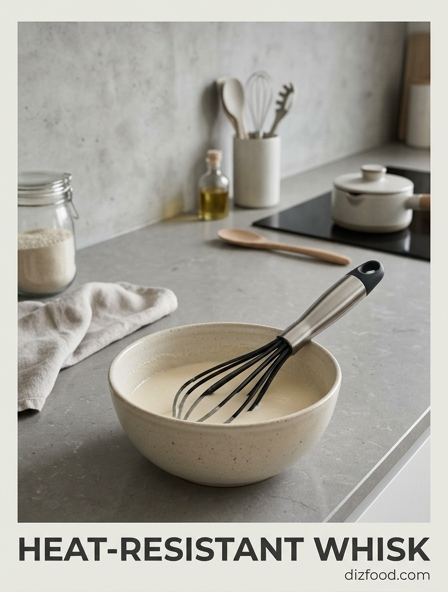
High Temperature Thresholds for Safe Cooking
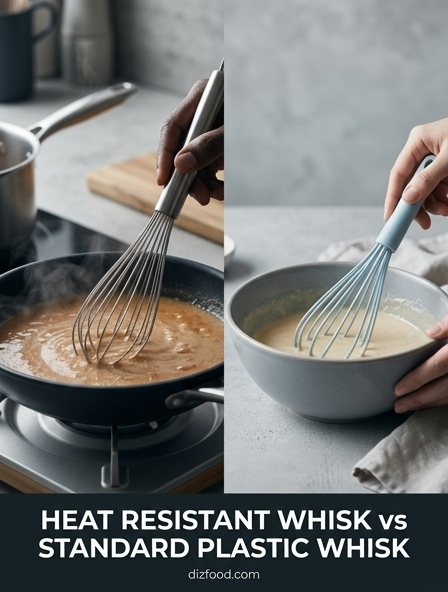
Heat-resistant whisks are engineered to withstand the rigorous demands of modern culinary techniques, particularly when dealing with searing temperatures. Most professional-grade silicone whisks are rated for temperatures ranging from 450°F to 600°F, ensuring they remain functional even during deep-frying or intensive caramel production. This thermal tolerance is critical because standard plastic utensils often fail at approximately 300°F, leading to immediate structural failure or warping.
- Deep Frying: Requires tools that handle oil temperatures up to 400°F.
- Candy Making: Boiling sugar reaches stages exceeding 300°F.
- Stove-top Reductions: Requires continuous exposure to direct burner heat.
The ability to maintain integrity under such intense conditions allows chefs to whisk continuously without withdrawing the tool to cool it down. This thermal resilience is primarily achieved through the use of high-quality, food-grade silicone bonded to a reinforced core, which prevents the outer layer from softening or losing its tension during the aeration of dense, hot liquids. This ensures the whisk remains a reliable extension of the cook's hand even in the hottest environments.
Eliminating Risks of Chemical Leaching
A primary concern when utilizing kitchen utensils at high temperatures is the potential for chemical migration from the tool into the food. Heat-resistant whisks, specifically those crafted from high-grade silicone or specialized stainless steel, are designed to be chemically inert. This means that even when submerged in boiling liquids or acidic sauces, the material does not break down or release harmful substances like Bisphenol A (BPA) or phthalates into the meal.
Regulatory bodies such as the FDA and LFGB set strict standards for food-contact materials to ensure they do not leach toxins under thermal stress. Using a certified heat-resistant whisk provides a safety barrier that lower-quality plastics cannot offer. Furthermore, these materials do not react with acidic ingredients like vinegar or citrus, which often cause cheaper materials to corrode or off-gas. By prioritizing high-temperature stability, home cooks and professional chefs alike can ensure that the nutritional profile and safety of their dishes remain uncompromised throughout the entire cooking process, protecting the health of the consumers while maintaining the integrity of the ingredients.
Preventing Accidental Melting and Debris
One of the most frustrating experiences in a kitchen is discovering small fragments of melted plastic within a finished sauce. Conventional nylon or plastic whisks are prone to "tipping," where the ends of the loops melt upon contact with the hot bottom of a pan. Heat-resistant whisks eliminate this risk entirely by utilizing materials with high melting points and excellent thermal recovery properties.
- Visual Inspection: High-quality whisks show no signs of curling or charring after use.
- Material Purity: Solid silicone construction ensures no separate pieces can break off.
- Bonding Integrity: The attachment point between the wires and handle is sealed to prevent debris buildup.
Preventing accidental melting is not just about food aesthetics; it is a critical safety measure. When a whisk begins to degrade, its structural integrity is compromised, leading to a loss of aeration efficiency. By investing in tools designed for extreme heat, users avoid the hidden costs of replacing damaged cookware and the health hazards associated with consuming synthetic debris. These robust tools ensure that the whisking process remains clean and efficient from start to finish.
Preserving Nonstick Cookware Integrity
The synergy between heat-resistant silicone whisks and nonstick cookware is essential for preserving the lifespan of expensive pans. Traditional metal whisks, while durable, act as abrasives that can score and peel PTFE or ceramic coatings. Once a nonstick surface is scratched, its efficacy drops significantly, and the underlying aluminum may be exposed. Heat-resistant whisks solve this by providing a soft, flexible contact point that glides over the surface without causing micro-abrasions.
This protection allows for aggressive whisking-such as when emulsifying a hollandaise or thickening a roux-without fear of damaging the vessel. The flexibility of silicone loops ensures they can reach the corners of a skillet, where sauces often burn, without the harsh friction of steel. Consequently, using the correct heat-resistant tool serves as a form of preventative maintenance for your kitchen inventory. By choosing a whisk that balances softness with heat tolerance, you maintain the nonstick properties of your cookware for years, ensuring consistent cooking results and significantly easier cleanup sessions after every meal preparation.
Structural Stability Under Extreme Heat
Exposure to extreme heat can cause many materials to become pliable or "mushy," rendering a whisk useless for heavy-duty mixing. Heat-resistant whisks are designed with an internal skeletal structure, usually made of stainless steel, which is then encapsulated in a thick layer of heat-stabilized silicone. This design ensures that the whisk retains its "spring" and tension even when stirring heavy batters or thick custards at boiling temperatures.
| Feature | Standard Whisk | Heat-Resistant Whisk |
|---|---|---|
| Tension Retention | Poor at high temps | Excellent up to 500°F |
| Loop Alignment | Prone to warping | Maintains original shape |
| Wire Strength | May soften or bend | Reinforced core stability |
This structural stability is vital for effective aeration. If the loops lose their shape, they cannot properly incorporate air into the mixture, leading to flat sauces or dense meringues. The specialized construction ensures the whisk remains a reliable extension of the chef's hand, providing consistent resistance against the ingredients regardless of the temperature in the pot.
Ergonomic Safety and Cool-Touch Handles
While the head of the whisk must withstand the heat of the stove, the handle must remain comfortable and cool to the touch. Ergonomic safety in heat-resistant whisks focuses on thermal insulation. Many high-quality models feature handles made from brushed stainless steel with air-core technology or weighted silicone grips that do not conduct heat from the whisk's loops. This allows the user to work over open flames without the risk of thermal injury to their hands.
- Non-Slip Texture: Ensures a firm grip even if hands are oily or wet.
- Thermal Breaks: Design elements that prevent heat travel up the shaft.
- Weight Distribution: Balanced for long-term use to reduce wrist fatigue.
A cool-touch handle is a vital safety feature that prevents accidental burns when the whisk is left resting against the side of a hot pot. Furthermore, the ergonomic shaping of these handles often includes thumb rests and contoured grips, which allow for high-speed whisking with minimal physical strain. This focus on user comfort ensures that the chef can focus on culinary technique rather than the discomfort of a hot tool.
Comparing Silicone and Stainless Steel Resistance
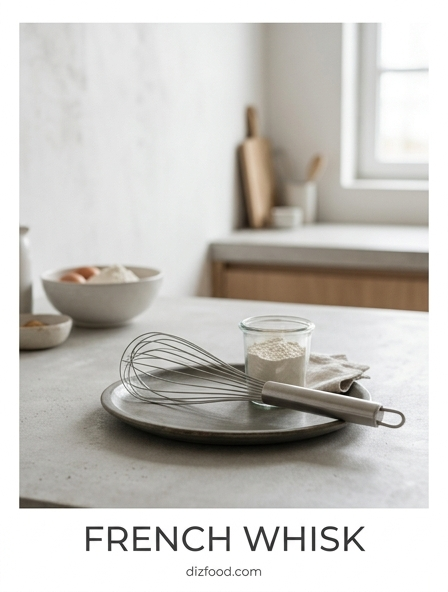
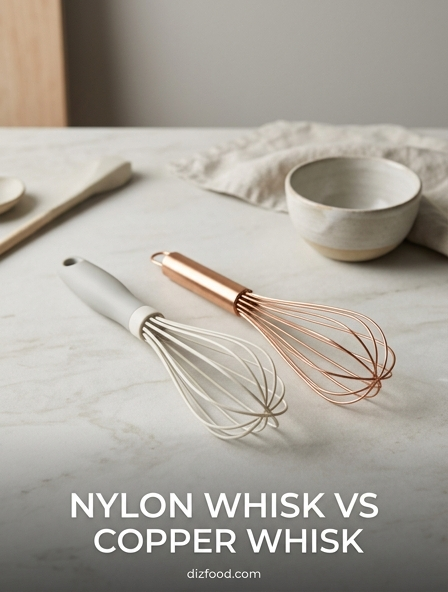
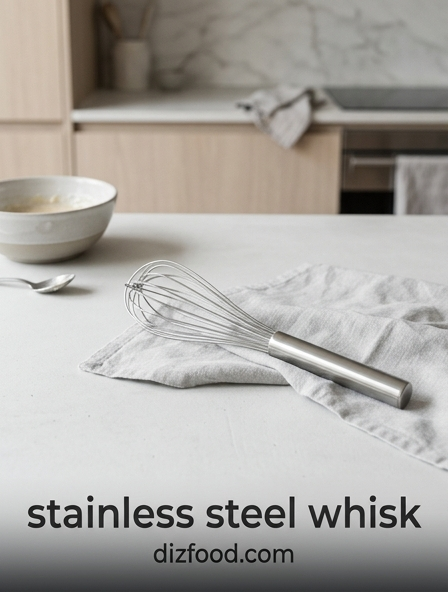
When selecting a heat-resistant whisk, the choice often falls between silicone-coated and pure stainless steel options. Both materials offer exceptional heat resistance, but they serve different roles within the kitchen environment. Stainless steel is the traditional choice, offering unparalleled rigidity and the ability to withstand temperatures well over 1000°F, though it is limited by its potential to damage delicate surfaces. It is the gold standard for durability in heavy-duty industrial settings.
Silicone whisks, conversely, are typically rated up to 600°F, which is more than sufficient for almost all domestic and professional cooking tasks. While silicone is safer for nonstick pans, stainless steel is often preferred for high-volume tasks in metal mixing bowls where maximum aeration is required. Silicone's slightly dampened vibration can actually be a benefit, reducing the noise of whisking against metal vessels. Ultimately, the decision depends on the cookware being used; however, for a versatile kitchen, having both a heavy-duty steel whisk for cold preparations and a silicone-coated whisk for stove-top cooking provides the most comprehensive toolset for any culinary challenge.
Durability in High Heat Culinary Applications
In the context of high-heat culinary applications, durability is measured by how well a tool maintains its performance over hundreds of heating and cooling cycles. Heat-resistant whisks are manufactured using vulcanized silicone or tempered metals that resist the "brittleness" that often plagues cheaper tools. When exposed to repeated thermal shock-moving from a cold batter to a hot saucepan-inferior materials develop micro-cracks where bacteria can thrive and structural failure begins.
- Thermal Shock Resistance: Prevents cracking during rapid temp changes.
- Abrasion Resistance: Withstands the friction of grainy ingredients like sugar.
- Chemical Resilience: Withstands harsh dishwasher detergents and sanitizers.
Professional kitchens demand tools that can survive the "line" during a dinner rush. A heat-resistant whisk is an investment in longevity; it will not warp, discolor, or lose its protective coating after a few months of use. This durability ensures that the tool remains hygienic and effective, providing a consistent experience for the chef every time it is pulled from the utensil drawer, regardless of the intensity of the recipe.
Maintaining Flavor Purity in Hot Reductions
Delicate reductions, such as a beurre blanc or a port wine glaze, are highly sensitive to environmental contaminants. Traditional plastic whisks can sometimes impart a faint synthetic odor or taste when exposed to high heat for extended periods. Heat-resistant whisks are designed to be non-porous and non-reactive, ensuring that the only flavors present in the dish are those intended by the chef. This is essential for maintaining the high standards of gourmet cooking.
Because these materials do not absorb oils, pigments, or odors from previous batches, they prevent cross-contamination of flavors. For example, a whisk used to stir a spicy chili can be cleaned and immediately used for a delicate vanilla custard without any flavor carryover. This purity is especially important in high-heat reductions where flavors become concentrated; any off-note from a degrading utensil would be amplified in the final sauce. By using a high-temperature stable material, the chef maintains total control over the sensory profile of their food, ensuring a professional result that is free from any metallic or plastic aftertastes.
Long-Term Reliability for Professional Kitchens
For professional kitchens, the reliability of a tool is directly linked to operational efficiency. A heat-resistant whisk that can handle the constant abuse of a commercial range is an essential asset. Professional-grade whisks often carry certifications such as NSF (National Sanitation Foundation), which guarantee that the tool meets strict standards for cleanability and durability under heavy use. This reliability minimizes downtime and keeps the kitchen running smoothly during peak hours.
| Aspect | Professional Benefit |
|---|---|
| Sanitation | Sealed handles prevent liquid ingress and bacteria growth. |
| Efficiency | High-loop density allows for faster emulsification. |
| Cost-Effectiveness | Fewer replacements needed over the fiscal year. |
Reliability also means consistency. A chef needs to know that their whisk will perform exactly the same way on the hundredth use as it did on the first. This long-term performance reduces the need for frequent restocking and ensures that the kitchen's workflow is never interrupted by tool failure. In the high-stakes environment of a professional kitchen, a heat-resistant whisk is a reliable partner in the pursuit of culinary excellence.

Comments