
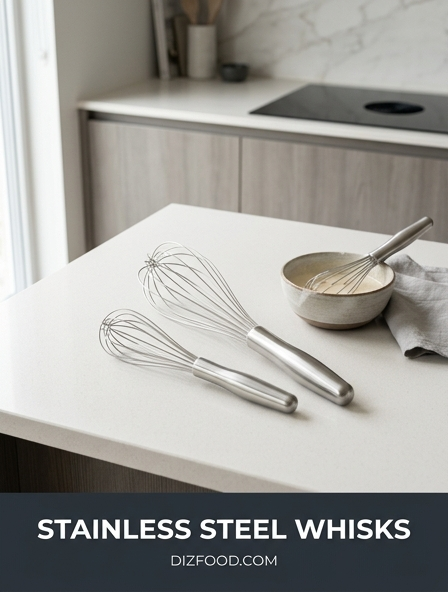
Durability and Longevity of Stainless Steel Wires
Stainless steel whisks are the backbone of any high-volume kitchen due to their exceptional structural integrity. Unlike plastic or wood, high-quality stainless steel wires are engineered to withstand rigorous mechanical stress without snapping or deforming. This resilience is primarily attributed to the alloy's high chromium and nickel content, which provides the necessary tensile strength to handle thick batters and heavy doughs. Professional chefs rely on these tools because they maintain their shape even after years of daily use.
- High tensile strength prevents permanent bending under pressure.
- Resistant to snapping at the handle junction.
- Maintains wire spacing for consistent performance over time.
- Withstands the physical impact of being stored in busy utensil bins.
Investing in stainless steel ensures that the tool remains a permanent fixture in the culinary arsenal. The longevity of these whisks significantly reduces replacement costs for commercial establishments. Because the metal does not degrade or become brittle with age, it provides a reliable level of resistance that chefs can depend on for precise recipe execution, making it the most cost-effective choice for long-term kitchen operations.
Optimal Weight and Balance for Professional Handling
The ergonomics of a stainless steel whisk are defined by the careful distribution of weight between the handle and the wire bulb. A well-balanced whisk allows the user to exert maximum force with minimal wrist strain, which is critical during long shifts. Professional-grade models often feature weighted handles that counteract the weight of the wires, providing a neutral center of gravity. This balance allows for a more natural whipping motion, whether the chef is using a side-to-side or a circular technique.
- Center of gravity is positioned near the bolster for better control.
- Weighted handles prevent the whisk from flipping out of shallow bowls.
- Ergonomic grips reduce the risk of repetitive strain injuries.
- Heavy-duty construction provides enough momentum for thick emulsions.
Proper balance is not merely about comfort; it is about precision. When a whisk is top-heavy or too light, the user must compensate with extra muscle tension, leading to fatigue and uneven textures. Stainless steel provides the necessary density to create a substantial feel in the hand, giving the cook better feedback through the handle. This tactile connection is essential for sensing the thickness of a sauce or the peak stage of a meringue.
Maximum Aeration Efficiency for Perfect Textures
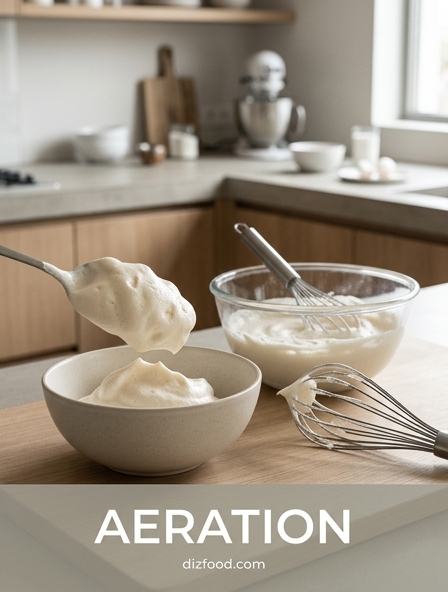
The primary function of a whisk is to incorporate air into liquids, and the rigidity of stainless steel is perfect for this task. The thin yet stiff wires can slice through proteins and fats more effectively than thicker silicone alternatives. This allows for the rapid creation of air bubbles, which are essential for light sponges, fluffy whipped creams, and stable meringues. The precise spacing of the wires ensures that the maximum amount of air is trapped with every stroke, significantly reducing the time required to reach desired volumes.
- Thin wire gauge allows for more loops and increased surface area.
- Rigid structure cuts through cold fats to create stable foams.
- Optimized spacing prevents clogging in dense mixtures.
- High-speed vibrations of steel wires help break down protein structures.
Efficiency in aeration is a hallmark of professional pastry work. A stainless steel whisk responds instantly to the cook's speed, translating every flick of the wrist into volume. This efficiency is particularly noticeable when working with egg whites, where the goal is to achieve stiff peaks before the proteins begin to over-expand. The reliable performance of steel ensures that textures remain consistent across different batches and various kitchen environments.
Superior Heat Resistance in High-Temperature Cooking
Stainless steel is virtually peerless when it comes to heat resistance in the kitchen. While nylon or silicone whisks may have temperature limits that can lead to melting or warping, stainless steel can easily withstand temperatures exceeding 500 degrees Fahrenheit. This makes it the ideal tool for deglazing pans, whisking roux over high heat, or stirring boiling sugar for confectionery work. The metal does not leach chemicals or odors when exposed to extreme heat, ensuring the purity of the flavor profile.
Furthermore, the thermal conductivity of the wires is minimal enough that the handle remains safe to touch, provided it is designed with heat-break features or a hollow core. This allows chefs to work directly over open flames or heavy-duty induction burners without fear of the tool degrading. The ability to move from a cold prep station to a hot stovetop without changing tools streamlines the cooking process and ensures that the whisk remains a versatile asset during the most intense periods of service.
The structural integrity of the steel is unaffected by rapid temperature changes. This means a whisk can be used in a hot custard and then immediately rinsed in cold water without risk of tempering the metal or causing the wires to become brittle. This thermal stability is a key reason why stainless steel remains the industry standard for stove-side applications.
Non-Porous Surfaces and Enhanced Food Hygiene
In a professional environment, food safety is paramount. Stainless steel is a non-porous material, meaning it does not have microscopic pores or cracks where bacteria, mold, or food particles can hide. This makes it significantly more hygienic than wood or low-grade plastics. When a whisk is used to mix raw eggs or dairy, it is crucial that the surface can be completely sanitized to prevent cross-contamination. Stainless steel's smooth finish allows for the total removal of organic matter during the cleaning process.
| Feature | Stainless Steel Benefit |
|---|---|
| Porosity | Zero porosity prevents bacterial growth. |
| Odor Retention | Does not absorb smells from garlic or onions. |
| Sanitization | Compatible with high-temp chemical sanitizers. |
| Surface Finish | Smooth texture prevents food from sticking. |
The absence of chemical coatings also means there is no risk of flaking or peeling into the food. Over time, coated whisks can shed material, but stainless steel remains intact. This material safety is why stainless steel tools are a requirement in many health-regulated commercial kitchens. By choosing steel, chefs ensure that their tools contribute to a clean, safe, and professional cooking environment that meets the highest standards of sanitation.
Resistance to Rust and Acidic Food Corrosion
Kitchen environments are often harsh, involving frequent exposure to moisture and acidic ingredients. Stainless steel whisks are specifically designed to resist oxidation and corrosion thanks to their protective chromium oxide layer. This invisible film prevents the iron in the steel from reacting with water and oxygen, which would otherwise lead to rust. This is particularly important when working with acidic ingredients such as lemon juice, vinegar, or tomato-based sauces, which can quickly degrade lesser metals.
- Chromium content provides a self-healing protective layer.
- Resists pitting when exposed to salt-heavy brines.
- Maintains a polished, professional appearance after heavy use.
- Safe for use with highly acidic marinades and dressings.
Because the whisk does not react with acids, it ensures that no "metallic" off-flavors are transferred to the food. This chemical neutrality is vital for maintaining the delicate balance of flavors in gourmet cooking. Whether the task is whisking a sharp vinaigrette or a citrus-heavy hollandaise, stainless steel provides a stable, non-reactive surface that protects the integrity of the ingredients while ensuring the tool itself remains in pristine condition for years.
Precision Wire Tension for Effortless Emulsification
Emulsification is the process of combining two liquids that naturally resist each other, such as oil and vinegar. To achieve a stable emulsion, the whisk must provide enough mechanical energy to break the oil into microscopic droplets. The precision-tuned tension of stainless steel wires is ideal for this task. The wires have a specific amount of "spring" or "give" that allows them to vibrate and move rapidly through the liquid, creating the shear force necessary for a perfect mayonnaise or vinaigrette.
- High frequency of wire movement breaks down fat globules.
- Spring-back action increases the energy of each stroke.
- Rigid wires maintain their shape against the resistance of thick oils.
- Tension is calibrated to provide maximum agitation with minimal effort.
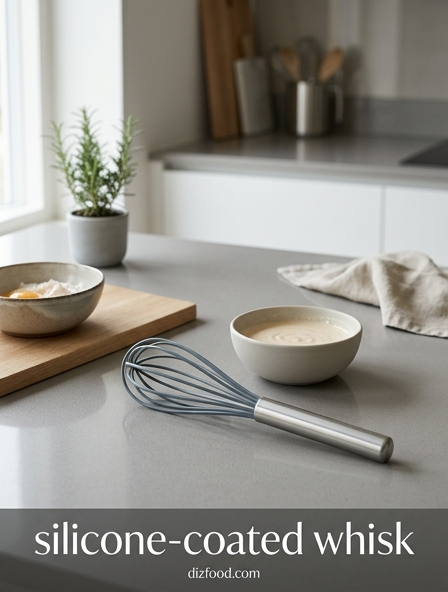
Chefs prefer the tactile feedback provided by steel's tension. Unlike silicone-coated wires, which can feel "mushy" or soft, stainless steel offers a crisp response. This allows the cook to feel exactly when the emulsion is beginning to thicken, enabling precise control over the texture. The result is a more stable, velvety sauce achieved in a fraction of the time required by less rigid tools.
Easy Maintenance and Commercial Dishwasher Safety
Cleaning a whisk can be a tedious task, especially when dealing with sticky batters or dried proteins. However, stainless steel whisks are designed for easy maintenance. Most are constructed with sealed handles to prevent water and food debris from entering the interior of the tool, which is a major hygiene advantage. Because the material is so robust, it can be placed in a commercial dishwasher and subjected to high-pressure jets, extreme heat, and harsh detergents without any loss of quality.
Unlike wood-handled tools that can swell and crack, or plastic whisks that can warp in the drying cycle, stainless steel emerges from the dishwasher sterilized and ready for use. The polished surface ensures that even stubborn residues are easily rinsed away. For busy kitchens, the ability to rapidly sanitize tools in a dishwasher is a significant operational advantage. It allows for a faster turnover of equipment during high-pressure service periods, ensuring that a clean whisk is always at hand. This combination of durability and ease of cleaning makes stainless steel the most practical choice for any professional or serious home kitchen.
Versatility Across Cold and Hot Kitchen Stations
A stainless steel whisk is a multi-purpose tool that transitions seamlessly across different areas of the kitchen. From the cold pastry station to the hot sauté line, its performance remains consistent regardless of the environment. In the pastry section, it is used for aerating flour, whipping cream, and tempering chocolate. On the savory side, it is indispensable for smoothing out gravies, emulsifying butter sauces, and beating eggs for omelets. This versatility is unmatched by more specialized tools.
| Station | Application | Requirement |
|---|---|---|
| Pastry | Meringues & Creams | High aeration |
| Sauce | Roux & Gravy | Heat resistance |
| Prep | Dressings & Brines | Acid resistance |
| Garde Manger | Cold Emulsions | Precision tension |
The ability to handle different viscosities and temperatures makes the stainless steel whisk a universal tool. It does not matter if the mixture is a light foam or a heavy custard; the steel wires provide the necessary strength. This versatility reduces the number of specialized tools a kitchen needs to stock, simplifying the inventory and ensuring that every cook has the equipment needed to perform a wide variety of tasks with a single, reliable instrument.
Professional Grade Construction vs Silicone Alternatives
While silicone-coated whisks have gained popularity for use with non-stick pans, they often lack the performance characteristics of professional-grade stainless steel. The main disadvantage of silicone is its inherent flexibility; the soft coating dampens the energy of the whisking motion, making it much harder to achieve high-volume aeration. Furthermore, silicone can eventually peel or tear, exposing the inner metal to moisture and creating a hygiene risk. In contrast, pure stainless steel offers a level of precision and power that silicone simply cannot match.
- Steel provides sharper "cutting" action through liquids.
- Silicone coatings can trap odors and oils over time.
- Stainless steel is safer for high-sugar confectionery work.
- Professional construction features reinforced bolsters for heavy use.
For most chefs, the trade-off of not being able to use the whisk on a delicate non-stick surface is worth the gain in efficiency and durability. Stainless steel whisks are designed for use in stainless steel or copper bowls and pans, where they can work at maximum speed. The rigid construction ensures that the chef's energy is transferred directly into the food, resulting in better textures and faster prep times. Ultimately, for those who value performance and longevity, professional-grade steel remains the superior choice.

Comments