
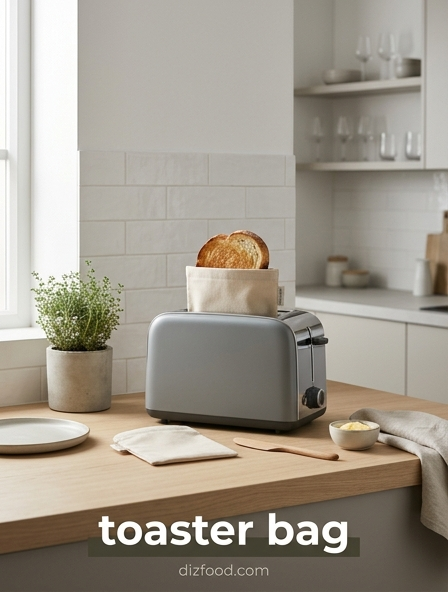
The Secret to Mess Free Grilled Cheese
For decades, the classic grilled cheese sandwich has been a staple of comfort food, yet the cleanup associated with buttered pans and melted cheese residue often discourages a quick snack. The introduction of the toaster bag has revolutionized this process, offering a way to achieve a decadent, gooey interior without the typical kitchen catastrophe. By sliding a fully assembled sandwich into a heat-resistant pouch, you eliminate the risk of cheese dripping into the heating elements of your toaster. This method creates a contained environment where the heat is distributed evenly across the bread's surface.
The beauty of this secret lies in its simplicity. You no longer need to stand over a stove flipping bread or scrubbing a heavy skillet afterward. The bag acts as a protective sleeve, catching every drop of overflow while allowing the bread to reach a golden-brown hue. Whether you are using traditional cheddar or a more experimental brie and apple combination, the mess is confined entirely within the nonstick interior of the bag. This allows for a stress-free cooking experience that is perfect for busy professionals or students looking for a high-quality meal with zero cleanup time.
Benefits of Using Reusable Toaster Bags
Switching to reusable toaster bags offers a multitude of advantages for the modern home cook. Beyond the obvious convenience of making sandwiches, these tools are highly versatile and eco-friendly. Unlike parchment paper or aluminum foil, a single high-quality toaster bag can be used dozens of times, significantly reducing household waste and saving money over time. They are designed to withstand high temperatures while remaining completely food-safe.
- Versatility: Can be used for grilled cheese, reheating pizza, toasting bagels, or even warming up chicken nuggets.
- Portability: Lightweight and flat, making them ideal for travel, camping, or office breakrooms.
- Healthier Cooking: Eliminates the need for excess butter or oil to prevent sticking on a traditional pan.
- Allergen Safety: Provides a barrier against cross-contamination in shared toasters, which is essential for gluten-free diets.
- Durability: Made from high-quality PTFE-coated fiberglass that maintains its integrity over repeated uses.
By integrating these bags into your daily routine, you streamline your breakfast and lunch preparation while maintaining a cleaner kitchen environment. They are an essential tool for anyone valuing efficiency and sustainability.
Step by Step Toaster Bag Instructions
Using a toaster bag is incredibly straightforward, but following a specific set of steps ensures the best culinary results and extends the life of the product. Proper preparation of the sandwich and correct placement within the appliance are key factors in achieving that perfect toast. It is important to remember that while the bags are heat resistant, they should still be handled with care to avoid burns or damage to the material.
- Prepare Your Sandwich: Assemble your sandwich with your favorite fillings. Ensure the ingredients are tucked neatly between the bread slices to prevent bunching.
- Insert into Bag: Carefully slide the sandwich into the toaster bag. Avoid overstuffing, as this can cause the bag to tear or prevent it from fitting into the toaster slot.
- Load the Toaster: Place the bag into a standard toaster slot with the opening facing upward.
- Set the Timer: Adjust your toaster to a medium-high setting. You may need to experiment to find the ideal duration for your specific bread type.
- Remove Carefully: Once the cycle finishes, let it sit for a few seconds. Use wooden tongs or heat-safe gloves to lift the bag out, as it will be very hot.
- Slide and Serve: Slide the sandwich out onto a plate and enjoy your hot meal.
Achieving Maximum Bread Crispiness
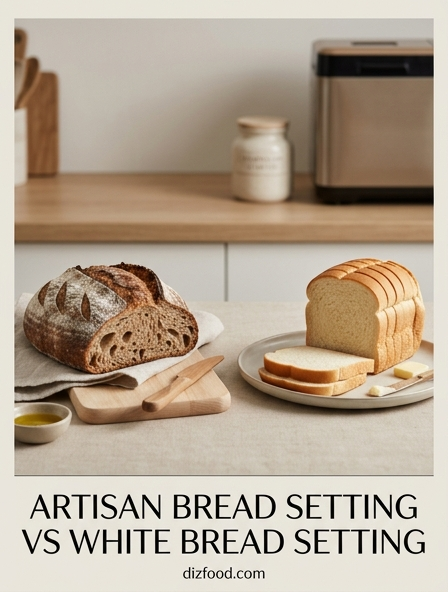
One common concern when using a toaster bag is whether the bread will achieve the same level of crispiness as it would in a traditional frying pan. While the bag creates a localized steaming effect that melts the cheese perfectly, you can still achieve a crunch by adjusting your technique. The type of bread you choose plays a significant role in the final texture. Sourdough and crusty artisan breads tend to hold up better and develop a more robust crunch than thin, processed white bread. Additionally, ensuring that the bread is not overly moist before insertion will help the exterior toast more effectively.
To maximize the crisp factor, consider lightly toasting the bread for thirty seconds before assembling the sandwich and placing it in the bag. This removes excess moisture from the surface. Furthermore, once the toaster cycle is complete, allow the bag to stand upright for a minute before removing the sandwich. This brief cooling period allows the steam to dissipate slightly, which firms up the outer layer of the bread. By balancing the heat setting and the resting time, you can enjoy a sandwich that is perfectly melted on the inside and satisfyingly crunchy on the outside.
Cleaning and Reusing Your Toaster Bag
Maintenance is a critical aspect of owning toaster bags, as it ensures food hygiene and prolongs the product's lifespan. Fortunately, the nonstick nature of the PTFE coating makes cleaning remarkably easy. Most high-quality bags are designed to be used up to 50 or even 100 times if cared for properly. After use, the bag will likely have some cheese residue or crumbs inside. It is vital to clean the bag after every use to prevent old food particles from burning during the next cooking cycle.
You can clean your toaster bag using two primary methods. For a quick manual clean, simply wash it in warm, soapy water with a soft sponge. Avoid using abrasive scrubbers or metallic pads, as these can scratch the nonstick surface. Alternatively, most bags are top-rack dishwasher safe. To ensure a thorough clean in the dishwasher, place the bag over one of the tines so that it remains open and water can circulate inside. Once washed, let the bag air dry completely by standing it upright on a drying rack. Never fold the bag while it is wet or store it in a way that creates sharp creases, as this can weaken the fiberglass mesh.
Comparing Toaster Bags to Skillet Cooking
When deciding how to prepare a hot sandwich, many home cooks weigh the traditional skillet method against the modern toaster bag approach. Each method offers distinct advantages depending on the desired outcome and available time. While a skillet allows for a more "fried" flavor due to the direct contact with butter, toaster bags provide an unmatched level of speed and convenience. The comparison below highlights the key differences between these two popular cooking techniques.
| Feature | Toaster Bag | Traditional Skillet |
|---|---|---|
| Prep Time | Under 1 minute | 3-5 minutes (heating pan) |
| Cleanup | Minimal (rinse bag) | High (wash pan and stove) |
| Fat Content | Low (no oil needed) | High (requires butter/oil) |
| Supervision | None required | Constant (must flip) |
| Portability | Excellent | Poor |
Ultimately, the toaster bag is the superior choice for those looking for a healthy, fast, and mess-free alternative, whereas the skillet remains the go-to for those prioritizing a specific buttery texture over convenience.
Nonstick Technology for Perfect Sandwiches
The magic behind the toaster bag's performance lies in advanced material science. These bags are typically constructed from a fine fiberglass mesh coated with Polytetrafluoroethylene (PTFE), commonly known by the brand name Teflon. This combination provides two essential properties: high heat resistance and an exceptionally smooth, nonstick surface. The fiberglass provides the structural integrity needed to withstand the intense radiant heat of a toaster's filaments, while the PTFE ensures that even the stickiest cheeses or sauces slide right off without leaving a trace. This technology allows for the creation of complex sandwiches that would otherwise be impossible to make in a vertical toaster.
Furthermore, this nonstick technology promotes healthier eating habits. In a traditional pan, a significant amount of butter or margarine is required to prevent the bread from tearing or sticking. With a toaster bag, the heat is transferred through the material to toast the bread naturally. You can achieve a beautiful golden finish using the natural oils in the bread or a very light spray, drastically reducing the caloric density of your meal. This makes the toaster bag not just a tool for convenience, but also a valuable asset for those monitoring their fat intake while still wanting to enjoy warm, toasted delicacies.
Essential Safety and Heat Resistance Tips
While toaster bags are designed for safety, using them correctly is paramount to preventing kitchen accidents. These bags are generally rated for temperatures up to 500 degrees Fahrenheit, which is well within the operating range of most standard toasters. However, they should never be exposed to an open flame or placed in a toaster that is malfunctioning. It is also crucial to inspect your bags regularly for any signs of wear, such as fraying edges or thinning of the nonstick coating. If a bag becomes compromised, it should be discarded immediately to avoid any risk of the fiberglass mesh becoming exposed.
- Size Matters: Ensure the bag fits loosely in the toaster slot; forcing a large bag into a small slot can cause a fire hazard.
- Avoid Sharp Objects: Never use metal forks or knives to retrieve the bag, as this can puncture the material.
- Heat Handling: The bag will be extremely hot immediately after the toaster pops up; always wait a few seconds before touching it.
- Stay Present: Never leave a toaster unattended while in use, even when using a bag.
- Proper Storage: Store bags flat to prevent creases that can lead to heat-spot failures.
Time Saving Kitchen Hacks for Toasting
The utility of toaster bags extends far beyond the realm of grilled cheese, making them one of the most versatile time-saving hacks in a modern kitchen. For those who enjoy leftovers, these bags are a game-changer for reheating pizza slices. Instead of the microwave, which often leaves the crust rubbery, or the oven, which takes too long to preheat, a toaster bag allows you to crisp the bottom of the pizza while melting the toppings in under three minutes. This makes it an ideal solution for a quick lunch or a late-night snack when time is of the essence.
Beyond pizza, toaster bags can be used to warm up pastries like croissants or pain au chocolat without making them greasy or flat. They are also excellent for heating up frozen snacks such as fish sticks or chicken strips, providing a much crunchier texture than a microwave could ever achieve. For busy parents, this means a hot snack can be ready for children in the time it takes to set the table. By thinking outside the box, you can use these bags to revitalize almost any dry food item that benefits from quick, direct heat, effectively turning your simple toaster into a high-speed mini-oven.
Preventing Cross Contamination and Crumbs
One of the most overlooked benefits of toaster bags is their role in maintaining food purity and kitchen cleanliness. In households with mixed dietary requirements, such as those where one person has a severe gluten allergy and another does not, the toaster is often a source of dangerous cross-contamination. Crumbs from wheat bread can linger in the bottom of the appliance for weeks. By using a dedicated toaster bag for gluten-free items, you create a completely sealed environment that prevents any contact with contaminated surfaces. This provides peace of mind for those with Celiac disease or gluten sensitivities.
In addition to allergen safety, these bags serve as a shield against the buildup of crumbs in the toaster's crumb tray. Over time, accumulated crumbs can become a fire hazard as they are repeatedly heated. By containing all fragments within the bag, you keep your appliance pristine and significantly reduce the frequency of deep-cleaning your toaster. This is particularly useful in shared environments like office kitchens or college dormitories, where many different people use the same equipment. The bag ensures that your food remains pure and your kitchen stays clean with virtually no extra effort required.

Comments