
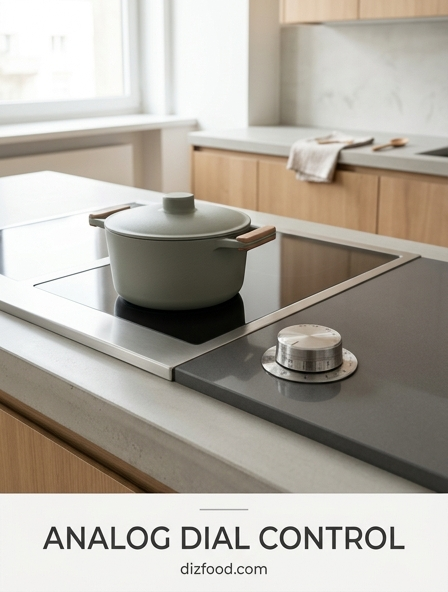
Tactile Feedback in Traditional Toasters
The tactile sensation of an analog dial on a traditional toaster provides a level of sensory feedback that digital touchpads cannot replicate. When a user turns a physical knob, they feel the subtle resistance of the internal spring and the distinct "click" as the dial passes through different browning levels. This physical response informs the cook exactly how much they have adjusted the heat without needing to look directly at the interface. This sensory loop creates a more engaged cooking experience, allowing for micro-adjustments based on the physical tension felt in the fingers.
- Notched increments for precise browning control.
- Audible clicks that confirm the selection is locked.
- Resistance levels that indicate the age and condition of the spring.
- Immediate physical response regardless of kitchen moisture.
In a high-heat environment like a kitchen, where hands may be damp or covered in flour, the tactile grip of a physical dial ensures that the toaster remains functional. Unlike capacitive screens that struggle with wet fingertips, the analog dial relies on mechanical force, making it a reliable staple in any culinary setting.
The Durability of Analog Knobs
Analog knobs are engineered to withstand the rigorous conditions of a busy kitchen, including extreme temperature fluctuations and high humidity. Unlike digital displays that contain sensitive liquid crystals and fragile circuit boards, a mechanical knob is typically a solid piece of plastic or metal connected to a heavy-duty potentiometer or cam. This simplicity makes them nearly immune to the common failures that plague modern appliances, such as software glitches or pixel burnout.
| Component | Analog Durability | Digital Durability |
|---|---|---|
| Control Interface | High; solid mechanical part. | Low; prone to glass cracks. |
| Heat Resistance | Excellent; isolated components. | Poor; electronics degrade. |
| Repairability | Simple; modular parts. | Difficult; requires board swap. |
Because analog controls do not rely on complex operating systems, they provide a "forever" functionality. A knob designed in the 1970s operates with the same efficiency today as it did fifty years ago. This longevity reduces electronic waste and ensures that the appliance remains a dependable tool for generations of home cooks.
Muscle Memory and Kitchen Speed
In the heat of preparing a large meal, speed and efficiency are paramount. Analog dials leverage muscle memory, allowing a chef to adjust settings without breaking focus from the stovetop or cutting board. Once a user becomes familiar with the physical position of a dial, they can reach out and adjust the toaster or oven temperature by feel alone. This "blind" operation is impossible with digital screens that require visual navigation through menus or precise tapping on flat surfaces.
The spatial orientation of a dial provides an instant reference point. For example, a dial turned halfway always represents a medium setting. This consistency allows for rapid-fire adjustments during complex recipes. By removing the need for visual confirmation, analog interfaces streamline the workflow, turning the appliance into a natural extension of the cook's hand. This efficiency is why professional kitchens often prefer heavy-duty knobs over sleek digital panels, as every second saved contributes to a smoother service and better-timed results.
Reliability of Mechanical Toasting Levers
The mechanical lever of a toaster is a masterpiece of simple engineering. It performs three critical functions simultaneously: lowering the bread into the heating chamber, locking the carriage in place, and activating the electrical circuit. This triple-action mechanism relies on gravity, springs, and a magnetic latch rather than complex sensors or motorized elevators. The sheer reliability of this setup ensures that even if the power flickers, the mechanical components remain in their intended state.
- Manual depression creates physical tension in the main spring.
- The latching hook engages with a simple solenoid or heat-sensitive plate.
- The downward motion physically closes the copper contacts to start the heating process.
- Upon completion, the release of tension pops the toast up instantly.
This sequence is robust and predictable. If a mechanical lever fails, it is usually due to a visible physical obstruction that can be easily cleared, whereas a motorized digital failure often requires a total replacement of the unit's internal logic controller.
Intuitive Design Without Digital Friction
Digital friction refers to the unnecessary steps or cognitive load required to complete a task. In the kitchen, an analog dial eliminates this friction by offering a 1:1 relationship between input and output. There are no "confirm" buttons, no sub-menus, and no software updates to navigate. This intuitive nature makes analog appliances accessible to everyone, from young children learning to cook to elderly individuals who may find complex digital interfaces frustrating or difficult to read.
The universal language of the dial-clockwise for more, counter-clockwise for less-is understood across all cultures and age groups. This simplicity fosters a sense of confidence in the user. When you turn a dial, the change is instantaneous and visible. There is no lag between a finger press and a digit changing on a screen. This immediacy is vital when dealing with high temperatures, where a three-second delay in navigating a digital menu could mean the difference between a perfectly toasted bagel and a charred remnant.
Why Analog Interfaces Outlast Screens
Kitchen appliances are subjected to some of the harshest environments in a home, characterized by airborne grease, steam, and intense radiant heat. Digital screens, particularly LCD and OLED panels, are highly susceptible to these elements. Over time, heat causes the adhesive in screens to delaminate, and moisture can seep behind the glass, causing short circuits. Analog dials, conversely, use robust mechanical connections that are far more resilient to environmental degradation.
The internal components of an analog control, such as copper wipers and carbon tracks, are designed for thousands of rotations. Even as these parts wear, they often continue to function with slightly reduced precision, whereas a digital failure is usually binary-the screen either works or it is completely dead. Furthermore, analog controls do not suffer from "planned obsolescence" driven by software. A mechanical toaster does not require a Wi-Fi connection or a firmware patch to continue browning bread, ensuring that the hardware remains functional for decades rather than just a few years of a software support cycle.
Sensory Connection to Cooking Tasks
Cooking is a multi-sensory activity, and the tools used should reflect that. An analog dial engages the sense of touch and sound in a way that flat glass panels cannot. The physical "thunk" of a lever and the rhythmic ticking of a mechanical timer provide a comforting soundtrack to the kitchen. These sounds serve as peripheral cues, allowing the cook to monitor the progress of their food while performing other tasks. A mechanical bell at the end of a cycle is often more piercing and easier to hear over the sound of a range hood than a digital beep.
- The vibration of the timer indicates active operation.
- The angle of the knob provides a visual "at-a-glance" status report.
- The weight of the control suggests the quality and power of the machine.
This sensory connection builds a deeper relationship between the cook and their equipment. It transforms an appliance from a cold piece of technology into a responsive tool that reacts to the user's physical input with satisfying mechanical precision.
Predictable Results with Simple Dials
Consistency is the hallmark of a great kitchen tool. Analog dials provide a level of predictability that is often lost in the "smart" features of modern appliances. When a dial is set to a specific notch, it stays there. There is no risk of a touch-sensitive slider being bumped or a software algorithm deciding to "optimize" the heat based on ambient humidity. This manual control allows the user to calibrate their own experience over time.
Many experienced cooks prefer dials because they can make minute adjustments that feel more "analog" than "digital." Instead of choosing between level 3 and level 4, a user can position the dial exactly halfway between the two. This "in-between" setting offers a granularity of control that many digital systems, which move in fixed increments, simply do not allow. By mastering the specific quirks of a physical dial, a cook can achieve identical results every single time, turning the toaster into a highly specialized instrument for the perfect breakfast.
The Satisfaction of Mechanical Control
There is an inherent psychological satisfaction in operating a well-made mechanical device. The "heft" of a metal knob and the smooth, dampened rotation of a high-quality dial provide a sense of luxury and permanence. This is often referred to as "perceived quality," where the physical interaction with the device reinforces the user's belief in its efficacy. In an increasingly digital world, these mechanical interactions offer a grounded, tactile break from the ethereal nature of smartphone screens and apps.
This satisfaction extends to the end of the cooking process. The forceful "pop" of a spring-loaded toaster lever provides a definitive conclusion to the task. It is a physical exclamation point that signals the food is ready. This is far more rewarding than a digital screen simply displaying "Ready" or a soft electronic chime. The mechanical nature of the control makes the user feel like they are truly in command of the elements, physically harnessing electricity and heat to prepare their meal, which enhances the overall joy of the culinary process.
Minimalist Engineering for Maximum Longevity
The philosophy of minimalist engineering suggests that the fewer parts a machine has, the fewer things there are to break. Analog kitchen controls embody this principle by utilizing basic physics rather than complex electronics. By avoiding microchips, capacitors, and voltage regulators, analog appliances bypass the most common points of failure in modern hardware. This leads to a significantly longer product lifecycle, often spanning decades rather than years.
| Feature | Minimalist Analog | Complex Digital |
|---|---|---|
| Failure Points | Springs, Contacts, Cams | CPUs, Sensors, LEDs, Software |
| Power Usage | Zero (idle) | Constant (standby) |
| User Repair | High (standard tools) | Low (specialized equipment) |
Minimalist engineering also means the appliance is easier to maintain. Cleaning a physical knob is straightforward, and the lack of delicate sensors means the device is less sensitive to crumbs or spills. This ruggedness makes analog controls the superior choice for those who value longevity and reliability over flashy, short-lived features.


Comments