
Preserving Texture in Handcrafted Loaves
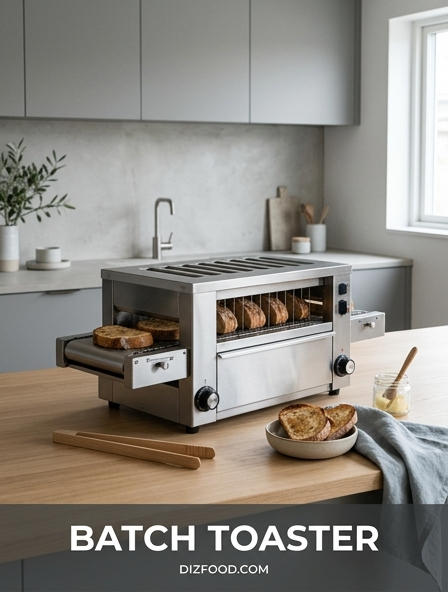
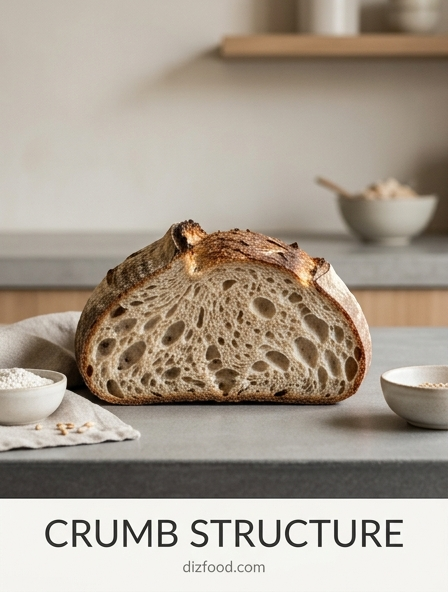
Handcrafted artisan loaves are characterized by their unique hydration levels and delicate crumb structures. When utilizing a batch toaster, the primary objective is to achieve a crisp exterior without compromising the internal integrity of the bread. Unlike standard commercial units that may apply uneven pressure or heat, high-end batch toasters use radiant heat technology to penetrate the surface evenly. This ensures that the airy pockets within a baguette or ciabatta remain soft and moist, providing a stark contrast to the crunch of the crust.
- Infrared heating elements for deep penetration.
- Adjustable conveyor height to prevent crushing thick slices.
- Variable speed settings to control moisture evaporation.
Preserving these textures is essential for premium sandwich service where the mouthfeel of the bread is as important as the fillings. By fine-tuning the heat intensity, chefs can guarantee that every handcrafted slice maintains its structural characteristics, from the first order of the morning to the final rush of the evening. This level of control is what separates basic toasted bread from a gourmet culinary component.
Consistent Results for High Volume Service
In a high-volume kitchen environment, consistency is the hallmark of professional service. A batch toaster provides a level of repeatability that manual pop-up toasters or oven broiling simply cannot match. By utilizing a continuous feed system, the equipment ensures that every slice of bread is exposed to the exact same thermal conditions for the exact same duration. This eliminates the risk of human error and reduces food waste significantly.
| Feature | Benefit |
|---|---|
| Digital Thermostats | Maintains exact temperature despite room fluctuations. |
| Conveyor Timing | Ensures uniform exposure for every batch. |
| Load Sensing | Adjusts power to compensate for cold bread slices. |
For large-scale operations like hotel breakfast buffets or busy brunch spots, the ability to produce hundreds of identical slices per hour is indispensable. Kitchen staff can focus on plating and garnishing rather than hovering over a toaster to check for burning. This reliability builds customer trust, as patrons receive the same quality of product regardless of how busy the kitchen becomes during peak service periods.
Precision Heating for Dense Sourdough Slices
Dense breads, particularly sourdough, present a unique challenge in the kitchen due to their high acidity and tightly packed crumb. These slices require more than just surface heat; they need precision thermal application to warm the center without charring the edges. A batch toaster handles this through sophisticated heat zoning, where the intensity can be adjusted for the top and bottom independently. This allows for a deep, resonant toast that brings out the fermented notes of the sourdough.
- Pre-heat the chamber to a stable base temperature.
- Set the conveyor speed to allow for longer dwell times.
- Utilize the top-heat boost for a localized sear on the crust.
When dealing with the varying thickness of hand-cut sourdough, the precision of a batch toaster ensures that the moisture trapped within the dense dough is converted into steam, slightly softening the interior while the outside becomes golden and brittle. This process enhances the natural flavors of the wild yeast, making the toast a standout element of the dish rather than a mere side thought.
Streamlining Specialty Sandwich Production
Specialty sandwiches often involve complex assemblies that require components to be ready at the same moment to ensure heat retention. A batch toaster streamlines this workflow by allowing multiple slices of different bread types-such as marble rye, brioche, and focaccia-to be processed in quick succession. This throughput capacity is vital for assembly lines where timing is the difference between a hot, melty sandwich and a lukewarm disappointment. The wide entry ports of modern batch toasters accommodate various shapes and sizes, making them versatile tools for diverse menus.
By automating the toasting phase, the kitchen can reorganize its labor to focus on high-value tasks like protein preparation and sauce application. The machine acts as a reliable pacemaker for the sandwich station, delivering perfectly browned bread at a predictable cadence. This synchronization minimizes the time bread spends sitting on a prep table, preserving its warmth and texture until it reaches the guest's plate. In an industry where speed and quality must coexist, the batch toaster is an essential driver of operational efficiency.
Enhancing the Maillard Reaction in Artisan Crusts
The Maillard reaction is the chemical interaction between amino acids and reducing sugars that gives toasted bread its savory, complex flavor profile. In artisan breads, which often contain higher quality grains and natural sugars, maximizing this reaction is key to a superior flavor. Batch toasters are designed to provide the specific temperature range required to trigger this browning without reaching the point of carbonization. The controlled environment inside the toasting chamber promotes a uniform caramelization that covers the entire surface of the crust.
Artisan crusts, which can be thick and resistant to heat, benefit from the consistent radiant energy of a conveyor system. This ensures that the deep browns and golden hues are not just on the high points of the bread but also in the nooks and crannies. This visual appeal is directly linked to the taste; a well-executed Maillard reaction provides a nutty, toasted aroma that enhances the overall sensory experience. For chefs who pride themselves on the quality of their ingredients, a batch toaster is the final step in unlocking the full potential of a premium loaf of bread.
Uniform Browning Across Diverse Bread Types
Modern menus often feature a wide array of bread options, from gluten-free varieties to enriched doughs like brioche. Each of these reacts differently to heat; for instance, high-sugar breads brown much faster than lean doughs. A batch toaster offers the flexibility to manage these diverse requirements through granular control settings. By adjusting the belt speed, operators can ensure that a delicate slice of gluten-free bread receives the quick flash of heat it needs, while a hearty multi-grain slice can take the longer path required for full browning.
- Brioche: Requires high speed to prevent sugar scorching.
- Rye: Needs moderate heat to penetrate dense fibers.
- Whole Wheat: Benefits from steady, even radiant warmth.
This uniformity is critical for maintaining the visual standards of a brand. Whether a customer orders a simple side of toast or a complex club sandwich, the expectations for color and crunch remain the same. The ability to switch between presets allows the kitchen to transition from breakfast service to lunch without missing a beat, ensuring every guest receives a perfectly toasted product regardless of their bread choice.
Optimizing Kitchen Workflow During Peak Hours
During the busiest periods of kitchen service, every second saved translates to higher guest satisfaction and increased turnover. A batch toaster optimizes workflow by removing the manual monitoring associated with traditional toasting methods. Instead of a line cook checking a toaster every thirty seconds, they can simply feed slices into the conveyor and move on to other tasks. This "set and forget" functionality is a major advantage in high-pressure environments where multitasking is mandatory.
- Continuous loading reduces idle time for staff.
- Automatic discharge allows for seamless plating.
- High throughput prevents bottlenecks at the toast station.
The layout of a kitchen can also benefit from the compact footprint of a high-capacity batch toaster. By replacing multiple smaller units with one efficient conveyor system, kitchens can reclaim valuable counter space. This leads to a more organized environment where movement is minimized and productivity is maximized. When the "weeds" hit, having a reliable machine that keeps the bread moving ensures that the rest of the kitchen can maintain its rhythm without interruption.
Maintaining Moisture Balance in Thick Cut Slices
Thick-cut bread, such as Texas toast or hand-sliced Pullman loaves, often suffers from drying out before it reaches the desired level of browning. A batch toaster solves this by utilizing high-intensity heat that sears the exterior quickly, creating a protective barrier. This barrier traps the internal moisture, ensuring that the center of the slice remains soft and pillowy. This balance between a crunchy shell and a tender interior is the hallmark of professional toasting.
The speed of the conveyor belt plays a vital role in this moisture management. By moving the bread through a high-heat zone rapidly, the machine prevents the deep evaporation that occurs in slower, lower-temperature ovens. For dishes like French toast or avocado toast, where the quality of the bread base is paramount, this moisture retention is essential. It ensures that the bread doesn't become brittle or difficult to chew, providing a luxurious eating experience that highlights the quality of the bake. Achieving this consistently is only possible through the precise timing and temperature controls found in commercial batch toasting equipment.
Scalable Toasting for Gourmet Menu Expansion
As a culinary business grows, its equipment must be able to scale alongside its ambitions. A batch toaster is an investment in that future growth, providing the capacity to handle menu expansions that include toasted sandwiches, specialty burgers, and elaborate breakfast platters. When a kitchen introduces a new gourmet item, the toaster's programmable settings allow for easy testing and standardization. This ensures that the new menu item can be executed perfectly by any member of the staff, maintaining quality as the volume of orders increases.
| Stage | Equipment Adaptation |
|---|---|
| Expansion | Increase belt speed for higher volume. |
| Diversification | Use independent heat controls for new bread types. |
| Standardization | Program presets for consistent staff execution. |
Scalability also refers to the machine's ability to handle the "rush" without degrading performance. Unlike domestic or light-duty equipment that may struggle with heat recovery, a commercial batch toaster is built to maintain its operating temperature indefinitely. This makes it a reliable partner for businesses looking to move from small-scale operations to high-capacity gourmet service.
Reliable Performance for High Capacity Kitchens
Reliability is the most critical factor for equipment in a high-capacity kitchen. A batch toaster is designed for the rigors of 24/7 operation, utilizing heavy-duty components that withstand constant heat and mechanical movement. Stainless steel construction and industrial-grade motors ensure that the unit remains operational even under the most demanding conditions. This durability reduces the long-term cost of ownership by minimizing repairs and avoiding the downtime that can cripple a busy service.
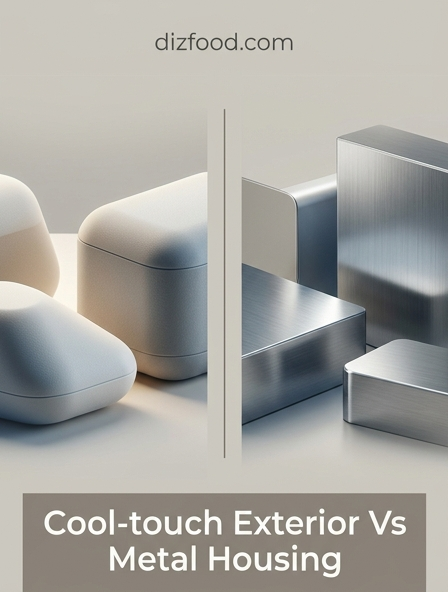
Maintenance is also streamlined in professional-grade batch toasters. Features such as easily removable crumb trays, accessible heating elements, and "cool-touch" exteriors make daily cleaning and routine checks simple for the staff. This ease of care ensures that the machine continues to operate at peak efficiency, preventing the buildup of carbon or debris that can affect the flavor of the bread. In the high-stakes environment of commercial food service, having a piece of equipment that is as hardworking as the kitchen staff is essential for maintaining smooth operations and consistent profit margins.

Comments