
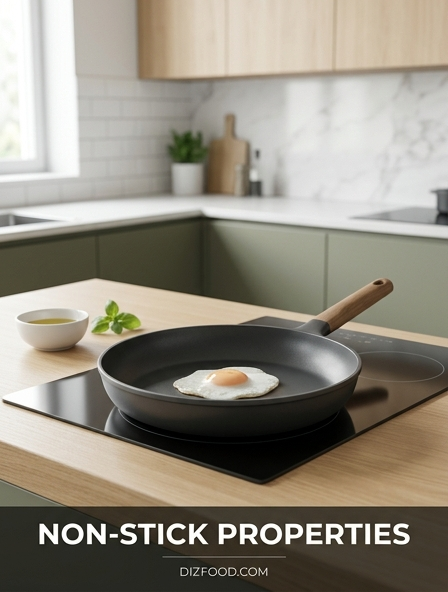
Benefits of Chemical Free Non-Stick Surfaces
Choosing chemical-free non-stick surfaces, such as ceramic-coated pans or seasoned cast iron, provides a significantly safer environment for modern home cooking. Unlike traditional synthetic coatings, these natural alternatives do not release toxic fumes or perfluorooctanoic acid (PFOA) when exposed to high heat. This is particularly vital for health-conscious individuals who want to avoid the potential risks associated with long-term chemical exposure. Beyond health advantages, chemical-free surfaces are often more environmentally friendly, as their production avoids harsh industrial pollutants. These materials are also incredibly versatile, allowing for searing, sautéing, and even baking without the fear of damaging a delicate plastic-based film. By investing in high-quality natural cookware, you ensure that your meals remain pure and free from unwanted residues that can leach from deteriorating coatings over time.
- Superior safety at high cooking temperatures
- No off-gassing of volatile organic compounds
- Environmentally sustainable manufacturing processes
- Enhanced durability compared to thin synthetic liners
- Safe for use with a wider variety of kitchen tools
Understanding Natural Seasoning for Easy Cooking
Natural seasoning is the process of creating a slick, polymerised layer of oil on the surface of metals like cast iron or carbon steel. This layer acts as a functional non-stick barrier that improves with every use. Unlike factory-applied coatings that eventually peel or flake, natural seasoning is renewable and can be restored if the surface becomes damaged. Achieving a perfect seasoning requires a combination of high heat and the right type of unsaturated fats, which bond to the metal through a chemical reaction called polymerization. Once established, this dark, glossy finish allows delicate items like eggs or fish to slide off the pan with ease. Understanding how to maintain this layer is the secret to professional-grade cooking at home.
- Clean the cookware thoroughly and dry it completely.
- Apply a very thin layer of high-smoke-point oil.
- Heat the pan until the oil begins to smoke slightly.
- Allow the pan to cool naturally to set the bond.
- Repeat the process to build a thicker, smoother surface.
Achieving the Perfect Toast with Cast Iron
The secret to achieving a restaurant-quality toast lies in the incredible thermal mass of cast iron. Unlike thin aluminum pans that lose heat the moment cold bread touches them, cast iron maintains a steady, intense temperature that facilitates the Maillard reaction. This reaction is responsible for the deep golden-brown color and complex flavors found in perfectly toasted sourdough or brioche. Because of the naturally seasoned surface, the bread does not stick, even if you use minimal butter. The heat radiates evenly across the entire surface of the pan, ensuring that the edges of the bread are just as crisp as the center. Furthermore, the heavy lid of a Dutch oven or a weighted press can be used in conjunction with the skillet to create a uniform crunch. This method transforms a simple piece of toast into a gourmet experience, highlighting the texture of the grain while maintaining a soft, pillowy interior that remains protected from the direct, harsh heat of an electric toaster.
Reducing Cooking Oil for Heart Healthy Meals
Utilizing cookware with naturally slick properties is one of the most effective ways to reduce the amount of added fats in your daily diet. Traditional stainless steel often requires a significant amount of butter or oil to prevent food from tearing, but a well-seasoned or ceramic surface allows for "dry" or low-fat cooking. This reduction in oil significantly lowers the caloric density of meals and reduces the intake of saturated fats, contributing to better cardiovascular health. Many home cooks find that they only need a small brush of oil to achieve excellent results, rather than the heavy pours required by older kitchenware. This transition not only benefits the heart but also allows the true flavors of the ingredients to shine through without being masked by greasy residues.
| Food Item | Standard Pan Oil | Seasoned Surface Oil |
|---|---|---|
| Fried Egg | 1 Tablespoon | 1 Teaspoon |
| Sautéed Vegetables | 2 Tablespoons | 0.5 Tablespoon |
| Grilled Sourdough | 1.5 Tablespoons | Minimal brush |
The Durability of Carbon Steel in the Kitchen
Carbon steel is often considered the "bridge" between stainless steel and cast iron, offering the best of both worlds regarding durability and non-stick performance. While it is much lighter and more responsive to temperature changes than cast iron, it still develops a natural patina over time that makes it incredibly slick. This material is a favorite in professional kitchens because it can withstand extreme heat without warping or degrading. Unlike pans with chemical coatings that must be replaced every few years, a carbon steel pan can literally last for generations if cared for properly. Its ability to transition from the stovetop to the oven makes it an essential tool for those who value longevity and performance. The surface is tough enough for metal spatulas and high-heat searing, making it a rugged, reliable choice for daily use.
- High heat tolerance for professional searing
- Lighter weight for easier pan tossing and flipping
- Rapid temperature response for precision cooking
- Indestructible build that lasts a lifetime
- Develops a superior natural non-stick patina
Eco Friendly Materials for Daily Toasting Needs
In an era where sustainability is paramount, choosing kitchen materials that do not contribute to landfill waste is essential. Traditional non-stick pans are often discarded within two to five years as their coatings fail, leading to a constant cycle of consumption and waste. In contrast, eco-friendly materials like cast iron, carbon steel, and high-quality ceramic are designed for the long haul. These materials are often sourced from abundant natural elements and do not require the energy-intensive chemical syntheses associated with fluoropolymers. Furthermore, since these items do not leach chemicals into the air or water during the manufacturing process, they represent a significantly smaller ecological footprint. Even the process of toasting bread on a stovetop using these materials can be more energy-efficient than using a dedicated electric toaster, especially when using the residual heat of the pan for multiple batches. Investing in these materials supports a circular economy focused on quality and permanence.
Effortless Cleanup with Naturally Slick Cookware
One of the primary reasons people choose non-stick surfaces is the ease of cleanup, and naturally slick cookware delivers this without the need for harsh detergents. When a pan is properly seasoned or made of high-quality ceramic, food particles simply do not bond strongly to the surface. In most cases, a simple rinse with warm water and a gentle wipe with a soft cloth or brush is all that is required to restore the pan to a pristine state. This eliminates the need for vigorous scrubbing or the use of abrasive scouring pads that can damage kitchen equipment. By avoiding soap on seasoned surfaces, you preserve the protective oil layer, making the next cooking session even easier. The efficiency of this cleanup process saves both time and water, making it a practical choice for busy households.
- Wait for the pan to cool slightly to avoid thermal shock.
- Rinse with warm water to loosen any remaining debris.
- Use a soft brush or chainmail scrubber for stubborn spots.
- Dry thoroughly on a warm stovetop burner.
- Apply a light coat of oil to maintain the surface.
Heat Distribution Secrets for Even Toasting
Uniform heat distribution is the hallmark of high-quality cookware and the key to preventing "hot spots" that burn bread while leaving the edges raw. Materials like cast iron and heavy-gauge carbon steel excel at this because they conduct and hold heat with incredible efficiency. When heat is distributed evenly across the base of the pan, the air trapped between the bread and the surface is heated consistently, creating an even golden crust. This is particularly important when toasting larger items like artisan loaves or thick sandwiches. Unlike thin pans that vibrate with heat fluctuations from the burner, heavy-bottomed pans act as a heat reservoir, smoothing out the peaks and valleys of a gas or electric flame. This stability allows for a slower, more controlled toast that develops better texture and ensures that every bite has the same level of crunch and warmth.
Transitioning to Non Toxic Kitchen Essentials
Moving away from traditional non-stick cookware toward non-toxic essentials is a rewarding transition that improves both the quality of your food and the safety of your home. The process usually begins with identifying the most used pans in the kitchen and replacing them with sustainable alternatives like seasoned iron or ceramic. While there is a slight learning curve involved in managing heat and maintaining seasoning, the results are well worth the effort. New users often find that food tastes cleaner and that the pans themselves become more "personalized" over time as the patina develops. It is an investment in health that pays off through the elimination of synthetic residues in the diet. Transitioning also encourages better cooking techniques, such as proper preheating, which is a fundamental skill for any aspiring chef.
- Identify and phase out peeling synthetic pans
- Invest in one versatile cast iron or carbon steel skillet
- Learn the basics of temperature control and preheating
- Switch to gentle, non-abrasive cleaning tools
- Adopt a routine of light oiling after every use
Preserving Flavor Through Natural Surface Release
The interaction between food and the cooking surface plays a crucial role in flavor development. Naturally slick surfaces allow for a specific type of contact that promotes browning without tearing the delicate fibers of the food. When bread is toasted on a seasoned surface, it picks up subtle nuances of flavor that are impossible to achieve in a plastic-lined toaster or a chemically coated pan. There is no metallic or "burnt plastic" aftertaste, only the pure aroma of the grain and the light fats used for cooking. This natural release also allows for the formation of a light "fond" or caramelized bits that can be incorporated back into the dish. By using materials that release food naturally, you preserve the integrity of the ingredients, ensuring that the final product tastes exactly as intended, with a clean finish and a professional texture that highlights your culinary skills.

Comments