
Achieving a bakery-quality loaf at home is easier than you think when you master the essential balance of moisture and heat. The secret to those soft, pillowy interiors lies in using a high-hydration dough and allowing for a patient fermentation process, which helps the gluten develop a light, airy structure. To get that signature shattering golden crust, introducing steam during the first few minutes of baking is a total game-changer. By focusing on these simple artisanal techniques, you can elevate your homemade bread from basic to professional with very little extra effort. However, your equipment's internal programming also plays a massive role in the final texture, so it is helpful to understand the nuances of the Artisan Bread Setting Vs White Bread Setting to see which cycle best suits your specific recipe.
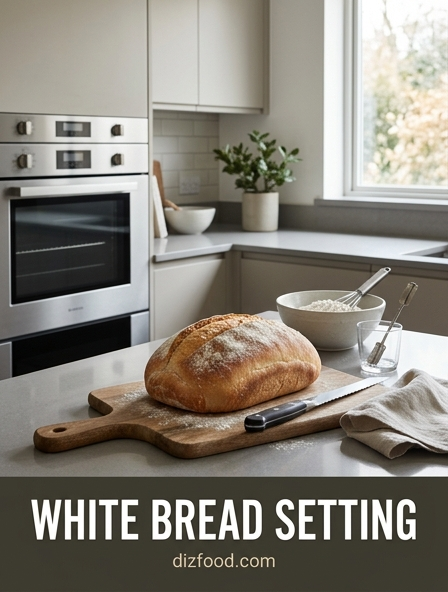
Choosing the Right Flour for Maximum Softness
The foundation of any superior white bread lies in the protein content of the flour. While all-purpose flour is a common kitchen staple, bread flour is often preferred for its higher protein level, typically ranging between 12% and 14%. This extra protein is crucial for developing a strong gluten network that traps carbon dioxide, allowing the loaf to rise significantly and maintain a light, airy structure. However, for those seeking the ultimate "pillowy" texture associated with Japanese milk bread or classic sandwich loaves, a blend of bread flour and a small percentage of pastry flour can lower the overall protein just enough to increase tenderness.
- Bread Flour: Provides high rise and a chewy, professional structure.
- All-Purpose Flour: Results in a softer, more delicate crumb with less chew.
- Pastry Flour: Can be blended in small amounts to further tenderize the loaf.
- Bleached Flour: Often preferred for white bread to ensure a bright, snowy interior.
In addition to protein, the freshness of the flour impacts hydration. Flour that has been sitting in a dry pantry for months may require slightly more liquid to achieve the same dough consistency as a freshly opened bag.
The Role of Fat and Dairy in Dough
Fat and dairy are the primary "tenderizers" in white bread recipes. Unlike lean doughs used for baguettes, white sandwich bread relies on fats to coat the gluten strands, preventing them from becoming too tough or elastic. This process results in a shorter crumb that is easy to bite through. Incorporating milk instead of water adds lactose, a sugar that does not ferment with yeast, leaving behind a subtle sweetness and contributing to a deeper crust color through caramelization.
| Ingredient | Primary Effect on Bread | Typical Usage |
|---|---|---|
| Unsalted Butter | Adds richness and a velvety mouthfeel | 2% - 10% of flour weight |
| Whole Milk | Creates a soft crumb and enhances browning | Replaces 50% - 100% of water |
| Vegetable Oil | Provides lasting moisture and shelf stability | 1 - 2 tablespoons per loaf |
| Milk Powder | Concentrates dairy solids without adding liquid | 2 - 4 tablespoons per loaf |
Using high-fat dairy also improves the nutritional profile of the bread and extends its shelf life by slowing down the staling process, which is common in homemade loaves lacking commercial preservatives.
Perfecting Hydration for a Pillowy Crumb
Hydration is the ratio of liquid to flour in your dough, and it is the single most important factor in determining the density of your white bread. For a standard white loaf, a hydration level between 60% and 65% is generally ideal. If the hydration is too low, the bread will be dense and dry; if it is too high, the dough becomes difficult to handle and may collapse during the baking process. Achieving the perfect balance ensures that the interior remains moist and elastic.
- Measure by weight: Always use a digital scale rather than measuring cups to ensure the ratio is exact.
- Account for humidity: On rainy days, your flour may already hold extra moisture, requiring a slight reduction in added liquid.
- The Autolyse Method: Let the flour and water sit for 20 minutes before adding salt and yeast to jumpstart hydration.
- Check the feel: The dough should be slightly tacky to the touch but should not stick aggressively to your hands.
A well-hydrated dough allows the yeast to move more freely, leading to a more vigorous fermentation and a superior "spring" once the bread hits the hot oven.
Essential Kneading Techniques for Structure
Kneading is the process of aligning gluten proteins into a structured web. For white bread, this structure must be strong enough to support the weight of the fats and sugars added to the dough. While many modern bakers use stand mixers, hand kneading provides a sensory connection to the dough that helps prevent over-processing. Over-kneading can lead to a tough, rubbery loaf, while under-kneading results in a bread that crumbles easily and fails to hold its shape.
- The Windowpane Test: Stretch a small piece of dough; it should become translucent without tearing.
- The Heel of the Hand: Use a rhythmic pushing and folding motion to stretch the fibers.
- Bench Scraping: Use a tool to manage sticky dough without adding excessive amounts of extra flour.
- Machine Speed: Use low settings on a mixer to avoid overheating the dough during the 8-10 minute cycle.
Once the windowpane test is successful, the dough has reached its peak structural integrity. At this stage, it should look smooth, satiny, and bounce back slowly when poked with a finger. Proper kneading ensures the bread will rise vertically rather than spreading horizontally.
Temperature Secrets for Optimal Yeast Activity
Yeast is a living organism, and its performance is entirely dependent on the temperature of its environment. For the "White Bread Setting," maintaining a consistent temperature during the proofing stages is vital for achieving a uniform crumb. If the kitchen is too cold, the yeast will go dormant, leading to a heavy loaf. If the environment is too hot, the yeast will produce off-flavors and gas too quickly, causing the bread to over-proof and eventually collapse.
| Stage | Ideal Temperature | Expected Outcome |
|---|---|---|
| Liquid Temperature | 105°F - 115°F | Rapid but safe yeast activation |
| Bulk Fermentation | 75°F - 80°F | Steady growth and flavor development |
| Final Proofing | 80°F - 85°F | Maximum volume before baking |
| Dough Internal Temp | 190°F - 200°F | Fully cooked through to the center |
Using an instant-read thermometer to check the water temperature before mixing can prevent the common mistake of "killing" the yeast with boiling water or slowing it down with cold tap water. Consistent warmth is the key to predictable results.
How to Achieve the Perfect Golden Crust
The visual appeal of white bread is largely defined by its golden-brown exterior. This color is the result of the Maillard reaction, a chemical interaction between amino acids and reducing sugars. In white bread, this process is enhanced by the presence of milk sugars and any added granulated sugar or honey. To achieve an even, shimmering crust, the surface of the dough must be properly conditioned before it enters the oven and the oven temperature must be accurately calibrated.
- Sugar Content: Ensure the recipe contains at least 2-3% sugar to fuel the browning process.
- Oven Calibration: Use an oven thermometer to verify that your "375°F" is actually accurate.
- Positioning: Bake on the middle rack to ensure even heat distribution from the top and bottom elements.
- The Tapping Test: A golden crust should sound hollow when tapped on the bottom, indicating it is set.
Avoid the temptation to remove the bread too early. While white bread should be soft, a crust that is too pale will often be chewy and lack the characteristic toasted aroma that defines a high-quality homemade loaf.
The Power of Steam in the Oven
Steam plays a paradoxical role in bread baking: it keeps the surface of the dough moist during the first few minutes of baking, which actually leads to a better crust. By delaying the "setting" of the crust, steam allows the bread to expand fully-a phenomenon known as oven spring. Without steam, the crust hardens prematurely, restricting the rise and often leading to cracks in the side of the loaf. For white bread, steam helps produce a crust that is thin and crisp rather than thick and leathery.
- Water Trays: Place a shallow pan of boiling water on the bottom rack of the oven.
- Misting: Use a spray bottle to spritz the oven walls quickly before closing the door.
- Lidded Pans: Using a Pullman loaf pan or a Dutch oven traps the bread's own moisture.
- Ice Cubes: Tossing a few ice cubes onto a hot tray creates an immediate burst of vapor.
For most white sandwich breads, steam is only necessary for the first 10 to 15 minutes. After this period, the steam should be released to allow the crust to dry out and brown into a beautiful golden hue.
Egg Wash Variations for a Brilliant Shine
While some prefer a flour-dusted rustic look, classic white bread often features a high-gloss finish. This is achieved through an egg wash applied just before the loaf enters the oven. The type of wash you choose will dictate both the color and the level of shine on the finished product. Egg washes also serve as an adhesive for toppings like sesame seeds or poppy seeds, ensuring they don't fall off once the bread is sliced.
| Wash Type | Ingredients | Resulting Finish |
|---|---|---|
| Whole Egg Wash | 1 egg + 1 tbsp water | Deep golden color and high shine |
| Egg Yolk Only | 1 yolk + 1 tsp cream | Intense dark brown and maximum gloss |
| Milk Wash | Plain whole milk | Matte finish with soft browning |
| Melted Butter | Unsalted butter | Soft, flavorful crust with no shine |
Always apply the wash with a soft pastry brush, being careful not to puncture the risen dough. A thin, even coat is better than a thick layer, which can pool at the bottom and create a "scrambled egg" effect around the base.
Cooling Methods to Prevent Sogginess
The baking process does not end when the bread leaves the oven. As the loaf cools, the internal structure finishes setting and moisture continues to migrate from the center to the crust. If the bread is left in the pan or placed on a flat surface, this steam becomes trapped, resulting in a soggy, damp bottom and a wrinkled crust. This is one of the most common mistakes in home baking, turning a perfect loaf into a disappointing one within minutes.
- Immediate Removal: Take the bread out of the baking tin within 60 seconds of leaving the oven.
- Wire Racks: Place the loaf on a cooling rack that allows air to circulate under the bread.
- Be Patient: Wait at least one to two hours before slicing to allow the starch to retrograde.
- Avoid Drafts: While airflow is good, a cold breeze can cause the crust to crack or "shiver."
Cutting into a hot loaf might be tempting, but the escaping steam will cause the remaining bread to dry out instantly, and the texture will likely feel gummy rather than soft and airy.
Best Practices for Toasting Homemade Bread
Homemade white bread toasts differently than store-bought varieties because it typically contains more moisture and no chemical anti-clumping agents. When toasting your handmade slices, the goal is to achieve a crisp exterior while maintaining a soft, steaming interior. Because homemade slices are often thicker and more irregular, standard toaster settings may need adjustment to prevent the edges from burning while the center remains untoasted.
- Thick Slicing: Aim for 3/4 inch slices to allow for a better contrast in textures.
- Low and Slow: Use a lower heat setting for a longer duration to drive off excess moisture.
- The Toaster Oven: Often superior to pop-up toasters for homemade bread as it heats more evenly.
- Butter Timing: Apply butter immediately after toasting so it melts into the crumb.
If the bread has become slightly stale after a few days, a quick toast will revitalize the fats in the dough, bringing back the aroma and softness of the original bake. Properly toasted homemade white bread is the ultimate canvas for jams, honey, or savory toppings.


Comments