
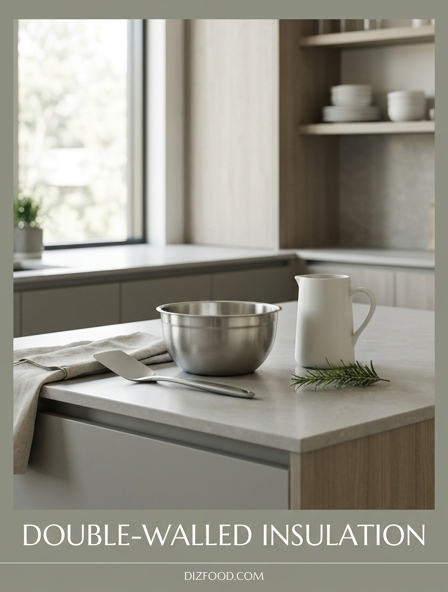
The Science Behind Double Walled Insulation
Double-walled insulation is a cornerstone of modern kitchen engineering, utilizing the principles of thermodynamics to manage heat flow. This design involves two distinct layers of material separated by a small gap, creating a physical barrier that restricts the movement of thermal energy. In the context of kitchen appliances, this structure targets the three primary methods of heat transfer: conduction, convection, and radiation. By separating the high-temperature internal chamber from the external environment, the design ensures that heat remains where it is needed most.
The efficiency of this system relies on the properties of the medium trapped between the walls. Common characteristics of these designs include:
- Reduced thermal conductivity by breaking the direct path between surfaces.
- Minimization of convective loops that would otherwise carry heat to the outer shell.
- Reflective internal surfaces that bounce radiant heat back toward the center.
- Structural integrity that allows for thinner, more lightweight appliance housings.
This scientific approach allows appliances to reach high cooking temperatures while the exterior remains safe to handle, representing a significant leap in domestic thermodynamic management.
Cool Touch Technology for Safer Toasting
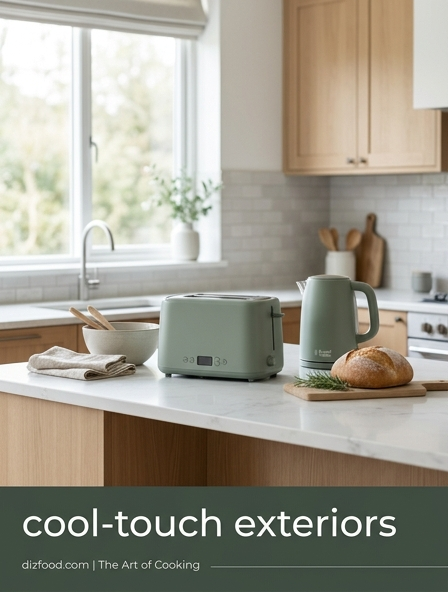
Cool touch technology is the practical application of double-walled insulation in the world of toasters. Traditionally, toasters were constructed with single-layer metal bodies that became dangerously hot during operation, posing a risk to users. With double-walled construction, a secondary outer shell acts as a shield. This allows the internal heating elements to reach temperatures exceeding 400 degrees Fahrenheit while the outer surface remains comfortable to the touch. This innovation is particularly vital in busy households where space is limited and movement is frequent.
To ensure maximum safety, manufacturers often combine insulation with specific airflow patterns. The benefits of this technology are numerous:
- Drastic reduction in contact-related skin burns.
- Protection for nearby kitchen items like plastic bags or power cords.
- Improved comfort for users who need to adjust settings during a cycle.
- Prevention of heat-related damage to delicate countertop surfaces like marble or laminate.
By prioritizing user interaction safety, cool touch technology transforms the toaster from a potential hazard into a family-friendly kitchen staple.
How Air Gaps Block Thermal Transfer
At the heart of any double-walled system is the air gap, which serves as one of nature's most effective insulators. Air has a very low thermal conductivity compared to solid metals like steel or aluminum. When a heat source activates inside a kitchen appliance, the molecules in the air gap are spaced far enough apart that they do not transmit kinetic energy as efficiently as the dense lattice of a solid material. This interruption effectively "stalls" the heat, preventing it from migrating from the inner wall to the outer wall.
The effectiveness of this gap is often enhanced by the specific thickness of the space. If the gap is too narrow, conduction still occurs; if it is too wide, internal convection currents can form. Engineering the perfect air gap requires precision to ensure the air remains relatively stagnant. In high-end appliances, this gap may even be partially evacuated to create a vacuum, which is the ultimate insulator because it lacks molecules to transfer heat at all. This simple yet profound use of spatial physics is what makes modern kitchen insulation so reliable.
Benefits of Heat Retention in Modern Toasters
While safety is a primary driver for double-walled insulation, the benefits of heat retention extend significantly into the quality of the food being prepared. When a toaster is poorly insulated, a large percentage of the energy generated by the heating elements escapes through the walls. This leads to uneven heating and longer toasting cycles. By trapping the thermal energy within the internal chamber, double-walled toasters create a more intense and uniform environment for the bread.
This concentrated heat allows for a faster "Maillard reaction," which is the chemical process responsible for the browning and flavor of toast. The advantages of this thermal retention include:
- Faster toasting times, which saves time during busy mornings.
- More consistent browning across different types of bread and pastries.
- A crispier exterior while maintaining a soft, moist interior.
- Reduced recovery time between multiple toasting cycles.
Ultimately, better heat retention means the appliance does not have to work as hard to achieve superior culinary results, making it a favorite for toast enthusiasts.
Preventing Accidental Burns in the Kitchen
The kitchen is statistically one of the most hazardous areas in a home, with thermal burns being a leading cause of injury. Toasters, kettles, and ovens are frequent culprits because their surfaces can remain hot long after they have been turned off. Double-walled insulation serves as a critical safety intervention by providing a permanent physical buffer. This is especially important for households with young children or elderly individuals who may accidentally brush against an appliance or reach for a nearby object.
By maintaining a low exterior temperature, insulated appliances eliminate the "residual heat" danger that single-walled devices possess. This allows for more flexible kitchen layouts, as users no longer need to worry about maintaining a large "clearance zone" around the toaster to prevent burns. Furthermore, the psychological peace of mind provided by a cool-to-the-touch exterior allows for a more relaxed cooking environment. Safety is not just about preventing major accidents; it is about eliminating the small, painful nicks and burns that occur during daily meal preparation.
Energy Efficiency and Thermal Management
Energy efficiency in the kitchen is often associated with large appliances like refrigerators, but small appliances like toasters play a role in a home's total energy footprint. Double-walled insulation is a key component of effective thermal management. By preventing heat leakage, the appliance requires less electrical power to maintain the necessary internal temperature. This means that for every minute the toaster is active, more of the energy is being used to brown the bread rather than heating the kitchen air.
Over the lifespan of an appliance, these small savings in wattage can add up. Additionally, thermal management reduces the "ambient heat load" on the kitchen. In the summer months, using poorly insulated appliances can noticeably raise the temperature of a small room, forcing air conditioning systems to work harder. Efficient insulation keeps the heat contained, contributing to a more sustainable and comfortable home. The synergy between insulation and energy usage demonstrates that smart design can be both eco-friendly and performance-driven.
Comparing Single Wall and Double Wall Designs
When choosing kitchen appliances, understanding the structural differences between single and double-walled designs is essential for evaluating value and performance. Single-wall designs are often cheaper and lighter, but they sacrifice safety and efficiency. In contrast, double-walled designs utilize more materials and sophisticated assembly processes but offer a superior user experience.
| Feature | Single Wall Design | Double Wall Design |
|---|---|---|
| Exterior Temp | Very High (Danger) | Cool to the Touch |
| Heat Retention | Poor (Heat Escapes) | Excellent (Trapped) |
| Safety Level | Low (Burn Risk) | High (Safe) |
| Energy Usage | Higher per Cycle | Lower per Cycle |
As shown in the comparison, the double-walled approach addresses the most significant drawbacks of traditional designs. While the initial investment might be higher, the long-term benefits in safety and consistency make it the preferred choice for modern consumers.
Material Innovations for Heat Resistant Exteriors
The effectiveness of double-walled insulation is often enhanced by the materials chosen for the exterior shell. Modern manufacturers have moved beyond simple plastics to incorporate advanced polymers and treated metals that resist heat absorption. These materials are chosen not only for their thermal properties but also for their durability and aesthetic appeal. For instance, high-grade brushed stainless steel is often used for the outer layer because it provides a premium look while reflecting radiant heat from the inner wall.
Innovation also includes the use of "thermal breaks," which are non-conductive materials placed at the points where the inner and outer walls meet. This prevents "thermal bridging," where heat travels through the screws or seams of the chassis. These innovations ensure that even if the toaster is used continuously for an hour, the exterior remains stable. The combination of structural air gaps and advanced material science creates a high-performance shell that is both functional and stylish for the modern kitchen countertop.
Enhancing Home Safety with Insulated Appliances
Home safety standards are constantly evolving, and insulated appliances are at the forefront of this movement. Insurance companies and safety advocates often recommend appliances with "cool-touch" exteriors to mitigate fire risks and personal injury. An insulated appliance is less likely to ignite a kitchen fire if a combustible item, such as a paper towel or a wooden cutting board, is accidentally placed too close to it. This level of protection is a vital layer of defense in the complex environment of a domestic kitchen.
Furthermore, the integration of insulation often coincides with other safety features, such as automatic shut-off sensors and overheat protection. Together, these technologies create a failsafe system. For families with pets who might jump on counters or children who are learning to cook, these features are indispensable. Investing in insulated appliances is a proactive step toward creating a safer living space, reducing the number of potential hazards that could lead to emergency room visits or household damage.
Maintaining Consistent Internal Toasting Temperatures
The ultimate goal of any toaster is to produce a perfect slice of toast every time. Achieving this requires a stable thermal environment where the temperature does not fluctuate based on the external room temperature or the cooling of the appliance walls. Double-walled insulation provides this stability by creating a "thermal reservoir" inside the toaster. Once the internal chamber reaches the desired heat, the insulation ensures it stays there with minimal energy input.
This consistency is particularly noticeable when toasting multiple batches of bread. In a single-walled toaster, the first batch might be perfect, but the second batch often burns because the walls have absorbed so much heat. In an insulated model, the temperature is controlled more precisely, leading to:
- Uniform browning from top to bottom.
- Predictable results across different bread thicknesses.
- Reliable performance regardless of the kitchen's ambient temperature.
By regulating the micro-climate inside the device, double-walled insulation ensures that "medium" always means "medium," providing the reliability that home cooks expect from their appliances.


Comments