
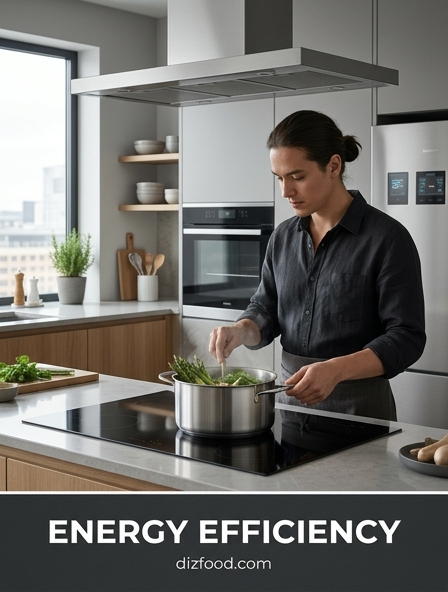
Understanding Energy Star Ratings for Kitchens
The Energy Star rating system is a globally recognized benchmark for energy efficiency, designed to help consumers identify products that reduce greenhouse gas emissions and lower utility costs. In the context of a modern kitchen, these ratings are applied to a wide variety of appliances, ranging from refrigerators and dishwashers to smaller specialized devices. To earn the Energy Star label, a product must meet strict energy-efficiency specifications set by the EPA or comparable international bodies. These standards ensure that the appliance functions at peak performance while consuming significantly less electricity than non-certified models.
When selecting kitchen equipment, it is important to look beyond the initial purchase price. Appliances with higher efficiency ratings often incorporate advanced technology, such as improved insulation, more efficient motors, and better heat management systems. By choosing certified products, homeowners can expect to see several direct benefits:
- Lower monthly electricity and water bills.
- Increased product longevity due to high-quality internal components.
- A reduced carbon footprint for the entire household.
- Potential eligibility for local utility rebates or tax credits.
The Impact of Toaster Wattage on Performance
Wattage is often the primary metric consumers look at when evaluating the power of small kitchen appliances, particularly toasters. Generally, kitchen toasters range from 800 to 1,500 watts. While it might seem that a lower wattage unit is automatically more energy-efficient, the relationship between power and performance is more complex. Higher wattage allows the heating elements to reach the required temperature much faster, which can actually lead to lower total energy consumption by reducing the duration of the toasting cycle.
A high-wattage toaster can sear the exterior of the bread quickly, locking in moisture and achieving the desired texture in under two minutes. In contrast, a low-wattage unit may take twice as long to reach the same level of browning, leading to heat loss and more total energy used over the extended period. To understand the balance, consider the following general power tiers:
| Wattage Range | Toasting Speed | Best Use Case |
|---|---|---|
| 800W - 900W | Slow | Single users, thin bread |
| 1000W - 1200W | Moderate | Standard daily family use |
| 1300W - 1500W | Fast | Thick bagels and artisan breads |
Comparing Slot Toaster vs Oven Efficiency
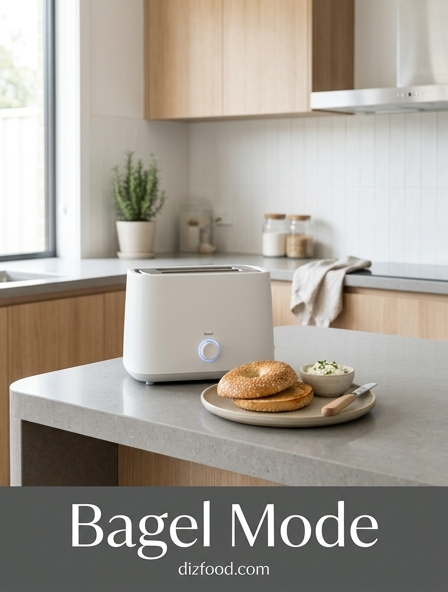
Choosing the right tool for the job is a fundamental aspect of kitchen energy efficiency. When it comes to browning bread or heating small items, the choice between a dedicated slot toaster, a toaster oven, and a full-sized conventional oven can significantly impact your electricity bill. A standard slot toaster is highly specialized; its heating elements are positioned mere millimeters from the food, allowing for rapid heat transfer with minimal waste. Because it is a small, enclosed space, it requires very little energy to reach operating temperatures.
Conversely, toaster ovens and full-sized ovens must heat a much larger volume of air before they can begin cooking the food. While a toaster oven is more efficient than a full oven for small snacks, it still loses more heat through its glass door and larger chassis than a slot toaster. The efficiency hierarchy is generally categorized by the volume of air heated:
- Slot Toaster: Most efficient for 1-4 slices of bread.
- Toaster Oven: Best for reheating pizza or small frozen snacks.
- Full-Size Oven: Most efficient only when cooking large meals or multiple batches simultaneously.
How Performance Metrics Affect Energy Use
To evaluate the true efficiency of kitchen appliances, one must look at performance metrics beyond just raw wattage. Key indicators include thermal retention, duty cycles, and heat distribution. Thermal retention refers to how well an appliance holds onto the heat it generates. An appliance with poor insulation will bleed heat into the surrounding kitchen air, forcing the heating elements to stay active longer to maintain the necessary internal temperature. This not only wastes electricity but also increases the load on your home's cooling system during summer months.
Another critical metric is the "time-to-temperature" ratio. Efficient appliances are designed to concentrate energy exactly where it is needed. For example, modern heating elements made from advanced alloys or ceramic materials can reach peak temperatures almost instantaneously. By minimizing the "ramp-up" time, these units ensure that every watt drawn from the outlet is contributing directly to the cooking process rather than being wasted during a lengthy preheating phase. Monitoring these metrics helps in identifying units that offer the best balance of speed and conservation.
Smart Features for Modern Eco-Friendly Toasting
The integration of smart technology into kitchen appliances has revolutionized how we manage energy consumption. Modern eco-friendly toasters and ovens now come equipped with sensors that detect the moisture level and surface temperature of the food. These sensors allow the appliance to adjust the heating intensity in real-time, preventing over-cooking and ensuring that no excess energy is used once the perfect level of browning is achieved. This precision eliminates the need for "trial and error" cycles that waste both food and power.
In addition to internal sensors, many smart appliances offer connectivity features that contribute to a greener kitchen. Some models can be controlled via mobile applications, allowing users to monitor energy usage or ensure the device is powered down remotely. Popular smart features aimed at efficiency include:
- Auto-Shutoff: Immediately cuts power when the cycle finishes or if an obstruction is detected.
- Eco-Mode: Dims displays and reduces standby power draw when the unit is idle.
- Zone Heating: Only activates the specific slots or elements being used, rather than the entire unit.
- Digital Timers: Provide precise control to prevent unnecessary re-toasting.
Balancing Heat Speed and Power Consumption
Finding the equilibrium between how fast an appliance cooks and how much power it draws is the "sweet spot" of kitchen efficiency. Rapid-heat technology, such as infrared or halogen heating elements, represents a significant leap forward in this area. Unlike traditional nichrome wire coils that take time to glow and radiate heat, infrared elements transfer energy directly to the food particles. This immediate transfer means the appliance can be used without any preheating, which is often the most energy-intensive part of the cooking process.
However, the pursuit of speed must be balanced against the total power draw. A device that pulls maximum amperage to cook something in sixty seconds may be more efficient than one that pulls half the power but takes four minutes. The goal is to minimize the total kilowatt-hours (kWh) consumed per use. Users can optimize this balance by selecting settings that match their specific needs. For instance, using a "frozen" setting on a toaster adjusts the power curve to defrost and then toast in one continuous, optimized flow, rather than running two separate, less efficient cycles.
Reducing Standby Power in Small Appliances
One of the most overlooked aspects of kitchen energy efficiency is "vampire power," also known as standby power. Many modern small appliances, including coffee makers, toasters with digital displays, and microwaves, continue to draw electricity even when they are not actively in use. This energy is used to power clocks, LED indicators, and internal circuitry waiting for a signal to start. While the draw for a single device is small-often between 0.5 and 5 watts-the cumulative effect of multiple appliances across a year can be significant.
To combat this, homeowners can adopt several simple habits. The most effective method is to physically unplug devices that are not used daily. For a more convenient solution, power strips with integrated switches allow you to cut power to several devices at once. Additionally, when shopping for new appliances, look for those that specifically mention low standby power consumption or meet the "One Watt Initiative" standards, which aim to reduce standby energy use to less than one watt per device.
Optimizing Kitchen Layout for Thermal Efficiency
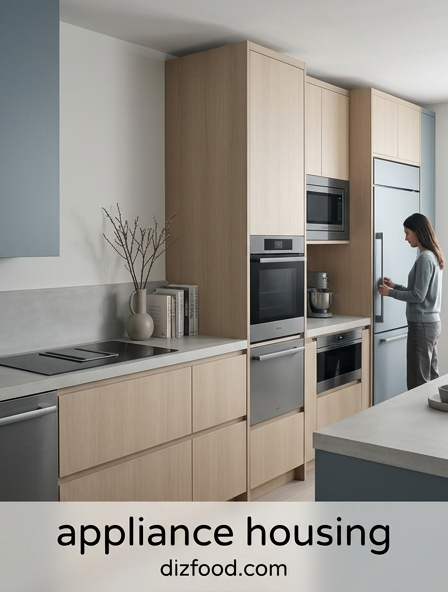
The physical arrangement of a kitchen plays a vital role in the overall energy efficiency of the household. A common mistake is placing heat-generating appliances, such as toasters, ovens, or dishwashers, directly next to the refrigerator. When these appliances are in use, they release ambient heat into the surrounding area. If the refrigerator is located within this heat zone, its compressor must work significantly harder and run more frequently to keep the internal temperature stable. This leads to increased wear on the fridge and higher electricity consumption.
To optimize thermal efficiency, create "zones" within the kitchen layout. Keep cold storage units away from heat sources and ensure there is adequate ventilation around all appliances. Proper airflow allows heat to dissipate quickly rather than lingering and raising the room temperature. Furthermore, placing small appliances like toasters near windows or under active exhaust fans during summer can help remove excess heat from the home, reducing the burden on the air conditioning system. A thoughtful layout ensures every appliance operates in its ideal environment.
Long-Term Savings of High-Efficiency Units
While high-efficiency kitchen appliances often come with a higher upfront price tag, they are best viewed as a long-term investment. The "total cost of ownership" includes the purchase price plus the cumulative cost of the electricity used over the product's lifespan. An energy-efficient toaster or oven can save a household a noticeable amount each year. Over five to ten years, these savings can eventually exceed the initial price difference between a standard model and a premium, high-efficiency version.
Beyond direct utility savings, high-efficiency units are often built with better materials to withstand the stresses of heat and frequent use, leading to fewer replacements. When calculating potential savings, it is helpful to look at the estimated annual operating costs provided on energy labels. Consider the following comparison for a high-use kitchen:
| Appliance Type | Initial Cost | Annual Energy Cost | 5-Year Total |
|---|---|---|---|
| Standard Model | $30 | $15 | $105 |
| High-Efficiency | $60 | $6 | $90 |
Maintenance Tips for Peak Energy Performance
Regular maintenance is essential to ensure that kitchen appliances continue to operate at their rated efficiency levels. For heating appliances like toasters and ovens, the buildup of food debris and carbonized crumbs can significantly hinder performance. These particles can coat heating elements or block airflow, forcing the appliance to run longer to achieve the desired result. Furthermore, accumulated grease can act as an insulator on sensors, leading to inaccurate temperature readings and wasted energy.
To keep your small appliances running at peak performance, follow a consistent cleaning and inspection routine. Not only does this save energy, but it also improves food flavor and extends the life of the machine. Consider these essential maintenance steps:
- Empty Crumb Trays: Do this weekly to prevent debris from burning and obstructing heat.
- Clean Heating Elements: Use a soft brush (when unplugged) to remove dust or particles from coils.
- Check Door Seals: For toaster ovens, ensure the gasket is tight to prevent heat leakage.
- Inspect Plugs: Ensure the power cord is in good condition to prevent resistance and energy loss.

Comments