
Tired of cluttered countertops? Integrating an internal appliance housing into your kitchen setup is a game-changer for both organization and device longevity. By neatly tucking away excess wiring within the unit's body, these specialized compartments shield your cables from heat, accidental snags, and the physical stress caused by constant bending. This streamlined approach not only keeps your workspace looking pristine and professional but also significantly extends the life of your electronics by preventing internal wire fraying. Whether you are upgrading your toaster or a food processor, understanding your cable management options is essential, so weigh the benefits of a Retractable Cord vs Fixed Power Cord to find the perfect fit for your lifestyle.
Maximizing Kitchen Counter Space
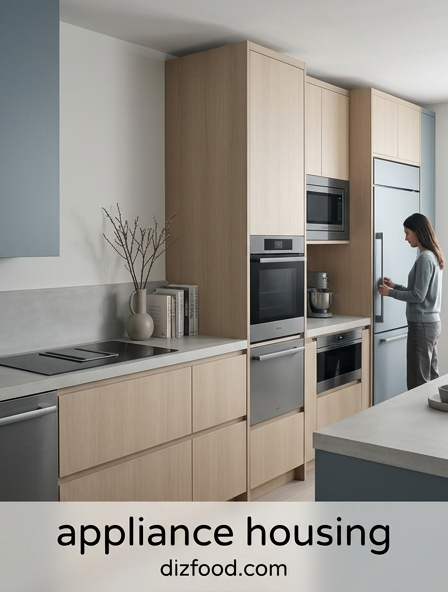
An efficient kitchen environment relies heavily on the available surface area for meal preparation. When countertops are crowded with bulky appliances and trailing power cords, the workspace becomes restricted and hazardous. Implementing dedicated appliance housing solutions allows homeowners to reclaim this valuable real estate. By utilizing built-in storage or specialized garages, large devices such as mixers and blenders can be tucked away when not in active use, providing a clear path for culinary tasks.
To achieve a truly optimized layout, consider the following strategies for space management:
- Utilize vertical shelving within cabinets to stack smaller gadgets.
- Install pull-out trays that bring appliances to counter level only when needed.
- Use magnetic strips for metallic tools to keep them off the horizontal surfaces.
- Incorporate recessed housing units that sit flush with the backsplash.
By prioritizing the organization of these items, the kitchen transforms from a cluttered storage zone into a streamlined workshop. This approach not only improves the functionality of the room but also reduces the mental fatigue associated with working in a disorganized space.
Benefits of Internal Cord Storage
Modern kitchen appliances are increasingly designed with internal cord storage mechanisms to solve the persistent issue of cable management. These features allow users to retract or tuck away excess wiring directly into the base of the unit. This functionality is crucial for maintaining a tidy environment, as it prevents long, loops of wire from draping across hot surfaces or into sink areas. Furthermore, internal storage protects the cord itself from accidental spills or grease buildup common in high-use areas.
| Feature | Primary Benefit |
|---|---|
| Retractable Reels | Allows for precise length adjustment. |
| Manual Cleats | Provides a secure wrap-around point for stability. |
| Hollow Bases | Hides the entire plug during long-term storage. |
Beyond cleanliness, internal storage enhances the portability of the device. When an appliance needs to be moved from a cupboard to the counter, a secured cord eliminates the risk of tripping or the cord catching on other objects. This thoughtful integration of housing design significantly improves the user experience during daily kitchen operations.
Protecting Wires from Heat Damage
The kitchen is an environment defined by extreme temperature fluctuations, making wire protection a critical safety concern. Many high-heat appliances, such as air fryers, toaster ovens, and electric grills, generate significant ambient warmth that can degrade the plastic insulation of nearby power cords. If a cord rests against a hot exterior shell, it can melt, leading to short circuits or potential fire hazards. Proper appliance housing ensures that the electrical components are shielded from these thermal sources.
Strategic housing design often includes heat-resistant channels or stand-offs that keep the cord at a safe distance from the heating elements. Users should also be mindful of the placement of cords relative to the exhaust vents of other appliances. When wires are managed through dedicated pathways, the risk of insulation brittleness-caused by repeated heat exposure-is greatly minimized. This proactive approach to cable placement not only ensures compliance with safety standards but also provides peace of mind during intensive cooking sessions where multiple heat-generating devices are operating simultaneously. Maintaining a clear separation between energy delivery and heat generation is the hallmark of a well-engineered kitchen setup.
Reducing Toaster Cable Clutter
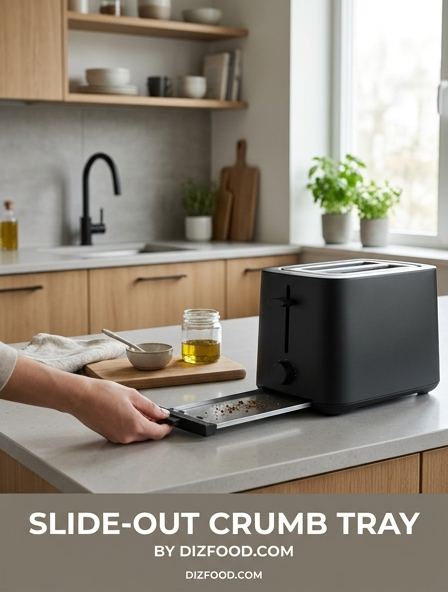
Toasters are often permanent fixtures on the kitchen counter, yet their thick, rigid power cables can create a disorganized appearance. Because toasters are usually positioned near wall outlets, there is often a significant amount of "slack" cord that loops awkwardly behind the unit. This clutter collects crumbs, dust, and grease, making the area difficult to sanitize. Managing this specific type of cable clutter requires a combination of smart housing and disciplined placement.
- Measure the exact distance to the outlet and use the built-in base wrap to take up the slack.
- Position the toaster so the cord exit point faces the wall directly.
- Use adhesive cord clips on the back of the appliance to guide the wire downward.
- Consider a dedicated "appliance garage" to hide the toaster entirely when finished.
By addressing toaster cable management, the breakfast nook looks significantly more polished. This also reduces the risk of the cord being snagged by passing cookware or hands, ensuring that the appliance remains stable on the counter during the high-speed rush of the morning routine.
Improving Appliance Longevity and Safety
The lifespan of a kitchen appliance is often dictated by how well its electrical components are maintained. Excessive bending, pulling, or crimping of power cords can lead to internal wire fatigue, which eventually causes the device to fail or function intermittently. Proper housing units provide a structured environment that prevents these physical stresses. By ensuring that cords are stored with a natural radius rather than sharp folds, the internal copper filaments remain intact for years of reliable service.
- Prevents internal wire breakage from tight kinking.
- Reduces the likelihood of water ingress into electrical ports.
- Minimizes strain on the point where the cord enters the housing.
- Ensures stable power delivery without voltage drops from damaged leads.
Safety is equally paramount; a well-housed cord is less likely to become a fire hazard. When cables are neatly managed, they are less susceptible to being cut by kitchen knives or crushed by heavy pots. Investing in appliances with robust housing designs is an investment in the long-term safety and efficiency of the household's culinary infrastructure.
Streamlined Kitchen Aesthetics
Visual harmony in a kitchen is frequently disrupted by the "spaghetti" effect of tangled wires behind coffee makers, grinders, and mixers. A streamlined aesthetic is achieved when the focus remains on the cabinetry, countertops, and the sleek design of the appliances themselves, rather than the infrastructure powering them. Professional kitchen designers emphasize the importance of hidden housing to maintain a minimalist and clean look that appeals to modern sensibilities.
The use of integrated housing allows the eye to travel across the kitchen without being distracted by dark, dangling wires. This is particularly important in open-concept homes where the kitchen is visible from the living or dining areas. High-end appliance manufacturers now prioritize the "back-of-house" appearance, ensuring that even the rear of the machine looks finished and cord-free. By concealing the necessary but unsightly electrical connections, the kitchen transforms into a sophisticated space suitable for both gourmet cooking and social entertaining. This attention to detail elevates the overall perceived value of the home and reflects a commitment to organizational excellence and contemporary design principles.
Preventing Power Cord Fraying
Fraying occurs when the protective outer jacket of a power cord is compromised due to friction, sharp bends, or age. In a kitchen, this is often caused by cords being pinched between the appliance and the wall or being dragged across abrasive granite edges. Effective appliance housing acts as a protective sheath, ensuring that the cord exits the device in a controlled manner that avoids high-friction contact points. Preventing fraying is essential for avoiding electrical shocks and maintaining the integrity of the home's circuit.
- Inspect the cord entry point for signs of stress or discoloration.
- Avoid wrapping cords too tightly around the body of the appliance.
- Use cord protectors or "sleeves" for cables that must pass through cabinet holes.
- Ensure the housing has smooth, rounded edges where the wire emerges.
Once a cord begins to fray, the appliance often requires a professional repair or complete replacement. By utilizing the built-in cable management features provided in the housing, users can significantly extend the interval between maintenance cycles and ensure that their tools remain in top condition for heavy-duty cooking tasks.
Smart Cable Management Solutions
As technology evolves, smart cable management has moved beyond simple plastic ties to integrated technological solutions within the kitchen cabinetry itself. Modern "smart" housing includes motorized lifts and hidden power strips that disappear into the counter when not in use. These solutions are designed to cater to the high density of electronics found in contemporary kitchens, from smart displays to high-powered blenders. Choosing the right management style depends on the frequency of use and the layout of the kitchen.
| Solution Type | Ideal Application |
|---|---|
| Pop-up Outlets | Island counters where wall outlets are absent. |
| Cord Winders | Small hand-held appliances like mixers. |
| J-Hooks | Under-cabinet mounting to keep wires off the deck. |
These smart solutions help categorize appliances by their power needs and usage patterns. By centralizing the management of these cables within the housing framework, the user can switch between different tools rapidly without the frustration of untangling wires or hunting for an available plug, leading to a more fluid cooking experience.
Hidden Housing for Cleaner Surfaces
A clean kitchen is not just about the absence of dirt, but also the absence of visual clutter. Hidden housing refers to the design philosophy of creating "pockets" within the kitchen architecture specifically for appliance storage. This includes recessed niches in the backsplash or "flip-up" doors that conceal a suite of appliances. When the housing is integrated into the cabinetry, the surfaces remain entirely clear, facilitating easier wiping and sanitation of the countertops after meal preparation.
Crumbs and liquid spills are less likely to become trapped under or behind appliances when those items are properly housed. This significantly reduces the time required for deep cleaning. Furthermore, hidden housing prevents the buildup of "kitchen film"-that mixture of airborne grease and dust-on the cables and the backs of the devices. By keeping these items behind a protective barrier or within a dedicated housing unit, they remain pristine for longer periods. This approach to kitchen design prioritizes hygiene and efficiency, making it much simpler to maintain a "showroom" quality kitchen even in a high-activity household.
Enhancing Breakfast Station Organization
The breakfast station is often the most chaotic part of the kitchen during the morning rush. Usually consisting of a coffee maker, toaster, and perhaps a milk frother, this area can quickly become a mess of overlapping wires. Dedicated housing for these specific appliances can streamline the morning routine by ensuring every cord has a set path and every machine has a permanent home. This organization allows for a "grab-and-go" efficiency that sets a positive tone for the rest of the day.
To optimize a breakfast station, consider these housing improvements:
- Install a multi-plug station inside a cabinet to power all breakfast tools from one hidden source.
- Use tiered housing to elevate the coffee maker, allowing for mug storage underneath.
- Group appliances by cord length to minimize the amount of wire visible on the counter.
- Label specific housing zones to ensure every family member returns items to their proper place.
When the breakfast station is well-organized, the process of making a morning meal becomes faster and more enjoyable. It eliminates the frustration of moving one appliance to reach the cord of another, creating a harmonious start to the day.


Comments