

Mastering Toaster Element Geometry
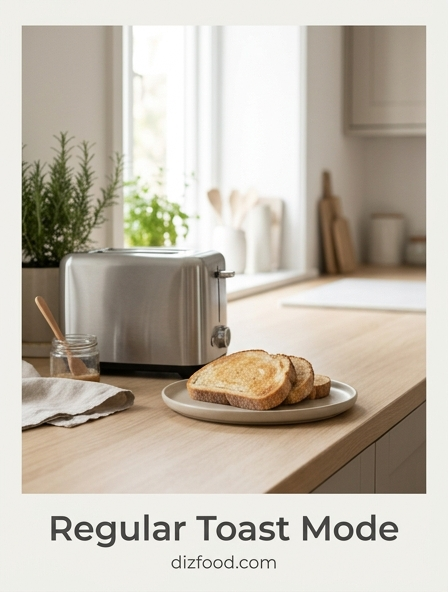
The fundamental logic of any toasting apparatus resides in its heating element geometry. Most modern units utilize nichrome wires wound around mica sheets, creating a grid-like pattern that emits infrared radiation. To master this alignment, one must understand how distance from the wire influences heat intensity. If the bread is misaligned or leaning against one side, the proximity results in carbonization rather than a controlled Maillard reaction. Proper geometry ensures that the radiant energy is distributed evenly across the entire surface area of the slice.
- Element Spacing: The distance between heating coils determines the density of infrared waves.
- Mica Support: High-quality insulation prevents heat leakage and maintains thermal focus.
- Reflective Walls: Internal casing materials must reflect heat back toward the center for efficiency.
- Parallel Positioning: Slices must remain perfectly parallel to the elements to avoid uneven gradients.
Achieving mastery requires recognizing that elements degrade over time. Maintaining the structural integrity of these wires is essential for consistent alignment logic in a high-performance kitchen environment.
Strategic Bread Placement for Even Browning
Placement logic is the most critical variable under the user's direct control. Centralizing the bread within the slot ensures that both faces receive equal thermal exposure. When a slice is placed haphazardly, air gaps are created that fluctuate in temperature, leading to "tiger-striping" or patches of untoasted dough. Strategic alignment involves assessing the bread's thickness relative to the toaster's guide wires. The following steps ensure optimal results:
- Inspect the slice for irregular thickness or tapering that might affect its vertical stance.
- Lower the carriage slowly to ensure the centering guides grip the bread firmly without crushing.
- Observe the horizontal alignment to confirm the slice is equidistant from the left and right elements.
- Adjust for artisan loaves that may have unconventional shapes by trimming edges for better clearance.
By treating bread placement as a deliberate engineering task, the chef eliminates the randomness often associated with morning prep. Consistency in placement dictates consistency in flavor and texture, forming the backbone of professional kitchen standards.
Optimizing Heat Distribution Logic
Optimizing heat distribution requires a sophisticated understanding of thermodynamics within a confined space. Heat does not just move via radiation; convection currents play a significant role as hot air rises from the bottom of the unit. Alignment logic dictates that the bottom of the bread often toasts faster due to this rising heat. To counter this, many high-end toasters utilize variable wattages across the vertical span of the element.
| Heat Mode | Primary Logic | Ideal Outcome |
|---|---|---|
| Radiant | Direct line-of-sight infrared energy. | Crisp surface texture. |
| Convective | Rising air currents within the slot. | Internal moisture reduction. |
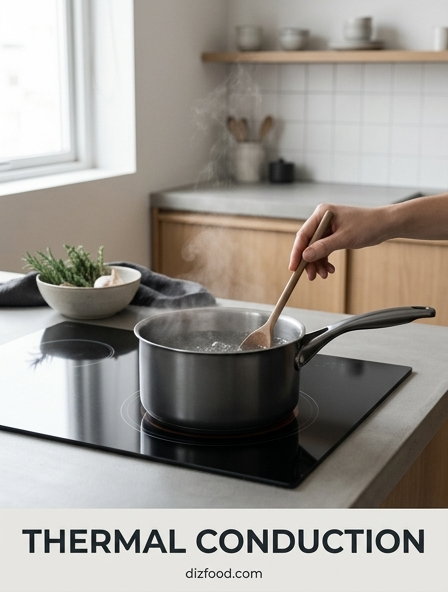
| Conductive | Contact with metal guide wires. | Structural support during heating. |
Effective optimization balances these three modes. By ensuring the toaster is placed on a level surface and away from drafts, the internal heat distribution logic remains undisturbed, allowing for a uniform golden-brown finish every time.
The Science of Toasting Alignment
The science of toasting alignment is rooted in the molecular transformation of starches. When bread is correctly aligned within a thermal field, the sugars and amino acids undergo the Maillard reaction at a predictable rate. If alignment is skewed, the heat flux becomes unpredictable, causing the bread to bypass the golden stage and enter a state of pyrolytic decomposition (burning). This process is highly sensitive to the orientation of the bread's porous structure toward the heat source.
- Surface Porosity: Open-crumb breads require different alignment logic than dense ryes.
- Moisture Migration: Heat must push moisture from the center outward to create a crisp crust.
- Thermal Inertia: The time it takes for the elements to reach peak temperature affects the initial sear.
Alignment is not just physical; it is a temporal synchronization. Understanding the relationship between bread density and infrared penetration allows for a scientific approach to breakfast preparation. Precision in these factors distinguishes a functional kitchen from a mediocre one.
Calibrating Settings for Culinary Precision
Control dials on toasting equipment are often misunderstood as mere timers, but they represent a complex logic of power regulation. Calibration is necessary to align the machine's output with the specific moisture content of the bread being used. Sourdough, for instance, requires a longer, lower heat cycle compared to processed white bread. Achieving culinary precision involves a systematic approach to setting adjustments based on empirical observation.
- Baseline Testing: Use a standard slice to determine the median browning level.
- Incremental Adjustments: Move the dial in small steps to find the "sweet spot" for specific grains.
- Sensory Feedback: Monitor the aroma and color development to verify dial accuracy.
- Climate Compensation: Account for ambient kitchen humidity which can dampen the bread.
A calibrated toaster functions as a reliable tool rather than a source of frustration. By aligning the machine's internal logic with the physical properties of the ingredients, the user gains absolute control over the final gastronomic output.
Streamlining Kitchen Workflow Efficiency
In a professional or high-traffic kitchen, the alignment of appliances is a matter of logistical efficiency. The toasting station must be strategically positioned within the "kitchen triangle" to minimize unnecessary movement. This streamlining involves more than just physical placement; it requires an alignment of the toasting cycle with other food preparation tasks. Efficiency is maximized when the toaster's "ready" chime coincides with the completion of eggs or coffee service.
- Proximity Logic: Place the toaster near the bread storage and buttering station.
- Cable Management: Ensure power cords do not obstruct the workspace or create hazards.
- Multi-Tasking Alignment: Start the toasting process as the final step of hot food assembly.
- Preheating Awareness: Acknowledge that the second batch will always cook faster than the first.
When the workflow is logically aligned, the kitchen operates as a cohesive unit. This reduces stress for the cook and ensures that the final product reaches the consumer at the peak of its thermal and textural quality.
Thermal Consistency in Bread Preparation
Thermal consistency is the byproduct of sound alignment logic and heat retention strategies. A common failure in kitchen logic is ignoring the "thermal ramp-up" period. The first slice of the day enters a cold machine, whereas subsequent slices enter a pre-heated environment. To maintain consistency, the user must align their timing with the current state of the equipment's thermal mass.
| Batch Number | Thermal State | Adjustment Logic |
|---|---|---|
| First Batch | Cold Start | Higher setting or longer duration. |
| Second Batch | Optimized | Standard setting for intended results. |
| Continuous | Heat Saturated | Lower setting to prevent overshoot. |
Monitoring these variables ensures that the tenth slice is identical to the second. This level of consistency is the hallmark of a disciplined kitchen where logic-based preparation takes precedence over guesswork or random setting selection.
Standardizing Your Toasting Station
Standardization is the final step in the alignment logic of a kitchen. A standardized station implies that every variable, from the type of bread to the cleanliness of the crumb tray, is maintained at a constant level. Debris accumulation at the bottom of a toaster can interfere with heat reflection and even create fire hazards. Therefore, a logic-based cleaning schedule is essential for maintaining the alignment of the heating elements and sensors.
- Daily Crumb Extraction: Remove accumulated carbonized particles to maintain airflow.
- Weekly Element Inspection: Check for sagging wires or buildup on the mica sheets.
- Station Zoning: Keep the area dry and free of flour dust that could ignite.
- Power Verification: Ensure the outlet provides a stable voltage for consistent heating.
A standardized environment eliminates the outliers that cause failures. When the station is perfectly aligned, the cook can focus on the nuance of the food rather than troubleshooting the equipment, leading to a superior culinary experience for everyone involved.
Logic Based Timing for Perfect Crusts
Timing logic is the bridge between raw ingredients and a finished crust. The perfect crust is characterized by a "glassy" texture on the outside while maintaining a soft, hydrated interior. This requires an alignment of intense heat followed by a period of rest. The timing must be calibrated to the thickness of the bread; thick-cut "Texas Toast" requires a slower heat penetration logic than a thin sandwich slice.
- Induction Period: The initial 30 seconds where the bread's surface moisture evaporates.
- Maillard Window: The mid-cycle phase where color and flavor compounds develop.
- Pyrolysis Threshold: The final seconds where the risk of burning increases exponentially.
- Residual Cooking: Heat continues to migrate inward even after the bread pops up.
By understanding these phases, the user can intervene at the precise moment to achieve the desired texture. Timing logic is not just about the clock; it is about the synchronicity between heat, moisture, and the structural integrity of the grain.
Maximizing Output with Systematic Alignment
To maximize output without sacrificing quality, systematic alignment must be applied to high-volume production. This involves coordinating multiple units or using wide-slot toasters with logical grouping. Systematic alignment ensures that large batches of toast are finished simultaneously, which is crucial for banquet or family-style service. The logic here shifts from individual slices to the throughput of the entire station.
| System Variable | Alignment Strategy | Efficiency Gain |
|---|---|---|
| Load Density | Staggered starts for multiple units. | Prevents power surges and evens workload. |
| Bread Sorting | Group by moisture and grain type. | Eliminates the need for constant recalibration. |
| Holding Logic | Vertical rack cooling vs. stacking. | Prevents steam from softening the crust. |
Systematic alignment transforms toasting from a bottleneck into a streamlined component of the kitchen's production line. By applying logic to the entire process, output is maximized while maintaining the highest culinary standards for every slice produced.


Comments