
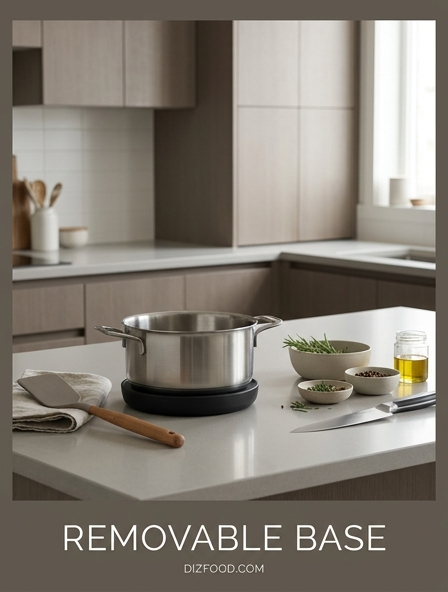
Maintaining a spotless kitchen is much simpler when your small appliances are designed with cleanliness in mind. Achieving maximum hygiene is now straightforward thanks to the removable base, a smart design feature that lets you reach hidden spots where crumbs and bacteria often gather. Instead of fighting with bulky equipment or missing those hard-to-reach corners, you can easily detach the base for a comprehensive deep clean, keeping your cooking space pristine and safe. To find the most effective solution for your kitchen, it is worth comparing the functionality of a crumb tray vs removable base to see which offers superior cleaning power.
Benefits of Removable Bases for Toaster Hygiene
A removable base, often referred to as a crumb tray, serves as the primary defense against the silent accumulation of organic debris within a kitchen environment. Without this feature, bread particles become trapped in the internal chassis, where they are subjected to repeated heating cycles. This process does not just carbonize the food; it creates a stagnant environment where microscopic residues can linger. The ability to completely slide out or detach the bottom panel allows users to achieve a level of cleanliness that is physically impossible with fixed-base models.
- Eliminates the need to shake the appliance upside down, which can damage delicate heating elements.
- Provides direct access to the floor of the appliance for thorough sanitization.
- Prevents the development of "old food" odors that can permeate the kitchen.
- Allows for the use of liquid degreasers on the tray itself without risking electrical components.
By ensuring that the base is accessible, manufacturers empower users to maintain a kitchen standard that aligns with modern health expectations. A clean tray ensures that every new slice of bread is toasted in a sanitary chamber, free from the charred remains of previous meals.
Preventing Crumb Accumulation in Small Kitchen Appliances
Crumb accumulation is more than just a cosmetic issue; it is a structural challenge for small kitchen appliances like toasters and convection ovens. When debris builds up at the bottom of a unit, it begins to interfere with the airflow and the mechanical operation of the bread carriage. A removable base acts as a catch-all system that intercepts these particles before they can wedge themselves into the spring mechanisms or sensitive thermal sensors. Regular maintenance of this component ensures that the internal environment remains clear.
| Accumulation Level | Potential Impact | Recommended Action |
|---|---|---|
| Low (Daily) | Minimal airflow restriction | Quick slide and dump |
| Medium (Weekly) | Minor smoking or odors | Wipe with damp cloth |
| High (Monthly) | Mechanical failure risk | Deep soak and scrub |
The design of a detachable base facilitates a proactive approach to kitchen maintenance. Instead of waiting for the appliance to malfunction, the user can visually inspect the tray and remove debris in seconds. This preventative measure is essential for anyone looking to maximize the efficiency and cleanliness of their countertop devices.
How a Detachable Base Simplifies Appliance Deep Cleaning
Deep cleaning kitchen appliances is often viewed as a daunting chore, yet the inclusion of a detachable base transforms this process into a manageable task. Traditional appliances without a removable bottom require significant effort to clean, often involving compressed air or tedious manual picking. With a detachable design, the most heavily soiled part of the machine is isolated from the electrical housing, allowing for more aggressive cleaning methods that would otherwise be dangerous.
- Unplug the appliance and allow it to cool completely before handling the base.
- Slide out the tray or unclip the base panel from the main chassis.
- Discard all loose crumbs into a waste bin to prevent sink clogs.
- Submerge the base in warm, soapy water to break down stubborn carbonized oils.
- Dry the component thoroughly to prevent moisture from entering the electrical unit upon reinsertion.
This streamlined workflow encourages more frequent cleaning. Because the base can be fully removed, it can be scrubbed in the sink, ensuring that all grease and burnt particles are eliminated. This level of access ensures that the appliance remains in "like-new" condition for years, rather than succumbing to the grime of daily use.
Reducing Bacterial Risks in Daily Toasting Routines
The kitchen is a breeding ground for various pathogens, and the warm, dark interior of a toaster is an ideal niche for bacterial growth. When crumbs are left to sit on a fixed base, they can absorb moisture from the air, creating a substrate for mold and bacteria such as Salmonella or E. coli if cross-contamination occurs. A removable base is critical because it breaks the cycle of bacterial colonization by allowing for the total removal of the food source.
Daily toasting routines involve high temperatures, but the base of the appliance often stays at a temperature that is warm enough to promote microbial activity without being hot enough to sterilize the surface. By removing the tray and sanitizing it with food-safe disinfectants, users can ensure that their breakfast is not being prepared over a layer of decaying organic matter. This practice is particularly vital in households with young children or immunocompromised individuals, where food safety is a top priority. Frequent sanitization of the removable base transforms the appliance from a potential health hazard into a reliably hygienic tool for daily meal preparation.
The Connection Between Clean Bases and Fire Safety
Fire safety is a paramount concern in any kitchen, and the toaster is a common source of domestic fires. The primary culprit is often the accumulation of dry, carbonized crumbs at the bottom of the unit. These particles act as tinder; as they are repeatedly exposed to the high-intensity heat of the elements, they reach their ignition point. A removable base is a vital safety feature that allows users to mitigate this risk by keeping the "combustion zone" clear of fuel.
- Reduces the presence of flammable carbonized dust inside the heating chamber.
- Prevents "flash fires" caused by large crumbs catching a spark.
- Minimizes smoke production, which can trigger sensitive fire alarms.
- Allows for inspection of the bottom area to ensure no plastic or paper has fallen inside.
Regularly emptying the removable base is a simple habit that significantly lowers the probability of a kitchen fire. Safety experts recommend checking the base tray at least once a week to ensure that the accumulation never reaches a dangerous level. This small design element is, in many ways, the most important safety component of the entire appliance.
Maintaining Peak Performance Through Regular Base Sanitization
The performance of a kitchen appliance is directly linked to its cleanliness. In toasters and small ovens, the buildup of debris on the base can lead to uneven heating and increased energy consumption. When the bottom is coated in crumbs, the reflective properties of the base are lost, and the heat distribution becomes inconsistent. Sanitizing the removable base restores the appliance's ability to operate at its designed thermal efficiency.
| Component | Effect of Dirt | Performance Gain After Cleaning |
|---|---|---|
| Reflective Surface | Heat absorption/Loss | Faster toasting times |
| Air Intake Vents | Clogging/Overheating | Stable operating temperatures |
| Heating Elements | Secondary scorching | Consistent browning levels |
Regular sanitization involves more than just dumping crumbs; it involves removing the film of oil and fine dust that settles on the tray. A clean, shiny base reflects heat back toward the food, ensuring that your toast is crisp on the outside while remaining soft on the inside. This efficiency not only saves time but also extends the life of the heating elements by reducing their total "on" time.
Innovative Design Features for Maximum Kitchen Sanitation
Modern kitchen engineering has evolved to make sanitation a seamless part of the user experience. Innovative designs for removable bases now include features that go beyond a simple sliding tray. Manufacturers are prioritizing materials and attachment methods that make the cleaning process nearly effortless, encouraging better hygiene habits among consumers. These advancements reflect a broader trend toward "smart" kitchen maintenance where the tool works with the user to stay clean.
- Magnetic bases that snap into place, ensuring a perfect seal against crumb leakage.
- Non-stick coatings on the tray surface that allow burnt cheese or sugar to slide off easily.
- Dishwasher-safe materials like stainless steel or high-grade polymers for effortless sanitizing.
- Hinged "drop-down" bottoms for appliances with limited counter space.
- Integrated sensors that alert the user when the tray has reached capacity.
These features reduce the friction of cleaning. When a base is easy to remove and even easier to wash, it is more likely to be maintained. Innovations in tray design ensure that even the most neglected kitchen appliances can be restored to a sanitary state with minimal effort, promoting a healthier home environment overall.
Step by Step Guide to Cleaning Removable Toaster Bases
To maintain a high standard of kitchen hygiene, a systematic approach to cleaning the removable base of your appliance is necessary. This ensures that no residue is left behind and that the appliance remains safe for use. Following a consistent routine prevents the buildup of stubborn grime that can become difficult to remove over time. Below is the recommended procedure for a thorough cleaning of a standard removable tray.
- Disconnect the power cord from the wall outlet to ensure absolute electrical safety.
- Gently slide the removable tray out from the bottom of the toaster.
- Empty the loose debris into a trash receptacle, tapping the tray lightly to dislodge stuck particles.
- Use a soft sponge and mild dish soap to wash the tray, focusing on any oily spots.
- For burnt-on residue, use a paste of baking soda and water, letting it sit for ten minutes.
- Rinse with clear water and dry completely with a lint-free towel.
- Slide the tray back into position, ensuring it clicks or locks firmly into place.
Completing these steps once a week will keep the appliance functioning perfectly. Never use abrasive metal scourers, as these can scratch the surface of the tray and make it more prone to catching debris in the future.
Why Removable Bottoms Are Essential for Kitchen Health
The presence of a removable bottom in kitchen appliances is a fundamental requirement for maintaining an allergen-free and pest-free environment. In many households, toasters are used for various types of bread, including those containing nuts or gluten. Without the ability to completely clear out the base, cross-contamination becomes a significant risk for individuals with severe food allergies. A fixed base traps traces of previous ingredients, making it impossible to guarantee a safe meal for everyone in the family.
Furthermore, the accumulation of food particles is the primary attractant for kitchen pests such as ants and cockroaches. These insects are drawn to the concentrated food source found in the bottom of a toaster or oven. An appliance that cannot be easily emptied is essentially a permanent feeding station for pests. By utilizing a removable base, you eliminate the food source that invites these unwanted guests into your preparation areas. This simple design choice is a cornerstone of integrated pest management and general domestic health, ensuring that the surfaces where you prepare food remain untainted by allergens or biological contaminants from pests.
Enhancing Appliance Durability with Easy Access Hygiene
The longevity of a kitchen appliance is often determined by how well it is maintained. A removable base provides the easy access needed to protect the internal components from the corrosive effects of food waste. When crumbs and oils sit at the bottom of an appliance, they can attract moisture from the kitchen air. Over time, this moisture reacts with the salt and organic acids in the food, leading to the oxidation and rusting of the metal chassis. This corrosion can eventually spread to the electrical connections, causing premature failure.
- Prevents rust formation on the internal support structure of the appliance.
- Protects sensitive wiring from being coated in conductive food dust.
- Reduces thermal stress on the outer casing by maintaining proper heat reflection.
- Avoids the mechanical strain of shaking the unit to remove debris.
An appliance that is easy to clean is an appliance that lasts. By choosing models with removable bases and maintaining them regularly, consumers protect their investment and reduce electronic waste. Durability is not just about the quality of the motor or the heating element; it is about the accessibility provided for basic hygiene, which keeps those components running in a clean, optimal environment.


Comments